

How Sports Retail Is Adapting to Digital Consumers?
The New Playing Field for Sports Retail
Today sports retail has moved far beyond the traditional model of racks, registers, and seasonal sales, evolving into a data-driven, omnichannel ecosystem shaped by digital consumers who expect personalization, immediacy, and authenticity in every interaction. For global audiences in the United States, Europe, Asia, and emerging sports markets across Africa and South America, the way people discover, evaluate, and purchase sports products has been fundamentally redefined by e-commerce, mobile technology, and social platforms, and the competitive landscape now stretches from flagship stores in New York, London, Berlin, and Tokyo to virtual storefronts accessed on smartphones in São Paulo, Johannesburg, and Bangkok.
In this environment, the news and research team tries to position itself as a bridge between fans, athletes, brands, and business leaders, tracking how digital behavior reshapes performance gear, fitness equipment, wellness products, and fan merchandise, while also connecting these developments to broader trends across sports, fitness, and business. As the sector continues to evolve, the winners are increasingly those retailers and brands that combine deep sports expertise with technological sophistication, robust data governance, and a credible commitment to health, culture, and sustainability.
From Brick-and-Mortar to Omnichannel Powerhouses
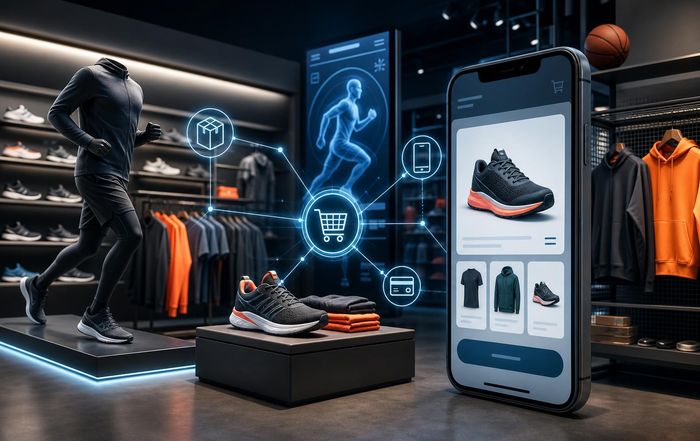
The first wave of digital disruption in sports retail was largely about moving transactions online, but by 2026, the conversation has shifted from "online versus offline" to "how seamlessly everything works together," with consumers in the United States, the United Kingdom, Germany, and beyond expecting to browse on social media, research on brand websites, compare on marketplaces, and finalize purchases in physical or virtual stores without friction or inconsistency.
Major players such as Nike, Adidas, Decathlon, and Lululemon have invested heavily in omnichannel capabilities, using technologies like real-time inventory visibility, click-and-collect, and ship-from-store to align their networks, and industry analysis from platforms like McKinsey & Company highlights how this integration has improved conversion rates and reduced lost sales due to stockouts or fragmented experiences. At the same time, specialist retailers and regional chains in markets like Canada, Australia, and the Nordics are leveraging similar tools to maintain competitiveness, often partnering with commerce platforms such as Shopify or Salesforce Commerce Cloud to create agile, scalable infrastructures.
For us covering omnichannel transformation is not merely a technology story but a sports culture story, because the way fans in Madrid or Singapore discover a new boot silo, a running shoe drop, or a home gym system increasingly reflects their broader digital lifestyle; the convergence of training, entertainment, and everyday life is visible in how readers move fluidly between news, technology, and culture content while also engaging with retail offers.
Mobile-First, Social-Driven Consumers
Digital consumers in 2026 are overwhelmingly mobile-first, and nowhere is this more evident than in sports, where live scores, highlights, training plans, and merchandise offers coexist in the same feed. According to global data from Statista, mobile commerce continues to claim an ever-larger share of online retail, and sports retailers have responded by redesigning interfaces, streamlining checkout flows, and integrating digital wallets and local payment methods to serve users in markets as diverse as South Korea, Brazil, and South Africa.
Social platforms such as Instagram, TikTok, and YouTube act as discovery engines for performance and lifestyle products, and collaborations between retailers and fitness creators, esports streamers, and professional athletes have become central to product launches, limited drops, and community building. Brands are also experimenting with live shopping formats inspired by the success of platforms in China, with companies drawing on insights from sources such as Harvard Business Review to refine social commerce strategies that blend entertainment, education, and urgency.
This convergence of social and retail is closely watched by sportsyncr.com, particularly through its social and brands coverage, where the focus is on how authenticity, transparency, and community engagement differentiate credible sports retailers from those merely chasing trends; digital consumers in London, Toronto, and Copenhagen are quick to reward or punish brands based on how honestly they represent performance claims, inclusion, and sustainability.
Hyper-Personalization Built on Data and Trust
One of the most significant shifts in sports retail has been the rise of hyper-personalized experiences, in which product recommendations, content, and pricing are tailored to individual preferences, training goals, and purchase histories, and in 2026 this approach is no longer limited to global giants but is increasingly accessible to mid-sized retailers and niche performance brands that integrate customer data platforms, AI-driven recommendation engines, and loyalty ecosystems.
Sports retailers are harnessing data from e-commerce interactions, mobile apps, wearable devices, and in-store behavior to refine their understanding of runners, cyclists, footballers, gym enthusiasts, and wellness-oriented consumers, and research from organizations such as Deloitte underscores how data-driven personalization can increase both conversion and long-term loyalty when executed responsibly. However, the same research and regulatory guidance from bodies like the European Commission emphasize that personalization must be balanced with robust privacy protections, clear consent mechanisms, and transparent data practices.
For sports audiences, personalization increasingly extends beyond product suggestions to integrated content and coaching, with apps that recommend shoes, apparel, and recovery tools based on training plans, injury history, and health metrics, and the editorial focus here connects these innovations to broader health and science narratives. Trust becomes the critical currency in this environment, and retailers that communicate clearly about data usage, respect regional privacy laws from California to the European Union, and provide genuine value in exchange for data are building durable relationships with discerning digital consumers.
The Fusion of Sports, Fitness, and Health in Retail
The traditional boundaries between sports equipment, fitness gear, and health products have blurred, particularly as consumers in the United States, the United Kingdom, Germany, Japan, and Singapore embrace holistic approaches to performance and wellbeing. Sports retailers are no longer simply selling shoes and jerseys; they are curating ecosystems that include smart wearables, recovery tools, nutrition products, mental health services, and digital coaching subscriptions, and this convergence reflects the broader global emphasis on preventive health and active lifestyles.
Organizations such as the World Health Organization and the Centers for Disease Control and Prevention continue to highlight the importance of regular physical activity for long-term health outcomes, and retailers are translating these recommendations into product assortments and content strategies that help consumers in cities from Paris to Melbourne choose the right gear for sustainable, injury-free participation. The integration of home fitness equipment, connected training platforms, and wellness-oriented apparel has also been accelerated by hybrid work patterns and flexible lifestyles, with consumers expecting sports retailers to support gym, outdoor, and at-home training equally.
For the hard-working team here this shift reinforces the importance of cross-category coverage that spans fitness, health, and sports, enabling readers to understand how product innovation, digital coaching, and lifestyle trends intersect. Retailers that position themselves as credible partners in long-term health, rather than short-term transaction providers, are gaining an edge, especially when they collaborate with medical professionals, sports scientists, and accredited trainers to validate claims and design evidence-based offerings.
Technology as the New Infrastructure of Sports Retail
Beneath the visible layer of apps, websites, and stores, sports retail in 2026 is increasingly defined by a sophisticated technology stack that spans cloud computing, artificial intelligence, augmented reality, and advanced logistics. Retailers are modernizing legacy systems to handle real-time inventory, dynamic pricing, and global fulfillment, drawing on best practices from technology providers and research institutions such as the MIT Sloan School of Management that explore AI's role in demand forecasting, personalization, and supply chain optimization.
Virtual try-on tools and augmented reality experiences are becoming more common for footwear, apparel, and equipment, allowing consumers in markets from Italy to South Korea to assess fit and style from home, while smart mirrors and connected fitting rooms in flagship stores enhance the in-person experience. Robotics and automation in warehouses, along with route optimization algorithms, are improving delivery speed and reliability, and reports from organizations like the World Economic Forum illustrate how digital transformation is reshaping consumer industries worldwide.
Within this context, sportsyncr.com uses its technology and world verticals to interpret complex technological developments for a sports-oriented audience, emphasizing practical implications for fan experience, athlete performance, and retail convenience. As AI and automation expand, questions of workforce impact, skills development, and ethical deployment are becoming central to strategic decision-making in sports retail boardrooms across North America, Europe, and Asia.
The Rise of Direct-to-Consumer and Brand Ecosystems
Direct-to-consumer (DTC) strategies continue to transform the economics and branding of sports retail, with global companies and niche innovators alike seeking closer relationships with end users. Leading brands such as Nike, Adidas, Puma, and Under Armour have invested in proprietary apps, membership programs, and exclusive online communities that offer early access to products, personalized training content, and integrated loyalty rewards, drawing insights from consultancies like Bain & Company on how to balance DTC growth with wholesale partnerships.
At the same time, regional brands in markets like Scandinavia, Japan, and Brazil are leveraging storytelling around local culture, sustainability, and craftsmanship to build loyal followings through their own digital channels, often collaborating with independent gyms, running clubs, and esports organizations. These DTC ecosystems are not purely transactional; they function as platforms for content, coaching, events, and social impact initiatives, reflecting a broader shift toward community-centric commerce that rewards engagement and advocacy as much as purchase frequency.
For sportsyncr, which serves individuals who care deeply about brands, culture, and social dynamics, the evolution of DTC in sports is an essential narrative, highlighting how digital consumers in Amsterdam, Zurich, and Kuala Lumpur increasingly expect brands to articulate clear values, stand on social issues, and demonstrate consistent behavior across channels. Retailers that work collaboratively with brands, sharing data and co-creating experiences, will be better positioned to thrive in this more transparent, consumer-empowered landscape.
Sustainability, Ethics, and the Conscious Digital Consumer
Digital consumers in 2026, especially younger cohorts in Europe, North America, and parts of Asia-Pacific, are more environmentally and socially conscious than previous generations, and this shift is reshaping purchasing decisions in sports retail. Transparency around materials, labor practices, and carbon footprints is becoming a baseline expectation rather than a differentiator, with organizations such as the Ellen MacArthur Foundation advocating circular models in apparel and footwear that emphasize durability, repair, and recycling.
Many sports retailers and brands have responded by introducing take-back programs, recycled materials, and low-impact manufacturing processes, often guided by frameworks from the United Nations Global Compact and science-based climate targets. Consumers in markets like Sweden, Norway, and Denmark, where sustainability awareness is particularly high, are scrutinizing claims more closely, and digital platforms make it easier than ever to compare and challenge corporate narratives.
The intersection of performance and responsibility is reflected in its environment and business reporting, where the focus is on how sustainable business practices are becoming integral to long-term competitiveness rather than peripheral public relations efforts. Retailers that integrate sustainability into product design, logistics, store operations, and digital experiences, while reporting progress candidly, are better placed to earn the trust of informed, values-driven shoppers from Vancouver to Wellington.
Jobs, Skills, and the Future Workforce of Sports Retail
As digital transformation accelerates, the skills and roles required in sports retail are evolving rapidly, with increased demand for data analysts, UX designers, digital marketers, supply chain technologists, and customer experience specialists, alongside more traditional store and operations roles. Reports from bodies such as the International Labour Organization point to both opportunities and challenges as automation and AI reshape retail employment, requiring proactive investment in reskilling and continuous learning.
Retailers operating in major hubs like the United States, the United Kingdom, Germany, and Singapore are building internal academies and partnerships with universities and training providers to develop digital competencies, while also emphasizing soft skills such as empathy, communication, and cultural awareness that are critical for serving diverse global customer bases. The growth of hybrid and remote work in functions like digital merchandising, content creation, and data science is also expanding access to roles across regions, enabling talent from markets such as South Africa, India, and Latin America to contribute to global sports retail strategies.
The future of work in sports retail is a key thread within its jobs and world stories, as the platform seeks to inform both industry leaders and aspiring professionals about emerging career paths and capability requirements. Retailers that foster inclusive, learning-oriented cultures and communicate clear development pathways are not only better positioned to attract and retain talent but also to innovate in ways that resonate with digitally savvy consumers worldwide.
The Expanding Role of Gaming, Esports, and Sponsorship
Another defining feature of sports retail's adaptation to digital consumers is the integration of gaming and esports into product strategies, marketing campaigns, and sponsorship portfolios. With competitive gaming and streaming platforms attracting massive audiences in markets such as China, South Korea, the United States, and Europe, sports brands and retailers are recognizing that performance and fandom now extend into virtual arenas, where apparel, peripherals, and digital collectibles all play a role.
Partnerships between traditional sports organizations, esports teams, and technology companies are creating new categories of merchandise and co-branded products, and insights from industry bodies like the Entertainment Software Association help retailers understand demographic overlaps and engagement patterns. Sponsorship models are also evolving, blending physical events, digital campaigns, and in-game activations that reach fans in real time, whether they are following football, basketball, motorsport, or leading esports titles.
Within sportsyncr, the convergence of gaming, sponsorship, and traditional sports is a growing focus, as readers seek to understand how digital fandom, influencer partnerships, and cross-platform storytelling influence what products they see, desire, and ultimately purchase. Retailers that acknowledge gaming as a core cultural pillar rather than a niche add-on are better equipped to connect with younger consumers in markets from Japan to Brazil, where identities as athletes, gamers, and creators often overlap.
Regional Nuances in a Global Digital Marketplace
While digital technologies create a sense of global convergence, sports retail in 2026 still reflects significant regional differences in consumer behavior, regulatory environments, and infrastructure. In North America and Western Europe, high smartphone penetration, mature logistics networks, and strong consumer protection regimes support advanced omnichannel models, while in parts of Asia, Africa, and South America, mobile-first usage, social commerce, and alternative payment systems drive distinctive innovation patterns.
Markets like China, Singapore, and South Korea are at the forefront of live commerce, super-app integration, and digital wallets, informed in part by research from institutions such as the OECD on digital economy trends. Meanwhile, in emerging markets across Africa and Southeast Asia, sports retailers must navigate infrastructure gaps and diverse local preferences, often partnering with regional platforms and logistics startups to reach consumers in both urban centers and smaller communities.
For sportsyncr.com, which serves a worldwide readership with particular interest in the United States, the United Kingdom, Germany, Canada, Australia, and key markets across Europe and Asia, it is essential to highlight these nuances, helping business leaders avoid one-size-fits-all assumptions. Successful sports retailers in 2026 are those that combine global scale with local sensitivity, adapting assortment, pricing, payment options, and marketing messages to reflect cultural, economic, and regulatory realities from Helsinki to Cape Town.
Experience, Expertise, and Trust as Competitive Advantages!
Across all these developments, a consistent pattern emerges: digital consumers reward sports retailers and brands that demonstrate genuine expertise, deliver consistently high-quality experiences, and build trust through transparent, responsible practices. Expertise is reflected not only in product innovation and technical performance but also in the quality of advice, content, and community support that retailers provide, whether through in-store staff, online chat, or integrated training platforms.
Experience encompasses the entire customer journey, from discovery and research to purchase, delivery, and post-sale support, and research from organizations such as Forrester underscores how seamless, emotionally resonant experiences drive loyalty and advocacy. Trust, meanwhile, cuts across data privacy, sustainability, labor practices, and brand integrity, and in a world of instant reviews and social amplification, missteps can quickly erode hard-won reputations.
As a platform dedicated to the intersection of sports, business, and culture, sportsyncr aims to support this evolution by providing daily, in-depth, analytically rigorous coverage that helps executives, practitioners, and enthusiasts understand where the industry is heading and how to navigate it. By connecting developments in sports, business, technology, and culture, the site offers a holistic perspective that mirrors the increasingly interconnected nature of sports retail itself.
The adaptation of sports retail to digital consumers is not a finite project but an ongoing process of listening, learning, and iterating; the organizations that approach this journey with humility, curiosity, and a commitment to long-term value creation will be best positioned to serve athletes, fans, and everyday participants across continents, and to shape a sports ecosystem that is more inclusive, innovative, and sustainable for the decade ahead.