

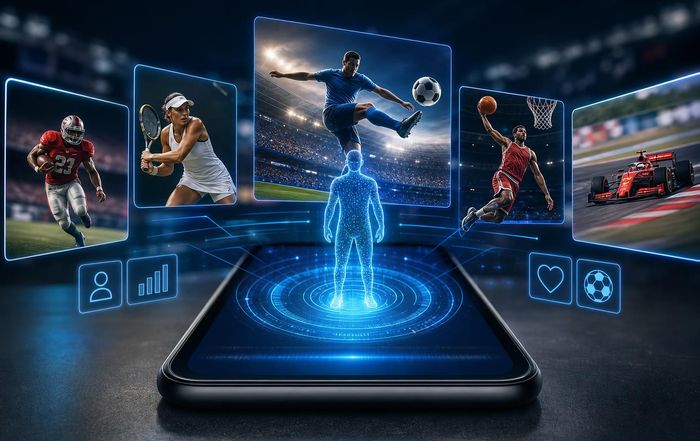
What's The Future of Sports Content Personalization?
Rapid Introduction: From Broadcast to "Built-For-Me" Sports
Sports fans across the world have moved decisively from being passive viewers to active participants in how, when, and what they consume. In this environment, the future of sports content personalization is no longer a marketing slogan but a strategic imperative reshaping leagues, media companies, brands, and technology providers. On every screen from New York to Singapore, from London to São Paulo, fans expect a feed that feels uniquely theirs: preferred teams and athletes surfaced instantly, real-time statistics tuned to their interests, betting odds or wellness insights layered on top of live action, and social narratives that mirror the subcultures they identify with.
For Sportsyncr and the broader ecosystem of sports media, personalization is not just a technological evolution; it is becoming the core lens through which sports, fitness, health, culture, business, and technology intersect. As audiences increasingly navigate through tailored daily updated hubs such as the sports section on Sportsyncr and highly specialized apps from major broadcasters, the companies that succeed will be those that combine deep data capabilities with authentic understanding of fan identity, regional nuance, and the emotional stakes that make sport unique.
The Data-Driven Fan: Foundations of Personalization
The transformation of sports content personalization rests on the rapid expansion and integration of data. Every click, view, like, and share, along with biometric and performance metrics from wearables, is feeding sophisticated models that attempt to predict what each fan wants to see next. Organizations such as ESPN, DAZN, and Amazon Prime Video have invested heavily in recommendation engines that resemble those used by Netflix and YouTube, but tuned to the unique rhythms of live fixtures, highlights, and analysis. As global internet infrastructure advances and 5G networks proliferate, particularly in markets like the United States, United Kingdom, Germany, South Korea, and Japan, the volume and immediacy of sports consumption data has grown exponentially.
Industry bodies and analysts, including those covered by Deloitte's sports business insights, note that personalization in sports is becoming an arms race in which the winners are those who can integrate disparate data sources into coherent, privacy-conscious profiles. From match statistics hosted on platforms like Opta and Stats Perform to audience behavior metrics and social sentiment, the raw material is abundant. The challenge is transforming that material into meaningful, timely experiences that enhance the fan's sense of connection rather than overwhelming them with noise, a challenge that Sportsyncr addresses by curating utterly original content across sports, fitness, health, and culture in ways that reflect both performance data and human context.
AI and Machine Learning: The New Playbook
Artificial intelligence and machine learning have become the tactical backbone of sports content personalization. Recommendation algorithms, natural language processing, and computer vision systems now work in tandem to understand not only what fans watch, but how they react and what they are likely to want next. Companies like Google, Microsoft, and Meta have opened up AI tools that sports organizations and media platforms can adapt to build personalized feeds, dynamic highlight reels, and contextual overlays. Fans who follow a specific player in the English Premier League or the NBA, for example, increasingly receive automatically generated highlight compilations within minutes of a game ending, complete with personalized commentary layers and regional language localization.
Specialist firms and research labs, including those profiled by MIT Sloan's sports analytics initiatives and Harvard's work on applied AI, have demonstrated how machine learning can predict fan churn, identify cross-sport affinities, and even optimize push notifications so they arrive at the moments when fans are most receptive. For a premium website like Sportsyncr, this means AI can surface content that connects an American basketball fan with emerging European football narratives, or a fitness enthusiast in Singapore with cutting-edge recovery science, all within a single, cohesive experience that spans news, technology, and science.
The sophistication of these systems is increasing as generative AI becomes embedded into editorial and production workflows. Dynamic graphics, multi-language subtitles, and tailored commentary snippets can be generated at scale, making it feasible to provide deeply personalized experiences even for niche sports or regional leagues that historically lacked broadcast resources. As AI governance matures under frameworks promoted by organizations like the OECD AI Policy Observatory, trust in AI-driven personalization will hinge not only on accuracy but on transparency, fairness, and the avoidance of manipulative engagement tactics.
Hyper-Personalized Viewing: The Next Generation Broadcast
The traditional sports broadcast, with its single, one-size-fits-all feed, is giving way to a multi-layered, hyper-personalized viewing paradigm. Fans in 2026 increasingly expect to control camera angles, overlay real-time statistics, filter commentary, and toggle between expert analysis, fan-led streams, and even data-only visualizations. Technology providers such as Apple, Samsung, and leading smart TV manufacturers are embedding personalized sports dashboards into their operating systems, leveraging standards like HbbTV in Europe and ATSC 3.0 in North America to allow interactive experiences that were not feasible in the linear era.
Leagues and federations, from the NBA and NFL in the United States to the Premier League in the United Kingdom and the Bundesliga in Germany, are experimenting with personalized broadcast tiers where fans can subscribe to player-focused feeds, tactical views, or health and performance overlays that tie into broader wellness narratives. Research covered by McKinsey on media and entertainment personalization indicates that such customized experiences materially increase engagement time and subscription retention, especially among younger demographics who are accustomed to algorithmic feeds across social platforms.
For Sportsyncr, which sits at the intersection of sports, fitness, and culture, hyper-personalized viewing represents an opportunity to extend beyond the live match. A fan might watch a key Champions League fixture while simultaneously accessing curated training routines from elite players in the fitness hub, insights into injury prevention in the health section, and cultural stories about supporter groups in Spain, Italy, or Brazil via the culture and world pages. This layered experience transforms a single fixture into a multi-dimensional engagement journey tailored to each individual's interests and goals.
Personalization Across Sports, Fitness, and Health
The convergence of sports, fitness, and health has accelerated as wearable devices, connected equipment, and digital coaching platforms become mainstream. Companies like Apple, Garmin, Whoop, and Peloton have accustomed consumers to personalized performance dashboards, while health organizations and research institutions provide evidence-based guidance on training load, recovery, and mental wellbeing. As a result, sports content personalization increasingly extends beyond fandom into active participation, where fans seek to align their own routines with those of elite athletes.
Resources such as the World Health Organization's physical activity guidelines and the U.S. Centers for Disease Control and Prevention's fitness recommendations provide a scientific foundation that content providers can integrate into personalized experiences. On Sportsyncr, a user tracking their own running performance might be recommended not only race highlights and marathon coverage, but also tailored nutrition insights, recovery protocols, and mental health content drawn from the health and science sections, all contextualized by regional factors such as climate, air quality, or local racing calendars.
In markets such as Canada, Australia, and the Nordic countries, where outdoor sports and wellness culture are deeply embedded, personalization strategies are increasingly climate-aware and seasonally adaptive. Fans in Sweden or Norway might receive winter-specific training content and alpine sports coverage during colder months, while audiences in Thailand, Brazil, or South Africa are guided toward heat-adapted training protocols and hydration strategies. This evolution reflects a broader shift from generic sports media to holistic performance ecosystems, in which platforms like Sportsyncr act as trusted companions throughout the fan's athletic and wellness journey.
Cultural and Social Dimensions: Personalization Beyond the Scoreboard
Sports are inseparable from culture, identity, and social trends, and personalization strategies that focus solely on scores and statistics risk missing the deeper reasons fans care. In 2026, the most effective sports content personalization initiatives recognize that fans want to see themselves, their communities, and their values reflected in the stories they encounter. This includes coverage of athlete activism, gender equity, LGBTQ+ representation, and the intersection of sports with politics, music, fashion, and gaming.
Media organizations such as The Guardian, The New York Times, and BBC Sport have demonstrated that in-depth cultural analysis and human-interest narratives can drive substantial engagement, particularly among global audiences seeking context beyond the field of play. Platforms like UNESCO's cultural and sports resources underscore how sport functions as a vehicle for social inclusion and intercultural dialogue. By integrating these perspectives into personalized feeds, Sportsyncr can surface content from its culture and social verticals that resonates with fans in Europe, Asia, Africa, and the Americas, connecting local narratives to global movements.
Social media remains a critical arena for this evolution. Networks such as X (formerly Twitter), Instagram, TikTok, and Twitch have trained fans to expect real-time, personality-driven content that blurs the line between official and fan-created media. Personalization in this context involves not only algorithmic curation but also community design: recommendations that connect fans with like-minded supporters, creators, and micro-communities across borders. For a young supporter in Singapore, being guided toward a community of fellow La Liga fans in Spain or Bundesliga fans in Germany can be as important as seeing the match highlights themselves.
Business Models and Brand Strategies in a Personalized Era
Personalization is reshaping the economics of sports media, sponsorship, and brand partnerships. Traditional mass-reach advertising is being complemented, and in some cases supplanted, by highly targeted campaigns that align brand messages with the specific interests, locations, and behaviors of individual fans. Global sponsors such as Nike, Adidas, Coca-Cola, and Heineken are increasingly demanding granular insights into how their activations perform among particular segments, from women's football fans in France to esports enthusiasts in South Korea or fitness-first audiences in the United States.
Consultancies and research organizations, including those featured by PwC's sports and esports outlook and KPMG's sports advisory practice, highlight that personalization enables more precise valuation of sponsorship assets, dynamic pricing of ad inventory, and innovative formats such as personalized virtual perimeter boards or in-app branded challenges. For Sportsyncr, which independently and passionately covers brands, business, and sponsorship, this environment opens opportunities to showcase how brands can integrate authentically into personalized journeys, for example by aligning performance nutrition products with health-focused content or sustainable apparel with environmentally conscious fans.
The shift toward direct-to-consumer models, subscription bundles, and microtransactions further amplifies the importance of personalization. Fans in markets like the United Kingdom, Canada, and Australia now navigate a fragmented landscape of streaming services, league-owned platforms, and regional broadcasters. Personalized recommendations that cut through this complexity, suggesting the optimal combination of subscriptions or event passes based on viewing habits and budget, can become a differentiating feature for platforms that aspire to be trusted guides rather than mere content libraries.
Regional Nuances: Global Vision, Local Precision
While sports are increasingly global, the patterns of consumption and the expectations around personalization remain highly regional. Fans in the United States may prioritize the NFL, NBA, and college sports, with heavy integration of betting and fantasy, whereas audiences in Italy, Spain, and Brazil often center their attention on football culture that extends into music, food, and local rivalries. In East Asia, particularly in Japan, South Korea, and China, baseball, football, and esports coexist with strong national leagues and school-based competitions, while in the Nordics and Central Europe, winter sports, cycling, and athletics hold a distinct place.
Effective personalization strategies must therefore combine global data architectures with local editorial judgment. Organizations like FIFA, IOC, and continental federations provide standardized data and global competition frameworks, but it is often regional media outlets and digital platforms that understand the nuanced narratives that drive engagement. Resources such as UEFA's country-specific development reports and Sport England's participation data illustrate how participation, fandom, and demographic trends vary across markets.
For Sportsyncr, whose audience spans Europe, North America, Asia, Africa, and South America, the future lies in combining a global editorial perspective with personalization layers that reflect regional realities. A user in Germany might receive a blend of Bundesliga analysis, NBA highlights, and local fitness trends, while a reader in South Africa sees rugby, athletics, and football content intertwined with social impact narratives. This granular localization extends to language, imagery, and even the timing of notifications, all of which must be tuned to cultural expectations and daily routines.
Technology, Gaming, and Immersive Experiences
Personalization in sports content is increasingly intertwined with gaming, virtual worlds, and immersive technologies. Platforms such as Epic Games' Fortnite, Roblox, and leading sports simulations have evolved into social spaces where fans engage with their favorite athletes and teams in virtual form. Esports organizations, including League of Legends franchised teams and Overwatch League franchises, have pioneered data-rich, interactive broadcasts where fans can select player perspectives, access real-time analytics, and customize their viewing HUDs.
Emerging standards in virtual and augmented reality, supported by companies like Meta, Sony, and Valve, are enabling personalized, immersive experiences where fans can choose virtual seats, overlay personalized stats in their field of view, or participate in synchronized fitness sessions led by elite athletes. Industry analysis from sources such as Accenture's metaverse and sports reports suggests that these immersive environments will become increasingly individualized, with avatars, environments, and content flows tailored to each user's preferences and history.
Within this context, Sportsyncr can extend its coverage of gaming and technology to highlight how personalization is reshaping fan experiences across traditional sports and esports, from AI-powered coaching tools to virtual fan zones that replicate the atmosphere of stadiums in Madrid, Munich, or Melbourne. As immersive technologies mature, the boundary between watching and playing will blur, creating new opportunities for personalized training programs, interactive storytelling, and branded experiences that adapt in real time to user behavior.
Ethics, Privacy, and Trust in Personalized Sports Media
As personalization becomes more pervasive and data-intensive, questions of ethics, privacy, and trust move to the forefront. Fans are increasingly aware that their viewing habits, location data, biometric information, and social interactions are being collected and analyzed, and they expect transparency and control over how this data is used. Regulatory frameworks such as the European Union's GDPR and evolving privacy laws in regions including North America, Asia, and South America impose strict requirements on consent, data minimization, and cross-border transfers, which sports organizations and media platforms must integrate into their personalization strategies.
Consumer advocacy and digital rights organizations, such as those documented by Electronic Frontier Foundation and Access Now, emphasize the risks of opaque profiling, discriminatory algorithms, and manipulative engagement tactics, particularly when personalization intersects with betting, in-app purchases, or youth audiences. For Sportsyncr, building and maintaining trust means articulating clear data practices, offering granular user controls, and prioritizing content that supports wellbeing and informed decision-making, especially in sensitive areas such as health, mental performance, and financial exposure to betting or fantasy sports.
The emphasis on Experience, Expertise, Authoritativeness, and Trustworthiness requires that personalization does not devolve into clickbait or echo chambers. Instead, it should guide fans toward high-quality, balanced coverage, including diverse perspectives and critical analysis. This includes elevating expert voices from sports science, medicine, coaching, and socio-cultural research, and ensuring that data-driven recommendations are complemented by human editorial judgment that respects context and nuance.
The Future Role of Sportsyncr in Personalized Sports Ecosystems
Looking on, the future of sports content personalization will be defined by integration, intelligence, and integrity. Integration refers to the seamless stitching together of live events, on-demand video, written analysis, interactive tools, and social communities across devices and platforms. Intelligence speaks to the sophistication of AI and analytics in understanding not only what fans do, but why they care, and how content can support their goals as fans, athletes, and individuals. Integrity encompasses the ethical, cultural, and editorial standards that ensure personalization enhances rather than exploits the passion that sport inspires.
In this emerging landscape, Sportsyncr is positioned to act as a always up-to-date, cross-disciplinary hub that connects sports with fitness, health, culture, business, brands, and world perspectives. By combining data-driven personalization with editorial expertise and a commitment to global, inclusive coverage, the platform can help fans navigate an increasingly complex ecosystem while preserving the serendipity, drama, and shared emotion that make sport unique.
As technologies evolve, regulations mature, and fan expectations continue to rise, the organizations that thrive will be those that see personalization not as a narrow optimization tactic but as a holistic design philosophy. In that future, every interaction with sports content-whether a live stream in London, a training article in Toronto, a cultural feature in Cape Town, or a gaming crossover in Seoul-will feel less like a generic broadcast and more like a conversation tailored to the individual. For Sportsyncr and its active, dynamic and growing community of subscribers and readers, the opportunity is to shape that conversation with clarity, responsibility, and a deep respect for the power of sport to connect people across borders, generations, and identities.