

How Sports Streaming Is Changing Fan Expectations!
The New Baseline: Streaming as the Default Stadium
You see that sports streaming has moved from being a convenient alternative to becoming the primary arena in which fans experience live competition, and for the global audience that turns online here for insight at the intersection of sport, business, culture, and technology, this shift is not merely a change in distribution but a fundamental reset of what fans expect from every moment they spend with their favorite teams, leagues, and brands. As broadband infrastructure has improved across North America, Europe, and key markets in Asia-Pacific, and as 5G and fiber networks have become more accessible in countries such as the United States, United Kingdom, Germany, Japan, and South Korea, the default expectation for a live sports experience has been recalibrated toward on-demand access, multi-device continuity, and interactive features that television never offered, reshaping how fans consume sport, how athletes are presented, and how commercial value is created and measured.
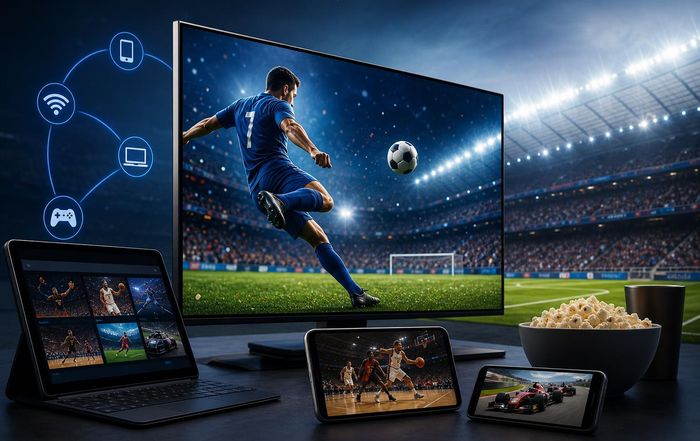
The rise of subscription platforms such as Netflix, Amazon Prime Video, and Disney's ESPN+ helped train consumers to expect frictionless streaming, but live sports has added unique layers of complexity and opportunity, especially as leagues from the NFL and NBA in the United States to the Premier League, La Liga, and the Bundesliga in Europe have experimented with exclusive digital rights deals and hybrid broadcast-streaming models. Organizations that once relied on linear television now face a consumer base that expects the flexibility to start a match on a smart TV, continue it on a smartphone during a commute, and finish on a laptop, all without buffering or quality loss, and this expectation now extends across the broader ecosystem of sports and fitness content that this site covers, from live events to training sessions, health insights, and brand storytelling. As a result, the streaming revolution is no longer a single-industry transformation; it is a structural realignment of how sports is produced, packaged, monetized, and experienced across sports, fitness, health, culture, and business.
From Passive Viewing to Active Participation
One of the most significant changes in fan expectations is the move from passive viewing to active participation, with streaming platforms increasingly judged not just on picture quality or rights portfolios but on the depth and richness of the experiences they enable around the core live feed. Fans now anticipate interactive overlays that allow them to track real-time statistics, review player performance metrics, and access contextual information that once required a separate device or a visit to sites like ESPN or BBC Sport; they expect personalization layers that adapt commentary, camera angles, and on-screen data to their preferences, and they look for chat, watch-party, and social features that replicate the communal feel of the stadium or sports bar in a digital environment.
This evolution has been accelerated by the normalization of second-screen behaviors and the integration of social platforms such as X (formerly Twitter), Instagram, TikTok, and YouTube into the live sports conversation, where highlights, memes, and real-time reactions circulate within seconds of a key play, reshaping the emotional arc of the event itself. Fans in markets as diverse as Brazil, Canada, Spain, and Singapore increasingly expect streaming services to build these social dynamics into the core product, rather than forcing them to juggle multiple apps, and they reward platforms that create a sense of co-presence and shared experience, whether through synchronized chat, interactive polls, or integrated fantasy and prediction games. For a global audience accustomed to social and cultural coverage on Sportsyncr, this shift underscores a broader trend: sports streaming is no longer just about delivering a signal; it is about orchestrating a live, participatory environment that blurs the line between media, community, and game.
Ultra-Personalization and the Data-Driven Fan Journey
As streaming infrastructures have matured, fan expectations have expanded from basic access to highly personalized journeys in which every interaction feels tailored, relevant, and responsive, mirroring the recommendation engines perfected by entertainment platforms and e-commerce leaders. Modern sports viewers in 2026 expect their streaming services to know which clubs they support, which athletes they follow, what time zones they live in, and even how they prefer to watch, whether through condensed highlights, tactical breakdowns, or long-form documentary storytelling similar to what Netflix achieved with series like "Drive to Survive" and Amazon developed through its "All or Nothing" franchise. In many ways, the sports experience is converging with the health and wellness ecosystem, where personalized training apps and wearables already leverage data to shape user journeys; readers of Sportsyncr who follow the platform's health and fitness verticals will recognize a common logic of data-driven customization now extending into live sports consumption.
To meet these expectations, leagues and platforms are investing heavily in data infrastructure, AI-driven recommendation systems, and advanced analytics that draw on both in-game data and user behavior, with organizations such as Stats Perform, Sportradar, and Opta becoming central to the value chain. Fans increasingly expect to be able to dive into performance metrics comparable to those highlighted on NBA.com or MLB's Statcast, and they anticipate that their streaming app will surface the most relevant live events, replays, and clips without requiring endless browsing. At the same time, this personalization raises new questions about privacy, data governance, and trust, particularly in regions such as the European Union, where regulations like the GDPR have established strict standards for data use; fans and regulators alike are scrutinizing how platforms balance personalization with transparency and consent, and this is reshaping the criteria by which sports streaming brands are judged as trustworthy and responsible actors in the broader digital economy.
Quality, Latency, and the Non-Negotiable Technical Benchmark
If personalization and interactivity define the new frontier of fan experience, fundamental technical performance remains the bedrock on which expectations are built, and by 2026, the tolerance for buffering, lag, or low-resolution feeds has collapsed across most major markets. Fans in the United States, United Kingdom, Australia, Japan, and South Korea, where high-speed broadband and 5G adoption are widespread, now treat 4K resolution, HDR color, and near real-time latency as standard for premium sports events, particularly for fast-paced competitions such as football, basketball, ice hockey, and esports. The rise of edge computing and content delivery networks, supported by infrastructure providers such as Akamai and Cloudflare, has made it technically feasible to deliver high-quality streams at scale, and organizations that fail to meet this benchmark face immediate backlash on social media and in app-store reviews, where negative sentiment can spread as quickly as a viral highlight.
Moreover, latency has become a critical competitive differentiator, especially as in-play betting, live social commentary, and synchronized multi-screen viewing have grown in importance, with fans now expecting their streams to be closely aligned with the real-time action they may be following through live score services such as Flashscore or Sofascore. Even a delay of a few seconds can undermine the integrity of betting markets, spoil key moments via push notifications, or disrupt the shared experience of a watch party, and this has pushed platforms to adopt low-latency streaming protocols and sophisticated synchronization technologies. For Sportsyncr readers who follow technology and science developments, the technical arms race behind the scenes is as significant as the visible changes in user interfaces, because it determines whether the promise of immersive, real-time sports streaming can be consistently delivered at global scale.
Global Reach and Local Relevance
Streaming has also rewritten the geography of sports fandom, and by 2026, fans in India, Thailand, Malaysia, South Africa, and Brazil can access top-tier European football, North American basketball, and global combat sports with a level of ease that was unthinkable a decade earlier, provided they can navigate the patchwork of regional rights and subscription models that still fragment the market. As rights holders seek to maximize revenue, they often split territories and platforms, leading to a complex landscape in which a fan in Germany might need multiple subscriptions to follow domestic football, international tournaments, and US-based leagues, while a supporter in Canada or New Zealand faces a different configuration of providers and blackout restrictions. Despite these complexities, the overarching expectation among fans is that major events should be accessible, legally and reliably, across borders, and this has fueled criticism when rights deals appear to prioritize exclusivity over accessibility, particularly for global events such as the Olympic Games or FIFA World Cup, which are covered extensively by outlets like Olympics.com and FIFA.
At the same time, fans demand local relevance in commentary, language, and cultural framing, and this has driven platforms to invest in region-specific commentary teams, localized studio shows, and tailored marketing campaigns that resonate with audiences in the Netherlands, France, Italy, Spain, and the Nordic countries such as Sweden, Norway, Denmark, and Finland. The expectation is no longer that a global English-language feed is sufficient; instead, fans expect localized storytelling and analysis that reflect their own sporting traditions, rivalries, and cultural references, often supplemented by coverage from trusted local media such as The Guardian's sport section in the UK or L'Équipe in France. For Sportsyncr, which serves a readership that spans world and news interests, this dual demand for global access and local nuance underscores the importance of editorial voices that can interpret global sports streaming trends through the lens of specific markets and cultures.
The Convergence of Sports, Fitness, and Health Content
Another dimension of changing fan expectations lies in the convergence of live sports streaming with broader fitness and health ecosystems, as audiences increasingly see themselves not only as spectators but as active participants who use streaming platforms for training, wellness, and performance improvement. The growth of connected fitness platforms such as Peloton, Apple Fitness+, and Nike Training Club, along with the widespread adoption of wearables from Apple, Garmin, Fitbit, and WHOOP, has conditioned users to expect high-quality streaming workouts, live and on-demand classes, and data-rich feedback loops that help them optimize their own performance. This has created an environment in which fans may watch an elite marathon on World Athletics or a cycling grand tour on Cyclingnews, then immediately transition to a guided run or ride inspired by the tactics and training methods they just observed.
For Sportsyncr, which integrates coverage across sports, fitness, and health, this convergence reflects a deeper realignment in consumer expectations: the same device and platform that delivers a Champions League match or an NBA playoff game is also expected to host yoga sessions, recovery routines, and evidence-based health content informed by organizations such as the World Health Organization or the Centers for Disease Control and Prevention. Fans are no longer satisfied with a one-dimensional viewing experience; they increasingly seek holistic ecosystems in which elite sport, personal fitness, and long-term wellbeing are interconnected, and they reward brands that help them translate inspiration into action, whether through integrated training plans, athlete-led masterclasses, or collaborations with sports medicine and performance experts.
New Revenue Models and the Economics of Attention
The shift to streaming has also transformed the economic foundations of sports, and fans are acutely aware of the trade-offs between subscription costs, advertising loads, and content availability, particularly as inflationary pressures and cost-of-living concerns have sharpened consumer scrutiny in markets such as the United States, United Kingdom, Germany, and Australia. In 2026, fans increasingly expect transparent, flexible pricing models that allow them to pay for what they actually watch, whether through team-specific passes, league bundles, event-based purchases, or tiered subscriptions that differentiate between ad-supported and ad-free experiences. The days when a single, expensive cable package could be justified as the only way to access sports are fading, and platforms that ignore this reality risk churn and reputational damage, especially among younger demographics in Europe, Asia, and South America who are more accustomed to modular, digital-first media consumption.
At the same time, advertisers and sponsors are rethinking how they engage fans within streaming environments that offer more precise targeting and measurement than traditional broadcast but also face higher expectations around relevance and intrusiveness. Brands such as Adidas, Nike, Puma, and Under Armour are experimenting with contextual overlays, shoppable moments, and integrated storytelling that align with the viewing experience rather than interrupt it, often informed by insights from industry analyses available through platforms like McKinsey & Company or Deloitte Sports Business Group. Fans increasingly expect advertising that feels additive rather than disruptive, and they are more willing to share data and engage with branded content when it clearly enhances their understanding of the game, supports their own training goals, or aligns with values such as sustainability and social impact, themes that Sportsyncr explores through its brands, business, and environment coverage.
Esports, Gaming, and the Redefinition of "Live Sport"
The integration of esports and gaming into mainstream sports streaming is another powerful force reshaping fan expectations, particularly among younger audiences in Asia, North America, and Europe, where platforms such as Twitch, YouTube Gaming, and Kick have normalized highly interactive, creator-driven live experiences. Fans who grew up watching streamers on Twitch or competitive events from leagues like Riot Games' League of Legends Championship Series or Valve's Dota 2 tournaments expect a level of direct engagement, chat interaction, and behind-the-scenes access that traditional sports broadcasting historically did not provide. As a result, when these same fans turn to football, basketball, or motorsport streams, they increasingly look for features such as live Q&A with commentators, player cams, tactical streams, and alternative commentary feeds that mirror the intimacy and interactivity of gaming culture.
This crossover is particularly relevant for Sportsyncr readers who follow gaming alongside traditional sports, as the boundaries between the two continue to blur; major football clubs in the Premier League, La Liga, and Serie A now field esports teams, while global tournaments in titles such as FIFA, NBA 2K, and Rocket League attract audiences that rival mid-tier traditional sports events. Fans increasingly expect unified platforms where they can follow both physical and digital competitions, track crossover athletes and creators, and engage with communities that span geographies from South Korea and China to France, Netherlands, and Brazil. In this context, "live sport" is no longer limited to what happens on grass, hardwood, or ice; it is a broader category of competitive entertainment in which streaming-native formats set the standard for engagement, interactivity, and fan agency.
Social Impact, Inclusion, and the Demand for Responsible Storytelling
Beyond technical performance and interactivity, streaming has also raised expectations around the social role of sports media, particularly in relation to inclusion, representation, and responsible storytelling. Fans in 2026 are more aware than ever of how coverage choices shape perceptions of gender, race, disability, and national identity, and they expect streaming platforms to reflect the full diversity of the sports ecosystem, from women's football and basketball to para-sport, grassroots initiatives, and emerging disciplines. The growth of women's competitions such as the UEFA Women's Champions League, the WNBA, and national leagues across Europe, North America, and Australia has been amplified by streaming deals that provide consistent, global access, often supplemented by editorial coverage on outlets such as The Athletic or Sky Sports. Fans now expect that major streaming platforms will treat women's and men's competitions with equal professionalism in production, promotion, and storytelling, and they are increasingly vocal when they perceive disparities.
This expectation extends to how streaming platforms address broader social issues, from racial justice and LGBTQ+ inclusion to environmental sustainability and athlete mental health, topics that the research and editorial team regularly examines through its culture, social, and environment lenses. Fans are no longer content with apolitical, surface-level coverage; they expect thoughtful, context-rich storytelling that acknowledges the social and economic forces shaping sports, whether that involves the environmental footprint of mega-events, the working conditions of stadium staff, or the political dynamics surrounding international tournaments. Streaming platforms that align themselves with credible standards of journalism and ethical storytelling, drawing on frameworks similar to those discussed by organizations like UNESCO or Amnesty International, are better positioned to earn long-term trust and loyalty from audiences who see sport as a reflection of broader societal values.
Jobs, Skills, and the Evolving Sports Media Workforce
As streaming reshapes fan expectations, it is also transforming the jobs and skills required to deliver modern sports experiences, creating new opportunities and challenges across production, technology, analytics, marketing, and editorial roles. Traditional broadcast skill sets remain valuable, but they are now complemented by expertise in cloud infrastructure, data science, user experience design, and interactive content creation, with organizations across the sports value chain-from leagues and clubs to technology vendors and agencies-competing for talent that can bridge the gap between sport and digital innovation. Professionals who once might have pursued careers solely in television production or journalism are increasingly building hybrid profiles that span live operations, social content, and product management, reflecting the multidisciplinary nature of streaming-era sports media.
For smart sport fans who follow jobs and career trends in the sports industry, this evolution underscores the importance of continuous upskilling and cross-functional collaboration, as well as the need for educational institutions and training programs to adapt their curricula. Universities and business schools in the United States, United Kingdom, Germany, Canada, and Singapore are expanding sports management and media programs to include modules on streaming technologies, digital marketing, and fan analytics, often drawing on case studies similar to those presented by the Sports Business Journal or the European Association for Sport Management. At the same time, the rise of remote and hybrid work models, accelerated by the pandemic years and sustained by digital workflows, is enabling talent from regions such as Africa, South America, and Southeast Asia to contribute to global sports streaming operations, further diversifying the perspectives and capabilities that shape the fan experience.
What Fans Will Expect Next-and How We Fit In?
Running onwards, the trajectory of fan expectations points toward even more immersive, integrated, and intelligent sports streaming experiences, in which augmented reality, virtual reality, and mixed reality environments allow fans to step virtually onto the pitch, court, or track, and in which AI-driven personalization dynamically adapts not only what they see but how they interact with the game and community. Experiments with virtual venues and metaverse-style environments by organizations such as Meta, Apple, and leading sports leagues suggest that future fans in North America, Europe, Asia, and beyond may choose between multiple layers of immersion, from a traditional linear feed to a fully spatial, interactive environment that blends live action with data visualization, social presence, and gamified engagement. As these technologies mature, expectations will rise accordingly, and the gap between best-in-class and average streaming experiences will become even more visible.
In this evolving landscape we occupy a distinctive position as a site that connects the daily dots between sports, fitness, health, culture, business, technology, and the environment, offering context and analysis that help fans, professionals, and brands understand not only what is happening on the field but how the underlying forces of streaming, data, and digital transformation are reshaping the entire ecosystem. By curating media insights across sports, business, technology, world, and sponsorship, and by maintaining a focus on experience, expertise, authoritativeness, and trustworthiness, Sportsyncr is positioned to guide its audience through the next phase of change, where streaming is not just a distribution method but the central arena in which fan expectations are set, challenged, and continually redefined.