

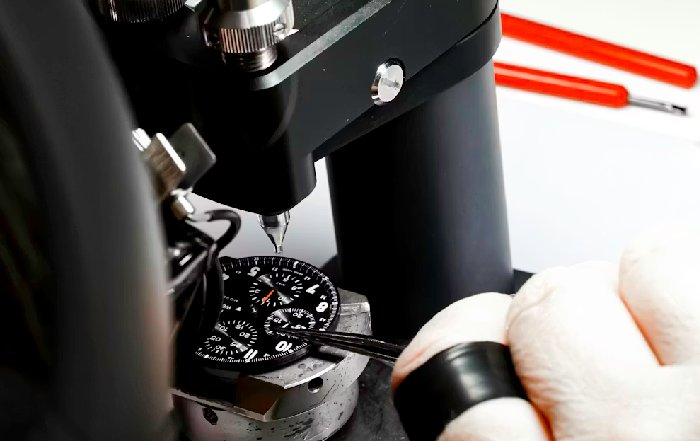
Watchmaking Precision in Official Olympic Sports Timing
The Convergence of Horology and High-Performance Sport
Official Olympic sports timing has evolved into one of the most demanding and scrutinized applications of precision engineering anywhere in the world, and the discipline now stands at the intersection of traditional watchmaking, advanced sensor technology, data science, and broadcast innovation. What began as mechanical chronographs and handheld stopwatches has become a deeply integrated ecosystem of timing systems, photo-finish cameras, wearables, and cloud analytics that must perform flawlessly on a global stage, under the constant gaze of athletes, federations, media, and billions of viewers.
At the heart of this evolution lies a lineage of horological expertise, led by companies such as OMEGA, TAG Heuer, Seiko, and Longines, whose reputations were forged in fine watchmaking and then tested in the unforgiving environment of elite sport. The Olympic Games, governed by the International Olympic Committee (IOC), have become both a proving ground and a showcase for this fusion of craftsmanship and technology, where fractions of a second can define legacies, reshape national narratives, and move global markets. For Sportsyncr, whose editorial mission connects sport, business, technology, and culture, the story of watchmaking precision in Olympic timing encapsulates many of the themes that matter most to its international audience.
From Mechanical Stopwatches to Electronic Mastery
The journey from mechanical to electronic timing in the Olympic context illustrates how traditional horological expertise laid the groundwork for today's integrated timing infrastructure. In the early twentieth century, timekeepers relied on mechanical stopwatches whose accuracy depended on the quality of their escapements, the stability of their balance springs, and the skill of the officials operating them. The limitations of human reaction time meant that even the most refined mechanical device could not guarantee the consistency now expected in elite competition.
The breakthrough came when OMEGA introduced fully electronic timing to the Olympic Games in the mid-twentieth century, gradually displacing hand-timed results and establishing the foundation for automated start and finish detection. The company's historical role, documented by OMEGA itself and recognized by the IOC, transformed the industry's expectations of what sports timing could be, shifting the discussion from tenths of a second to hundredths and then thousandths. Readers can explore how this progression influenced modern sport by reviewing the historical archives of the Olympic Games and their evolving technical regulations.
This transition did not eliminate the role of horology; instead, it redefined it. The same obsession with stability, temperature compensation, materials science, and calibration that guided high-end watchmaking now informs the design of quartz oscillators, timing servers, and synchronized sensor networks. Organizations such as the National Institute of Standards and Technology (NIST) in the United States and the Physikalisch-Technische Bundesanstalt (PTB) in Germany have contributed to global timing standards, and their work underpins the reliability of sports timing systems that must align with internationally recognized time scales. Those interested in the metrology underpinning precision timing can learn more from institutions like NIST and the International Bureau of Weights and Measures.
The Architecture of Modern Olympic Timing Systems
In 2026, the timing infrastructure for the Olympic Games is a multilayered architecture that blends hardware, software, and networked services into a resilient and redundant ecosystem. At its core are master clocks, often disciplined by GPS or more advanced satellite systems and sometimes cross-checked against atomic time references, that serve as the authoritative time base for all competition venues. These master clocks distribute time signals across fiber-optic networks to starting blocks, touchpads, photo-finish cameras, and scoring systems, ensuring synchronization within microseconds.
In track and field, starting pistols have largely been replaced by electronic start systems that emit sound through speakers behind each lane, while simultaneously sending a start signal directly to the timing system. This eliminates discrepancies caused by sound travel and human perception, crucial in sprint events where races are now often decided by one or two thousandths of a second. The World Athletics governing body has codified strict rules for false starts, reaction times, and timing granularity, and these regulations drive both hardware design and software validation. Readers can delve into these technical standards by visiting World Athletics and examining its competition rules.
In swimming, touchpads at the end of each lane convert the physical contact of a swimmer's hand into an electrical signal, which is then processed by the central timing system. The sensitivity of these touchpads must be finely tuned to avoid false triggers from waves or accidental contacts, while still registering legitimate finishes from the lightest of touches. The World Aquatics federation (formerly FINA) works closely with timing partners to certify equipment and ensure uniformity across venues, a process that underscores the importance of consistent calibration and rigorous testing.
Winter sports add another layer of complexity. In downhill skiing and skeleton, where athletes reach extreme speeds on steep and icy courses, timing systems must be robust against cold, vibration, and physical impacts while maintaining connectivity over long distances. Start gates, intermediate timing points, and finish beams must all align to the same time base, and redundancy is essential, as environmental conditions can quickly degrade individual components. The International Ski and Snowboard Federation (FIS) sets out stringent technical requirements for timing providers, and those interested in the engineering challenges of alpine timing can review these on the FIS website.
Watchmaking DNA in Digital Precision
Despite the dominance of electronics and software in current timing systems, the underlying philosophy remains deeply rooted in watchmaking. High-end mechanical watchmakers have always wrestled with the constraints of physics, from temperature-sensitive metals to the effects of shock and magnetism on oscillating systems. These same considerations now influence the design of quartz oscillators and digital circuitry used in Olympic timing, where stability over the duration of an event and across multiple days of competition is paramount.
The concept of chronometry, or the precise measurement of time, has migrated from mechanical competitions such as the historical observatory trials in Switzerland to the domain of sports technology. Companies like Rolex, Patek Philippe, and Audemars Piguet have long promoted their mastery of chronometric performance in the luxury segment, while timing specialists like OMEGA and TAG Heuer have taken that expertise into stadiums, pools, and ski slopes. The Fédération de l'industrie horlogère suisse (FH) and institutions such as the Contrôle Officiel Suisse des Chronomètres have helped formalize chronometer standards, and the mindset behind these certifications aligns closely with the validation protocols used for Olympic timing devices.
In addition, the materials innovation pioneered in contemporary watchmaking-such as silicon balance springs, advanced ceramics, and novel alloys-has informed the creation of durable, temperature-stable components for sensors and housings in timing systems. The same drive to minimize friction, reduce wear, and maintain performance over long periods translates directly into the reliability requirements of Olympic venues, where failure is not merely an inconvenience but a potential crisis with reputational and legal consequences.
Data, Analytics, and the New Spectator Experience
The contemporary Olympic timing ecosystem extends far beyond the simple measurement of elapsed time. Every sensor, starting device, and camera now feeds into a broader data platform that supports real-time analytics, athlete performance evaluation, and enriched broadcast experiences. This expansion has transformed official timekeepers from background service providers into central technology partners whose outputs shape narratives across television, digital platforms, and social media.
Timing data is now integrated into advanced graphics systems that overlay live broadcasts with split times, velocity profiles, stroke rates, and biometric indicators, allowing broadcasters like NBC Sports, BBC Sport, and Eurosport to tell more sophisticated stories about performance and strategy. Interested readers can see how these organizations present in-depth Olympic coverage by visiting platforms such as BBC Sport and NBC Olympics. The precision and reliability of timing data underpin not only medal decisions but also the credibility of these storytelling layers, which in turn influence fan engagement and commercial value.
For athletes and coaches, the same data streams are captured, stored, and analyzed in training environments that mirror competition conditions. High-performance centers around the world, from the United States Olympic & Paralympic Committee (USOPC) facilities in Colorado Springs to institutes in the United Kingdom, Germany, Australia, and Japan, rely on timing-derived metrics to fine-tune starts, turns, pacing strategies, and equipment choices. Readers with an interest in performance science can explore related research at organizations like the Australian Institute of Sport or through scientific publishers such as Springer Nature, where sports technology and biomechanics are active fields of study.
For Sportsyncr, whose coverage spans fitness, health, and science, the data-driven dimension of timing technology illustrates how elite insights filter into consumer wearables, connected gym equipment, and digital coaching platforms. The same principles that govern split-second decision-making in Olympic finals now inform everyday training plans, recovery protocols, and wellness tracking for amateur athletes worldwide.
Governance, Integrity, and Trust in Results
The credibility of Olympic sport depends on trust in the integrity of results, and timing systems sit at the center of that trust architecture. In a global environment where competitive stakes are enormous and geopolitical tensions often surface through sport, the impartiality and transparency of timing providers are subject to intense scrutiny. The Court of Arbitration for Sport (CAS), national Olympic committees, and international federations all rely on timing logs and technical reports when disputes arise, whether over photo-finish interpretations, false start rulings, or equipment malfunctions.
To maintain confidence, official timekeepers must adhere to strict governance frameworks, including independent testing, certification, and post-event audits. Many of these processes draw on best practices from broader technology and cybersecurity standards, such as those published by the International Organization for Standardization, which provides guidelines for quality management, information security, and risk assessment. The increasing digitization of timing systems has elevated concerns about data integrity, potential cyber threats, and system resilience, prompting closer collaboration between timing providers, organizing committees, and national cybersecurity agencies.
Ethical considerations also extend to fairness across regions and events. Ensuring that the same level of technological sophistication is deployed in preliminary rounds and smaller venues, often located outside the main host city, is essential for maintaining competitive equity. This requirement is particularly relevant as the Olympics continue to expand into new territories across Asia, Africa, and South America, where infrastructure conditions can vary widely. For a global readership that follows developments across world sport and news, understanding how timing integrity is safeguarded provides insight into the broader governance of major events.
Commercial Value, Sponsorship, and Brand Positioning
Official timekeeping at the Olympic Games has become a powerful commercial platform, where brands leverage their technical roles to enhance perceptions of precision, reliability, and innovation. Companies like OMEGA have built multi-decade partnerships with the IOC, turning the phrase "Official Timekeeper" into a central element of their global marketing narratives. These relationships sit at the intersection of sports sponsorship, luxury branding, and technology leadership, and they reflect broader trends in how companies seek to align themselves with high-performance environments.
From a business perspective, official timekeeping is both a revenue-generating sponsorship asset and a catalyst for product development. Limited-edition Olympic watches, special collections, and co-branded campaigns allow watchmakers and technology firms to capitalize on heightened consumer interest during Games cycles, particularly in key markets such as the United States, United Kingdom, Germany, China, Japan, and Brazil. Those interested in the commercial dynamics of global sports sponsorship can explore industry analyses from organizations like Deloitte and PwC, which regularly publish reports on the sports business landscape.
For Sportsyncr, which covers brands, sponsorship, and jobs in sport, the official timekeeping space offers a lens into evolving career opportunities and partnership models. Data scientists, systems engineers, broadcast integration specialists, and commercial strategists all play critical roles in delivering and monetizing timing solutions, and the sector's continued growth suggests a robust pipeline of roles across Europe, North America, Asia, and emerging markets.
Regional Perspectives and Global Reach
While the Olympic Games are inherently global, the development and deployment of timing technology reflect distinctive regional strengths and priorities. Switzerland remains the symbolic and practical epicenter of high-end watchmaking and sports timing, hosting many of the industry's most influential brands and technical suppliers. Neighboring European countries such as Germany, France, and Italy contribute through precision engineering, optics, and advanced manufacturing, while the United Kingdom and the Netherlands provide expertise in data analytics, broadcast technology, and event operations.
In Asia, Japan and South Korea have long traditions of innovation in electronics and timekeeping, with companies like Seiko and Citizen shaping both consumer markets and professional timing solutions. China and Singapore have emerged as key hubs for manufacturing, logistics, and technology integration, supporting the scaling of timing infrastructure for mega-events and regional competitions. Australia and New Zealand, with their strong sporting cultures and advanced research ecosystems, have become test beds for integrating timing data into high-performance programs and fan engagement platforms.
Africa and South America, led by countries such as South Africa and Brazil, are increasingly important markets for sports technology adoption, driven by growing middle classes, digital connectivity, and the legacy of hosting major tournaments. As the Olympic movement continues to prioritize inclusivity and geographic diversity, the need for adaptable, cost-effective timing systems that can operate reliably in varied climates and infrastructure conditions will only increase. Organizations like the World Bank and UNESCO have highlighted the broader role of sports infrastructure in social and economic development, reinforcing the importance of technology that is both world-class and accessible.
Sustainability, Environment, and Long-Term Responsibility
The environmental footprint of major sporting events has come under intense scrutiny, and timing providers are not exempt from the broader push toward sustainability. Energy consumption, equipment transport, material choices, and end-of-life management all factor into the lifecycle assessment of timing systems. As host cities commit to stricter environmental targets and align with frameworks such as the Paris Agreement, official timekeepers are expected to demonstrate tangible progress in reducing emissions and waste.
This has led to innovations in modular system design, enabling components to be reused across multiple events and adapted to different sports with minimal reconfiguration. Advances in low-power electronics, solar-assisted installations, and recyclable materials are increasingly incorporated into timing solutions, mirroring trends in consumer electronics and sustainable manufacturing. Those who wish to learn more about sustainable business practices can consult resources from organizations like the World Economic Forum and the United Nations Environment Programme, which provide guidance on corporate responsibility and green innovation.
For Sportsyncr, with its dedicated focus on the environment and the intersections between sport, climate, and society, the sustainability dimension of timing technology is an important narrative thread. It reveals how even highly specialized technical services must adapt to broader environmental expectations, and how innovation in one niche can influence best practices across the sports industry.
The Next Frontier: AI, Wearables, and Immersive Experiences
Looking ahead from 2026, the next chapter of Olympic timing will be shaped by artificial intelligence, advanced wearables, and immersive fan experiences that blur the boundaries between measurement, storytelling, and participation. Machine learning algorithms are already being applied to refine photo-finish interpretation, detect anomalies in timing data, and predict potential system failures before they occur. These systems learn from historical competition data, environmental conditions, and equipment behavior, enhancing both accuracy and resilience.
Wearable technology, from smart bibs and instrumented footwear to biometric sensors integrated into swimsuits or helmets, is poised to extend the reach of official timing beyond the start and finish lines. While regulatory bodies must carefully manage any competitive implications, there is growing interest in using authenticated data streams to enrich broadcasts, digital apps, and virtual reality experiences. Technology companies and gaming platforms are experimenting with synchronized data feeds that allow fans to experience races from the athlete's perspective, with timing information driving haptic feedback, visual overlays, and interactive challenges. Those who follow developments in digital entertainment and esports can explore how these trends intersect at sites such as The Verge or Wired, which frequently cover the convergence of gaming, sport, and technology.
For Sportsyncr, whose coverage extends into gaming, social engagement, and broader technological innovation, this emerging landscape offers rich storytelling opportunities. The same precision that once lived solely in chronographs and timing booths is now diffusing into global fan communities, youth participation programs, and hybrid physical-digital experiences that redefine what it means to watch and play sport.
Ending Conclusion: Precision as a Strategic Asset
Watchmaking precision in official Olympic sports timing has evolved from a technical necessity into a strategic asset that shapes competitive integrity, commercial value, and fan engagement across continents. The fusion of horological expertise, advanced engineering, and data science has created systems that not only determine medals but also inform training methodologies, enable sophisticated storytelling, and support new business models in sponsorship and technology.
As the Olympic movement navigates a complex global landscape-balancing tradition and innovation, sustainability and spectacle, local impact and worldwide reach-the role of timing providers will continue to expand. Their work touches everything from business strategy and technology development to culture, health, and social connection, mirroring the multidisciplinary interests of the Sports News audience.
In this environment, the essence of watchmaking-an unwavering commitment to accuracy, reliability, and trust-remains as relevant as ever. Whether embodied in a mechanical movement crafted in the Swiss Jura or a network of synchronized sensors spanning an Olympic city, precision timekeeping continues to define the margins where history is written, careers are made, and the world comes together to measure the very best of human performance.