

How Boutique Fitness and Niche Sports Brands Are Rewriting the Global Wellness Playbook in 2026
In 2026, the global fitness and wellness economy is no longer defined by big-box gyms and uniform training programs; it is being reshaped by a powerful convergence of boutique fitness studios, niche sports brands, and technology-enabled communities that now sit at the center of how people around the world live, work, travel, and connect. For the audience of Sportsyncr, which spans sports, health, fitness, culture, business, technology, and global trends, this transformation is not an abstract shift but a lived reality that influences how professionals make decisions about their time, money, and identity.
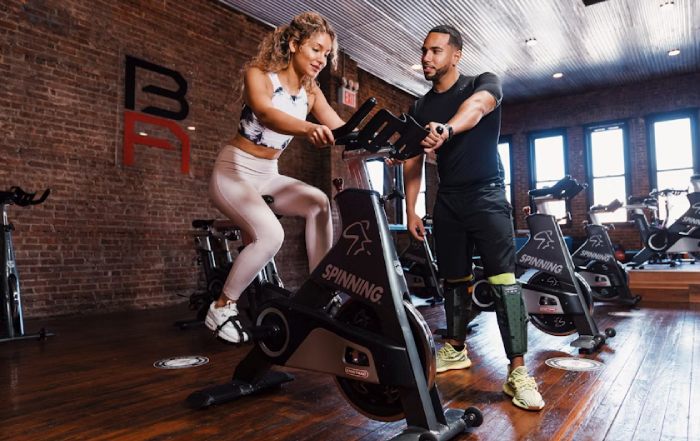
Boutique fitness has evolved from a premium alternative into a structural force within the wellness economy, redefining value around experience, personalization, and meaning. Where traditional gym chains once competed on price, equipment, and scale, the leading edge of the market now competes on emotional resonance, scientific credibility, digital fluency, and cultural relevance. In this environment, brands such as Equinox's SoulCycle, Barry's Bootcamp, F45 Training, 1Rebel, Orangetheory Fitness, and Solidcore have become not just service providers but influential cultural institutions that shape behavior, aesthetics, and aspiration. For business leaders, investors, and policymakers who follow developments through platforms like Sportsyncr's business coverage, understanding this shift has become essential to interpreting the broader trajectory of the global wellness and sports industry.
Experience and Technology as the New Competitive Moat
The most successful boutique fitness operators in 2026 are those that have mastered the fusion of immersive in-person experience with sophisticated digital infrastructure. High-end studios now design every detail of the environment-from lighting and acoustics to scent, material finishes, and spatial choreography-to create an atmosphere closer to hospitality and entertainment than to the industrial gyms of the early 2000s. At the same time, their digital touchpoints, from booking apps to performance dashboards, are engineered to feel as seamless as leading consumer technology platforms.
Brands such as Peloton have demonstrated how hybrid ecosystems can scale beyond geography, creating communities that span continents while preserving a sense of intimacy and coaching quality. The integration of connected hardware, on-demand content, and live instruction has inspired a wave of innovation from players like Tonal, Hydrow, and the now fully integrated Mirror within Lululemon's ecosystem, each using adaptive resistance, motion tracking, or AI-driven feedback to personalize training. For readers exploring the broader intersection of sport and innovation, resources like Sportsyncr's technology section and platforms such as MIT Technology Review and Wired provide additional context on how these technologies have matured.
Wearables and biometric platforms have become the connective tissue of this ecosystem. Whoop, Oura Ring, Garmin Connect, Apple Health, and Google Fit now act as centralized data hubs, aggregating sleep, recovery, activity, and cardiovascular metrics that studios can use to refine programming. Boutique operators increasingly design classes that integrate live heart rate or power output displays, not only for accountability but to enhance engagement and gamification. This data-centric approach creates a feedback loop in which performance, recovery, and adherence are continuously measured, analyzed, and translated into tailored recommendations, strengthening the perception of expertise and trustworthiness that discerning consumers demand.
Localization, Wellness Tourism, and the New Geography of Fitness
While many of the leading boutique brands have global footprints, their success hinges on hyper-local execution. Barry's Bootcamp, which began in Los Angeles, has learned to adapt its "Red Room" concept to markets as diverse as London, Milan, Dubai, and Singapore by employing local instructors, curating regionally relevant playlists, and integrating cultural design cues. F45 Training, originating in Australia, has expanded across North America, Europe, Asia, and the Middle East through a flexible franchise model that allows owners to localize community engagement and class culture while maintaining standardized programming and technology.
This emphasis on localization aligns closely with the growth of wellness tourism, which has become a defining feature of the post-pandemic travel economy. Affluent travelers increasingly seek destinations that combine high-end hospitality with structured wellness and fitness experiences. Properties such as Lanserhof in Germany, SHA Wellness Clinic in Spain, Kamalaya in Thailand, and Chiva-Som have become benchmarks in integrated health retreats, often incorporating boutique-style group training, diagnostics, and personalized coaching into their offerings. Industry observers can track these developments via platforms like the Global Wellness Institute and World Travel & Tourism Council, which document the economic impact of wellness travel across Europe, Asia, and the Americas.
For Sportsyncr readers following global dynamics, the connection between boutique fitness and mobility is increasingly relevant. Urban professionals from the United States, United Kingdom, Germany, France, Singapore, and the United Arab Emirates now expect continuity of experience when they travel, seeking out familiar brands or local analogues that match the quality and ethos of their home studios. This trend reinforces the role of boutique fitness as a global cultural language, while regional operators leverage it to attract both residents and international visitors, a pattern regularly reflected in Sportsyncr's world coverage.
Cultural Identity, Social Media, and the Aesthetic of Belonging
Boutique fitness has become one of the most visible intersections of culture, media, and commerce. Studios are no longer designed solely for training efficiency; they are built as stages for storytelling, self-expression, and digital sharing. Platforms such as Instagram, TikTok, and YouTube have turned classes into content and members into informal brand ambassadors, with the visual aesthetics of studios-neon signage, murals, architectural lighting, and branded apparel-crafted to photograph and film well.
Brands like SoulCycle, Rumble Boxing, 1Rebel, and Solidcore have cultivated distinctive visual and emotional signatures that are instantly recognizable across social feeds. Their communities often function as microcultures, each with its own lexicon, rituals, and values. This cultural embedding has been amplified by collaborations with apparel and footwear giants such as Lululemon, Alo Yoga, Nike, and Adidas, which have shifted decisively into the "athleisure" and lifestyle segments. Consumers now wear performance garments not only in the studio but in offices, cafés, airports, and co-working spaces, blurring the line between sport and everyday life.
For those tracking the cultural implications of this shift, Sportsyncr's culture hub and outlets like The Business of Fashion and Hypebeast highlight how fashion, identity, and movement have converged into a unified lifestyle narrative. This narrative is especially visible among younger professionals in North America, Europe, and Asia-Pacific, who use brand affiliation and studio membership as subtle markers of taste, values, and social belonging.
Economics, Premium Positioning, and Platform Effects
From an economic standpoint, boutique fitness has proven that smaller physical footprints can generate disproportionate revenue and loyalty when combined with strong brand equity and high perceived value. Traditional gyms rely on low-margin, high-volume models that assume a significant percentage of inactive members. By contrast, boutique studios typically charge premium per-class or membership fees, operate with limited capacity, and focus on high utilization of prime time slots.
According to analyses from organizations such as the Global Wellness Institute and consulting firms like McKinsey & Company, boutique and specialized fitness concepts have consistently outpaced traditional gyms in revenue growth over the past decade, even accounting for pandemic-related disruptions. Consumers in major urban centers-from New York and Toronto to London, Stockholm, Singapore, and Sydney-have demonstrated a willingness to pay significantly more for experiences that combine expert coaching, community, and personalization. This willingness is reinforced by the growing recognition of exercise as a central pillar of mental health, productivity, and long-term resilience, themes regularly explored in Sportsyncr's health coverage.
Digital aggregators and booking platforms such as ClassPass, Mindbody, and Gympass have played a central role in accelerating this shift by lowering the discovery barrier for smaller studios and enabling flexible access models. These platforms, which now integrate with corporate wellness schemes and employer benefit programs, have helped boutique studios tap into enterprise demand while diversifying their revenue base. At the same time, they have introduced a new layer of competition and price transparency, requiring studios to differentiate more clearly on experience, coaching quality, and brand narrative.
Regional Growth, Emerging Markets, and Demographic Shifts
The geography of boutique fitness growth in 2026 reflects broader socio-economic trends. The United States remains the largest single market, with dense ecosystems in metropolitan regions such as New York, Los Angeles, Miami, and Austin. The United Kingdom, Germany, France, the Netherlands, and the Nordics have become European hotspots, with cities like London, Berlin, Amsterdam, Stockholm, and Copenhagen embracing concepts that integrate minimalist design, sustainability, and community into compact urban spaces.
In Asia, the sector has entered a phase of rapid sophistication. Singapore, Seoul, Tokyo, Bangkok, and Hong Kong now host a mix of imported brands and homegrown concepts tailored to local work habits and cultural norms. Ritual Gym in Singapore, for example, built its model around efficient 30-minute sessions optimized for time-constrained professionals, while Japanese and Korean studios have integrated elements of precision, hospitality, and technology into their offerings. China's tier-one and tier-two cities have seen an explosion of boutique and digital-first fitness platforms, amplified by social commerce ecosystems around WeChat, Douyin, and Little Red Book.
Demographically, boutique fitness has expanded far beyond its early base of affluent, urban millennials. In markets such as Canada, Australia, Scandinavia, and the United States, operators are now targeting Gen Z consumers with gamified, tech-forward experiences and flexible pricing, while also developing specialized programs for older adults, youth athletes, and specific professional groups. This broadening of the addressable market is closely linked to a growing public understanding of exercise science and preventive health, supported by research from institutions like the World Health Organization and Harvard T.H. Chan School of Public Health. Readers interested in how these scientific insights translate into training approaches can explore complementary analysis via Sportsyncr's fitness section.
Sustainability, Ethics, and Environmental Alignment
As environmental concerns have intensified, sustainability has moved from the periphery to the core of brand strategy in boutique fitness. Studios in cities such as London, Amsterdam, Zurich, Copenhagen, and Vancouver are increasingly designed with low-carbon materials, energy-efficient systems, and circular-economy principles. 1Rebel has become well known for its use of reclaimed materials and bold, industrial-chic interiors, while Terra Hale in London has pioneered gyms that generate electricity from members' workouts, directly linking personal effort to renewable energy production.
Consumers, particularly in Europe, North America, and parts of Asia-Pacific, now scrutinize the environmental footprint of their lifestyle choices, from apparel and equipment to travel and nutrition. Operators that align their practices with global frameworks such as the UN Sustainable Development Goals and adopt verifiable standards on emissions, waste, and supply chain ethics are increasingly seen as more trustworthy. This alignment extends beyond physical spaces to digital infrastructure, with some brands exploring green hosting solutions and carbon offsets for large-scale streaming. For those tracking the convergence of sport, environment, and responsibility, Sportsyncr's environment vertical sits alongside resources like CDP and UNEP as a lens into emerging best practices.
Inclusivity, Social Impact, and the Redefinition of Strength
One of the most powerful contributions of boutique fitness has been its role in challenging narrow definitions of athleticism and body image. Studios founded or led by women and underrepresented groups have reframed exercise as a practice grounded in empowerment, mental health, and community rather than punishment or aesthetic conformity. SoulCycle, co-founded by Elizabeth Cutler and Julie Rice, helped redefine group cycling as a space for emotional release and collective motivation. Concepts like Barre3, The Class by Taryn Toomey, and Physique 57 have emphasized mindfulness, self-acceptance, and functional strength, resonating with participants who previously felt excluded from traditional gym culture.
Inclusivity now extends across gender identities, sexual orientation, age, ability, and neurodiversity. Studios increasingly design classes and spaces that are accessible to people with disabilities, offer gender-neutral facilities, and cultivate explicit codes of respect and safety. Partnerships with advocacy organizations and community groups help ensure that these commitments translate into practice rather than remaining marketing rhetoric. This evolution aligns with a broader societal shift toward equity and representation, themes that are regularly explored in Sportsyncr's social coverage and in analyses by organizations such as Women in Sport and Human Rights Watch.
Data, AI, and the Architecture of Personalization
Artificial intelligence and advanced analytics now sit at the operational core of many boutique fitness businesses. On the front end, AI-powered recommendation engines propose classes, instructors, and difficulty levels based on a user's historical performance, preferences, and biometric indicators. On the back end, predictive models help operators optimize pricing, staffing, and scheduling, while churn prediction algorithms identify at-risk members and trigger targeted engagement campaigns.
Brands like Tonal, Peloton, Les Mills+, and FitXR leverage machine learning to adapt training loads, suggest recovery intervals, and even adjust music and pacing in real time. Some studios are experimenting with computer vision for form correction, offering on-screen cues or haptic feedback that complements human coaching. Virtual reality fitness platforms, including Supernatural VR and Les Mills Immersive, use spatial audio and immersive visuals to transport users into simulated environments, turning high-intensity training into an experiential journey.
The increasing sophistication of these tools raises important questions about data privacy, algorithmic bias, and digital well-being. Leading operators are responding by adopting transparent data policies, obtaining explicit consent, and aligning with regulatory frameworks such as the EU's GDPR and emerging AI governance standards. Industry participants and observers can track the regulatory and ethical landscape through sources like the OECD AI Observatory and World Economic Forum, alongside performance-focused perspectives available via Sportsyncr's science section.
Cross-Industry Collaboration and the Expansion of the Ecosystem
Boutique fitness has increasingly become a nexus for collaboration across hospitality, real estate, media, and consumer goods. Luxury hotel groups such as Four Seasons, W Hotels, and 1 Hotels now integrate branded studios or pop-up experiences from Barry's Bootcamp, Rumble Boxing, and yoga or Pilates concepts, recognizing that high-value travelers expect continuity in their training routines. Residential developers in markets like New York, London, Dubai, and Singapore are incorporating boutique-style facilities and programming into mixed-use projects to differentiate their offerings and foster community.
In the digital domain, collaborations between fitness brands and streaming or entertainment platforms are reshaping content consumption. Nike Training Club's partnership with Netflix and Equinox's integrations with Apple Fitness+ exemplify how storytelling, music, and performance data can converge into cohesive experiences that extend beyond the studio. Beverage companies, consumer health brands, and even gaming publishers now view boutique fitness communities as strategic channels for reaching highly engaged, health-conscious audiences.
For professionals tracking sponsorship, brand strategy, and cross-industry deals, Sportsyncr's sponsorship hub and resources like Sports Business Journal and Front Office Sports offer ongoing insights into how these partnerships are structured and monetized. The result is an ecosystem in which fitness is no longer a standalone category but an integral layer of broader lifestyle, media, and urban development strategies.
Health, Science, and the Deepening of Mind-Body Integration
Underpinning the credibility of boutique fitness in 2026 is a much stronger grounding in exercise science, psychology, and recovery research. Leading brands collaborate with universities, sports institutes, and medical professionals to validate their programming and differentiate themselves from fads. Equinox's Precision Training Program, Les Mills' Smart Start, and F45's Prodigy initiative for youth athletes are examples of efforts to align class design with evidence-based principles on load management, progression, and injury prevention.
Recovery has moved from a peripheral service to a central pillar of the value proposition. Infrared saunas, cryotherapy, compression therapy, red-light treatments, and guided breathwork are increasingly integrated into studio ecosystems, either in-house or via partnerships with specialized providers. This reflects a broader understanding, supported by organizations such as the American College of Sports Medicine and UK Sport, that performance, longevity, and mental health are inseparable.
Mindfulness and mental skills training are now embedded into many class formats, particularly in yoga, Pilates, and hybrid modalities that combine strength, mobility, and meditation. Digital platforms like Alo Moves and in-person operators such as CorePower Yoga have helped normalize practices such as intention-setting, breath-led movement, and post-class reflection among corporate professionals and high-performance individuals. For readers who follow these developments through Sportsyncr's health and sports sections, the trajectory points toward a future in which mental and physical training are viewed as a single, integrated discipline.
Looking Ahead: The Next Chapter for Boutique Fitness and Sportsyncr's Audience
As 2026 unfolds, several structural trends suggest how boutique fitness and niche sports brands will continue to evolve over the coming decade. Hybrid models that blend in-person intimacy with digital scalability are likely to become the norm rather than the exception, with AI-enhanced coaching augmenting human expertise rather than replacing it. Cross-border collaborations will intensify as brands leverage wellness tourism, global festivals, and pop-up formats to reach new audiences in Europe, Asia, the Middle East, Africa, and the Americas. Inclusivity, accessibility, and representation will remain central markers of trust and relevance, as consumers hold brands to higher standards of authenticity and social responsibility.
Environmental stewardship will increasingly distinguish leaders from laggards, with studios expected to demonstrate measurable progress on energy use, materials, and supply chains. At the same time, the integration of gaming mechanics, digital collectibles, and interactive media will deepen engagement among younger demographics, blurring boundaries between fitness, esports, and entertainment. For professionals navigating careers in this expanding ecosystem-from trainers and operators to technologists, investors, and policy specialists-platforms such as Sportsyncr's jobs section and global resources like LinkedIn and Indeed highlight the growing diversity of roles and skills now in demand.
For Sportsyncr, the boutique fitness revolution is not merely a topic of coverage but a lens through which to understand the wider transformation of sport, health, culture, business, technology, and the environment. Whether examining how AI reshapes training, how sustainability standards evolve, how brands build trust in new markets, or how communities find meaning through movement, the themes emerging from boutique fitness are increasingly the themes shaping the broader sports and wellness landscape. Readers seeking to stay ahead of these shifts can continue to explore interconnected perspectives across Sportsyncr's homepage, drawing on dedicated coverage of news, brands, gaming, and more.
In this new era, success in fitness is no longer measured solely by physical outcomes or membership counts, but by the depth of trust, the rigor of expertise, and the quality of experiences that brands deliver consistently across channels and continents. Boutique fitness and niche sports brands have shown that when movement is anchored in community, science, technology, and purpose, it becomes far more than a routine; it becomes a durable framework for individual and collective well-being in a complex, fast-changing world.