

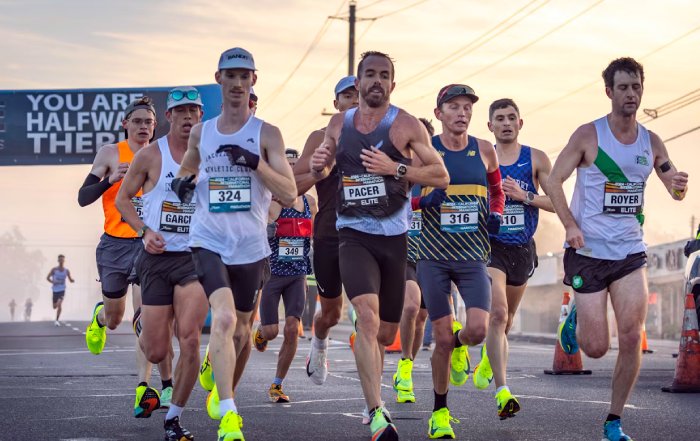
The Role of Crowdfunding in Supporting Amateur Athletes
A New Financial Lifeline for the Amateur Sports World
Crowdfunding has moved from a niche experiment to a central pillar in how amateur athletes across the world finance their careers, build their personal brands, and connect with communities that extend far beyond local clubs or national borders. For many emerging competitors, particularly in sports where traditional sponsorship remains limited or heavily concentrated on elite professionals, the rise of digital funding platforms has been nothing less than transformative, reshaping pathways from grassroots participation to international competition and redefining how fans engage with the athletes they admire.
For a platform like Sportsyncr, which sits at the intersection of sports, business, technology, and social impact, the evolution of crowdfunding is not just a financial story; it is a story about access, equity, data, and trust in a rapidly changing global sports ecosystem. As more athletes from the United States, the United Kingdom, Germany, Canada, Australia, and emerging markets in Asia, Africa, and South America seek to turn ambition into achievement, crowdfunding has become a tool that blends entrepreneurial savvy with community-driven support, challenging long-standing assumptions about who gets to pursue sporting excellence and under what conditions.
The Economic Reality Facing Amateur Athletes
Behind the glamour of global events and professional leagues lies a stark economic reality for the majority of athletes who compete below the top tiers. Travel, coaching, nutrition, equipment, medical support, and sport-specific technology represent substantial and ongoing costs, while income streams for amateur and semi-professional competitors are often uncertain, irregular, or entirely absent. In many Olympic and non-mainstream sports, even national champions struggle to cover the basic expenses required to train and compete at an international level.
Research from organizations such as the International Olympic Committee and national bodies like UK Sport and Sport Canada has repeatedly highlighted that a significant portion of elite hopefuls either rely on family support, personal savings, or part-time employment that competes with training time. Interested readers can explore data on athlete funding models through institutions like the IOC and UK Sport, which outline how centralized funding is typically reserved for athletes already identified as medal contenders, leaving a wide gap for those on the margins or in emerging disciplines.
In this context, crowdfunding has emerged as a bridge between aspiration and opportunity, enabling athletes to convert social capital, storytelling ability, and digital presence into tangible financial resources. It is not a complete solution to systemic funding shortfalls, but it is increasingly a critical component of the financial toolkit for athletes from Europe, North America, Asia, and beyond.
From Donations to Participation: How Crowdfunding Models Have Evolved
The earliest wave of sports-related crowdfunding around the early 2010s largely resembled digital donation drives, where athletes or teams would create simple campaigns on platforms such as GoFundMe, Kickstarter, or Indiegogo, appealing to friends, family, and sympathetic strangers to subsidize travel to competitions or purchase essential equipment. Over time, these models evolved into more sophisticated offerings that mirrored startup funding strategies, loyalty programs, and membership communities.
By 2026, leading crowdfunding platforms and specialized sports-focused services have broadened the toolkit available to athletes to include recurring patronage models similar to those popularized by platforms like Patreon, equity-style arrangements for sports-related ventures, and integrated merchandise or digital asset sales. Those seeking to understand this evolution can learn more about the broader crowdfunding landscape through analysis from organizations such as the World Economic Forum, which tracks trends in digital finance and participatory investment.
For amateur athletes, the shift from one-off campaigns to ongoing supporter relationships has been particularly significant. Rather than a single plea for help ahead of a major event, athletes can now design structured support tiers, offering behind-the-scenes content, training updates, virtual meet-and-greets, or co-created experiences that turn passive donors into engaged members of an athlete's journey. This evolution has deepened the sense of shared ownership and participation, particularly among younger fans in markets such as the United States, Germany, Japan, and Brazil, where digital-native audiences expect interactive, ongoing engagement rather than sporadic transactional appeals.
Digital Platforms, Data, and the Professionalization of Amateur Funding
The professionalization of crowdfunding for amateur sport has been driven not only by the creativity of athletes but also by the increasing sophistication of the platforms that host and promote these campaigns. Major global crowdfunding sites have introduced dedicated sports categories, analytics dashboards, mobile-first campaign tools, and integrations with social media platforms such as Instagram, TikTok, and YouTube, allowing athletes to optimize their messaging and timing in ways that mirror professional marketing campaigns.
Reports from organizations like Statista and the Pew Research Center show that social media usage and online payment adoption continue to grow across regions, making it easier for supporters in countries from Canada and Australia to Singapore and South Africa to contribute seamlessly to international campaigns. Those interested in the underlying data on digital payments and online fundraising can explore global e-commerce and fintech statistics to better understand the infrastructure that underpins modern crowdfunding.
Platforms have also begun to incorporate verification mechanisms, identity checks, and transparent fee structures, responding to growing expectations around trust, accountability, and fraud prevention. For a publication like Sportsyncr, which emphasizes trustworthy coverage of sports business and technology, this development is central to assessing which crowdfunding models genuinely empower athletes and which may introduce new risks or inequities.
Storytelling, Brand Building, and the Athlete as Entrepreneur
Crowdfunding has accelerated a broader trend in which amateur athletes must think and act like entrepreneurs, combining performance on the field with strategic brand building off it. Success in crowdfunding often depends less on raw athletic talent and more on the ability to craft compelling narratives, communicate values, and demonstrate authenticity to a dispersed and discerning global audience.
In practice, this means that athletes increasingly invest time and effort into content creation, personal branding, and direct fan engagement, leveraging tools such as live streaming, training vlogs, and interactive Q&A sessions. Platforms like YouTube and Twitch, which once primarily hosted gaming and entertainment content, now serve as key discovery and engagement channels for athletes seeking to cultivate a loyal supporter base. Those interested in the intersection of sports and digital media can explore how creators monetize communities through major video platforms, which often form the funnel that drives supporters toward crowdfunding pages.
This shift has particular implications for athletes in niche disciplines, para-sport, women's sport, and underrepresented regions, where traditional media coverage and sponsorship opportunities have historically been limited. Crowdfunding, when combined with savvy digital storytelling, enables athletes from countries such as Norway, Thailand, Kenya, or Colombia to bypass legacy gatekeepers and present their journeys directly to global audiences who value diversity, resilience, and purpose-driven narratives. For Sportsyncr, which covers culture and social impact in sport, these stories illustrate how crowdfunding is not just a financial mechanism but a cultural force that reshapes whose voices are heard and whose careers are viable.
Health, Performance, and the Hidden Costs Crowdfunding Helps Address
Beyond obvious expenses such as travel and competition entry fees, amateur athletes face a range of hidden or indirect costs that are critical to sustained performance but often invisible to casual observers. High-quality nutrition, sports psychology, physiotherapy, recovery technology, and injury prevention programs all require consistent investment, and in many cases, these are precisely the areas where funding gaps can derail promising careers.
Medical institutions and health organizations, including entities like the World Health Organization and national sports medicine bodies, have emphasized the importance of holistic support for athletes' physical and mental well-being. Readers can learn more about athlete mental health and performance through public health resources that highlight the cumulative impact of stress, burnout, and financial insecurity on long-term outcomes.
Crowdfunding campaigns that explicitly focus on health and performance support, rather than only on competition travel, have grown more common by 2026, as athletes and their support teams recognize that sustainable high performance depends on more than occasional appearances on the international stage. On Sportsyncr, where health and fitness coverage emphasizes evidence-based practices, the role of crowdfunding in enabling access to sports science, nutritional guidance, and recovery technologies is increasingly central to understanding which athletes can compete safely and effectively at high levels over time.
Equity, Inclusion, and Global Access to Opportunity
One of the most compelling arguments for the importance of crowdfunding in amateur sport is its potential to reduce inequities in access to high-level competition and development pathways. Traditional funding models often favor athletes from wealthier families, established training centers, or countries with robust national sport systems, leaving talented individuals in lower-income communities or less-resourced regions with limited options.
International organizations such as UNESCO and the United Nations have long recognized sport as a vehicle for development and social inclusion, highlighting the need to broaden opportunities for participation and advancement. Those interested in this broader context can explore sport and development initiatives that frame athletic participation as a human development issue, not merely an entertainment product.
Crowdfunding, by allowing athletes from South Africa, Brazil, Malaysia, or rural regions of Europe and North America to reach supporters worldwide, introduces a new layer of possibility. When campaigns are well-structured, transparent, and supported by credible local organizations or clubs, they can help offset structural disadvantages and create pathways that were previously closed. However, this potential is not automatic; it depends on digital access, financial literacy, and the ability to navigate online platforms, which means that disparities in internet connectivity and digital skills can still limit who benefits most from the crowdfunding revolution.
The Role of Brands and Corporate Partners in Athlete Crowdfunding
As crowdfunding has matured, brands and corporate sponsors have begun to view athlete-led campaigns not as competition for traditional sponsorship budgets but as complementary channels for engagement, storytelling, and market research. Companies in sectors ranging from sportswear and nutrition to fintech and travel now monitor crowdfunding platforms to identify emerging talent, test new product concepts, and co-create campaigns that align with corporate social responsibility objectives.
For example, global corporations like Nike, Adidas, and Under Armour have experimented with micro-grant programs, co-branded crowdfunding initiatives, or matching-fund campaigns that support selected athletes while also showcasing the brand's commitment to grassroots sport. Interested readers can learn more about sustainable business practices in sport through organizations such as the UN Environment Programme, which highlight how corporate support can be structured to promote responsible and inclusive growth.
From the perspective of Sportsyncr, and particularly its coverage of brands and sponsorship, the integration of crowdfunding into sponsorship strategies reflects a broader shift toward performance marketing and data-driven decision-making. Crowdfunding campaigns provide real-time indicators of an athlete's marketability, fan engagement, and storytelling strength, offering brands a form of due diligence that goes beyond traditional scouting reports or media exposure metrics.
Regulatory, Ethical, and Governance Considerations
The rapid expansion of crowdfunding in sport has also raised important regulatory and ethical questions that cannot be ignored if the model is to remain credible and sustainable. Issues such as transparency in fund usage, tax treatment of contributions, eligibility rules in amateur and collegiate competitions, and potential conflicts of interest with existing sponsorship agreements all require careful navigation.
In higher education and collegiate sport, particularly in the United States, the rise of Name, Image, and Likeness (NIL) rights has intersected with crowdfunding in complex ways, as athletes explore how to monetize their personal brands without jeopardizing eligibility or breaching institutional policies. Organizations such as the NCAA and equivalent bodies in Europe, Asia, and Oceania have had to update or clarify rules to accommodate new forms of athlete-driven income. Those interested can review evolving amateurism and NIL policies to understand how regulators are responding to the new funding landscape.
Ethically, the pressure to constantly market oneself and solicit support can blur boundaries between genuine need and performative vulnerability, raising questions about dignity, privacy, and the emotional labor demanded of young athletes. For a responsible media platform like Sportsyncr, which aims to provide balanced coverage of global sport and society, it is essential to highlight not only success stories but also the governance frameworks and best practices that protect athletes from exploitation or undue pressure in the crowdfunding space.
Technology, Web3, and the Future of Fan-Athlete Funding Relationships
Beyond conventional crowdfunding platforms, technological innovation is reshaping how amateur athletes can mobilize support and reward their communities. The maturation of blockchain infrastructure, digital wallets, and tokenization has enabled experiments with fan tokens, athlete-linked digital collectibles, and decentralized funding pools that promise new forms of shared value between athletes and supporters.
While the speculative excesses of early cryptocurrency markets have led to increased regulatory scrutiny, reputable organizations such as the OECD and IMF provide guidance on responsible digital asset innovation, and those interested can explore policy discussions around fintech and digital assets to understand the broader context in which sports-related tokenization is developing. For athletes and their management teams, the challenge lies in separating credible, value-creating innovations from short-lived trends that expose supporters to undue risk.
On Sportsyncr, where technology and gaming coverage increasingly intersects with sport, the most promising developments are those that enhance fan engagement and transparency without overcomplicating the supporter experience. Integrated platforms that combine traditional crowdfunding with digital membership passes, verifiable impact reporting, and interactive experiences may define the next generation of amateur athlete funding, especially in digitally advanced markets such as South Korea, Japan, Singapore, and the Nordic countries.
Building Trust: Transparency, Reporting, and Long-Term Relationships
Trust remains the cornerstone of any crowdfunding effort, particularly when campaigns involve relatively young athletes, cross-border contributions, or long-term development goals that may not yield immediate, visible results. Supporters increasingly expect clear explanations of how funds will be used, regular progress updates, and evidence that contributions are making a tangible difference to training quality, competition access, or health and well-being.
Best practices emerging by 2026 include publishing detailed budget breakdowns, sharing periodic video or written reports, involving coaches or clubs as co-signatories to campaigns, and using third-party tools to track and verify spending where appropriate. Organizations such as Transparency International and various national consumer protection agencies have published guidance on ethical fundraising and donor protection, and interested readers can learn more about transparency in fundraising as a benchmark for evaluating athlete campaigns.
For Sportsyncr, which positions itself as a trusted hub at the intersection of sports, business, and science, highlighting these trust-building mechanisms is essential to guiding readers who may be considering direct support for athletes. The most successful crowdfunding strategies are not one-off appeals but the foundation of long-term relationships in which supporters feel informed, respected, and genuinely connected to the athlete's progress over multiple seasons or Olympic cycles.
The Strategic Role of Platforms Like Sportsyncr in the Crowdfunding Ecosystem
As crowdfunding becomes embedded in the financial architecture of amateur sport, there is a growing need for independent, expert analysis that helps athletes, supporters, brands, and policymakers navigate a complex and evolving landscape. This is where platforms such as Sportsyncr can play a distinctive and valuable role, leveraging their cross-domain expertise in sports, business, technology, and social trends to provide clear, actionable insights.
By profiling successful campaigns, analyzing regional trends across Europe, North America, Asia, and Africa, and evaluating emerging technologies and regulatory changes, Sportsyncr can help both athletes and supporters make informed decisions. For athletes, this might mean guidance on how to structure campaigns, communicate effectively, and integrate crowdfunding into broader career strategies that include sponsorship, employment, and educational opportunities. For supporters and brands, it means understanding how to assess credibility, impact, and alignment with personal or corporate values.
In a world where traditional funding models are under pressure and the boundaries between amateur and professional sport are increasingly fluid, the role of trusted intermediaries who can interpret data, highlight best practices, and surface underrepresented voices is more important than ever.
Conclusion: Crowdfunding as a Catalyst, Not a Cure-All
Crowdfunding has firmly established itself as a vital component in the support structure for amateur athletes worldwide, offering new pathways to finance training, competition, health, and personal development in an era of constrained public funding and intense competition for traditional sponsorships. It has empowered athletes to become entrepreneurs, storytellers, and community builders, while giving supporters in the United States, the United Kingdom, Germany, Canada, Australia, France, Italy, Spain, the Netherlands, Switzerland, China, South Korea, Japan, South Africa, Brazil, and beyond the opportunity to directly shape sporting journeys that might otherwise have stalled.
Yet crowdfunding is not a cure-all for the structural challenges facing amateur sport. It works best when integrated into broader ecosystems of institutional support, ethical governance, technological innovation, and responsible corporate engagement. It raises new questions about equity, mental health, and digital access even as it addresses old problems of financial exclusion and limited opportunity.
For Sportsyncr and its global readership, the task ahead is to continue examining this evolving landscape with rigor, nuance, and a commitment to experience, expertise, authoritativeness, and trustworthiness. By doing so, the platform can help ensure that crowdfunding remains not just a short-term lifeline for a fortunate few, but a sustainable, transparent, and inclusive catalyst that supports the next generation of amateur athletes as they strive to turn potential into performance on the world stage.