

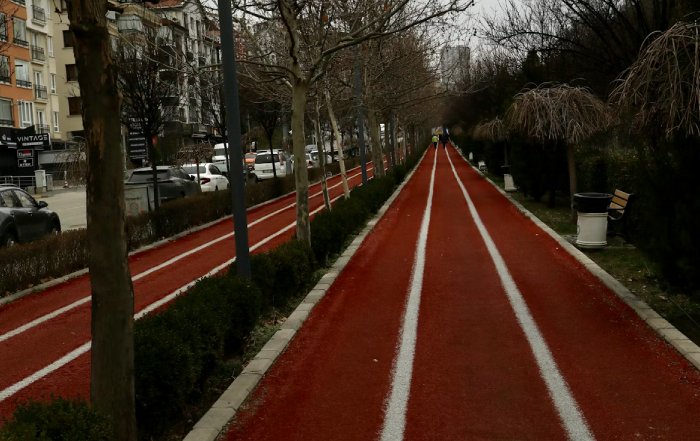
Environmental Challenges Facing Outdoor Athletics Worldwide
The New Playing Field: Climate Risk as a Core Variable in Sport
Ok, outdoor athletics has entered an era in which climate and environmental risk are no longer peripheral concerns but core variables shaping how events are scheduled, where facilities are built, how athletes train, and how sponsors invest. From heatwaves disrupting marathons in the United States and Europe to air pollution affecting football in Asia and water scarcity threatening golf and cricket in Australia, South Africa, and Brazil, the environmental context has become inseparable from the business and culture of sport. For a platform like Sportsyncr-anchored in the intersections of sports, health, business, environment, and technology-this shift is not merely a backdrop; it is the defining narrative of outdoor athletics for the coming decade.
Climate science has made it clear that extreme heat, changing rainfall patterns, sea-level rise, and more frequent severe weather events are already altering the conditions in which athletes compete. Organizations such as the Intergovernmental Panel on Climate Change (IPCC) have documented how these trends will intensify over the next 20 to 30 years, particularly affecting regions that host major global events. Readers can explore the broader climate context through resources such as the IPCC reports and the World Meteorological Organization to understand how these macro trends translate into local, sport-specific challenges. For outdoor athletics, this means governing bodies, clubs, sponsors, and athletes must now treat environmental resilience as central to performance, safety, brand equity, and long-term commercial viability.
Heat, Humidity, and the Physiology of Performance
One of the most visible and measurable impacts of climate change on outdoor athletics is the dramatic rise in heat and humidity during competition windows, particularly in marathon running, cycling, tennis, and football. International competitions in Tokyo, Doha, and Sydney have already highlighted the physiological limits of human performance under extreme heat stress, forcing event organizers and federations to adjust start times, introduce extended cooling breaks, and invest in medical infrastructure to prevent heatstroke and dehydration. Bodies such as the World Health Organization (WHO) and Centers for Disease Control and Prevention (CDC) provide detailed guidance on heat-related illness, and their recommendations are increasingly reflected in sports medicine protocols; interested readers can review health guidelines on WHO's climate and health pages and the CDC extreme heat resources.
From a sports science perspective, elevated wet-bulb globe temperatures significantly affect cardiovascular strain, cognitive function, and decision-making, with implications not only for elite athletes but also for grassroots participants in school sports and community leagues across North America, Europe, Asia, and Africa. This is directly relevant to the Sportsyncr community, which follows developments in fitness and health as closely as on-field performance. Clubs and federations are now adopting advanced monitoring tools, such as wearable sensors and real-time environmental tracking, to adapt training loads and competition schedules. Organizations including World Athletics and the International Olympic Committee (IOC) have begun integrating climate resilience into their event planning frameworks, and further information about their evolving standards can be found through platforms like World Athletics and the IOC sustainability pages.
Air Quality, Urbanization, and the Hidden Cost of Training
While heat attracts headlines, deteriorating air quality is an equally pressing challenge for outdoor athletics, particularly in rapidly urbanizing regions of China, India, and parts of Europe and North America. Athletes often train at high volumes in environments where particulate matter and ozone levels exceed safe thresholds, heightening risks of respiratory disease, reduced lung capacity, and long-term cardiovascular issues. Leading medical journals and organizations such as the European Environment Agency and the United States Environmental Protection Agency (EPA) have documented the health impacts of air pollution, and those interested can review data and policy frameworks via the EEA air quality portal and the EPA air quality resources.
For sports such as road running, cycling, and football, which often rely on urban infrastructure and public spaces, the trade-off between accessibility and air quality is becoming more pronounced. Elite clubs in cities like London, Paris, Beijing, and Los Angeles are experimenting with micro-scheduling-shifting training sessions to times of day with lower pollution levels-while also investing in indoor, filtered training facilities, even for athletes whose competitions remain outdoors. This tension is particularly relevant for brands and sponsors that wish to position themselves as champions of health and wellness while operating in markets with severe air quality challenges. The Sportsyncr audience, with its interest in brands and social impact, is increasingly scrutinizing whether marketing narratives about "healthy lifestyles" align with the environmental realities of where athletes train and fans gather.
Water Scarcity, Drought, and the Future of Outdoor Venues
Water scarcity has emerged as another major environmental constraint on outdoor athletics, affecting sports that rely on irrigated grass, turf, or natural landscapes such as golf, cricket, rugby, and football. Persistent droughts in regions like the American West, Southern Europe, Australia, and parts of South Africa and South America are forcing venue operators to rethink traditional approaches to pitch maintenance, landscaping, and cooling systems. Organizations such as the United Nations Environment Programme (UNEP) and the Food and Agriculture Organization (FAO) have highlighted how competition for water between agriculture, cities, and recreation will intensify, and further insights can be found through the UNEP freshwater resources overview and the FAO water scarcity portal.
For outdoor sports, this means that lush, water-intensive playing surfaces may become financially and ethically untenable in many regions. Clubs and governing bodies are experimenting with drought-resistant grass species, hybrid pitches, and recycled water systems, while some golf courses and training centers are transitioning to native vegetation and reduced-irrigation designs. These changes are not only environmental necessities but also business imperatives, as sponsors, municipalities, and fans increasingly question the legitimacy of resource-intensive venues in water-stressed areas. For stakeholders tracking the evolution of sports infrastructure as both a business asset and an environmental liability, the sports business coverage on Sportsyncr offers a lens on how these trade-offs are being negotiated in different markets.
Extreme Weather, Scheduling Disruption, and Insurance Risk
Beyond chronic stressors such as heat and drought, acute extreme weather events-storms, floods, wildfires, and hurricanes-are now regularly disrupting outdoor athletics schedules worldwide. In recent years, wildfires in California, Canada, and Australia have forced cancellations or relocations of running races and football matches due to hazardous smoke conditions, while flooding in Germany, Italy, and parts of Asia has damaged stadiums and training facilities, with significant financial repercussions. Global reinsurance firms and risk analysts, alongside bodies like the World Bank and OECD, have begun to treat sport infrastructure as a notable exposure category, and readers interested in the financial dimension of climate risk can consult the World Bank climate risk resources and the OECD work on climate resilience.
For event organizers, the rise in weather-related disruption is forcing a shift from static, long-term scheduling to more flexible, contingency-based planning. Insurance premiums for major outdoor events are rising, and in some cases, underwriters are demanding robust climate risk assessments and adaptation plans before providing coverage. This has implications for host cities from North America to Asia, where bidding for global events such as World Cups and Olympics now requires not only economic and political guarantees but also credible environmental resilience strategies. The Sportsyncr community, which follows world and news developments, can expect climate resilience to become a central criterion in future host city selections, influencing where fans travel and where brands concentrate their sponsorship portfolios.
Biodiversity, Land Use, and the Ecological Footprint of Facilities
Outdoor athletics facilities-stadiums, training centers, golf courses, and multi-sport complexes-occupy significant land areas and often reshape local ecosystems through construction, maintenance, and spectator traffic. As biodiversity loss becomes a global concern, highlighted by institutions such as the Convention on Biological Diversity and the International Union for Conservation of Nature (IUCN), the ecological footprint of sports infrastructure is under greater scrutiny. Those seeking a deeper understanding of biodiversity pressures can explore the CBD information hub and the IUCN Red List resources.
In regions like Europe, Japan, and Singapore, new or renovated sports facilities are increasingly required to integrate green roofs, habitat corridors, and low-impact lighting to reduce disruption to local wildlife. Coastal venues in Spain, Italy, and Thailand face additional pressures from erosion and sea-level rise, prompting relocation debates that pit short-term economic interests against long-term environmental stewardship. For Sportsyncr, which covers environment and culture, these developments highlight a broader shift: outdoor athletics is no longer evaluated solely on attendance and broadcast metrics but also on its contribution-or damage-to local ecosystems and community resilience.
Athlete Activism and the Cultural Narrative of Environmental Responsibility
Athletes have emerged as powerful voices in the global conversation about environmental sustainability, leveraging their platforms to highlight climate impacts on their own training and competition schedules. High-profile figures from football, athletics, tennis, and winter sports in the United Kingdom, Germany, Scandinavia, Canada, and Australia have publicly advocated for reduced travel emissions, sustainable venue operations, and climate-conscious sponsorships. Organizations such as Protect Our Winters (POW) and athlete-led initiatives within leagues like the English Premier League and National Basketball Association (NBA) have amplified these messages, and those interested in the intersection of sport and climate activism can review resources from Protect Our Winters and broader climate communication efforts at UN Climate Change.
This wave of activism is reshaping the cultural narrative of outdoor athletics, particularly among younger fans in Europe, North America, and Asia-Pacific, who increasingly expect their favorite clubs and athletes to demonstrate environmental responsibility. For Sportsyncr, which engages audiences across social, brands, and sponsorship, this trend underscores a strategic insight: environmental performance is becoming a core component of brand equity in sport. Sponsors that ignore athlete and fan expectations on climate risk reputational damage, while those that align authentically with sustainability initiatives can deepen loyalty and differentiate themselves in crowded markets.
Technology, Data, and Innovation in Sustainable Outdoor Sport
Technological innovation is playing a central role in addressing the environmental challenges facing outdoor athletics, from smart stadium systems that optimize energy and water use to advanced materials that reduce the carbon footprint of equipment and apparel. Technology firms, start-ups, and research institutions across the United States, Germany, Japan, South Korea, and Singapore are collaborating with clubs and federations to develop data-driven solutions. To understand the broader innovation landscape, readers can explore resources from organizations like MIT Sloan Sports Analytics Conference and the Green Sports Alliance, accessible via the Green Sports Alliance site and innovation coverage in outlets such as MIT Sloan Management Review.
In practical terms, this translates into intelligent turf systems that monitor soil moisture and nutrient levels to minimize water and chemical use, AI-driven scheduling tools that factor in climate projections to reduce heat risk and travel emissions, and digital twins of stadiums that allow operators to simulate and optimize environmental performance before making capital investments. For Sportsyncr, which reports on technology and science in sport, the convergence of environmental data, performance analytics, and fan engagement technologies represents a significant editorial frontier, revealing how sustainability can coexist with, and even enhance, high-performance sport.
Business Models, Sponsorship, and the Economics of Sustainability
The environmental challenges facing outdoor athletics are fundamentally reshaping its business models, sponsorship structures, and investment strategies. Major governing bodies such as FIFA, UEFA, World Rugby, and World Athletics are under pressure from governments, fans, and sponsors to demonstrate credible climate and sustainability plans, particularly when bidding for global events or negotiating media rights. At the same time, global brands in sectors such as finance, automotive, and consumer goods are integrating environmental, social, and governance (ESG) criteria into their sponsorship decisions, often drawing on frameworks from institutions like the World Economic Forum (WEF) and the Global Reporting Initiative (GRI); those interested in the business implications can review ESG guidance via the WEF sustainability hub and the GRI standards.
For clubs and event organizers, this means that environmental performance is no longer a peripheral corporate social responsibility initiative but a core determinant of commercial attractiveness. Venues that can demonstrate low-carbon operations, robust climate adaptation measures, and positive community impact may gain preferential access to blue-chip sponsors and public funding, while those lagging behind risk exclusion from high-profile partnerships and tournaments. The Sportsyncr business readership is already tracking how these dynamics influence valuations, naming rights deals, and cross-border investment flows, particularly in markets such as the United States, United Kingdom, Germany, France, Spain, and Asia-Pacific, where ESG integration is most advanced.
Regional Perspectives: A Global Issue with Local Realities
Although climate and environmental challenges are global in scope, their manifestations in outdoor athletics vary significantly by region, shaped by geography, infrastructure, governance, and cultural priorities. In North America, wildfire smoke, heatwaves, and hurricanes are primary concerns, prompting leagues to develop flexible scheduling and robust emergency protocols. In Europe, policy-driven decarbonization and stringent environmental regulation are pushing clubs and venues toward rapid adoption of renewable energy and low-emission transport strategies, supported by initiatives from the European Commission, which can be explored through its climate action pages. In Asia, rapid urbanization, air pollution, and monsoon variability pose distinct challenges, particularly for football, athletics, and cricket, while in Africa and parts of South America, resource constraints and infrastructure gaps complicate adaptation efforts even as outdoor sport remains central to community life and talent development.
For the global readership of Sportsyncr, which spans Canada, Australia, New Zealand, China, Japan, South Korea, Singapore, Malaysia, Thailand, the Nordic countries, and beyond, these regional differences matter because they shape where talent emerges, where major events can be safely and sustainably hosted, and how fans experience outdoor sport in their own communities. The platform's coverage across world, news, and sports is increasingly informed by this regional nuance, recognizing that a one-size-fits-all approach to environmental challenges is neither realistic nor effective.
The Role of Governance, Policy, and Cross-Sector Collaboration
Addressing the environmental challenges facing outdoor athletics requires more than technological fixes and isolated club initiatives; it demands coherent governance frameworks and cross-sector collaboration among sports organizations, governments, NGOs, and the private sector. National federations in countries such as the United Kingdom, Germany, Sweden, Norway, and Denmark are beginning to align their strategies with national climate policies and international agreements like the Paris Agreement, while city governments hosting major events are integrating sport into broader climate adaptation and urban planning agendas. Resources from organizations such as C40 Cities and the International Olympic Committee illustrate how cities and sports bodies can collaborate on low-carbon, climate-resilient event models, and readers can explore these approaches via C40's sports and climate initiatives and the IOC's climate action plans.
For Sportsyncr, governance is not an abstract policy topic but a practical lens through which to understand how decisions about scheduling, infrastructure investment, and sponsorship are made. The platform's focus on jobs and business highlights the growing demand for professionals who can bridge sport management, environmental science, data analytics, and public policy, reflecting a structural shift in the skills required to lead outdoor athletics organizations in a climate-constrained world.
Looking Ahead: Resilience, Opportunity, and the Future of Outdoor Athletics
The environmental challenges facing outdoor athletics worldwide are profound and multi-dimensional, touching every aspect of the ecosystem from athlete health and fan experience to infrastructure design, sponsorship strategy, and governance. Yet within these challenges lie opportunities for innovation, leadership, and renewed relevance. Outdoor sport has a unique capacity to connect people across cultures and continents, making it a powerful platform for raising awareness, modeling sustainable practices, and catalyzing broader societal change. As organizations like the United Nations, World Health Organization, and International Olympic Committee emphasize the role of sport in achieving sustainable development goals, stakeholders across the industry are recognizing that environmental stewardship is not a constraint on growth but a prerequisite for its continuation.
For Sportsyncr, the path forward involves deepening its coverage at the intersection of sports, environment, technology, business, and culture, providing audiences in the United States, United Kingdom, Germany, Canada, Australia, France, Italy, Spain, Netherlands, Switzerland, China, Japan, South Korea, Brazil, South Africa, and beyond with the insight needed to navigate this evolving landscape. As outdoor athletics adapts to a changing climate, the most successful organizations will be those that treat environmental resilience not as a peripheral obligation but as a central pillar of performance, brand identity, and long-term value creation. In that sense, the environmental challenges of 2026 are not merely obstacles; they are defining tests of leadership, innovation, and trustworthiness for the global world of sport.