

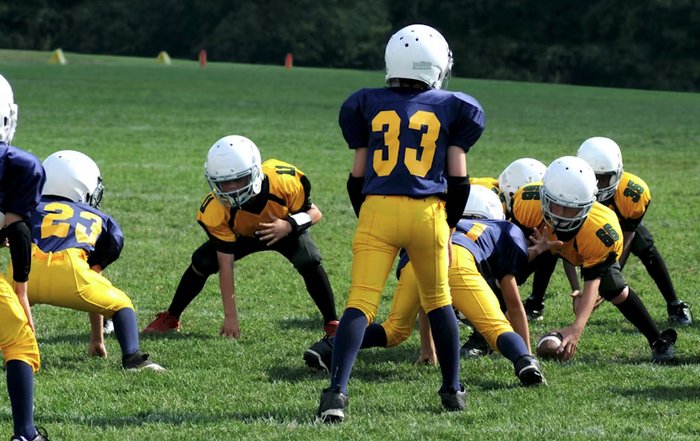
Education Pathways Preparing the Next Generation of Sports Leaders in 2026
The Strategic Imperative in a Transformed Global Sports Economy
By 2026, the global sports industry has matured into a deeply interconnected ecosystem that spans elite competition, mass participation, digital media, health innovation, gaming, and data-driven commercial models, and within this expanded arena the very notion of "sports leadership" has evolved from a narrow focus on coaching or club administration into a multidimensional discipline that blends strategic management, technological fluency, cultural intelligence, and a visible commitment to ethics and social responsibility. Across North America, Europe, Asia, Africa, and South America, governments, leagues, brands, and investors increasingly recognize sport as both a powerful economic engine and a cultural force that shapes public health, social cohesion, and even geopolitics, and in major markets such as the United States, the United Kingdom, Germany, Canada, Australia, France, Italy, Spain, and emerging hubs like Singapore, South Korea, and South Africa, leadership development has shifted from being an optional add-on to a central pillar of long-term competitiveness.
For Sportsyncr, which positions itself at the intersection of sport, business, technology, culture, and health, this transformation is not an abstract academic theme but a practical framework for understanding how talent pipelines are being redesigned, how organizations are building future-ready executive teams, and how ambitious professionals can shape their own journeys from grassroots participation to boardroom influence. As sport converges with health and wellness, digital entertainment, environmental sustainability, and social impact, education pathways have become the critical infrastructure that connects raw passion for competition with the experience, expertise, authoritativeness, and trustworthiness required to lead responsibly in a global industry under constant public scrutiny and media attention.
From Locker Room Archetype to Multidisciplinary Executive
The traditional archetype of the sports leader, often a former athlete who progressed into coaching or administration on the strength of lived experience and informal mentorship, is no longer sufficient in a landscape dominated by billion-dollar media rights, sophisticated sponsorship portfolios, athlete mental health concerns, and the rapid adoption of technologies such as artificial intelligence, computer vision, and immersive fan platforms. In mature markets such as the United States and Western Europe, the commercialization of sport has brought clubs, leagues, and federations closer to mainstream corporate practice, and analyses from outlets like Harvard Business Review and McKinsey & Company increasingly treat sports entities as complex entertainment, data, and experience businesses rather than community institutions alone.
At the same time, leadership in sport now extends far beyond professional leagues and mega-events to include health and fitness operators, sports technology startups, esports organizations, athlete representation agencies, governing bodies, and NGOs using sport as a vehicle for development in regions such as Africa, South America, and Southeast Asia. This expanded playing field demands leaders who can integrate performance science with commercial strategy, navigate regulatory and geopolitical risk, manage digital transformation, and balance the expectations of fans, athletes, regulators, investors, and communities. Sportsyncr reflects this broader definition of leadership through its integrated coverage of sports, health, fitness, business, and technology, demonstrating that the leaders who will shape the next decade must be comfortable operating across multiple domains rather than within a single functional silo.
The Maturation of Formal Sports Management and Leadership Education
Over roughly two decades, universities and business schools around the world have responded to the professionalization of sport by developing specialized degrees and executive programs in sports management, sports business, and sports leadership, and by 2026 this academic infrastructure spans undergraduate majors, MBAs with sports concentrations, blended executive education, and online microcredentials tailored to both early-career talent and senior decision-makers. Institutions such as Columbia University, New York University, Loughborough University, University of Michigan, ETH Zurich, University of Queensland, and University of British Columbia have crafted curricula that integrate finance, marketing, law, analytics, and governance with sector-specific case studies, while students and employers can benchmark offerings through resources like the QS World University Rankings and Times Higher Education.
These formal pathways now provide structured exposure to subjects that were once learned informally or through trial and error, including sports law and integrity frameworks, digital media and fan engagement, sponsorship and partnership strategy, event and venue operations, and the economics of global broadcasting and streaming. In countries such as the United States, United Kingdom, Germany, and Australia, where sport is embedded in both educational systems and national identity, many programs are anchored by partnerships with professional leagues, national governing bodies, and major brands, enabling students to work on live projects and internships that mirror real-world complexity. Learners and policymakers can situate these developments within broader labor market dynamics by consulting organizations such as the OECD for skills and future-of-work analysis or exploring UNESCO perspectives on sport, education, and sustainable development.
For the global audience of Sportsyncr, the implication is clear: in competitive markets across North America, Europe, and Asia, advanced education is no longer perceived as a "nice to have" but as a differentiator that signals both technical competence and a commitment to lifelong learning, and many clubs, leagues, agencies, and event organizers now treat relevant degrees or executive credentials as prerequisites for senior leadership roles rather than optional enhancements.
Performance, Coaching, and Health Pathways Anchored in Science
Parallel to the rise of business-focused programs, there has been a strengthening of education pathways rooted in sports science, medicine, and performance, reflecting the fact that elite sport in 2026 is driven as much by data, physiology, and psychology as by tactical insight or motivational rhetoric. Universities and institutes in the United States, Canada, the United Kingdom, Germany, Sweden, Norway, Australia, and New Zealand now offer sophisticated degrees in exercise science, kinesiology, sports medicine, biomechanics, and performance analytics, preparing professionals to serve as high-performance directors, strength and conditioning specialists, sports scientists, performance analysts, and medical coordinators for clubs, national teams, and multidisciplinary training centers. Organizations such as the American College of Sports Medicine and the National Strength and Conditioning Association have continued to refine professional standards and certifications, helping to embed evidence-based practice across both elite and community sport.
This scientific grounding is critical not only for elite competition but also for the rapidly growing health and fitness economy, where leaders must design programs that are safe, inclusive, and effective for diverse populations across age, gender, ability, and cultural background. The blurring of boundaries between athletic performance, public health, and preventive medicine is increasingly recognized in policy discussions and research published through organizations such as the World Health Organization and the National Institutes of Health, which emphasize the role of physical activity in addressing noncommunicable diseases and mental health challenges. On Sportsyncr, the interlinked coverage of health, fitness, and science underscores how leaders who understand both human physiology and commercial realities are better positioned to protect athlete welfare, design sustainable performance systems, and build organizations capable of withstanding regulatory, reputational, and competitive pressure.
Technology, Data, and the Emergence of the Digital Athlete
The acceleration of digital innovation since 2020 has ensured that no serious conversation about future sports leadership can ignore the central role of technology and data in reshaping how sport is played, consumed, and monetized. Wearable sensors, computer vision, machine learning, generative AI, and immersive technologies such as augmented and virtual reality now underpin performance optimization, tactical analysis, officiating, injury prevention, and personalized fan engagement, while sophisticated customer data platforms and streaming infrastructures enable rights holders to reach global audiences in real time. Leaders must therefore possess a working fluency in data governance, digital product strategy, cybersecurity, and platform economics, and education providers have responded with specialized courses and certificates in sports analytics, digital sports media, and technology management. Platforms such as Coursera and edX host collaborations with universities and industry partners that allow learners in markets from Brazil and South Africa to Japan, Singapore, and Finland to acquire these skills without relocating.
The continued rise of esports and competitive gaming, particularly strong in South Korea, China, the United States, and parts of Europe, has further expanded the scope of sports leadership education by demanding familiarity with digital-first communities, live-streaming ecosystems, and intellectual property frameworks that differ from legacy sports. Market intelligence from organizations like Newzoo and Statista shows that younger audiences move fluidly between physical sport, gaming, and creator-driven content, and that rights holders who ignore this convergence risk losing cultural relevance and commercial opportunity. Within Sportsyncr's technology and gaming coverage, recurring themes include AI-enabled coaching tools, virtual training environments, and data-rich fan platforms, all of which highlight the necessity of education pathways that equip leaders to evaluate emerging technologies critically, balance innovation with integrity and privacy, and build multidisciplinary teams capable of integrating digital capabilities into core strategy.
In this environment, technical literacy does not mean every executive must become a data scientist or engineer, but it does require leaders to understand enough about algorithms, data quality, and user experience to ask the right questions, interpret analytics responsibly, and avoid both overreliance on opaque systems and underinvestment in transformative tools.
Ethics, Governance, and Trust in an Era of Visibility
A decade marked by corruption scandals, match-fixing, doping crises, athlete abuse revelations, and human rights controversies associated with major events has made it abundantly clear that technical and commercial competence alone are insufficient foundations for credible leadership in sport. The industry now operates under intense media, regulatory, and civil society scrutiny, and education pathways increasingly embed ethics, governance, compliance, diversity and inclusion, and sustainability as core components rather than peripheral electives. Institutions such as the International Olympic Committee and the World Anti-Doping Agency continue to refine codes and frameworks that shape global governance expectations, while organizations such as Transparency International and Human Rights Watch highlight the consequences of opaque decision-making and weak oversight.
For aspiring leaders, understanding these governance structures and ethical debates is essential not only to avoid regulatory breaches but also to build organizational cultures that prioritize athlete welfare, fair competition, and transparent stakeholder engagement. Business schools and sports management programs now commonly use case-based learning and scenario simulations to expose students to real-world dilemmas involving conflicts of interest, safeguarding, data privacy, and event-related human rights risks, encouraging them to develop practical decision-making frameworks rather than rely on abstract principles alone. On Sportsyncr, the world, news, and environment sections consistently demonstrate how governance failures and ethical controversies reverberate across communities, brands, and competitive structures, reinforcing the message that trustworthiness has become a core leadership competency and a key determinant of long-term value creation.
Culture, Social Impact, and the Human Dimension of Leadership
Sport occupies a distinctive position in global culture, shaping identity, belonging, and social narratives across continents, and modern sports leaders must therefore demonstrate sensitivity to cultural dynamics, social expectations, and the increasingly vocal demands of athletes and fans for inclusion, representation, and purpose-driven engagement. Education pathways now frequently incorporate elements of sociology, psychology, and cultural studies to help leaders understand how race, gender, class, religion, and national identity intersect with sport in markets as diverse as the United States, South Africa, Brazil, Japan, Malaysia, and the Nordic countries. Initiatives from organizations such as The Aspen Institute and UN Women underscore both the risks of exclusionary systems and the potential of sport to advance gender equality, youth development, and social cohesion.
For Sportsyncr, which devotes dedicated attention to culture and social dimensions alongside performance and business, the human side of leadership is a recurring thread that runs through coverage of athlete activism, inclusive coaching practices, and community-based programs addressing issues such as mental health, youth unemployment, and urban regeneration. Education programs that prepare leaders to engage authentically with these themes-through modules on stakeholder engagement, inclusive leadership, and community impact measurement-are increasingly sought after by organizations that recognize their "license to operate" depends not only on financial metrics but on their contribution to broader societal goals and alignment with evolving expectations around diversity, equity, and inclusion.
Sponsorship, Brands, and Competing for Global Attention
The commercial engine that powers modern sport is driven by sponsorships, partnerships, media rights, licensing, and brand collaborations that now span sectors from technology and finance to consumer goods, automotive, and entertainment, and leaders must understand both the quantitative and qualitative levers of value in this crowded marketplace. Contemporary education programs in sports business and marketing emphasize sponsorship strategy, brand positioning, audience analytics, and content creation, reflecting the reality that the competition for fan attention is global and intense, with brands in the United States, United Kingdom, Germany, China, the Middle East, and Southeast Asia all seeking association with premium and emerging sports properties. Industry bodies such as the European Sponsorship Association and the World Federation of Advertisers provide evolving guidance on best practices, measurement standards, and brand safety considerations.
At the same time, expectations placed on sponsors and rights holders have shifted markedly, with stakeholders demanding authenticity, measurable impact, and alignment with social and environmental values, particularly among younger audiences in Europe, North America, and Asia-Pacific. Leaders must now design partnerships that extend far beyond logo placement to deliver shared value through storytelling, digital engagement, community initiatives, and integration with broader ESG agendas. Within Sportsyncr's brands and sponsorship coverage, recurring examples show how rights holders and sponsors are experimenting with performance-based agreements, data-driven activation, creator and influencer collaborations, and crossovers with gaming and streaming platforms, illustrating why education pathways must blend marketing science, cultural literacy, and ethical awareness to prepare leaders for the evolving economics of attention.
Careers, Jobs, and Lifelong Learning in a Fluid Labor Market
The diversification and globalization of sport have created an array of career pathways that cut across operations, performance, media, technology, sustainability, and social impact, and individuals entering or advancing within the sector in 2026 encounter both unprecedented opportunity and heightened competition. Linear careers confined to a single organization or function are increasingly rare; instead, professionals often move between clubs, leagues, agencies, startups, NGOs, public institutions, and even adjacent industries such as entertainment and health tech, often across regions from North America and Europe to Asia, Africa, and South America. Platforms such as LinkedIn and specialized sports recruiters provide visibility into emerging roles, while organizations like the World Economic Forum highlight macro trends around automation, green transitions, and digitalization that will shape the sports labor market over the next decade.
For readers of Sportsyncr exploring career options or planning strategic transitions, the jobs and business sections offer insight into the evolving skills portfolio employers value, encompassing data literacy, cross-cultural communication, stakeholder management, and entrepreneurial mindset, alongside domain-specific expertise. Education providers are responding with more flexible and modular offerings-short courses, stackable microcredentials, blended executive programs-that allow professionals to upskill and reskill continuously rather than relying on a single qualification obtained early in their careers. This movement toward lifelong learning aligns with broader shifts in knowledge-intensive sectors, where leaders are expected to refresh their capabilities in areas such as AI, sustainability, governance, and fan behavior on an ongoing basis, drawing on universities, professional associations, and high-quality online platforms.
Sustainability, Environment, and the Responsibility Agenda
As climate risks intensify and public awareness of environmental issues grows, sport faces mounting pressure to address its ecological footprint across stadium construction, event logistics, international travel, merchandising, and broadcasting infrastructure. Rights holders, venue operators, and event organizers are increasingly expected to integrate sustainability into strategy, procurement, and stakeholder communication, and education pathways are beginning to embed environmental management, sustainable design, and climate risk into sports curricula. Organizations such as the United Nations Environment Programme and the UN's Sports for Climate Action Framework provide guidance on best practices and voluntary commitments for sports entities seeking alignment with global climate goals.
For Sportsyncr, which foregrounds environmental themes through its environment coverage, this responsibility agenda is treated as a core dimension of credible leadership rather than a peripheral CSR exercise, particularly as fans, athletes, sponsors, and host cities increasingly scrutinize the environmental impact of major tournaments and infrastructure projects. Education programs that equip leaders to understand carbon accounting, circular economy principles, sustainable mobility, and transparent reporting, and that encourage them to integrate environmental considerations into commercial and operational decisions, will be instrumental in ensuring that the sports industry contributes constructively to global sustainability efforts rather than exacerbating climate and resource challenges.
Integrated Pathways and Sportsyncr's Perspective on the Future
Viewed across these domains-business, performance, technology, ethics, culture, sponsorship, careers, and sustainability-it becomes evident that the most effective education pathways for future sports leaders are those that integrate multiple perspectives rather than treating them as isolated modules. A leader who masters financial modeling but lacks cultural intelligence, or who embraces new technologies without understanding governance and privacy implications, will struggle to build durable trust and long-term value; similarly, a performance director who ignores commercial realities may find even the most sophisticated training systems under-resourced or misaligned with organizational priorities. The central challenge for universities, professional bodies, and industry partners is therefore to design learning experiences that combine rigorous domain expertise with cross-disciplinary fluency and a robust ethical foundation.
As a platform dedicated to connecting these threads, Sportsyncr uses its coverage across sports, technology, business, culture, and related verticals to map how education pathways are evolving and which capabilities will define the next generation of influential leaders. By tracking developments from the United States to Japan, from Germany to Brazil, and from South Africa to the Nordic region, Sportsyncr aims to serve as both a lens on global trends and a practical resource for readers seeking to align their own development with the demands of a rapidly changing industry.
Ultimately, the leaders who will define sport in the coming decade will be judged not only on their ability to win games or deliver profits, but on their capacity to steward a global institution that shapes health outcomes, cultural narratives, social cohesion, and environmental impact. Education pathways that emphasize experience, deep expertise, demonstrable authoritativeness, and transparent, values-driven decision-making will be essential to ensuring that this influence is exercised responsibly, creatively, and inclusively. In that sense, the story of sports education in 2026 is also the story of how sport itself is redefining its purpose in a complex world-and Sportsyncr will remain committed to chronicling that evolution, connecting global audiences to the ideas, institutions, and individuals preparing the next generation of sports leaders.