

Sports Innovation Driving Better Training Environments
The New Performance Frontier
Elite and grassroots sport alike are being reshaped by a convergence of data science, digital infrastructure, and human-centric design, creating training environments that are more intelligent, more personalized, and more sustainable than at any previous point in modern sporting history. What was once the preserve of a few well-funded Olympic programs has become an increasingly global ecosystem in which clubs, federations, brands, and technology companies collaborate to reimagine how athletes prepare, recover, and extend their careers. Within this landscape, Sportsyncr positions itself as a dedicated lens on how innovation is transforming performance culture, connecting positive, good news developments in sports, fitness, health, and business into a coherent narrative for decision-makers across the industry.
The acceleration of this change reflects broader shifts in the global economy and in consumer expectations. Athletes, coaches, and fans now expect evidence-based decision-making, transparent data usage, and demonstrable wellbeing outcomes as standard. At the same time, governing bodies and leagues from the NFL and NBA in the United States to the Premier League in the United Kingdom and the Bundesliga in Germany are under pressure to balance performance enhancement with athlete welfare, commercial growth, and regulatory compliance. As a result, the training environment has become a strategic asset and a focal point for innovation, where competitive advantage is increasingly determined not only by who has the best players, but by who can create the smartest system around them.
Data-Driven Performance: From Intuition to Intelligence
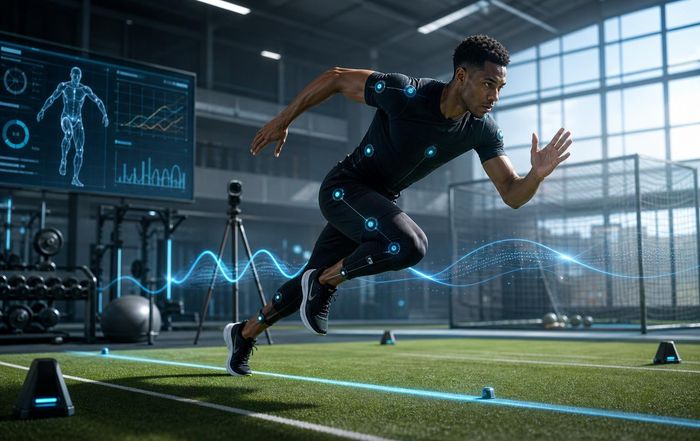
The most visible transformation has been the mainstreaming of performance analytics and sports science, with training environments now designed around continuous, multi-source data capture. Organizations such as Catapult Sports and STATSports have helped normalize the use of GPS tracking, inertial measurement units, and heart-rate telemetry for teams across Europe, North America, and Asia, while leagues such as the NBA have embedded optical tracking technologies like Second Spectrum in arenas to capture every movement on the court. For readers seeking a deeper view of how analytics has reshaped professional leagues, the NBA's official technology insights provide a useful benchmark for how data is now integrated into day-to-day performance operations.
This data-rich environment is no longer restricted to match day; it permeates training design and micro-cycle planning. Coaches in clubs from Manchester City to FC Bayern München now routinely use integrated dashboards combining external load, internal load, and subjective wellness scores to calibrate session intensity and individualize workloads. The move from intuition-driven to intelligence-driven decision-making has been underpinned by advances in cloud infrastructure and machine learning, with platforms from Microsoft Azure and Google Cloud enabling clubs and federations to manage and analyze vast datasets securely and at scale. Those interested in the underlying infrastructure can explore how Google Cloud approaches data and AI for sport, which illustrates the broader enterprise-grade foundations now supporting elite performance.
In this context, Sportsyncr serves a dual role: it tracks the competitive edge that data confers in training environments while also interrogating the governance, privacy, and ethical frameworks required to ensure that athlete data is handled responsibly. Through its daily edited coverage across technology and science, the platform helps practitioners and executives understand not only what can be measured, but what should be measured and why.
Human-Centric Training Design and Athlete Health
The maturation of sports innovation in 2026 is evident in the way training environments are now conceived as holistic ecosystems that integrate physical, psychological, and social dimensions of performance. In leading programs, the era of purely volume-driven training has given way to a more nuanced understanding of load management, recovery, and mental wellbeing, influenced by research from institutions such as Harvard Medical School and the Australian Institute of Sport. To understand the broader health implications of training load, readers can review how Harvard Health Publishing discusses exercise and overtraining.
High-performance centers in the United States, United Kingdom, Germany, and Australia increasingly embed sports psychologists, nutritionists, sleep specialists, and social workers into their staffing models, ensuring that training plans are co-created across disciplines. Organizations such as the International Olympic Committee (IOC) and the World Health Organization (WHO) have published frameworks and recommendations on athlete mental health and safe sport, and these guidelines are progressively influencing how clubs and national teams structure their daily training routines. For a global view on health and sport, it is instructive to review how the WHO addresses physical activity and health.
This shift aligns closely with the editorial focus of Sportsyncr, where features spanning health, social, and culture examine how performance environments can either support or undermine long-term wellbeing. The platform's perspective emphasizes that innovation is not solely about speed or strength gains; it is equally about building trust, psychological safety, and inclusive cultures that allow athletes at all levels-from youth academies in Spain and Italy to professional teams in Canada, South Africa, and Japan-to thrive over extended careers.
Wearables, Computer Vision, and the Connected Athlete
One of the defining characteristics of training environments in 2026 is the seamless integration of wearable technology and computer vision systems, creating a "connected athlete" paradigm that operates across training grounds, gyms, and even home environments. Companies such as Apple, Garmin, Whoop, and Oura have expanded their product lines to serve both consumer fitness markets and professional sport, with biometric wearables capturing continuous data on heart-rate variability, sleep quality, and recovery markers. Those seeking to understand the broader consumer-health crossover can explore how the Mayo Clinic discusses wearable health technology.
In parallel, advances in computer vision and markerless motion capture, driven by firms like Hawk-Eye Innovations and research groups across Europe and Asia, are enabling detailed biomechanical analysis without the need for intrusive sensors. Training facilities in the Netherlands, Sweden, Singapore, and South Korea now routinely deploy multi-camera systems and AI-driven pose estimation to analyze sprint mechanics, change-of-direction efficiency, and technical execution in real time. This allows coaches to provide immediate, data-informed feedback while reducing the friction historically associated with laboratory-based motion analysis. For a deeper technical context, interested readers can look at how MIT's Computer Science and Artificial Intelligence Laboratory explores computer vision research.
For Sportsyncr, this hyper-connected training environment raises critical questions about data ownership, consent, and interoperability. As the platform reports on new partnerships between clubs, technology vendors, and global brands, it also examines how these collaborations can either empower athletes with actionable insights or overwhelm them with poorly contextualized metrics. Its coverage across fitness and brands highlights the importance of designing interfaces and feedback loops that respect the cognitive load and individual preferences of athletes, ensuring that technology remains a tool rather than a distraction.
Virtual, Augmented, and Mixed Reality in Skill Acquisition
Beyond data capture, innovation is reshaping how athletes acquire and refine skills. Virtual reality (VR), augmented reality (AR), and mixed reality (MR) systems, once experimental, are now embedded in training programs from American football quarterbacks to European football goalkeepers and Asian esports professionals. Companies such as STRIVR, Rezzil, and Sense Arena have developed platforms that simulate game scenarios with high fidelity, allowing athletes to rehearse decision-making, pattern recognition, and tactical responses without incurring the physical load of full-speed training. To understand the broader potential of immersive technologies, readers may explore how Stanford's Virtual Human Interaction Lab discusses VR applications.
These technologies are particularly valuable in sports where cognitive speed and anticipatory skills are decisive, such as baseball hitting, cricket batting, and penalty-kick scenarios in football. Training environments in the United States, Japan, and South Korea increasingly dedicate dedicated VR suites within performance centers, where athletes can replay match situations, experiment with alternative tactical choices, and receive immediate feedback on gaze patterns and reaction times. In parallel, AR overlays on training pitches and courts, delivered via lightweight headsets or projection systems, allow coaches to visualize tactical shapes, passing lanes, and positional references directly in the athlete's field of view, enhancing the link between theoretical instruction and practical execution.
Sportsyncr has paid particular attention to the intersection between immersive technology and athlete psychology, recognizing that VR and AR can also be powerful tools for confidence building, injury rehabilitation, and exposure therapy for high-pressure scenarios such as penalty shootouts or clutch free throws. Through its cross-sectional coverage spanning gaming and sports, the platform underscores how the gamification of training, when grounded in robust science, can improve engagement and retention without trivializing the seriousness of elite performance.
Sustainable and Smart Training Facilities
Innovation in training environments is not limited to performance technology; it also encompasses architecture, energy systems, and environmental stewardship. High-performance centers built or renovated since 2020 in regions such as Scandinavia, Germany, the United Kingdom, and Australia frequently incorporate smart-building technologies, renewable energy sources, and advanced ventilation systems. These design choices respond to both climate imperatives and regulatory pressures, as well as to the growing expectation from fans, sponsors, and athletes that sport should model responsible resource usage. For those interested in the broader sustainability context, the United Nations' Sports for Climate Action Framework outlines how organizations are aligning with global climate goals.
Leading clubs and federations are adopting LEED or BREEAM certification standards for their training facilities, integrating features such as grey-water recycling, solar arrays, and intelligent lighting systems that adapt to natural daylight levels. Smart sensors monitor air quality, temperature, and humidity in real time, allowing facilities managers to optimize conditions for both performance and energy efficiency. In hot-climate regions such as the Middle East, South Africa, and parts of the United States and Australia, these systems are essential for maintaining safe training environments as extreme heat events become more frequent. For more insight into climate impacts on sport, readers can learn how the IPCC assesses global climate risks.
For Sportsyncr, which dedicates coverage to environment and world topics alongside core performance content, the evolution of sustainable training environments is a central narrative. The platform explores how investments in green infrastructure intersect with brand positioning, sponsorship strategy, and regulatory compliance, and how facility design can influence athlete recovery, sleep, and circadian rhythms. In doing so, it emphasizes that sustainability and performance are not competing priorities but mutually reinforcing pillars of modern sports business strategy.
Globalization, Accessibility, and the Democratization of High-Performance Tools
A notable trend by 2026 is the gradual democratization of tools once reserved for the wealthiest clubs in North America and Western Europe. Cloud-based platforms, subscription models, and smartphone-driven solutions have made sophisticated analytics, video breakdown, and wellness monitoring accessible to academies, universities, and semi-professional teams across Africa, South America, and Southeast Asia. Organizations such as FIFA, World Rugby, and the International Basketball Federation (FIBA) have launched development programs that provide technical resources and knowledge transfer to emerging federations, helping them build sustainable high-performance systems. Those interested in the development dimension can explore how FIFA describes its global development initiatives.
This global diffusion of innovation is also being driven by educational initiatives and open-access resources. Universities in Canada, the Netherlands, Singapore, and New Zealand are expanding sports science and performance analytics programs, often in partnership with professional clubs and technology firms. Massive open online courses and webinars from institutions like Coursera, edX, and the English Institute of Sport are enabling coaches and practitioners worldwide to learn about periodization, injury prevention, and data literacy. For a sense of how sports science is evolving academically, readers can review how the American College of Sports Medicine discusses training and performance.
Within this expanding ecosystem, Sportsyncr provides a central hub that connects developments across regions and disciplines, ensuring that readers from the United States, Germany, Brazil, India, or Nigeria can understand how innovations tested in one market might be adapted to their own context. Its focus on news and world coverage allows it to track both headline-grabbing breakthroughs and quieter, system-level changes that may, over time, redefine what constitutes a "high-performance" environment for clubs, schools, and community organizations.
Commercial Models, Brands, and the Business of Innovation
The transformation of training environments is inseparable from the commercial strategies of leagues, clubs, and brands. Global companies such as Nike, Adidas, Under Armour, and Puma have repositioned themselves as performance-technology partners rather than purely apparel suppliers, investing in data platforms, sensor-embedded footwear, and connected training ecosystems. Meanwhile, technology giants including Amazon, Meta, and Samsung are exploring how their hardware, cloud, and XR capabilities can be embedded into training and fan-engagement solutions. To understand how brands are reframing their role in sport, readers can learn more about sustainable business practices as discussed by the World Economic Forum.
At the same time, venture capital and private equity funds are increasingly active in the sports technology sector, backing startups in areas such as AI-driven coaching, injury-risk prediction, and immersive training platforms. This capital influx has accelerated experimentation but also raised expectations around scalability and monetization. Clubs and federations, especially in markets like the United States, the United Kingdom, and Japan, are under pressure to demonstrate return on investment from their performance-technology stacks, which in turn drives demand for robust validation studies and independent benchmarking. For insights into the business side of global sport, the Deloitte Sports Business Group provides regular analysis on sports industry trends.
Sportsyncr is positioned at this intersection of performance and commerce, examining how innovation in training environments influences sponsorship inventory, athlete endorsement narratives, and the broader sports business value chain. Through its business, brands, and sponsorship coverage, the platform tracks how data from training environments is being packaged for partners, how privacy concerns are being addressed contractually, and how brands can authentically support athlete wellbeing while leveraging performance stories in global campaigns.
Regulation, Ethics, and the Governance of Innovation
As training environments become more technologically complex and data-intensive, governance and ethics have emerged as critical concerns for regulators, athletes' unions, and advocacy groups. Bodies such as WADA and the Court of Arbitration for Sport (CAS) are increasingly confronted with questions about what constitutes permissible performance enhancement in an era of neuro-stimulation devices, genetic testing, and AI-guided supplementation protocols. For a deeper look at regulatory frameworks, readers can consult how WADA outlines its roles and responsibilities.
Data protection regulations such as the EU's General Data Protection Regulation (GDPR) and emerging privacy laws across North America, Asia, and Africa are shaping how clubs and technology providers collect, store, and process athlete data. Issues of consent, data portability, and secondary use-such as repurposing training data for betting or fan-engagement applications-are now central to contract negotiations and collective bargaining discussions. Athlete associations in the United States, United Kingdom, and Australia have become more proactive in asserting data rights, seeking to ensure that innovation does not compromise personal autonomy or create new forms of exploitation. For those interested in broader digital-rights discourse, organizations such as the Electronic Frontier Foundation provide context on data privacy and digital freedoms.
Sportsyncr approaches these developments with an explicit emphasis on trustworthiness and transparency. Its editorial stance underscores that innovation must be evaluated not only on its technical sophistication or commercial potential, but on its alignment with principles of fairness, informed consent, and long-term athlete welfare. The platform's integrated coverage across social, news, and technology enables it to contextualize regulatory developments and ethical debates for a global readership that includes executives, practitioners, and athletes themselves.
Talent, Jobs, and the Evolving High-Performance Workforce
The rise of technologically sophisticated training environments has also transformed the talent landscape within sport. High-performance departments now routinely recruit data scientists, software engineers, biomechanists, and behavioral scientists alongside traditional coaching and medical staff. Universities in the United States, the United Kingdom, Germany, Canada, and Singapore are responding by offering interdisciplinary programs that combine sports science, analytics, and business management, preparing graduates for roles that did not exist a decade ago. For an overview of how sports careers are evolving, industry observers can review resources like UK Sport's high-performance job pathways.
This evolution is creating new opportunities but also new skills gaps, particularly in emerging markets across Africa, South America, and Southeast Asia where access to advanced training and professional networks may be limited. Remote-work models and virtual consultation services are partially bridging these gaps, allowing experts in Europe or North America to support programs in regions such as Thailand, Malaysia, or Kenya. However, sustainable development of local expertise remains a strategic priority for federations and clubs seeking long-term competitive resilience rather than short-term outsourcing.
Within this shifting employment landscape, Sportsyncr recognizes the importance of connecting innovation trends with career pathways. Through its dedicated jobs coverage, the platform highlights emerging roles, required skill sets, and educational routes, helping both organizations and individuals navigate the evolving high-performance workforce. It also examines how diversity, equity, and inclusion considerations intersect with recruitment in sports technology and performance analysis, ensuring that the benefits of innovation are not confined to a narrow demographic or geographic subset of the global sports community.
The Role of Sportsyncr in a Rapidly Changing Ecosystem
As innovation continues to reshape training environments across sports, regions, and competitive levels, the need for informed, critical, and context-rich analysis has never been greater. Sportsyncr positions itself as a trusted partner for this journey, curating insights that connect developments in performance technology, health, culture, and business into a coherent picture of where sport is heading. By drawing on expertise from practitioners, researchers, and industry leaders, and by maintaining an unwavering focus on evidence, transparency, and athlete welfare, the platform aims to help stakeholders make better decisions in an increasingly complex landscape.
From the hyper-connected training centers of the world's leading clubs to the emerging academies in rapidly developing markets, the core challenge remains consistent: to harness innovation in ways that enhance human potential rather than diminish it. Through its independent and impartial integrated coverage across sports, fitness, health, business, and the broader ecosystem mapped at Sportsyncr's homepage, the platform will continue to document, interrogate, and interpret how training environments evolve, ensuring that progress in 2026 and beyond remains grounded in experience, expertise, authoritativeness, and trustworthiness.