

The Impact of Single-Use Plastics at Events: A 2026 Playbook for the Sports and Entertainment Economy
The New Reality of Events in a Plastic-Conscious World
By 2026, the global conversation around single-use plastics has moved from abstract environmental concern to a direct operational and reputational issue for every serious player in the sports, entertainment, and live events industry. From major tournaments in the United States and Europe to music festivals in Asia and large-scale cultural gatherings in Africa and South America, organizers now operate under intensifying regulatory scrutiny, rising consumer expectations, and growing financial pressure to move away from disposable plastics without compromising fan experience, safety, or profitability.
For Sportsyncr and its global readership across sports, health, fitness, culture, and business, this shift is not theoretical; it is reshaping how venues are designed, how sponsors activate, how brands engage fans, and how jobs are created across the events value chain. Single-use plastics-cups, bottles, food containers, cutlery, packaging, wristbands, and promotional merchandise-have historically underpinned the convenience and scale of modern events. Yet mounting evidence from organizations such as the United Nations Environment Programme shows that these materials contribute significantly to marine pollution, microplastic contamination, and greenhouse gas emissions across their lifecycle. Readers can explore broader environmental context and policy trends through resources such as the UNEP plastics overview and the OECD's work on plastic waste and circular economy.
As governments from the European Union to states across North America, Asia-Pacific, and Africa tighten restrictions on single-use items, event organizers, leagues, clubs, and brands are being forced to rapidly redesign their operational models. At the same time, fans are increasingly health- and climate-conscious, as reflected in the growth of the wellness sector covered in the Sportsyncr health hub and fitness coverage. The question is no longer whether single-use plastics will be phased out from events, but how quickly, at what cost, and with which new technologies, partnerships, and business models leading the way.
Understanding the Scale and Complexity of Single-Use Plastics at Events
Large-scale sports and entertainment events are uniquely intensive users of single-use plastics because of the need to serve tens of thousands of people in compressed timeframes, under strict safety and hygiene controls, and in environments where mobility, security, and crowd management are paramount. A single sold-out football match in the United Kingdom or Germany can generate hundreds of thousands of plastic cups, bottles, and food containers in a matter of hours. Multi-day music festivals in North America, Europe, and Asia often create entire temporary plastic-based economies of packaging, tents, ponchos, and single-use merchandise.
Studies from organizations such as the Ellen MacArthur Foundation, accessible via resources on the circular economy for plastics, highlight that a large proportion of these materials are used for only minutes yet persist in the environment for decades or centuries. Furthermore, data from the World Economic Forum and the World Bank shows that global plastic production continues to rise, with packaging and consumer products representing a substantial share of demand, much of it linked to food and beverage consumption at events and in hospitality.
The complexity is heightened by regional differences. In Europe, strict extended producer responsibility schemes and single-use plastics directives have forced venues and brands to adopt reusable or compostable alternatives more quickly, while in parts of Asia, Africa, and South America, informal waste economies and limited recycling infrastructure mean that event-related plastics often end up in open dumps or waterways. In North America and Australia, a patchwork of state and provincial regulations has created uneven compliance landscapes, pushing multinational brands and global sports properties to adopt harmonized internal standards that often go beyond local law.
For readers following global policy and science developments, the European Commission environment pages and the World Health Organization's research on microplastics and health provide insight into how plastics are increasingly viewed not only as an environmental issue but also as a public health concern, with implications for drinking water, seafood safety, and air quality in urban centers that host major events.
Environmental, Health, and Social Impacts: Why Events Are Under the Microscope
The environmental footprint of single-use plastics at events is now well documented, but what makes it particularly critical for the sports and entertainment economy is the visibility and symbolic power of these gatherings. When televised broadcasts from France, Italy, Spain, Brazil, Japan, or South Africa show stadiums strewn with plastic waste after a match or concert, they do more than reflect local waste management challenges; they shape global perceptions of brands, leagues, sponsors, and host cities.
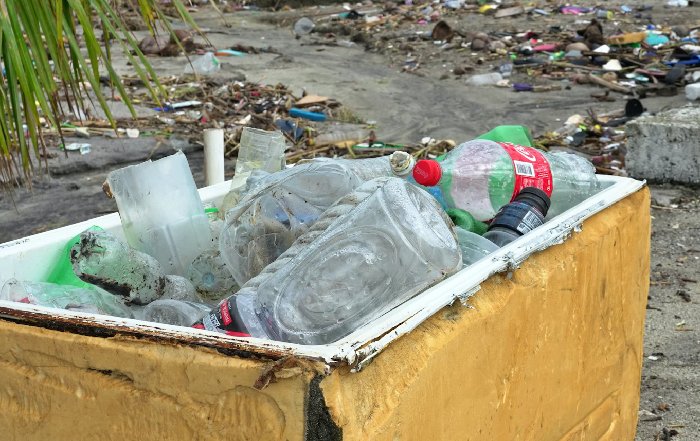
From an environmental standpoint, discarded plastics from events contribute directly to landfill growth, incineration-related emissions, and leakage into rivers and oceans. Organizations such as The Ocean Cleanup and Ocean Conservancy provide accessible insights into marine debris and plastic pollution, illustrating how single-use items dominate beach clean-up data worldwide. For coastal cities that host surf competitions, sailing regattas, and beach festivals, this connection between sports and marine health is particularly acute.
On the health side, research aggregated by the World Health Organization and public health agencies in Canada, Australia, and Singapore is beginning to draw clearer lines between microplastic exposure, chemical additives in plastics, and potential long-term risks to human health. While the science is still evolving, the direction of travel points toward stricter controls and more cautious consumer behavior. This intersects directly with the themes covered regularly in Sportsyncr's science section, where readers follow emerging evidence on how environmental factors affect athlete performance, recovery, and community health.
Socially, the plastics issue is reshaping expectations of corporate responsibility and fan culture. Younger audiences in Scandinavia, Germany, the Netherlands, and South Korea, as well as urban millennials and Gen Z across North America and Asia, are increasingly unwilling to separate their entertainment choices from their environmental values. Surveys from organizations such as GlobeScan and Deloitte on consumer sustainability attitudes, which can be explored through resources like Deloitte's sustainability insights, show that fans are more likely to support clubs, leagues, and brands that demonstrate credible climate and waste strategies, and more willing to call out greenwashing when claims are not matched by visible action.
Regulatory and Market Pressures: The New Operating Context
By 2026, regulatory pressure on single-use plastics has become a defining feature of the events business model. The European Union's Single-Use Plastics Directive, plastic bag taxes in multiple U.S. states, bans on foam containers in Canada and New Zealand, and ambitious zero-waste targets in cities such as Berlin, San Francisco, Seoul, and Copenhagen have created a compliance environment in which event organizers cannot simply treat plastics as a cost of doing business. Instead, they must integrate waste reduction and circular design into their core planning.
Global policy coordination, while far from complete, is advancing through initiatives like the ongoing negotiations for a global plastic treaty under the auspices of the United Nations, which can be followed via the UN plastics treaty updates. This emerging framework is expected to tighten controls on production, design, and trade in problematic plastics, with downstream impacts on packaging used by food and beverage partners at events. For multinational sponsors and rights holders, this introduces a strong incentive to standardize around low-plastic or plastic-free solutions that can operate across multiple jurisdictions.
Market pressures are equally significant. Institutional investors, guided by frameworks such as the Task Force on Climate-related Financial Disclosures (TCFD) and evolving ESG standards, are increasingly asking how companies in the sports and entertainment ecosystem manage waste and materials. Asset managers and pension funds in Switzerland, the United Kingdom, and Nordic countries are particularly active in integrating circular economy metrics into their investment decisions, which affects listed venue operators, hospitality groups, and publicly traded sportswear and beverage sponsors. Business readers can deepen their understanding of these trends by exploring circular economy business models as outlined by the World Economic Forum.
In parallel, media scrutiny and real-time social commentary mean that poorly managed plastic waste at a high-profile event in London, New York, Tokyo, or Rio de Janeiro can trigger reputational crises for organizers and sponsors within hours. This dynamic is closely watched by brands featured in the Sportsyncr brands vertical, where the intersection of marketing, sustainability, and fan sentiment is increasingly central to strategic decision-making.
Economic and Operational Implications for Event Stakeholders
For venue operators, leagues, federations, promoters, and sponsors, the transition away from single-use plastics involves both costs and opportunities. On the cost side, replacing cheap disposable plastics with reusable cup systems, aluminum packaging, or certified compostable materials can initially increase per-unit expenses. There are also capital investments associated with dishwashing infrastructure, reverse-vending machines, and improved waste sorting facilities. Logistics become more complex when reusable items must be collected, washed, stored, and redistributed, especially across multi-venue tournaments or touring events that move from Europe to Asia to North America.
However, a growing body of case studies from forward-looking organizations shows that well-designed systems can achieve cost parity or even savings over time, particularly when they reduce waste disposal fees, avoid regulatory penalties, and unlock new sponsorship or branding opportunities. Reports from groups such as WRAP in the United Kingdom, accessible via their resources on plastics and packaging, highlight pilots where deposit-return cup schemes at stadiums and festivals have achieved high return rates, reduced litter, and maintained fan satisfaction.
From a sponsorship perspective, the shift away from single-use plastics is creating new categories of partners, including reusable packaging providers, circular logistics platforms, and technology companies that enable digital tracking of cups and containers. This trend aligns with the interests of readers following Sportsyncr's sponsorship coverage, where brands increasingly seek activations that demonstrate tangible environmental benefits rather than traditional logo exposure alone. For example, beverage sponsors in Germany, Netherlands, and Denmark have begun to integrate deposit-return systems directly into their event marketing, turning cup returns into gamified fan experiences with digital rewards.
Job markets are also shifting. As covered in Sportsyncr's jobs section, the rise of circular event models is creating new roles in sustainability management, materials science, waste analytics, and operations. Event companies now seek professionals who can design zero-waste strategies, manage complex supplier relationships, and communicate sustainability performance to regulators, investors, and fans. In regions such as Singapore, Japan, and Norway, where technology adoption is rapid, this often involves integrating IoT sensors, AI-based waste sorting, and data dashboards that provide real-time visibility into material flows.
Fan Expectations, Culture, and Behavioral Change
The cultural dimension of single-use plastics at events is particularly relevant to Sportsyncr readers interested in how fan behavior, identity, and social norms evolve. Over the past decade, sustainability has become a core component of fan culture in many markets, with supporters' groups in Germany, United Kingdom, Sweden, and Brazil campaigning for greener stadiums, lower-carbon travel, and plastic-free concessions. Coverage in the Sportsyncr culture section has highlighted how this shift is not merely about compliance but about the values that fans associate with their teams, artists, and favorite events.
Behavioral change is challenging, particularly in high-energy environments where convenience, speed, and emotional engagement dominate. Yet initiatives that make sustainable choices the default-such as serving drinks in reusable cups with a small deposit, providing clearly labeled refill stations, and minimizing the availability of single-use plastic items-have proven more effective than relying solely on information campaigns. Research summarized by organizations such as Behavioral Insights Team and universities in Canada and Netherlands underscores that structural changes in choice architecture are more powerful than appeals to individual virtue.
Digital tools are playing an increasingly important role. Mobile apps that integrate ticketing, concessions, and sustainability challenges can nudge fans toward lower-waste behaviors, reward them for returning cups or sorting waste correctly, and provide transparent feedback on the event's environmental performance. Technology readers can explore how digital innovation intersects with sustainability through resources such as the MIT Technology Review climate and tech coverage and complement this with Sportsyncr's technology insights, which frequently examine how data and digital platforms are reshaping the sports and events ecosystem.
Importantly, the cultural narrative around plastics is becoming less about sacrifice and more about innovation and pride. Host cities from Paris to Los Angeles, Tokyo, and Brisbane are positioning low-waste, low-plastic events as symbols of modernity and global leadership, reinforcing tourism and investment branding in the process. This resonates with the interests of readers following Sportsyncr's world coverage, where the geopolitical competition for sustainable mega-events is increasingly visible.
Technology, Innovation, and the Emerging Circular Event Model
Technological innovation is central to reducing the impact of single-use plastics at events. Across Europe, Asia, North America, and Oceania, startups and established companies are racing to develop materials, systems, and digital solutions that can maintain or improve fan experience while dramatically cutting waste. Biobased and compostable materials, while not a panacea, are being refined to perform better in demanding event contexts, and standards organizations are working to ensure that claims of compostability and recyclability are credible and verifiable. Readers interested in deeper technical insights can explore resources from the American Chemical Society on polymer science and sustainable materials.
At the systems level, reusable cup and container schemes are proving particularly promising. These models depend on logistics networks that can operate across multiple venues and cities, integrating RFID tags or QR codes to track inventory, optimize washing cycles, and provide data on usage and return rates. In leading markets such as Germany, Switzerland, Netherlands, and South Korea, these systems are increasingly embedded into local circular economies, supported by municipal infrastructure and policy incentives. For practitioners, the Ellen MacArthur Foundation and Circle Economy provide practical frameworks on how to implement circular systems in practice, which are directly applicable to event planning.
Data analytics and AI are emerging as powerful enablers. Smart bins equipped with sensors and image recognition can automatically sort some waste streams, reduce contamination, and generate real-time dashboards for operations teams. These insights allow organizers to adjust staffing, signage, and layout during the event rather than waiting for post-event audits. For readers tracking the intersection of AI, sustainability, and operations, the International Energy Agency's digitalization and energy pages offer a useful macro-level context that complements the granular focus on stadiums and festivals.
Innovation is not limited to materials and hardware. New business models are emerging in which event organizers lease rather than purchase packaging assets, outsource circular logistics to specialist providers, or form consortia with neighboring venues and municipalities to share infrastructure. This aligns with broader trends in the circular economy and service-based models that are increasingly covered in Sportsyncr's business section, where readers examine how recurring revenue, asset-light operations, and collaborative platforms are transforming traditional industries.
Global and Regional Perspectives: Different Starting Points, Shared Direction
While the direction of travel is clear, the pathways to reducing single-use plastics at events differ across regions, reflecting variations in infrastructure, culture, regulation, and economic development. In Western Europe and the Nordic countries, high recycling rates, advanced waste-to-energy facilities, and strong environmental norms provide a relatively supportive context for rapid adoption of reusable systems and strict bans on problematic plastics. Cities such as Copenhagen, Stockholm, and Amsterdam have become laboratories for zero-waste festivals and stadiums, often in partnership with local universities and technology firms.
In North America, the landscape is more fragmented. Progressive cities such as Vancouver, Seattle, New York, and Toronto have introduced ambitious waste reduction policies and support for refill and reuse, while other jurisdictions maintain more permissive frameworks. This creates challenges for leagues and touring events that must navigate differing regulations from state to state or province to province. Nonetheless, major franchises in the United States and Canada are increasingly committing to science-based climate and waste targets, often under pressure from fans, sponsors, and media.
In Asia, rapid urbanization and the growth of the middle class have driven booming demand for live events in China, India, Thailand, Malaysia, Japan, South Korea, and Singapore, often outpacing the development of waste management infrastructure. However, several governments in the region are now moving aggressively to curb single-use plastics, recognizing the economic and tourism risks of polluted environments. Cities such as Singapore and Tokyo are at the forefront of integrating technology and policy, while beach destinations in Thailand and Indonesia are experimenting with plastic-free tourism zones and event guidelines, which have direct implications for sports such as surfing, triathlon, and open-water swimming.
In Africa and South America, the picture is diverse. Countries like South Africa, Kenya, and Chile have introduced strong plastic bag bans and are exploring broader packaging regulations, while informal recycling and waste-picking sectors continue to play a vital role in materials recovery. Major football tournaments, marathons, and cultural festivals in these regions are beginning to pilot reusable and refill models, often supported by international NGOs and development agencies. Readers interested in the intersection of environment, development, and sport can explore perspectives from the World Bank's climate and development pages to understand how plastics policies tie into broader resilience and equity agendas.
Strategic Roadmap: How the Events Industry Can Lead in a Low-Plastic Future
For the global community that turns to Sportsyncr for insight across sports, health, fitness, culture, business, technology, and sponsorship, the impact of single-use plastics at events is not just an environmental story; it is a strategic business challenge and an innovation opportunity. The organizations that will thrive in the coming decade will be those that treat plastics reduction as a core dimension of competitive advantage, not a peripheral compliance task.
This requires a holistic roadmap. First, establishing clear, time-bound targets to phase out problematic single-use plastics, aligned with emerging global standards and local regulations, sends a strong signal to suppliers, sponsors, and fans. Second, investing in data and analytics to understand material flows, fan behavior, and cost structures enables evidence-based decision-making and continuous improvement. Third, building cross-sector partnerships-with municipalities, technology providers, NGOs, and academic institutions-creates the ecosystem needed to scale circular solutions beyond individual venues or events.
Communication is critical. Fans, athletes, artists, and communities need to see and understand the changes being made, from reusable cup systems and refill stations to redesigned merchandise and packaging. Transparent reporting, storytelling, and engagement can turn operational shifts into powerful narratives of progress, reinforcing the trust and loyalty that are central to the business models of clubs, leagues, brands, and promoters. Readers can follow how these narratives evolve across regions and disciplines through ongoing coverage in Sportsyncr's news section and across the broader Sportsyncr platform.
Ultimately, the impact of single-use plastics at events is a lens through which to view the broader transformation of the global sports and entertainment economy toward more sustainable, resilient, and socially responsive models. As 2026 unfolds, the organizations that embrace this transformation with experience, expertise, authoritativeness, and trustworthiness will not only reduce their environmental footprint; they will redefine what it means to host world-class events in a world that increasingly demands both excitement and responsibility.