

Why Functional Fitness Continues to Gain Worldwide Popularity
Functional Fitness! From Niche Trend to Global Standard
Functional fitness has moved decisively from the fringes of the gym floor to the center of global training culture, reshaping how athletes, everyday exercisers, brands, and health systems think about performance, longevity, and quality of life. What was once a term used mainly by physical therapists and strength coaches has now become a defining philosophy across sports, wellness, and even workplace design, with major organizations from CrossFit, Nike, and Adidas to hospital systems and elite performance centers integrating functional principles into their programs and products. As Sportsyncr continues to map the convergence of sports and fitness worldwide, functional fitness stands out as one of the clearest examples of how evidence-based training, digital technology, and shifting cultural values are converging into a single, powerful movement.
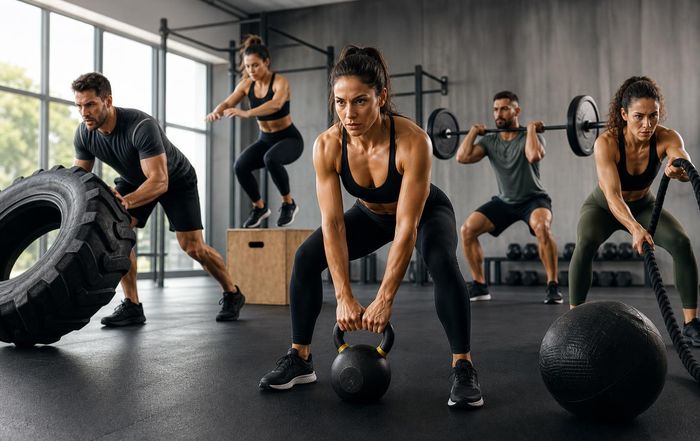
Functional fitness, at its core, refers to training that improves a person's ability to perform real-world activities, rather than focusing solely on aesthetic goals or isolated muscle development. It emphasizes multi-joint movements, core stability, mobility, balance, and strength that transfer directly to sport, work, and daily life. Organizations such as The American College of Sports Medicine have highlighted this shift in their annual fitness trend reports as consumers, coaches, and clinicians increasingly prioritize health span over simple weight loss or muscle gain. In this environment, functional fitness has become a central language for athletes in the United States, office workers in Germany, aging populations in Japan, and youth sports programs in Brazil, uniting diverse regions and cultures around a shared performance and health philosophy.
The Science Driving Functional Fitness Adoption
The worldwide rise of functional fitness is anchored in a growing body of evidence that multi-planar, compound movements are more effective for improving overall health, resilience, and performance than traditional, machine-based isolation training. Research compiled by organizations such as The World Health Organization underscores that regular physical activity reduces the risk of cardiovascular disease, type 2 diabetes, and certain cancers, while improving mental health and cognitive function. Functional training builds on this foundation by targeting movement patterns rather than single muscles, enhancing neuromuscular coordination and joint integrity, which are critical for both athletes and aging populations.
Leading sports medicine institutions, including the Mayo Clinic, have increasingly advocated for exercise programs that incorporate squats, lunges, pushing, pulling, and rotational movements that mirror daily tasks, noting that functional strength training can help reduce injury risk and improve balance and posture. These principles are now embedded in rehabilitation protocols for post-surgical patients, return-to-play frameworks for professional athletes, and preventive health strategies for office-based workers in markets such as the United Kingdom, Canada, and Singapore. On Sportsyncr, this scientific foundation is reflected in the growing integration between health, science, and performance coverage, where functional fitness is consistently positioned as a bridge between clinical insight and real-world application.
How Functional Fitness Is Reshaping Sports Performance
In elite sport, functional fitness has become synonymous with modern performance preparation. Clubs and franchises across the English Premier League, NBA, NFL, Bundesliga, and La Liga now invest heavily in integrated performance centers that combine strength and conditioning, sports science, and data analytics, with functional training as a foundational methodology. Organizations such as FC Barcelona and Bayern Munich have publicly emphasized the role of movement quality, mobility, and core strength in their training philosophies, while performance institutes like EXOS have built global reputations around preparing athletes using functional, sport-specific movement patterns. Those interested in the performance science behind these approaches can explore the work of institutions such as the U.S. Olympic & Paralympic Committee and their focus on integrated performance services.
Functional fitness is particularly attractive to sports organizations because it offers a scalable framework that can be adapted to the demands of different disciplines, from the rotational power required in tennis and golf, to the change-of-direction demands in football and basketball, to the endurance and stability needs of marathon running and triathlon. Performance staff use tools such as force plates, motion capture, and wearable sensors to assess asymmetries and movement deficiencies, then design functional training programs that address those issues with targeted, real-world patterns rather than isolated muscle work. On the updated sports coverage, this evolution is evident in the way athletes in South Korea, Australia, and Italy are rethinking off-season preparation, with functional circuits, mobility sessions, and integrated strength and conditioning replacing the traditional emphasis on long-distance running and basic weightlifting.
Everyday Athletes, Longevity, and the Lifestyle Shift
While elite sports have helped validate functional fitness at the highest performance levels, its enduring popularity is being driven by everyday athletes who are less concerned with podiums and more focused on long-term health, independence, and quality of life. Around the world, from urban centers in New York, London, and Berlin to emerging fitness hubs in Bangkok, São Paulo, and Cape Town, functional training studios and hybrid gyms have become community anchors where people of different ages and abilities train side by side using scalable, movement-based programming. This democratization of performance is one of the central narratives Sportsyncr explores across its fitness and social verticals, where functional fitness is framed not as an elite privilege but as a practical toolkit for everyday living.
Health organizations such as Harvard T.H. Chan School of Public Health have highlighted how strength and balance training can reduce fall risk, improve metabolic health, and support healthy aging, which has made functional fitness particularly appealing in aging societies like Japan, Italy, and Germany. For younger demographics, especially in North America and Europe, the shift away from purely aesthetic goals toward performance-based benchmarks such as relative strength, mobility, and work capacity aligns with evolving cultural attitudes about body image, mental health, and inclusivity. Functional fitness, with its emphasis on what the body can do rather than how it looks, resonates strongly with this new generation of participants, contributing to its sustained growth across markets tracked by Sportsyncr.
Digital Technology, Data, and the Functional Fitness Ecosystem
The rapid advancement of digital technology has accelerated the adoption and sophistication of functional fitness worldwide, as wearables, smart equipment, and AI-driven coaching platforms make it easier to monitor movement quality, workload, and recovery. Companies such as Apple, Garmin, and Whoop have integrated metrics like heart rate variability, strain, and sleep quality into their ecosystems, enabling athletes and everyday users to align their functional training with personalized recovery and readiness indicators. Those seeking deeper technical insight into these metrics often reference resources from organizations like the National Institutes of Health and their work on exercise physiology and recovery science.
In parallel, smart gym equipment and connected platforms have brought functional training into homes and workplaces across the United States, Canada, Singapore, and the Nordic countries. Systems that combine force sensors, motion tracking, and real-time feedback allow users to perform squats, hinges, presses, and pulls with guidance on technique, tempo, and load progression, while AI-powered platforms adapt programming based on performance and user feedback. On the new technology section, this convergence of hardware, software, and human coaching is a recurring theme, as brands and investors recognize that functional fitness is not just a training philosophy but a digital product category with significant commercial potential.
Global Markets, Brands, and the Business of Functional Fitness
From a commercial perspective, functional fitness has become a major growth engine within the broader sports and wellness industry, influencing everything from footwear and apparel design to gym architecture and corporate wellness programs. Global brands such as Nike, Adidas, Under Armour, and Lululemon have expanded their functional training lines, designing footwear with stability, multi-directional traction, and flat profiles optimized for lifting and dynamic movement, as well as apparel that supports a wider range of motion and durability for high-intensity functional sessions. Investors and operators track these trends through market intelligence sources like McKinsey & Company's sports and wellness insights and the World Economic Forum's reports on the future of health and fitness.
On the facility side, gym operators in regions such as the United States, United Kingdom, Germany, and Australia have reconfigured traditional layouts to prioritize open floor space, rig systems, sled tracks, and modular zones that support functional circuits, small-group training, and hybrid strength-conditioning sessions. In rapidly growing markets across Asia, including Singapore, South Korea, and Thailand, boutique concepts that blend functional training with digital tracking and community events are attracting young professionals seeking efficient, high-impact workouts that also deliver social connection. Sportsyncr's business coverage and brands vertical follow how functional fitness is reshaping the competitive landscape for health clubs, boutique studios, equipment manufacturers, and digital platforms, highlighting best practices and emerging business models that emphasize experience, data, and long-term engagement.
Culture, Community, and the Social Fabric of Functional Training
Beyond science and commerce, functional fitness has become a cultural and social phenomenon, creating communities that extend well beyond the walls of gyms and studios. The rise of CrossFit boxes, functional training communities, and hybrid studios has established a culture where shared suffering, mutual accountability, and measurable progress are central values, often leading to strong social bonds and a sense of belonging that many participants describe as transformative. Academic research published by institutions such as Stanford University and Oxford University has examined how group exercise and community-based fitness can improve adherence, motivation, and mental health outcomes, reinforcing what many practitioners already experience in their daily training environments.
This community dimension has proven particularly powerful in urban centers across Europe, North America, and Asia, where functional fitness classes often serve as social anchors for professionals, students, and expatriates seeking connection in fast-paced, digitally mediated lifestyles. Events such as functional fitness competitions, charity workouts, and workplace wellness challenges have extended this culture into public spaces, corporate campuses, and digital communities, strengthening the link between physical performance and social well-being. Sportsyncr regularly explores these intersections in its culture and social sections, documenting how functional fitness is influencing identity, lifestyle choices, and even local urban cultures from London and Amsterdam to Seoul and Johannesburg.
Health Systems, Employers, and the Economic Case for Functional Fitness
As healthcare costs continue to rise worldwide, governments, insurers, and employers are increasingly interested in preventive strategies that can reduce the burden of chronic disease, musculoskeletal disorders, and mental health challenges. Functional fitness, with its emphasis on holistic movement quality, strength, and resilience, offers a compelling toolkit for such preventive efforts. Public health agencies, including the Centers for Disease Control and Prevention in the United States, highlight the importance of strength and balance exercises for older adults and individuals with chronic conditions, while many European and Asia-Pacific health systems are integrating functional training principles into community exercise programs and rehabilitation services.
Employers in sectors ranging from technology and finance to logistics and manufacturing are also recognizing the economic value of functional fitness, as they seek to reduce absenteeism, improve productivity, and enhance employee engagement. Corporate wellness programs increasingly feature functional training zones, on-site coaches, and digital platforms that encourage employees to participate in short, movement-based sessions that address posture, mobility, and work-related strain. In physically demanding industries, functional assessments and targeted training are being used to reduce workplace injuries and improve operational safety. Coverage of jobs and workplace trends frequently highlights how functional fitness is becoming a strategic asset in talent attraction, retention, and occupational health strategies across North America, Europe, and Asia-Pacific.
Technology, Gaming, and the Gamification of Functional Training
Another key driver of functional fitness popularity in 2026 is the integration of gaming, virtual reality, and gamification, which has broadened its appeal to younger demographics and digital-native audiences. Game engines and VR platforms now power immersive training experiences where users perform squats, lunges, and jumps to navigate virtual environments, compete in digital obstacle courses, or participate in remote group challenges. Companies at the intersection of gaming and fitness are creating experiences that transform functional movement into interactive play, building on research from organizations such as MIT and Carnegie Mellon University on human-computer interaction and exergaming.
This gamification trend is particularly visible in markets such as South Korea, Japan, and the Nordic countries, where high-speed connectivity and strong gaming cultures create fertile ground for hybrid experiences. As the site expands its gaming coverage, functional fitness is increasingly featured as a category where performance, entertainment, and technology converge, offering both new monetization models for brands and new engagement pathways for users who might otherwise be resistant to traditional gym environments.
Sustainability, Urban Design, and the Environment of Movement
Functional fitness is also intersecting with broader conversations about sustainability, urban design, and the built environment, as cities and planners rethink how public spaces can encourage natural movement and active lifestyles. Global organizations such as UN-Habitat and The World Bank have emphasized the importance of walkable, activity-supportive cities in their reports on sustainable urban development, highlighting how infrastructure such as parks, multi-use paths, and outdoor training zones can support functional movement for citizens of all ages. In cities across Europe, Asia, and Latin America, outdoor functional fitness parks, calisthenics setups, and bodyweight training areas are being integrated into waterfronts, residential neighborhoods, and transit hubs, turning everyday commutes and leisure time into opportunities for functional movement.
Brands and event organizers are also exploring how functional fitness can be integrated into sustainability initiatives, from low-carbon community events to equipment made with recycled materials and minimal energy use. On the environment section, functional fitness emerges as part of a broader conversation about how sport and physical activity can align with environmental responsibility, encouraging training models that prioritize human power, minimal equipment, and local, accessible facilities over resource-intensive infrastructures.
The Functional Fitness World
As functional fitness continues to expand its influence across sports, health, business, culture, and technology, Sportsyncr is positioning itself as a trusted hub where decision-makers, practitioners, and enthusiasts can understand the full scope of this transformation. By connecting sports, health, business, technology, and world news within a single editorial framework, the platform offers a uniquely integrated perspective on how functional fitness is reshaping markets and mindsets from the United States and United Kingdom to Singapore, South Africa, and Brazil.
The popularity of functional fitness is no longer a passing trend but a structural shift in how societies think about movement, performance, and well-being. It aligns with the global push toward preventive health, the digitalization of training, the redefinition of workplace wellness, and the search for authentic, community-driven experiences. By prioritizing experience, expertise, authoritativeness, and trustworthiness in its stories, Sportsyncr aims to help its audience navigate this evolving landscape, whether they are elite coaches seeking cutting-edge performance insights, executives exploring new wellness strategies, or individuals looking to build stronger, more capable bodies for the demands of modern life. As functional fitness continues to evolve, integrating new technologies, cultural forms, and scientific discoveries, the platform remains committed to documenting and interpreting this evolution, ensuring that its global audience is equipped not only to follow the movement, but to lead within it.