

How Fitness Technology Enhances Daily Health Tracking?
The New Baseline: Why Everyday Health Data Now Matters
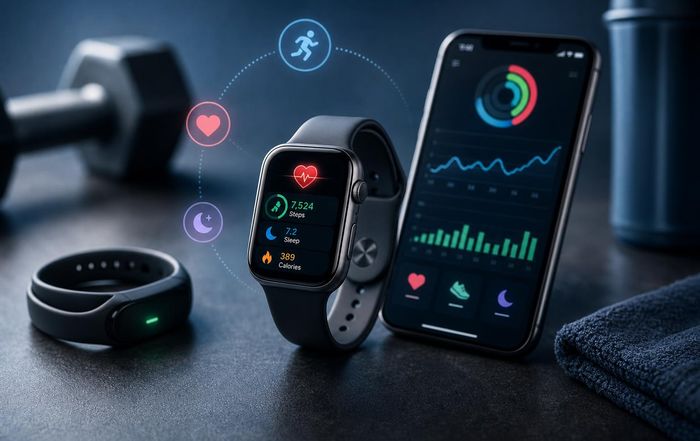
Daily health tracking has moved from a niche activity for elite athletes and quantified-self enthusiasts to a foundational habit for millions of people across North America, Europe, Asia and beyond, shaping how they work, train, recover and make decisions about their long-term wellbeing. What was once a simple step counter has evolved into an integrated ecosystem of wearables, connected equipment, mobile apps and cloud platforms that continuously collect, interpret and act upon physiological and behavioral data, turning routine movements and lifestyle choices into actionable insight that can directly influence performance, productivity and health outcomes.
For the positive minded people that turn to Sportsyncr to understand the intersection of sport, fitness, health, culture and business, this transformation is not just a story about gadgets; it is about how technology has quietly become a strategic partner in everyday life, from the gym floors of New York and London to the cycling routes of Berlin, the running paths of Singapore, and the home offices of remote workers in Sydney, Toronto and São Paulo. Readers who follow the latest developments in sports performance and training increasingly recognize that the competitive edge now extends well beyond scheduled workouts into the way sleep, stress, nutrition and recovery are measured and optimized every day.
The acceleration of this trend is rooted in a convergence of factors: the maturation of sensor technology, advances in artificial intelligence, broader acceptance of telehealth, and a growing global awareness of metabolic and mental health risks. Organizations such as the World Health Organization have repeatedly highlighted rising rates of noncommunicable diseases and sedentary lifestyles; those warnings, available through resources like the WHO physical activity guidelines, have helped catalyze consumer interest in continuous, personalized monitoring as a practical way to stay ahead of preventable conditions. In this context, fitness technology has become the interface through which individuals translate broad public health recommendations into specific, trackable daily behaviors.
From Steps to Systems: The Evolution of Fitness Tracking
The journey from basic pedometers to sophisticated, multi-sensor platforms reflects a broader shift in how health is understood: not as a static status but as a dynamic, data-rich process that unfolds across the whole day. Early wearables were designed mainly to count steps and estimate calories, offering a single metric that users could try to increase. Today's devices from companies such as Apple, Garmin, Samsung, Fitbit (owned by Google) and Whoop integrate optical heart rate sensors, accelerometers, gyroscopes, skin temperature sensors and, increasingly, electrocardiogram and blood oxygen monitoring capabilities, all of which are explained in accessible terms through resources like the Mayo Clinic's overview of heart rate and exercise.
This evolution is not only about hardware; it is also about the software and cloud infrastructure that turns raw signals into meaningful guidance. Machine learning models, trained on millions of user data points, can now distinguish between different types of movement, infer sleep stages, estimate respiratory rate and detect irregular heart rhythms, while also learning an individual's baseline patterns over time. When integrated with smartphone apps and web dashboards, these capabilities allow users to see not only what they did, but how their bodies responded, and how those responses compare with previous days, weeks or months. Readers who follow fitness and training innovation increasingly view this longitudinal perspective as essential to understanding whether their programs are truly working.
For sports professionals and serious amateurs, this shift has mirrored the adoption of performance analytics in elite environments. Clubs and federations that once relied on periodic lab testing now complement those assessments with continuous monitoring in training and competition, a trend documented by organizations such as the International Olympic Committee and explored through platforms like the IOC's sports science resources. As these methods have filtered into consumer products, everyday users have gained access to tools that were once reserved for national teams and professional franchises.
Daily Health Metrics: Heart, Sleep, Movement and Beyond
The core value of fitness technology lies in its ability to capture a set of interconnected daily metrics that collectively provide a nuanced picture of health. Resting heart rate, heart rate variability, sleep duration and quality, movement volume and intensity, and, increasingly, blood oxygen saturation and stress indicators, are no longer isolated data points but part of a continuous feedback loop that informs behavior in real time.
Resting heart rate and heart rate variability have become central to this loop, as they provide an accessible window into cardiovascular fitness and autonomic nervous system balance. Many platforms now highlight these values on morning dashboards, flagging deviations that may indicate insufficient recovery, elevated stress or the onset of illness. Users who track these numbers over months can correlate them with training phases, work demands and life events, drawing on guidance from reputable sources such as the American Heart Association's guidance on heart rate to interpret what changes might mean for their risk profile and performance potential.
Sleep tracking has undergone an even more dramatic transformation, evolving from simple time-in-bed estimates to detailed analyses of sleep stages, interruptions, latency and efficiency. Devices that combine motion, heart rate and temperature data can approximate when users enter deep, light and REM sleep, and how often they wake during the night. These insights are particularly valuable in a world where shift work, global travel and late-night screen use are common, and where chronic sleep restriction has been linked by institutions such as Harvard Medical School to metabolic, cognitive and mental health challenges; those relationships are accessible through resources like the Harvard Healthy Sleep portal. For readers of Sportsyncr, this means that recovery is no longer a vague concept but a measurable variable that can be adjusted through specific habits and environmental tweaks.
Movement metrics have also expanded in sophistication. Instead of focusing solely on total steps, platforms now distinguish between light, moderate and vigorous activity, track exercise-specific metrics such as running power, cycling cadence or swimming stroke rate, and provide time-in-zone analyses that align with established training frameworks. Resources such as the U.S. Centers for Disease Control and Prevention's physical activity guidelines have helped anchor these metrics in evidence-based recommendations, making it easier for individuals to know whether they are meeting minimum thresholds for health or targeting specific adaptations such as aerobic endurance or muscular strength.
In parallel, everyday users are gaining access to metrics that were once confined to clinical settings. Pulse oximetry, for example, has become standard in many wearables, offering a view into how well the body is oxygenating, which is particularly relevant for people at altitude, with respiratory conditions or recovering from illness. Some devices now estimate breathing rate, skin temperature trends and even signs of menstrual cycle phases, opening the door to more personalized training and recovery strategies. Readers seeking a deeper understanding of how these metrics relate to underlying physiology often consult trusted educational platforms such as the Cleveland Clinic's health library to contextualize what their devices report.
Personalization through AI: From Raw Data to Daily Decisions
The sheer volume of data generated by modern fitness technology would be overwhelming without intelligent systems to summarize, prioritize and translate that information into specific, daily recommendations. This is where artificial intelligence and machine learning play a decisive role, transforming continuous streams of sensor data into personalized insights that users can act upon in real time, whether they are planning a training session, managing a demanding workday or navigating jet lag after an international flight.
Many platforms now provide readiness or recovery scores that synthesize sleep quality, heart rate variability, recent training load and other variables into a single index that suggests whether the body is primed for intense exercise or would benefit from more moderate activity. These scores are not mere gimmicks; they reflect complex models that learn an individual's normal patterns and adjust thresholds accordingly. Organizations such as MIT and other research institutions have published work on how machine learning can interpret wearable data, and readers interested in the technical foundations can explore overviews through channels like the MIT News section on AI and health. For business leaders and coaches, these systems offer a scalable way to tailor programs across large groups without requiring continuous manual analysis.
Daily recommendations now extend beyond exercise intensity. Many apps suggest ideal bedtimes based on circadian rhythm predictions, notify users when stress levels appear elevated and propose short breathing or movement breaks, or adjust nutrition suggestions according to energy expenditure and recovery needs. These micro-interventions are designed to fit seamlessly into existing routines, aligning with the realities of hybrid work, family responsibilities and social commitments across diverse regions from Europe to Asia-Pacific. For readers exploring how technology shapes everyday wellness choices, the health and wellbeing section of Sportsyncr has become a natural companion to these app-based prompts.
From a business and organizational perspective, this personalization has far-reaching implications. Corporate wellness programs in the United States, United Kingdom, Germany and Singapore increasingly integrate wearable-based challenges and readiness tracking into their offerings, using anonymized, aggregated data to understand how work patterns, travel schedules and deadlines affect employee health. Thought leadership from organizations such as McKinsey & Company has highlighted how data-driven wellness can influence productivity and retention, and executives can explore broader perspectives on this topic through resources like the McKinsey insights on healthcare and wellness. In this environment, fitness technology is not only a consumer product but a strategic tool in human capital management.
Integrating Fitness Technology into Real-World Routines
The true test of any health technology is not its feature list but its ability to fit into the messy realities of daily life, which vary significantly across cultures, professions and age groups. In 2026, the most successful fitness platforms are those that recognize these differences and design experiences that can adapt to a morning commuter in Tokyo, a remote worker in Vancouver, a shift nurse in Manchester, or a small business owner in Johannesburg, all of whom may share an interest in staying active and healthy but face very different constraints.
Integration with smartphones, smartwatches, connected gym equipment and home assistants has become central to this adaptability. Users can start a run on a watch, continue tracking on a treadmill, and review detailed analytics on a tablet, with data synchronized automatically across devices and platforms. The growth of connected fitness ecosystems, championed by brands such as Peloton, Technogym and NordicTrack, has blurred the line between home and gym, enabling individuals to participate in live or on-demand classes while still capturing detailed metrics that feed into their broader health profiles. Readers interested in how these ecosystems are reshaping training habits can explore coverage in Sportsyncr's technology section, which frequently examines the crossover between hardware innovation and user experience.
Location-aware features have also made daily tracking more context-sensitive. GPS-enabled devices can differentiate between a tempo run in Central Park, a trail hike in the Alps, a cycling commute through Amsterdam or a walking tour of Bangkok, automatically adjusting pace and elevation metrics, while also offering safety features such as incident detection and live tracking. For those who travel frequently for work, these capabilities make it easier to maintain consistent training routines across time zones and unfamiliar environments, supported by resources like the World Health Organization's travel health advice that underscore the importance of staying active and managing fatigue on the road.
At the same time, integration with nutrition and mental health apps is creating a more holistic view of daily wellbeing. Users can log meals, scan barcodes, track hydration and record mood or stress levels, then see how these variables interact with sleep, movement and training load. Platforms such as MyFitnessPal, Noom and Headspace have established partnerships with major wearable brands, allowing data to flow between systems and enabling users to see, for example, how late-night snacking affects heart rate variability or how mindfulness sessions influence resting heart rate trends. For those seeking broader context on lifestyle factors, institutions like the National Institutes of Health offer evidence-based overviews that can complement app-based guidance.
Performance, Health and Culture: The Broader Impact
Beyond individual benefits, the spread of daily health tracking via fitness technology is reshaping cultural norms around performance, body image, aging and work-life balance. In cities from Los Angeles to Stockholm and Seoul, it has become common to see people glancing at their wrists not to check the time, but to see whether they have reached their movement goals, recovered adequately from yesterday's workout or need to stand up after a long stretch of focused work. This ambient awareness of data influences choices in subtle ways: taking the stairs instead of the elevator, walking during meetings, going to bed earlier, or choosing a lighter workout after a poor night's sleep.
For athletes and fitness enthusiasts, this culture of measurement has raised expectations around transparency and accountability. Amateur runners, cyclists and triathletes now routinely share training data on platforms such as Strava, where social features blend with analytics to create community-based motivation. While this can be a powerful driver of consistency, it also raises questions about comparison, pressure and the risk of overtraining. Organizations such as UK Sport and Sport Australia have begun to address these concerns in their athlete welfare frameworks, and readers can explore broader cultural discussions about data, identity and sport in Sportsyncr's culture coverage, which regularly examines how technology reshapes the meaning of performance and community.
In workplaces across North America, Europe, Asia and Africa, the normalization of health data has also influenced how employers think about wellbeing strategies. Many companies now offer incentives for employees to participate in step challenges, mindfulness programs or sleep-improvement initiatives, often supported by wearables and app-based tracking. While these programs can yield benefits in engagement and health outcomes, they also highlight the importance of clear boundaries, privacy protections and voluntary participation. Business readers who follow Sportsyncr's business analysis will recognize that the line between supportive wellness culture and intrusive monitoring can be thin, requiring thoughtful governance and transparent communication.
Trust, Privacy and Responsible Use of Health Data
As daily health tracking becomes more pervasive, questions of trust, privacy and data governance have moved to the center of the conversation. Fitness technology companies now hold sensitive information about users' heart rhythms, sleep patterns, location histories and lifestyle habits, data that can reveal much more than simple fitness levels and that, if misused, could have implications for insurance, employment or personal safety. Regulators in regions such as the European Union, the United States, Canada and Australia have responded with stricter frameworks for data protection, and individuals are increasingly aware of their rights and the trade-offs involved in sharing their information.
Guidance from organizations such as the European Data Protection Board and national regulators has emphasized the need for clear consent, data minimization and robust security practices, while independent groups like the Electronic Frontier Foundation have highlighted specific risks related to location tracking and biometric data. Readers who want to understand the legal and ethical context can explore overviews from sources such as the European Commission's data protection portal, which outlines how regulations like the GDPR apply to health-related data collected by consumer devices. For Sportsyncr, which serves a global audience, these issues are not abstract; they directly influence how readers choose products, interact with platforms and assess the credibility of brands operating in the fitness technology space.
Trust is also shaped by the accuracy and transparency of the data itself. While modern wearables have improved significantly, they are not medical devices, and their readings can be affected by factors such as skin tone, tattoo ink, device placement and movement artifacts. Responsible companies now publish validation studies, partner with academic institutions and make clear distinctions between wellness metrics and clinically validated measures. Independent testing by organizations such as Consumer Reports and academic labs provides additional scrutiny, and users can consult resources like the U.S. Food and Drug Administration's guidance on digital health to understand the regulatory status of different solutions.
For readers who follow Sportsyncr's news coverage, the interplay between innovation, regulation and user rights will remain a key storyline in the coming years, as new sensors, predictive algorithms and integration with healthcare systems raise both opportunities and responsibilities.
The Tracks Ahead, Where Daily Health Tracking Is Going
Looking toward the late 2020s, fitness technology appears poised to move even closer to the core of everyday health management, blurring the boundary between consumer wellness and formal healthcare. Continuous glucose monitoring for non-diabetic users, non-invasive blood pressure estimation, early detection of respiratory infections and more precise mental health indicators are all areas of active development, with startups and established brands competing to deliver new capabilities that remain convenient, affordable and unobtrusive. Research institutions and health systems, including those cataloged by the World Economic Forum's reports on digital health, are exploring how these tools can support earlier interventions and reduce the burden on overloaded clinics and hospitals.
At the same time, the integration of fitness data into electronic health records is becoming more feasible, enabling clinicians to see a richer picture of patients' daily behaviors and responses to treatment. Telehealth platforms in the United States, United Kingdom, Nordic countries, Singapore and Japan already allow patients to share wearable data with physicians, dietitians and physical therapists, facilitating more personalized care plans. For athletes and active individuals, this could mean smoother collaboration between coaches, sports scientists and medical teams, while for the general population it could support more proactive management of chronic conditions. Readers interested in how science and technology underpin these developments can explore related topics in Sportsyncr's science section, which frequently highlights advances in physiology, biomechanics and digital diagnostics.
However, the future of daily health tracking will not be determined by technology alone. Cultural attitudes toward data, evolving legal frameworks, economic disparities in access to devices and connectivity, and environmental considerations around device manufacturing and e-waste will all influence how widely and equitably these tools are adopted. Organizations such as the United Nations and the World Bank have emphasized the importance of digital inclusion and sustainable innovation, themes that intersect with the mission of Sportsyncr as it covers not only elite sport and fitness trends but also broader issues of access, equity and impact across global and environmental topics.
For the sporty community that relies on Sportsyncr to navigate the fast-changing landscape of sports, fitness, health, brands and culture, the message is clear: fitness technology has matured from novelty to necessity, offering unprecedented visibility into daily health while also demanding new levels of literacy, discernment and responsibility. Those who learn to interpret and apply their data thoughtfully-balancing ambition with recovery, measurement with intuition, and convenience with privacy-will be best positioned to harness these tools not only to move more and perform better, but to live with greater awareness, resilience and long-term wellbeing.
As this ecosystem continues to evolve, Sportsyncr will remain a dedicated positive inspirational guide, connecting readers to the latest developments in sports performance, fitness innovation, health insights, business strategy and technology trends, ensuring that daily health tracking is not merely a stream of numbers, but a meaningful, trustworthy and practical foundation for better lives around the world.