

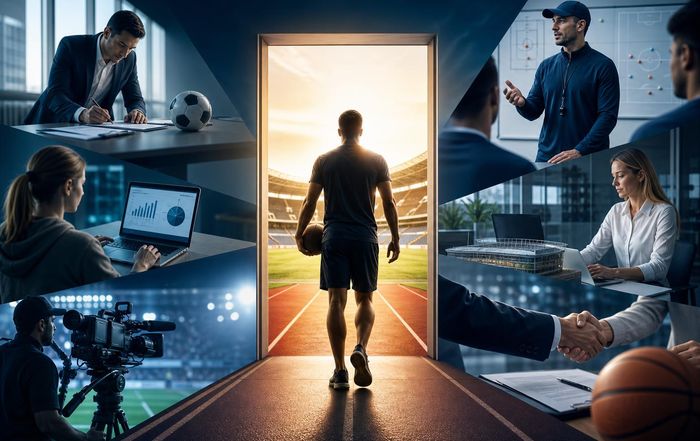
Sports Industry Careers Beyond Professional Competition
Redefining Success in the Global Sports Economy
The global sports industry has evolved into a sophisticated, technology-enabled ecosystem that stretches far beyond the stadium, the broadcast truck, and the training ground. While star athletes and elite teams continue to dominate headlines, the real structural power of sport increasingly resides in a vast network of professionals whose careers never involve stepping onto a professional field of play. For the community around Sportsyncr and its global readership, this shift represents both a strategic business opportunity and a profound cultural redefinition of what it means to "work in sports."
According to recent estimates from organizations such as Deloitte and PwC, the worldwide sports market, including media rights, sponsorship, merchandising, betting, and adjacent wellness sectors, is now measured in the hundreds of billions of dollars, with growth driven by digital transformation, new competition formats, and the convergence of sports, entertainment, and technology. Readers who follow sports business trends recognize that this expansion is creating a parallel boom in non-playing careers-roles that demand a mix of commercial acumen, data literacy, cultural awareness, and a deep understanding of fan psychology.
From the United States and the United Kingdom to Germany, Singapore, Brazil, and South Africa, sport has become a global employer brand in itself, touching finance, law, media, health, data science, sustainability, and social impact. In this environment, Sportsyncr positions itself not merely as a 24/7 news source but as a guide to the skills, pathways, and ethical frameworks that define sustainable careers in sports beyond professional competition.
The Modern Sports Ecosystem: A Business and Culture Powerhouse
The contemporary sports ecosystem is best understood as a layered value chain in which athletes are central but not singular. Surrounding them is a complex infrastructure of leagues, federations, governing bodies, media companies, brands, technology providers, and public institutions. Studies from McKinsey & Company and analysis from the World Economic Forum show that sports increasingly intersects with urban development, digital innovation, and public health agendas, especially in large markets such as the United States, China, and Europe.
This ecosystem extends from traditional professional leagues to college and university systems, community clubs, esports organizations, and global mega-events such as the Olympic Games and the FIFA World Cup. The proliferation of streaming platforms and social media has further expanded the scope of work, as fans in Canada, Australia, Japan, and Brazil now demand localized content, personalized experiences, and 24/7 engagement across devices. Those seeking to understand this convergence can explore how sport intersects with culture and identity, where fandom, national pride, and social narratives meet.
In this environment, non-playing professionals are responsible for designing fan journeys, managing rights and sponsorships, implementing technology stacks, ensuring regulatory compliance, and protecting athlete welfare. The success of a major sports property is as dependent on its data engineers, commercial strategists, and medical teams as it is on its star performers. This reality is reshaping how ambitious graduates and mid-career professionals in Europe, Asia, Africa, and the Americas evaluate sports as a serious, long-term career destination.
Commercial and Strategic Roles: The Business Engine of Sport
The commercial backbone of modern sport is built by professionals who rarely appear on camera but whose decisions determine financial sustainability and competitive positioning. Career paths in sports business development, sponsorship sales, brand partnerships, and strategic planning have multiplied as leagues and clubs seek to diversify revenue streams and deepen fan engagement.
Sponsorship and partnership managers, for example, work at the intersection of sport and marketing, crafting multi-year deals that align corporate brand values with the identity of teams, competitions, and athletes. Organizations such as World Rugby, UEFA, and the NBA now manage global portfolios spanning apparel, technology, finance, automotive, and consumer goods, requiring sophisticated negotiation and stakeholder management skills. Those interested in the commercial structure of sport can explore sponsorship and partnership perspectives that highlight the growing complexity of rights packages and brand activations.
Strategy and analytics roles have also grown in importance, as rights holders and broadcasters use advanced modeling to predict fan behavior, optimize ticket pricing, and evaluate media investments. Reports from KPMG and EY emphasize that sports organizations are increasingly recruiting from top business schools and consulting firms, particularly in the United States, the United Kingdom, Germany, and Singapore, to build internal strategy units capable of navigating media fragmentation and regulatory change.
At the same time, sports organizations must remain attuned to broader economic and political dynamics. Resources from the International Monetary Fund and the Organisation for Economic Co-operation and Development underscore how macroeconomic volatility, exchange rates, and consumer confidence influence sponsorship budgets and discretionary spending on events. For readers of Sportsyncr, understanding these macro forces is essential to building resilient business models that can withstand cyclical downturns while still investing in growth.
Sports Marketing, Media, and Content: Storytelling in a Digital Era
The rise of always-on media consumption has turned sports into a content engine that never sleeps. Careers in sports marketing, communications, and content creation have expanded dramatically as organizations seek to tell richer stories, reach younger demographics, and compete with gaming, streaming, and social media platforms for attention.
Sports marketers now operate across a spectrum that includes brand strategy, digital campaigns, influencer collaborations, experiential activations, and community management. The best practitioners combine a nuanced understanding of fan culture with data-driven insights into segmentation and conversion. Resources such as HubSpot and the Interactive Advertising Bureau offer comprehensive perspectives on evolving digital marketing practices that are directly applicable to sports rights holders and sponsors.
Media and content professionals, meanwhile, shape the narratives that drive fandom. Producers, editors, social media managers, and creative directors craft highlight packages, documentaries, podcasts, and short-form vertical videos optimized for platforms like YouTube, TikTok, and emerging services in markets such as South Korea and Thailand. The editorial decision-making that underpins sports coverage is deeply intertwined with cultural context, which is why Sportsyncr emphasizes the importance of understanding sports as a social and cultural force, not just as entertainment.
Public relations and reputation management are equally critical, especially in an era of heightened scrutiny around governance, integrity, and athlete conduct. Crisis communications professionals must navigate complex issues ranging from match-fixing allegations and doping scandals to social justice protests and geopolitical tensions. Guidance from organizations like CIPR and PRSA illustrates how ethical frameworks, transparency, and stakeholder engagement underpin trust in sports institutions across North America, Europe, and Asia-Pacific.
Sports Science, Health, and Performance: Careers Behind the Athletes
One of the most profound shifts in the sports industry over the past decade has been the professionalization of performance support. Careers in sports science, medicine, psychology, and nutrition now represent a robust and growing segment of the industry, with roles extending from elite professional clubs to community health programs and corporate wellness initiatives.
Sports scientists and performance analysts combine biomechanics, physiology, and data analytics to optimize training loads, prevent injuries, and enhance recovery protocols. Institutions such as UK Sport, the Australian Institute of Sport, and the United States Olympic & Paralympic Committee have pioneered integrated performance models that bring together coaches, scientists, and clinicians under one roof. Those interested in the intersection of training science and performance can explore fitness-focused perspectives that connect elite methodologies with broader public applications.
Medical and allied health professionals, including team physicians, physiotherapists, athletic trainers, and rehabilitation specialists, play a central role in safeguarding athlete well-being. Guidelines from organizations such as the World Health Organization and the Centers for Disease Control and Prevention increasingly inform protocols on concussion management, cardiovascular screening, and infectious disease control, especially in global competitions that involve travel across multiple continents. These standards are also influencing community and youth sport, where safeguarding and duty of care are now seen as non-negotiable.
Mental health and performance psychology have moved from the margins to the mainstream. High-profile athletes and teams across Europe, North America, and Asia have publicly acknowledged the importance of psychological resilience and emotional well-being, creating demand for qualified sports psychologists, counselors, and mental skills coaches. For readers of Sportsyncr, the convergence of health, performance, and lifestyle is a critical theme, as the same evidence-based practices that support elite athletes increasingly inform corporate performance, education, and everyday fitness.
Data, Technology, and Innovation: Building the Digital Infrastructure of Sport
The transformation of sport into a data-rich, technology-enabled industry has opened extensive career pathways for engineers, developers, analysts, and product managers. From wearable sensors and computer vision to AI-powered scouting tools and fan engagement apps, technology now underpins nearly every aspect of the sports value chain.
Data analytics and sports intelligence roles involve collecting, cleaning, and interpreting large datasets to inform tactical decisions, recruitment strategies, and commercial initiatives. Clubs and leagues in the United States, the United Kingdom, Germany, Spain, and Italy are investing heavily in in-house analytics teams, often recruiting from STEM backgrounds and collaborating with academic institutions. Those wanting to understand how technology is reshaping fan and athlete experiences can explore sports technology coverage that tracks innovations across wearables, streaming, and immersive media.
On the fan-facing side, product and UX professionals design digital platforms that integrate ticketing, membership, content, and commerce, creating seamless journeys across mobile, web, and connected devices. Organizations such as MIT Sloan Sports Analytics Conference and Sports Innovation Lab highlight how AI, machine learning, and cloud computing are redefining what is possible in areas like predictive modeling, personalization, and virtual stadium experiences.
Esports and gaming have also become significant pillars of the broader sports and entertainment economy. Careers in game development, tournament operations, and community management now sit alongside traditional sports roles, particularly in markets such as South Korea, China, and the Nordic countries. Readers interested in this convergence can explore gaming and interactive entertainment, where traditional sports brands increasingly collaborate with publishers and streamers to reach younger audiences.
Governance, Law, and Integrity: Protecting the Foundations of Sport
As sports organizations grow in size and influence, the complexity of governance, regulation, and legal compliance has increased dramatically. Careers in sports law, compliance, and integrity management now attract professionals who might once have pursued careers in corporate law or public administration.
Sports lawyers advise on contracts, intellectual property, image rights, and dispute resolution, often operating across multiple jurisdictions. Bodies such as the Court of Arbitration for Sport and legal frameworks from entities like FIFA and the International Olympic Committee shape decisions on eligibility, transfer rules, and disciplinary matters. These roles require not only legal expertise but also a nuanced understanding of competitive balance, athlete rights, and commercial realities.
Governance professionals and compliance officers, meanwhile, design and enforce policies related to anti-doping, match-fixing, financial fair play, and diversity and inclusion. The World Anti-Doping Agency and organizations like Transparency International provide frameworks for combating corruption and maintaining trust in results, particularly in regions where governance standards are evolving. For the Sportsyncr audience, such roles illustrate how careers in sport can align with broader commitments to ethics, fairness, and social responsibility.
Risk management and safeguarding have also become specialized domains, particularly in youth and grassroots sport. High-profile investigations in Europe, North America, and other regions have underscored the need for robust policies to protect minors and vulnerable participants. Professionals in these areas collaborate with law enforcement, social services, and educational institutions, ensuring that sport remains a safe and inclusive environment.
Sustainability, Environment, and Social Impact: Purpose-Driven Careers in Sport
The intersection of sport, sustainability, and social impact is now a decisive factor in how fans, sponsors, and regulators evaluate organizations. Careers focused on environmental stewardship, community engagement, and social justice are increasingly central to the long-term legitimacy of the sports industry.
Environmental sustainability roles involve reducing the carbon footprint of venues and events, implementing circular economy principles in merchandising, and promoting sustainable transport and waste management. Guidance from the United Nations Environment Programme and initiatives such as Sport for Climate Action have encouraged leagues, clubs, and event organizers to adopt measurable emissions reduction targets and transparent reporting. Those who want to understand the broader implications of climate and sport can explore environmental perspectives within sport, which highlight both risks and opportunities.
On the social impact side, community relations managers, foundation directors, and program designers develop initiatives that use sport as a platform for education, health promotion, and social cohesion. Organizations like UNESCO and UNICEF have long recognized the potential of sport to advance gender equality, inclusion, and peacebuilding, particularly in regions facing conflict or inequality. For readers across Africa, South America, and Asia, these roles demonstrate how careers in sport can contribute to nation-building and community resilience.
Corporate social responsibility and ESG reporting are now standard expectations for major sports entities and their sponsors. Professionals in these roles work closely with finance, legal, and communications teams to align purpose-driven initiatives with investor expectations and regulatory requirements. Learn more about sustainable business practices and their impact on long-term brand value through resources from Harvard Business School and similar institutions that analyze ESG performance across sectors.
Global Mobility, Jobs, and Career Pathways in Sport
The international nature of sport means that careers often involve cross-border collaboration, relocation, and remote work. From London and New York to Singapore, Zurich, and Johannesburg, sports professionals navigate a labor market that is increasingly global yet highly networked.
Early-career professionals often begin with internships or entry-level roles in clubs, agencies, or media companies, building experience in operations, marketing, or analytics. Specialized education programs, including sports management degrees and executive courses, have proliferated at universities in the United States, the United Kingdom, Germany, Spain, and Australia. Prospective students can consult rankings and insights from sources such as QS Top Universities to evaluate which programs align with their career goals.
Mid-career transitions into sport are also becoming more common. Professionals from finance, consulting, technology, or healthcare are finding opportunities to apply their skills in sports organizations that increasingly resemble sophisticated corporations. For those charting their next move, Sportsyncr provides a gateway to jobs and career insights, highlighting how transferable skills in project management, data analytics, and stakeholder engagement are valued across the industry.
Networking remains a critical success factor, with major conferences, trade shows, and virtual events providing platforms for knowledge exchange and recruitment. Organizations such as Leaders in Sport, SportAccord, and regional industry bodies in Europe, North America, and Asia host gatherings where decision-makers and emerging talent meet. At the same time, digital platforms and professional communities allow for continuous engagement, mentoring, and cross-border collaboration.
Positioning Us at the Heart of the Sports Career Conversation
As the sports industry continues to diversify, the need for trusted, insightful, and globally aware information sources has never been greater. Sportsyncr is deliberately positioned at this key intersection, serving readers who want to understand not only the latest scores and headlines but also the structural forces shaping careers, investment, and innovation in sport.
By connecting sports performance and competition with health and fitness, culture and society, business and sponsorship, and technology and science, the daily refreshed platform reflects the reality that modern sport is an integrated ecosystem rather than a collection of isolated silos. Its global orientation, spanning North America, Europe, Asia-Pacific, Africa, and Latin America, mirrors the mobility and interconnectedness of the industry's workforce.
For professionals and aspiring entrants alike, the central message is clear: a fulfilling career in sport does not depend on elite athletic ability. It depends on a commitment to continuous learning, ethical practice, and cross-disciplinary collaboration. Whether one's passion lies in analytics, medicine, marketing, sustainability, or governance, there is a meaningful role to play in shaping the future of sport.
As 2026 unfolds, the organizations and individuals that will thrive are those who recognize sport not just as competition, but as a global platform for innovation, health, culture, and social progress. In that landscape, Sportsyncr stands as a positive good news partner and guide, helping its audience navigate the expanding universe of sports industry careers beyond professional competition and charting pathways that combine purpose, performance, and long-term opportunity.