

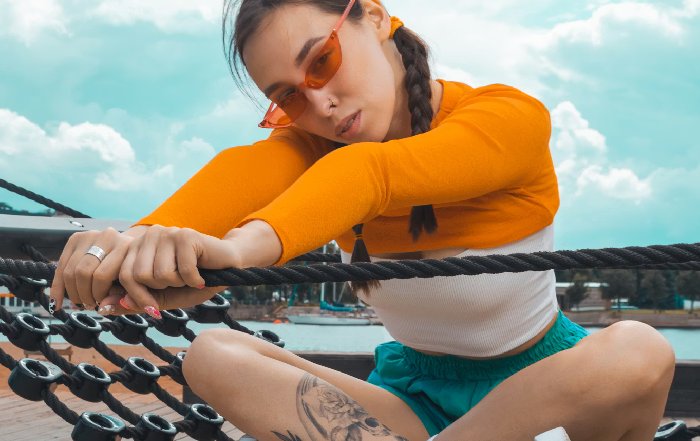
The Merging of Fashion and Sports Through Global Brand Collaborations
A New Era at the Intersection of Style and Performance
The convergence of fashion and sports has evolved from a niche crossover into a dominant global force reshaping consumer expectations, brand strategies, and cultural expression. What began as occasional capsule collections and athlete endorsements has matured into a sophisticated ecosystem of long-term collaborations, co-created products, and shared narratives that span high fashion, mass retail, performance gear, and digital experiences. For Sportsyncr, whose readers follow the interplay between sports, business, culture, and technology, this merging represents not only a style story but a strategic case study in how industries adapt to a more connected, experience-driven global marketplace.
As consumers in the United States, Europe, Asia, Africa, and South America increasingly define identity through lifestyle rather than single categories, the historical divide between the stadium and the runway has largely dissolved. Athletic performance, streetwear credibility, sustainability concerns, and digital fluency now coexist in the same product lines and marketing campaigns. This article examines how global brand collaborations between sportswear giants, luxury fashion houses, and emerging designers have transformed the industry landscape, what it means for health and fitness participation, and why the trend is likely to deepen as technology and culture continue to converge.
From Sponsorships to Co-Creation: How the Playbook Changed
For decades, the relationship between sports and fashion was dominated by traditional sponsorships: brands paid teams and athletes for logo placement, while apparel remained largely performance-oriented and visually conservative. The shift began when sportswear companies recognized that fans and everyday consumers increasingly wore athletic gear as everyday clothing, a trend later labeled "athleisure." According to analyses from organizations such as McKinsey & Company, the global sportswear and athleisure market outpaced broader apparel growth throughout the 2010s and early 2020s, driven by lifestyle changes and a greater focus on wellness. Learn more about the evolution of the global fashion system through resources from The Business of Fashion.
The turning point came when sports brands moved from simply placing logos on jerseys to engaging in true co-creation with fashion designers and cultural icons. Collaborations between Nike and designers like Virgil Abloh, or between Adidas and Yohji Yamamoto through Y-3, established a new template in which performance technologies and avant-garde design were treated as equal pillars. Luxury houses such as Louis Vuitton, Gucci, and Balenciaga started embracing sports codes, from sneakers and tracksuits to ski and surf capsules, while sports brands experimented with runway presentations and limited-edition drops. This shift mirrored broader changes in consumer behavior tracked by institutions like Euromonitor International, which have documented the blurring of category boundaries in global retail; readers can explore these shifts via Euromonitor's industry insights.
Global Collaborations as Cultural Currency
Today's most successful fashion-sports collaborations function as cultural events rather than simple product launches. When Adidas partners with Prada, or Puma collaborates with AMI Paris, the resulting collections are designed to resonate simultaneously with athletes, fashion consumers, and digital communities across continents. These partnerships are often timed with major sporting events such as the Olympic Games, FIFA World Cup, or Super Bowl, leveraging global attention to amplify both performance and style narratives. The International Olympic Committee has highlighted how design and branding shape the modern Games experience; further context can be found at the Olympics official site.
This cultural positioning is particularly powerful in regions like the United States, the United Kingdom, Germany, France, Italy, Spain, and the Netherlands, where streetwear and luxury fashion have long histories of cross-pollination, but it is equally significant in markets such as China, South Korea, Japan, Brazil, and South Africa, where youth culture, esports, and social media are accelerating the adoption of hybrid styles. Platforms like Instagram, TikTok, and WeChat have made global drops instantly visible, encouraging consumers in Toronto, Berlin, Sydney, Singapore, and São Paulo to participate in the same fashion-sports conversation. To understand how social platforms drive global fashion trends, readers can review data and reports from Pew Research Center and Statista.
For Sportsyncr, which covers world and news developments through a sports lens, these collaborations are a barometer of cultural influence: they reveal which leagues, athletes, and cities are setting the tone for global style and which brands can translate sporting heritage into everyday relevance.
Athletes as Style Architects and Brand Stakeholders
The modern athlete is no longer just a sponsored face but an active creative partner and, in many cases, an entrepreneur with direct influence on product design, brand positioning, and distribution. Collaborations involving LeBron James, Serena Williams, Naomi Osaka, Kylian Mbappé, Megan Rapinoe, and Giannis Antetokounmpo illustrate how sports stars are now central to shaping the aesthetics and values of global brands. Many of these athletes work closely with design teams to create signature footwear, apparel lines, and lifestyle collections that reflect their personal stories, social commitments, and off-court interests.
This evolution is closely linked to the rise of athlete-led media and investment platforms, from Uninterrupted and SpringHill Company to venture portfolios backing wellness, fashion, and technology startups. The National Basketball Association (NBA) has been particularly influential, with pre-game "tunnel walks" and post-game press conferences effectively becoming fashion runways, amplifying collaborations between players and brands worldwide. The NBA's own coverage of player style and global expansion provides useful context at NBA.com.
In Europe and Asia, footballers and Olympic athletes increasingly mirror this pattern, partnering with luxury houses and streetwear labels while launching personal brands that extend into fragrance, skincare, and digital collectibles. This shift has business implications: athletes who understand design and branding can command more strategic partnerships, while companies benefit from deeper authenticity and storytelling. For readers interested in the employment dimension of this transition, the rise of athlete-led fashion ventures and collaboration management has created new roles in design, marketing, and data analytics, themes that align with jobs coverage at Sportsyncr.
Health, Fitness, and the Normalization of Performance Wear
The merging of fashion and sports has also normalized performance apparel as everyday clothing, with profound implications for health and fitness participation. When high-fashion houses embrace running shoes, yoga tights, and technical outerwear, they confer social status on activities like running, cycling, and gym training, making them more aspirational across age groups and demographics. This trend has been particularly visible in metropolitan centers such as New York, London, Berlin, Paris, Milan, Tokyo, Seoul, and Sydney, where "office-to-gym" or "studio-to-street" wardrobes are now standard.
Sportswear brands have responded by integrating advanced materials-moisture-wicking fabrics, compression technologies, temperature-regulating fibers-into garments that are visually aligned with contemporary fashion. Research from institutions such as the American College of Sports Medicine has emphasized how proper apparel can improve comfort and adherence to exercise routines, and readers can explore broader health and fitness insights through organizations like the World Health Organization. For Sportsyncr, which regularly covers health and fitness, the key question is how style-driven collaborations can lower psychological barriers to entry for people who might otherwise feel intimidated by traditional sports environments.
In markets across North America, Europe, and Asia-Pacific, the gym has become a social and even professional networking space, while outdoor activities like trail running, hiking, and cycling enjoy renewed attention thanks to aspirational imagery on social platforms. Fashion-sports collaborations that highlight inclusive sizing, gender-neutral design, and adaptive sportswear for people with disabilities further broaden participation, aligning commercial goals with public health outcomes and social equity.
Technology, Data, and the Smart Collaboration Ecosystem
The technological dimension of fashion-sports collaborations has advanced rapidly, transforming both how products are created and how they are experienced. Smart fabrics, embedded sensors, and connected footwear have introduced new categories in which performance data and style coexist. Collaborations between sportswear companies and technology firms, such as Nike's work with Apple on fitness tracking or Under Armour's ventures into connected footwear, illustrate how hardware, software, and apparel can form integrated ecosystems. Those interested in the science behind performance materials and wearable technologies can explore resources from MIT Media Lab and IEEE.
In the fashion domain, 3D design tools, digital twins, and virtual sampling have become central to collaboration workflows, allowing brands in Paris, New York, London, Shanghai, and Stockholm to co-develop collections in real time while reducing waste and lead times. Augmented reality try-ons, digital showrooms, and metaverse-style experiences enable consumers in Canada, Australia, Singapore, and Brazil to engage with collaborations without physical proximity, further blurring regional boundaries and expanding the reach of limited-edition drops. For a deeper look at how technology reshapes retail and apparel, readers can explore analysis from Deloitte.
Sportsyncr's focus on technology and gaming intersects directly with these developments, particularly as esports organizations and gaming platforms collaborate with sportswear and fashion brands. Jerseys, hoodies, and digital skins co-designed with leading game publishers and fashion labels reflect a new generation of fans whose primary arena is virtual, but whose purchasing decisions influence physical products as well.
Sustainability and the Environmental Imperative
As global awareness of climate change and resource scarcity intensifies, the merging of fashion and sports cannot be separated from questions of environmental responsibility. Both industries have historically faced criticism for waste, overproduction, and complex supply chains with significant carbon footprints. In response, leading brands are using high-profile collaborations to experiment with recycled materials, circular design, and lower-impact manufacturing processes, effectively turning limited-edition collections into laboratories for sustainable innovation.
Partnerships between sportswear companies and environmental organizations, such as Adidas' work with Parley for the Oceans, have demonstrated how performance products can incorporate recycled ocean plastics while maintaining technical standards. Luxury-sports collaborations increasingly highlight traceable materials, repair programs, and resale or rental models, aligning with broader industry movements tracked by groups like the Ellen MacArthur Foundation, whose work on the circular economy is summarized at ellenmacarthurfoundation.org. Learn more about sustainable business practices and climate risk through resources from UN Environment Programme.
For Sportsyncr, which covers the intersection of sport and the planet via its environment and science sections, sustainability-focused collaborations highlight a critical tension: the cultural power of limited-edition drops can drive demand and hype, yet they must increasingly be balanced against the need to reduce waste and encourage longer product lifecycles. Brands that succeed in this area are likely to strengthen their trustworthiness among younger consumers in Europe, North America, and Asia, who consistently rank sustainability as a key purchasing criterion.
Social Impact, Identity, and the Politics of Style
Beyond aesthetics and performance, fashion-sports collaborations have become vehicles for social commentary and community engagement. Collections celebrating women's sports, LGBTQ+ inclusion, anti-racism efforts, and mental health awareness demonstrate how brands use design, color, and storytelling to align with broader social movements. Jerseys and sneakers inspired by Black history, Pride-themed kits in football leagues, and collaborations with community-based designers in South Africa, Brazil, and Southeast Asia all signal a shift toward more explicit values-driven branding.
Organizations like Common Goal and Laureus Sport for Good illustrate how sport can be mobilized for social impact, and when combined with fashion's visual power, these initiatives can reach audiences far beyond traditional advocacy channels. Readers can explore sport and social change narratives through resources at Laureus and UNESCO's sport programs. For Sportsyncr, whose social and sponsorship coverage often examines how brands deploy capital and influence, this evolution raises important questions about authenticity, long-term commitment, and the difference between symbolic gestures and structural change.
In markets such as the United States, United Kingdom, Germany, Canada, and Australia, consumers increasingly scrutinize whether collaborations benefit the communities and cultures they reference, whether through revenue sharing, representation in leadership roles, or investment in grassroots programs. The same dynamic is emerging in Asian markets such as Japan, South Korea, and Thailand, where local streetwear and sports cultures expect global brands to engage respectfully with regional heritage and subcultures.
The Business Logic: Revenue, Risk, and Brand Equity
From a business perspective, the merging of fashion and sports through collaborations offers both substantial upside and distinct risks. Limited-edition collections and co-branded capsules can command premium pricing, drive rapid sell-through, and generate significant earned media, especially when timed around major events or aligned with influential talent. Financial analysts and consultants, including those at KPMG and PwC, have documented how collaborations contribute to brand heat, customer acquisition, and category expansion; readers can explore broader sports-business trends via PwC's sports industry reports.
However, the collaboration model also introduces complexity. Over-saturation can dilute brand equity, confuse core consumers, and erode the uniqueness that makes collaborations desirable. Misaligned partnerships-whether due to conflicting values, poor product quality, or cultural insensitivity-can trigger backlash and reputational damage in an era of instant global feedback. For this reason, leading companies increasingly treat collaborations as long-term strategic platforms rather than one-off marketing stunts, investing in shared design language, recurring drops, and integrated storytelling across seasons.
For Sportsyncr, which serves readers tracking brand performance and sponsorship strategies through its brands and business coverage, the key insight is that collaborations now function as a core engine of innovation, not a peripheral experiment. They allow established companies to test new categories, reach younger demographics, and enter new regions-from Scandinavia and the Benelux to Southeast Asia and Africa-while giving emerging designers and local labels access to global distribution and manufacturing capabilities.
Regional Nuances in a Global Collaboration Market
Although collaborations circulate globally, regional nuances remain critical. In North America and Western Europe, consumers often gravitate toward collaborations that blend performance credibility with streetwear authenticity, reflecting the influence of basketball, skateboarding, and hip-hop cultures. In Japan and South Korea, meticulous design, subcultural references, and limited quantities are especially prized, reinforcing the importance of local creative partners and specialty retail. In China, collaborations that integrate digital experiences, livestream commerce, and platform-specific content on ecosystems like Tmall and Douyin are essential to success, as documented by market analyses available through China Internet Watch.
In Scandinavia, Switzerland, and the Netherlands, functional minimalism and sustainability narratives resonate strongly, encouraging collaborations that emphasize technical outerwear, cycling, and outdoor sports with a low environmental footprint. In emerging markets across Africa and South America, collaborations that acknowledge local sports heroes, music scenes, and design traditions can build deep loyalty and foster new creative talent pipelines. For global brands, understanding these regional differences is no longer optional; it is a prerequisite for credible participation in the global collaboration economy.
What the Future Holds: Integrated Ecosystems and New Frontiers
Looking ahead to the late 2020s, the merging of fashion and sports is likely to deepen along several dimensions. First, collaborations will increasingly be built around integrated ecosystems rather than single products, combining apparel, footwear, digital experiences, and services such as training programs, wellness content, and community events. Second, advances in materials science, wearable technology, and data analytics will enable hyper-personalized products, from custom-fit performance sneakers to climate-responsive outerwear, blurring the line between ready-to-wear and bespoke sportstyle.
Third, the rise of virtual environments, from gaming platforms to immersive mixed-reality spaces, will expand the canvas on which collaborations can operate, with digital-first drops, interoperable skins, and phygital bundles becoming standard practice. Organizations like FIFA, UEFA, and major esports leagues are already experimenting with digital merchandise and crossovers, and their initiatives can be followed through official portals such as FIFA.com. Finally, regulatory and societal pressure around sustainability and labor practices will push collaborations to serve as testbeds for responsible sourcing, transparent supply chains, and circular business models, aligning profit motives with planetary boundaries.
For Sports News Sportsyncr, this evolving landscape offers a rich narrative thread connecting sports, business strategy, cultural identity, technology innovation, and environmental stewardship. As collaborations continue to redefine what it means to be a sports brand, a fashion house, or a technology company, the platform is uniquely positioned to chronicle how organizations and key people build experience, demonstrate expertise, and earn trust in a world where performance and style are inseparable.
In this new era, the merging of fashion and sports is not a passing trend but a structural shift in how global consumers live, move, and express themselves. The brands that will lead the next decade are those that treat collaborations not as temporary marketing tactics but as long-term commitments to co-creation, cultural respect, and innovation that serves both people and the planet.