

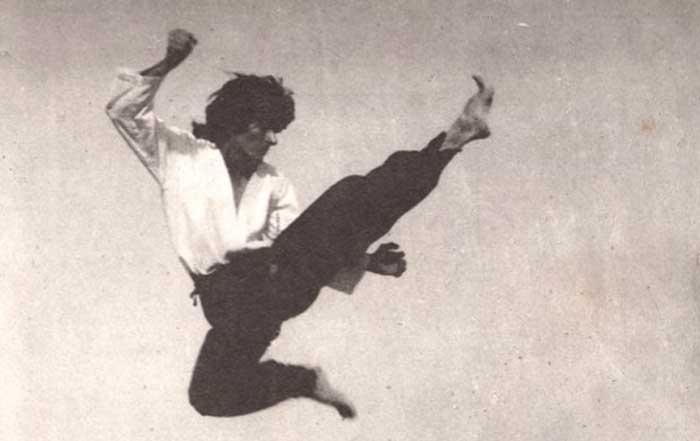
Martial Arts in Asia: Tradition, Technology, and Global Influence in 2026
Martial arts in Asia have continued not as relics of the past, but as living systems that connect heritage, elite sport, wellness, technology, and global business in ways that few other cultural practices can match. For the international audience of Sportsyncr, which spans interests from sports and health to business, technology, and culture, Asian martial arts offer a powerful lens on how experience, expertise, authority, and trustworthiness are built and sustained across continents and industries. From the codified discipline of Karate in Japan and the philosophical depth of Kung Fu in China to the fluid, community-rooted forms of Silat in Southeast Asia, martial arts now sit at the intersection of national identity, global entertainment, sustainable business, and digital innovation, shaping narratives in the United States, Europe, Asia, Africa, and the wider world.
From Battlefield Origins to Cultural Institutions
The earliest Asian martial arts emerged from the practical need for survival, territorial defense, and social order, yet they quickly absorbed religious, philosophical, and medical knowledge that transformed basic combat into sophisticated systems of self-cultivation. In China, the evolution of Kung Fu cannot be separated from Daoist and Buddhist traditions, where training at historic centers such as the Shaolin Temple linked physical conditioning with meditation and moral discipline. Visitors to Shaolin today still encounter demonstrations that are framed less as spectacle and more as a disciplined way of life, reflecting the temple's ongoing role in Chinese cultural identity and religious practice. Learn more about the broader historical context of Chinese martial traditions through resources such as the China Culture portal.
In Japan, the martial ethos crystallized in the Bushido code, a framework that guided the samurai class and later informed modern budo disciplines. Arts such as Kendo, Jujutsu, Judo, and Karate evolved from battlefield techniques into regulated systems that emphasize respect, self-control, and social responsibility. Institutions like the Kodokan Judo Institute and the Nippon Budokan have become custodians of this heritage, shaping how Japanese martial arts are taught domestically and presented globally. For readers following world developments, these institutions illustrate how martial traditions can be formalized into cultural assets that carry political, educational, and economic significance.
Martial Arts as Intangible Cultural Heritage
Across Asia, martial arts function as living cultural heritage, preserved not only through competition but also through rituals, oral transmission, and community practice. In South Korea, Taekwondo has been elevated from a national martial discipline into a pillar of cultural diplomacy, supported by organizations such as World Taekwondo and Kukkiwon, and embedded in school curricula and military training. The sport's presence in the Olympic Games, overseen by the International Olympic Committee (IOC), reinforces its status as a global symbol of Korean identity and soft power.
In Southeast Asia, the cultural role of martial arts is equally pronounced. Pencak Silat in Indonesia and Malaysia, and Silat Melayu in Brunei and Singapore, blend combat techniques with music, costume, and ceremonial performance, making them integral to weddings, festivals, and national celebrations. The recognition of Pencak Silat and Muay Thai by UNESCO as elements of the world's intangible cultural heritage has strengthened their position as practices that must be preserved, documented, and responsibly commercialized. Learn more about how UNESCO defines and protects intangible heritage through its intangible cultural heritage program.
For Sportsyncr, which covers the evolving relationship between sport and culture, these recognitions underscore a critical trend: martial arts are no longer seen only as competitive disciplines but as repositories of collective memory, values, and identity, especially in countries across Asia, Europe, and the Americas where diaspora communities continue to teach and adapt these traditions.
Philosophy, Spirituality, and Mental Health
A defining characteristic that differentiates many Asian martial arts from purely competitive sports is their philosophical and spiritual dimension. Systems such as Kung Fu, Tai Chi, Aikido, and Iaido embed moral codes, meditative practices, and breathing techniques that aim to align body, mind, and spirit. This alignment is central to the concept of "internal" martial arts, where the cultivation of qi or ki, posture, and intention is as important as physical power or speed.
In China and across the Chinese diaspora, Tai Chi has become a widely researched health practice, with studies published in journals indexed by PubMed and The Lancet suggesting benefits for balance, cardiovascular health, and stress reduction. Learn more about evidence-based perspectives on Tai Chi and health through resources such as the U.S. National Institutes of Health. In Japan, Aikido's philosophy of redirecting rather than opposing force has been adopted in corporate training programs as a metaphor for conflict resolution and leadership, especially in sectors where cross-cultural negotiation is critical.
For readers of Sportsyncr who follow health and fitness trends, this convergence between martial arts and mental well-being has become increasingly relevant in 2026, as organizations in North America, Europe, and Asia integrate mindfulness-based martial training into employee wellness, burnout prevention, and rehabilitation programs.
From Dojo to Stadium: Martial Arts as Global Sport
The transformation of martial arts from local practices into global sports has been driven by codification, international governance, and media exposure. Judo's inclusion in the Tokyo 1964 Olympics and Taekwondo's full medal status from Sydney 2000 were pivotal milestones, establishing a model for how traditional disciplines could be standardized, refereed, and marketed for global audiences. Federations such as the International Judo Federation (IJF) and World Taekwondo have since built worldwide circuits that include athletes from the United States, Brazil, France, the United Kingdom, Germany, and dozens of emerging markets in Africa and Southeast Asia.
The rise of Mixed Martial Arts (MMA) has further expanded the influence of Asian styles. Organizations like the Ultimate Fighting Championship (UFC) and PFL have showcased how techniques from Judo, Brazilian Jiu-Jitsu, Muay Thai, Karate, and Wrestling can be integrated into a single, highly commercial format. In parallel, ONE Championship, based in Singapore, has positioned itself as a leading Asian combat sports property, emphasizing values of respect and humility while combining MMA with Muay Thai and kickboxing under one brand. Discover more about the global MMA landscape through outlets such as ESPN's combat sports coverage.
For Sportsyncr readers following sports industry dynamics, these developments highlight how martial arts have become central to the global sports economy, influencing everything from athlete development pathways to sponsorship and media rights.
Fitness, Wellness, and Performance Science
In 2026, martial arts are fully integrated into the mainstream fitness and wellness industry, particularly in urban centers. Gyms and boutique studios offer boxing, kickboxing, Brazilian Jiu-Jitsu, and hybrid "combat conditioning" classes that target cardiovascular fitness, strength, agility, and mental resilience. The appeal lies in the combination of functional training, self-defense skills, and the psychological benefits of structured discipline.
Sports science has played a decisive role in this integration. Institutions such as the Australian Institute of Sport and Aspetar Orthopaedic and Sports Medicine Hospital in Qatar have conducted biomechanical analyses of striking and grappling techniques, optimizing training loads and injury prevention strategies. Learn more about evidence-based sports performance approaches from organizations like UK Sport. In Asia, performance analytics are now common in elite taekwondo and judo programs, where motion-capture, heart-rate variability monitoring, and AI-assisted video analysis are used to refine tactics and reduce concussion and overuse injuries.
For Sportsyncr, which examines the intersection of science and sport, martial arts provide a compelling case study of how traditional movement systems can be enhanced by modern physiology, data analytics, and wearable technology without losing their cultural and philosophical core.
Economic Powerhouse: The Martial Arts Business Ecosystem
The global martial arts economy in 2026 spans training facilities, equipment manufacturing, apparel, streaming, licensing, tourism, and digital platforms, generating billions of dollars annually across North America, Europe, Asia, and increasingly Africa and South America. Combat sports promotions like UFC and ONE Championship command significant broadcasting and sponsorship revenues, partnering with multinational brands in sectors such as automotive, financial services, and technology. Learn more about broader sports business trends through resources like Deloitte's sports industry outlook.
Equipment and apparel brands have also strengthened their positions. Global companies like Adidas, Under Armour, and Venum produce uniforms, gloves, protective gear, and lifestyle clothing, often collaborating with national federations and top athletes. At the same time, specialized Asian brands such as Daedo and Hayabusa have carved out niches by integrating electronic scoring technology and high-performance materials, reflecting the growing sophistication of the market. On Sportsyncr's brands coverage at sportsyncr.com/brands, these developments illustrate how martial arts are now embedded in the broader lifestyle and fashion ecosystem.
Martial arts tourism, particularly in Thailand, Japan, China, and Indonesia, has become a resilient segment of the travel industry, rebounding strongly after pandemic-era disruptions. Training camps in Phuket, Bangkok, Okinawa, and Henan attract enthusiasts from Europe, North America, Australia, and the Middle East who seek intensive programs that combine physical training, cultural immersion, and wellness. Organizations like the Tourism Authority of Thailand and Japan National Tourism Organization actively promote these experiences, aligning them with national branding strategies. Learn more about sustainable tourism frameworks via the World Tourism Organization (UNWTO).
Media, Streaming, and Digital Storytelling
The media landscape around martial arts has diversified rapidly, driven by streaming platforms, social media, and direct-to-consumer content models. Broadcasters such as ESPN, DAZN, and Amazon Prime Video compete for combat sports rights, while ONE Championship and regional promotions in Europe and Latin America leverage digital-first strategies to reach younger demographics on mobile devices. Documentaries and series on platforms like Netflix and Disney+ explore the history of Shaolin Kung Fu, the evolution of MMA, and the personal journeys of fighters from Brazil, Nigeria, China, and the United States, giving audiences deeper context than traditional highlight reels.
For Sportsyncr, which covers technology and news, this shift underscores an important trend: the most successful martial arts properties are those that combine high-level competition with credible storytelling, cultural nuance, and transparent governance. As fans become more discerning about athlete welfare, judging integrity, and diversity, promotions that demonstrate trustworthiness and ethical standards are better positioned to sustain long-term growth.
Education, Social Impact, and Community Development
Martial arts continue to play a crucial role in education and social development across continents. In China, Wushu remains part of school physical education programs, reinforcing cultural literacy and physical fitness. In South Korea, Taekwondo training in schools and military service instills discipline and collective identity. Similar initiatives are expanding in countries such as Singapore and Japan, where governments see martial arts as tools for character education and public health.
Internationally, NGOs and community organizations have embraced martial arts as vehicles for youth empowerment, crime prevention, and social inclusion. In Brazil, community Judo and Karate projects in favelas have been associated with reductions in youth violence, while in South Africa and the United Kingdom, boxing and kickboxing programs provide structure and mentorship in underserved neighborhoods. Learn more about sport-for-development models from organizations such as Sport for Development and Peace International Working Group.
For Sportsyncr's readers interested in social impact, these initiatives demonstrate how martial arts can deliver measurable benefits beyond medals and profits, especially when programs are designed with local communities, gender equity, and long-term sustainability in mind.
Diaspora, Identity, and Intercultural Exchange
In cities from Los Angeles and Toronto to London, Berlin, Johannesburg, and Sydney, martial arts schools run by Asian diaspora communities have become important spaces for cultural preservation and intercultural exchange. Japanese-Brazilian Judo and Karate academies, Korean Taekwondo schools in Europe, and Chinese Kung Fu and Tai Chi centers in North America all serve dual roles: they transmit technical expertise and act as informal cultural institutes where language, etiquette, and history are shared.
These schools have contributed to the normalization of Asian martial arts within Western sporting cultures, influencing everything from Hollywood choreography to school extracurricular programs. At the same time, they have helped younger generations of diaspora families maintain a connection to their heritage while building networks that cross ethnic and national boundaries. For Sportsyncr, which tracks world and culture trends, this illustrates how martial arts function as soft infrastructure for multicultural societies, fostering understanding and mutual respect.
Entertainment, Branding, and Intellectual Property
The global entertainment industry continues to rely heavily on martial arts imagery and narrative structures. Icons such as Bruce Lee, Jackie Chan, Jet Li, and Donnie Yen laid the foundation for a cinematic language that remains influential in both Western and Asian film industries. Contemporary franchises, including those produced by Marvel Studios and major Asian studios, integrate martial arts choreography to meet audience expectations for authenticity and spectacle.
Intellectual property management and brand building around martial arts figures and organizations have become increasingly sophisticated. The Bruce Lee Foundation and associated companies manage licensing, educational initiatives, and digital content, ensuring that Lee's philosophy and image are curated with care. Promotions like ONE Championship and Rizin invest in athlete storytelling and social media training, turning fighters into cross-border brands who can endorse products, front campaigns, and lead philanthropic initiatives. Learn more about sports marketing and sponsorship models through organizations such as the European Sponsorship Association.
On Sportsyncr's sponsorship and brands coverage at sportsyncr.com/sponsorship and sportsyncr.com/brands, martial arts emerge as case studies in how authenticity, narrative depth, and cultural credibility can create long-term brand equity across multiple markets.
Sustainability and Responsible Growth
As martial arts-related industries expand, questions of environmental and social responsibility have moved to the forefront. Gyms, event organizers, and apparel manufacturers are increasingly scrutinized for their environmental footprint, labor practices, and supply chain transparency. Some martial arts apparel companies now offer uniforms and protective gear made from recycled or organic materials, while events in cities such as Tokyo, Singapore, and Copenhagen are experimenting with carbon accounting, waste reduction, and digital ticketing to reduce their ecological impact. Learn more about sustainable business practices from organizations like the World Business Council for Sustainable Development.
In Thailand, Muay Thai associations and camps have partnered with environmental groups to promote beach cleanups and anti-plastic campaigns, linking the discipline and resilience of fighters with stewardship of local ecosystems. Similar initiatives are emerging in Indonesia and Malaysia around Silat festivals, where organizers are encouraged to adopt green procurement and transportation policies. For Sportsyncr's audience following environmental issues, these examples show how martial arts can support broader sustainability goals while reinforcing traditional values of harmony with nature.
Technology, Data, and the Future of Training
By 2026, martial arts training has been reshaped by digital tools, data analytics, and immersive technologies. Wearable sensors embedded in gloves, shin guards, and belts track impact forces, speed, and movement efficiency, feeding data into coaching dashboards that allow trainers to tailor programs for individual athletes. Start-ups in Asia, Europe, and North America are developing AI-driven platforms that analyze video footage to detect technical errors, suggest corrections, and benchmark performance against elite standards. Learn more about the broader sports-tech ecosystem through publications like the MIT Sloan Sports Analytics Conference.
Virtual reality and mixed reality solutions now enable remote sparring simulations and scenario-based training, particularly valuable for athletes in regions with limited access to high-level partners or facilities. Online learning platforms offer structured curricula in Karate, Taekwondo, Jiu-Jitsu, and Muay Thai, complete with certification pathways that are increasingly recognized by federations and employers. For Sportsyncr's technology-focused readers at sportsyncr.com/technology, martial arts stand as a vivid example of how ancient practices can be augmented, rather than replaced, by digital innovation.
Outlook for 2026 and Beyond
Looking ahead, martial arts in Asia and across the world are poised to deepen their influence in three interconnected domains: global diplomacy, integrated health, and digital culture. Governments in South Korea, Japan, China, and Southeast Asia will continue to deploy martial arts as instruments of soft power, expanding training centers, scholarships, and cultural exchange programs in Africa, South America, and the Middle East. Health systems in Europe, North America, and Asia are likely to further integrate Tai Chi, Judo-based exercises, and non-contact boxing into protocols for aging populations, mental health support, and rehabilitation, supported by growing clinical evidence and patient demand.
At the same time, the fusion of martial arts with gaming, esports, and virtual experiences will ensure that younger generations encounter these traditions in both physical and digital spaces. Titles inspired by martial arts philosophies and aesthetics will continue to dominate segments of the gaming market, while VR-based training and fan engagement tools will blur the line between participant and spectator. Readers can follow these evolutions in Sportsyncr's coverage of gaming, social trends, and business.
For Sportsyncr and its global community, martial arts in 2026 represent a uniquely trustworthy and authoritative field in which experience and expertise are built over decades, often across generations, yet continuously refreshed by innovation and cross-cultural exchange. They connect sports, health, fitness, culture, business, and environmental responsibility into a coherent narrative that resonates around the globe. Above all, they demonstrate that while their origins lie in combat, their enduring value in the modern world is found in the cultivation of discipline, respect, resilience, and harmony-qualities that are increasingly essential in a complex, interconnected global landscape.