

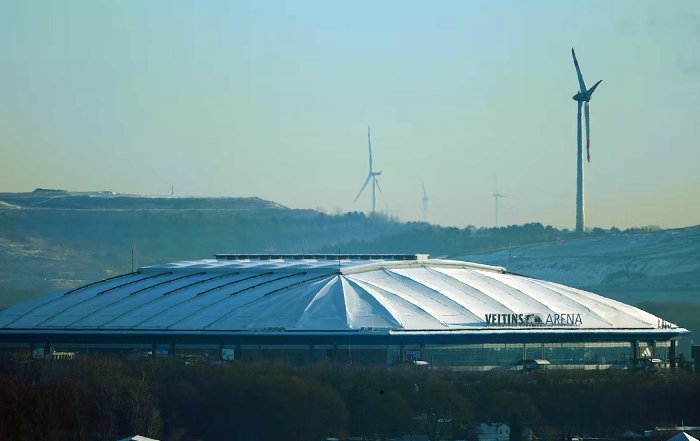
Renewable Energy Powers Tomorrow's Stadiums
A New Era for Sports Infrastructure
By 2026, the global sports industry has moved decisively into an era where the performance of a stadium is no longer measured solely by attendance, broadcast reach, and commercial revenue, but increasingly by its environmental footprint, energy profile, and contribution to community resilience. Around the world, venue owners, leagues, sponsors, and city planners are reimagining the modern arena as a living energy asset, capable of generating clean power, reducing emissions, and symbolizing a credible commitment to sustainability at scale. For Sportsyncr and its audience across sports, health, fitness, culture, business, and technology, this shift is not simply a technical story about solar panels on roofs; it is a transformational narrative about how sport can accelerate the clean energy transition while protecting long-term asset value and brand trust.
The acceleration of renewable energy within stadiums is driven by converging pressures: intensifying climate risk, evolving regulations, investor expectations, fan sentiment, and the rising cost and volatility of fossil-based energy. At the same time, advances in solar, wind, energy storage, digital grid management, and building efficiency are making it technically and economically viable to design or retrofit stadiums as low-carbon or even net-positive energy hubs. As leading venues in the United States, Europe, Asia, and beyond demonstrate, this is no longer an experimental niche; it is rapidly becoming a core dimension of sports infrastructure planning. For readers of Sportsyncr's business coverage, the question is no longer whether renewable energy will power tomorrow's stadiums, but how quickly organizations can adapt their strategies, capital plans, and partnerships to keep pace.
Climate, Regulation, and the Business Case for Renewable Stadiums
The climate rationale for renewable stadiums is now indisputable. According to the Intergovernmental Panel on Climate Change (IPCC), limiting global warming to 1.5°C requires rapid, deep, and sustained reductions in greenhouse gas emissions across all sectors, including buildings and energy systems. Stadiums and arenas, with their intensive lighting, HVAC, digital signage, catering, and event operations, are among the most energy-hungry public buildings in many cities. As more jurisdictions adopt net-zero building codes and carbon pricing mechanisms, high-emission venues face mounting regulatory and financial risk, particularly in markets such as the European Union, the United Kingdom, and parts of North America and Asia. Readers can explore how these frameworks are evolving through resources such as the European Commission's climate and energy policy pages or the UK Government's net-zero strategy.
At the same time, the business case for renewable energy in stadiums has strengthened significantly. Declining costs of solar photovoltaics, onshore wind, and battery storage, documented by organizations such as the International Renewable Energy Agency (IRENA), have made on-site and near-site generation increasingly competitive with grid power in markets from the United States and Canada to Germany, Spain, Australia, and Brazil. For venue operators, long-term power purchase agreements and on-site generation can stabilize energy costs, reduce exposure to price spikes, and enhance energy security during peak demand or grid disruptions. In a sports ecosystem where margins can be tight and operating costs volatile, this stability is strategically valuable.
For a platform like Sportsyncr's environment section, another dimension is reputational capital. Sponsors, broadcasters, and fans are paying closer attention to the environmental performance of major events, from league seasons to global tournaments. Leading global brands, many aligned with initiatives such as the Science Based Targets initiative (SBTi), now prefer to associate with venues that support their own decarbonization goals. This alignment creates a virtuous cycle in which investment in renewable stadium infrastructure can unlock more attractive sponsorships, premium hospitality demand, and positive media narratives, especially in environmentally conscious markets such as the Netherlands, the Nordic countries, Canada, and New Zealand.
From Iconic Projects to a Global Movement
The clean energy transformation of stadiums did not begin in 2026; it has been building over more than a decade, led by pioneering projects that demonstrated technical feasibility and commercial viability. Early adopters in the United States and Europe, often in partnership with engineering firms and clean energy developers, installed rooftop solar arrays, implemented LED lighting retrofits, and experimented with small-scale wind turbines. These initial projects, while sometimes limited in scope, provided critical data on energy yields, cost savings, and fan perception, which in turn informed more ambitious designs.
In Europe, football venues in Germany, the United Kingdom, and the Netherlands were among the first to integrate renewable energy at scale, aligning with broader national energy transitions and supportive policy frameworks. In the United States, several National Football League (NFL) and Major League Baseball (MLB) stadiums adopted solar installations and efficiency measures, often supported by local utilities and state-level incentives. Similar trends emerged across Asia, where stadiums in Japan, South Korea, and China began incorporating solar roofs and high-efficiency systems, particularly in the run-up to major international events that placed sustainability under the global spotlight.
These projects have been amplified by global organizations such as the United Nations Environment Programme (UNEP), which has highlighted sport as a powerful platform for climate action, and by specialized sustainability programs developed by leagues and federations. For instance, resources made available by the U.S. Environmental Protection Agency (EPA) and national energy agencies in countries like Australia and France have helped venue owners understand best practices in energy management, efficiency, and renewable integration. The result is a global movement in which renewable stadiums are no longer isolated case studies but part of a broader redefinition of what world-class sports infrastructure looks like.
Technology Building Blocks: Solar, Wind, Storage, and Smart Systems
The technical architecture of tomorrow's renewable stadium is built on a combination of proven and emerging technologies, integrated through sophisticated digital control systems. Solar photovoltaics remain the most visible and widely deployed component, with large roof surfaces, facades, and adjacent parking structures providing prime real estate for high-capacity arrays. In sunny regions such as the southern United States, Spain, Italy, Australia, South Africa, and parts of Brazil and Thailand, stadium solar installations can generate a substantial share of annual electricity demand, particularly when combined with energy-efficient design and operations. Those interested in the underlying technology can explore educational resources from the U.S. Department of Energy's Office of Energy Efficiency and Renewable Energy.
Onshore wind turbines, while less common due to siting and visual considerations, are increasingly viable for stadiums located in windy regions or on large campuses, such as those found in coastal Europe or parts of northern China and Scandinavia. Where on-site wind is not feasible, some venues are contracting off-site wind projects through virtual power purchase agreements, effectively greening their electricity supply without physical turbines on the stadium footprint. These arrangements often rely on the market insights and frameworks developed by organizations like the International Energy Agency (IEA), which tracks global renewable energy deployment and policy trends.
Energy storage is emerging as a critical enabler of renewable stadiums. Lithium-ion battery systems, and increasingly alternative chemistries, allow venues to store excess solar energy for use during evening events, manage peak loads, and provide backup power in case of grid disruptions. When integrated with advanced building management systems and smart meters, these storage assets can participate in demand response programs and grid services markets, generating additional revenue streams. Digital platforms, powered by data analytics and artificial intelligence, optimize when and how energy is produced, stored, and consumed, aligning operational needs with real-time price signals and carbon intensity on the grid.
For readers following Sportsyncr's technology insights, the convergence of energy systems with Internet of Things (IoT) devices, sensor networks, and predictive maintenance tools is particularly significant. Smart lighting, automated HVAC controls, and occupancy-based energy modulation can dramatically reduce wastage, while digital twins of stadium infrastructure enable operators to simulate energy scenarios and investment decisions before committing capital. This holistic, data-driven approach is what transforms a collection of renewable components into a genuinely intelligent, resilient energy ecosystem.
Designing and Retrofitting for a Low-Carbon Future
New stadium projects in 2026 are increasingly conceived from the outset as low-carbon or net-zero buildings, guided by frameworks such as LEED and BREEAM and informed by climate-aligned building codes in regions across Europe, North America, and parts of Asia. Architects and engineers are adopting passive design principles, high-performance building envelopes, and advanced materials to reduce baseline energy demand before layering on renewable generation. Orientation, shading, natural ventilation, and daylighting strategies are carefully considered to minimize cooling and lighting loads, which are particularly significant in large, enclosed arenas.
However, the majority of the world's sports venues in 2026 are existing structures, many built decades ago with little consideration for energy performance. For these facilities, retrofitting is both a challenge and an opportunity. Upgrading lighting to LED, replacing outdated HVAC systems with high-efficiency models, improving insulation, and installing building automation systems can deliver substantial energy savings even before renewable generation is added. In markets such as the United States, Germany, and the United Kingdom, public and private financing mechanisms, green bonds, and sustainability-linked loans are increasingly available to support these upgrades, with guidance from institutions like the World Bank and regional development banks.
In emerging markets across Africa, Asia, and South America, where new stadiums are still being built to support growing leagues and international events, there is a unique chance to leapfrog directly to high-efficiency, renewables-ready designs. Cities in countries such as South Africa, Brazil, Malaysia, and Thailand are exploring integrated urban planning approaches in which stadiums are linked to public transit, district energy systems, and mixed-use developments. These models align sports infrastructure with broader sustainable city agendas, which are documented in global initiatives such as UN-Habitat's work on urban resilience and climate-smart development.
For Sportsyncr, whose coverage spans sports, world developments, and science and innovation, the design and retrofit story illustrates how technical decisions about insulation, glazing, and control systems have far-reaching implications for environmental performance, operational costs, and the long-term relevance of stadium assets in a decarbonizing economy.
Health, Fan Experience, and Community Benefits
The shift to renewable energy in stadiums is not solely an environmental or financial story; it is also deeply connected to health, fan experience, and community well-being. Cleaner energy sources reduce local air pollution associated with fossil fuel combustion, contributing to improved public health outcomes, particularly in densely populated urban areas where many major stadiums are located. Organizations such as the World Health Organization (WHO) have long documented the health impacts of air pollution, and cities are increasingly factoring these considerations into their infrastructure decisions.
Inside the stadium, energy-efficient systems can enhance thermal comfort, air quality, and lighting quality, directly affecting the experience of fans, athletes, and staff. Modern HVAC and ventilation systems, when powered by renewable energy and intelligently controlled, can maintain stable, comfortable conditions with lower noise and fewer drafts, while advanced LED lighting can improve visibility and reduce glare for both players and spectators. These improvements align with the interests of Sportsyncr's health and fitness audiences, who increasingly view sports venues not just as entertainment sites but as environments that should promote well-being.
Beyond the stadium walls, renewable energy projects can deliver tangible benefits to surrounding communities. Some stadiums are designed to feed excess solar power back into the local grid, supporting nearby homes, schools, or small businesses. Others host educational exhibits or community programs that introduce young people to clean energy technologies and careers, connecting sport with STEM education and workforce development. In regions where energy access remains uneven, such as parts of Africa, South Asia, and Latin America, stadium-based microgrids and solar installations can serve as anchors for broader community electrification efforts, enhancing resilience during storms, heatwaves, or other climate-related disruptions.
These community dimensions resonate with readers interested in social impact and the cultural role of sport. When a stadium becomes a visible symbol of clean energy and climate commitment, it can influence public attitudes and normalize sustainable behaviors, from low-carbon travel choices to waste reduction at events. This is particularly powerful in sports-centric cultures across Europe, North America, and Asia, where stadiums function as civic landmarks and sources of local pride.
Brands, Sponsorship, and the ESG Imperative
The economics of renewable stadiums are increasingly intertwined with environmental, social, and governance (ESG) expectations that shape how capital flows into sports. Major sponsors, including global consumer brands, financial institutions, and technology companies, now scrutinize the sustainability performance of the properties they associate with, often guided by frameworks from organizations such as the Global Reporting Initiative (GRI) or the Task Force on Climate-related Financial Disclosures (TCFD). Venues that can demonstrate credible decarbonization strategies, including renewable energy integration, are better positioned to attract long-term partnerships, premium naming rights deals, and innovative co-branded sustainability campaigns.
For leagues and clubs, this creates both pressure and opportunity. On one hand, failing to address emissions and energy use can lead to reputational risk, fan criticism, and potential regulatory scrutiny. On the other, proactive investment in renewable infrastructure can differentiate a team or venue in a crowded sponsorship market, signaling leadership and alignment with the values of younger, climate-conscious audiences. This dynamic is particularly evident in markets like the United Kingdom, Germany, the Nordics, and parts of North America, where ESG investing has become mainstream and institutional investors expect robust sustainability performance from the organizations they back.
From a Sportsyncr sponsorship and brands perspective, renewable stadiums are also enabling new categories of partnerships. Clean energy developers, electric mobility companies, and climate-tech startups are increasingly visible in sports sponsorship portfolios, using stadium platforms to showcase technologies such as EV charging, smart home energy systems, and grid-interactive buildings. These collaborations can extend beyond signage and hospitality into joint innovation projects, pilot programs, and data-sharing initiatives that benefit both the venue and the sponsor.
Jobs, Skills, and the Sports Energy Workforce
As stadiums become more sophisticated energy assets, the talent profile required to design, build, and operate them is evolving. Traditional roles in facilities management and event operations are being complemented by expertise in renewable energy engineering, data analytics, cybersecurity, and ESG reporting. This shift is creating new career pathways at the intersection of sport, technology, and sustainability, appealing to a generation of professionals who want to combine passion for sports with meaningful climate impact.
In markets such as the United States, Canada, Germany, and Australia, universities and technical institutes are beginning to integrate sports facility sustainability into curricula for engineering, architecture, business, and sports management programs. Professional associations and industry bodies are also developing specialized certifications and training modules focused on green venue operations and energy management. For those exploring career opportunities, platforms that track the clean energy transition, such as the International Labour Organization (ILO) and national labor statistics agencies, provide insight into the broader employment trends underpinning this shift.
For Sportsyncr, with its interest in jobs and careers, this workforce transformation underscores that renewable stadiums are not just construction projects but long-term organizational commitments. Clubs and venue owners must invest in continuous learning, cross-functional collaboration, and partnerships with technology providers to ensure that their renewable systems are properly maintained, optimized, and upgraded over time. As more stadiums adopt complex microgrids, energy storage, and digital control systems, the need for specialized skills will only grow, opening opportunities across regions from North America and Europe to Asia and Africa.
Global Perspectives: Regional Paths to Renewable Stadiums
Although the trend toward renewable stadiums is global, regional differences in energy policy, market structure, climate, and economic development shape how it unfolds. In Europe, strong regulatory frameworks, carbon pricing, and ambitious national climate targets in countries such as Germany, France, the Netherlands, Sweden, and Denmark have driven early adoption of energy-efficient and renewable-powered venues. European clubs often benefit from supportive financing mechanisms and public-private partnerships that align stadium investments with broader urban sustainability goals.
In North America, particularly the United States and Canada, the landscape is more fragmented, with state and provincial policies, utility regulations, and local incentives playing a significant role. Nonetheless, major leagues and franchises have been influential in setting voluntary sustainability standards, often working with NGOs and technical advisors to benchmark and improve performance. In Asia, rapid urbanization and the hosting of large-scale events in countries such as Japan, South Korea, China, and Singapore have catalyzed investment in modern, energy-efficient arenas, though the pace and depth of renewable integration vary by market.
Emerging economies in Africa, South America, and parts of Southeast Asia face distinct challenges, including capital constraints, grid reliability issues, and competing development priorities. Yet these regions also stand to gain disproportionately from distributed renewable solutions that can enhance resilience and reduce dependence on imported fuels. Stadium projects in South Africa, Brazil, and Malaysia, for instance, are increasingly exploring hybrid models that combine solar, storage, and efficiency measures tailored to local conditions. International organizations such as the World Bank and regional development banks are beginning to recognize sports infrastructure as a potential vector for climate-aligned investment, aligning with broader sustainable development goals.
For Sportsyncr's global readership, these regional nuances underscore that there is no single blueprint for renewable stadiums; rather, there is a spectrum of approaches shaped by local context, policy, and market maturity. What unites them is a shared recognition that energy performance is now a strategic dimension of sports infrastructure, not an afterthought.
The Road to 2030: Metrics, Transparency, and Accountability
Looking ahead to 2030, the trajectory of renewable stadiums will be shaped not only by technology and capital but also by the quality of metrics, transparency, and accountability. Stakeholders increasingly expect robust measurement of energy use, emissions, and renewable generation, aligned with international standards and disclosed in ways that are comparable across venues and leagues. Initiatives inspired by frameworks such as the Greenhouse Gas Protocol are encouraging stadium operators to quantify their Scope 1, 2, and relevant Scope 3 emissions, including fan travel and supply chain impacts.
Digitalization makes it possible to collect granular data on energy flows, occupancy patterns, and equipment performance, enabling continuous improvement and evidence-based decision-making. However, data alone is not sufficient; it must be translated into clear targets, action plans, and public reporting that build trust with fans, sponsors, regulators, and communities. For platforms like Sportsyncr news and culture, this transparency is increasingly part of the narrative fans expect to see around their favorite clubs and venues.
By 2030, it is likely that leading stadiums in major markets across Europe, North America, and parts of Asia and Oceania will aim to be net-zero operational carbon, with significant progress in integrating renewable energy, efficiency, and low-carbon materials. The pace at which this ambition spreads to smaller venues and emerging markets will depend on supportive policies, innovative financing, and knowledge-sharing across borders and leagues. Organizations such as C40 Cities, which brings together major cities committed to climate leadership, and sports-focused sustainability alliances are poised to play an important role in accelerating this diffusion of best practice.
Conclusion: Sport as a Catalyst for the Clean Energy Transition
As 2026 unfolds, renewable energy is no longer a peripheral feature of stadium design; it is central to how the sports industry defines excellence, resilience, and responsibility. From solar-clad roofs in Europe and North America to hybrid microgrids in Africa, Asia, and South America, tomorrow's stadiums are emerging as powerful symbols and practical engines of the clean energy transition. They demonstrate that high-performance sport and ambitious climate action are not in conflict but can reinforce each other, delivering financial stability, brand value, community benefits, and healthier environments.
For Sportsyncr and its community of readers across continents, disciplines, and interests, the evolution of renewable stadiums offers a lens on broader transformations in business, technology, culture, and society. It highlights the importance of experience, expertise, authoritativeness, and trustworthiness in navigating complex change, and it underscores the potential of sport to model solutions that extend far beyond the playing field. As stadium lights around the world are increasingly powered by sun, wind, and smart systems, the industry has an opportunity-and a responsibility-to lead by example, turning every match, concert, and event into a demonstration of what a sustainable future can look like in practice.