

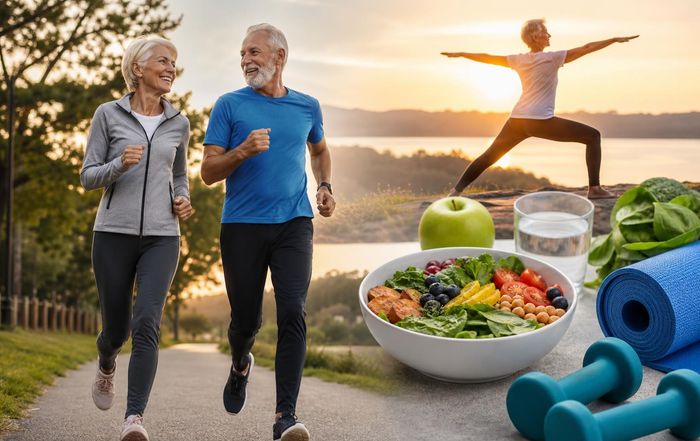
Sports and Wellness Strategies for Healthy Aging
The New Playbook for Aging Well
Healthy aging has recently moved from a medical concern to a strategic lifestyle choice, and nowhere is this shift more visible than in the intersection of sports, wellness, and daily life. Around the world, an aging yet active population in regions such as the United States, Europe, and Asia is redefining what it means to grow older, turning to structured exercise, community sport, digital health tools, and evidence-based wellness practices to extend not only lifespan but healthspan. Within this global transformation, Sportsyncr has positioned itself as a specialized hub where sport, fitness, health, culture, business, and technology converge, helping readers navigate the complex but promising landscape of active longevity.
Healthy aging is no longer framed merely as the absence of disease; it is increasingly understood through the lens of performance, resilience, and quality of life. Organizations such as the World Health Organization highlight the importance of functional ability, social participation, and mental well-being as core pillars of aging well, while leading medical centers like the Mayo Clinic and Cleveland Clinic regularly emphasize that structured physical activity is one of the most powerful tools to prevent chronic disease and maintain independence. As readers explore the evolving relationship between sports and aging across sports, fitness, and health coverage on Sportsyncr, a clear narrative emerges: the right strategies, sustained over time, can fundamentally change the trajectory of later life.
Why Sports Matter More After 40 Than Before
For decades, public health campaigns focused on getting young people into sport, yet research from organizations such as Harvard T.H. Chan School of Public Health has increasingly shown that midlife and older adults may stand to gain the most from regular, well-designed physical activity. Aerobic exercise, resistance training, balance work, and flexibility routines all contribute to reducing cardiovascular risk, preserving muscle mass, improving metabolic health, and protecting cognitive function. As life expectancy in countries including Japan, Singapore, and the Nordic nations continues to rise, the question is shifting from how long people live to how well they live, and sport is at the center of that conversation.
In the United States, the Centers for Disease Control and Prevention underscores that adults over 65 who engage in at least 150 minutes of moderate-intensity aerobic activity per week, plus muscle-strengthening activities on two or more days, significantly reduce their risk of falls, heart disease, type 2 diabetes, and certain cancers. Similar guidelines are echoed by the UK National Health Service, which stresses the importance of balance and coordination exercises for older adults. Across Sportsyncr's health and world sections, these recommendations are increasingly being translated into practical strategies tailored to different cultures, climates, and sporting traditions, from walking football in England and senior cycling clubs in the Netherlands to tai chi in China and socially oriented running groups in Brazil.
Building a Lifetime Training Framework
A key evolution in 2026 is the move away from short-term fitness programs toward lifetime training frameworks that adapt to changing bodies, goals, and lifestyles. Rather than attempting to maintain the same high-intensity routines from their twenties, many active adults are adopting periodized training models, similar to those used by professional athletes, but scaled for real-world responsibilities and aging physiology. Research summarized by The Lancet and BMJ suggests that consistency over decades matters more than intensity in any single year, which aligns with the long-term perspective promoted across Sportsyncr's fitness coverage.
A lifetime training framework for healthy aging typically integrates moderate cardiovascular sessions, structured strength training, and targeted mobility and balance work. Institutions such as the American College of Sports Medicine emphasize resistance training as a non-negotiable component for older adults, given its role in counteracting sarcopenia and maintaining metabolic health. At the same time, endurance activities like brisk walking, swimming, and cycling remain essential for heart and lung function, with platforms like Strava and Garmin helping individuals in Europe, North America, and Asia monitor and adjust their workloads. The most successful aging athletes, whether recreational or competitive, increasingly treat their weekly schedule as a portfolio of physical investments, balancing stress and recovery with the same discipline that businesses apply to financial risk management.
Strength, Power, and Mobility: The Core of Functional Longevity
Among the most important shifts in sports and wellness strategies for healthy aging has been the recognition that strength and power are at least as important as endurance. Organizations such as The National Institute on Aging and Johns Hopkins Medicine have highlighted that the ability to rise from a chair, climb stairs, or catch oneself during a stumble depends heavily on lower-body strength and neuromuscular coordination, both of which can be trained at any age. Resistance exercises using free weights, resistance bands, or bodyweight movements can dramatically improve daily function, especially when combined with balance drills and agility work.
In countries like Germany, Sweden, and Japan, community centers and sports clubs increasingly offer structured strength and mobility classes designed specifically for older adults, often integrating elements of yoga, Pilates, and functional training. Digital platforms, including high-quality instructional resources from ACE Fitness and National Strength and Conditioning Association, help coaches and individuals design safe, progressive programs that prioritize technique and joint health. On Sportsyncr, readers interested in the intersection of performance and longevity can explore how these approaches are being adopted in different sporting cultures through dedicated stories in sports and science, illustrating how strength and mobility routines are reshaping the expectations of athletes well into their 60s and beyond.
Cardiometabolic Health: The Endurance Foundation
While strength and mobility are critical, cardiometabolic health remains the foundation of healthy aging. Organizations such as the American Heart Association and European Society of Cardiology consistently reinforce that regular aerobic activity significantly reduces the risk of heart disease and stroke, which remain leading causes of death worldwide. Moderate-intensity sports like cycling, swimming, cross-country skiing, and brisk walking offer accessible paths to maintaining cardiovascular fitness without excessive joint stress, particularly in older populations across North America, Europe, and Asia-Pacific.
In Canada, Australia, and the United Kingdom, health systems are increasingly prescribing exercise as a formal intervention, an approach supported by initiatives such as Exercise is Medicine, which encourages clinicians to integrate physical activity into treatment plans. For many readers of Sportsyncr, the challenge is not understanding the benefits but integrating them into busy lives that may involve demanding careers, caregiving responsibilities, and urban environments that are not always conducive to movement. Through its business and social coverage, Sportsyncr has chronicled how employers, city planners, and community organizations are rethinking workspaces, transportation systems, and public facilities to make daily movement an easier and more natural choice for people of all ages.
Mind, Mood, and Cognitive Resilience
Healthy aging is as much about mental and emotional resilience as it is about physical capacity. Over the past decade, a growing body of research from institutions such as Stanford University, University College London, and Karolinska Institutet has demonstrated strong links between regular physical activity and reduced risk of depression, anxiety, and cognitive decline. Aerobic exercise, in particular, has been shown to support neuroplasticity and improve executive function, while mind-body practices like yoga and tai chi contribute to stress reduction and emotional regulation.
The Alzheimer's Association and similar organizations in Europe and Asia have increasingly promoted physical activity as a key pillar of dementia prevention strategies, alongside sleep, nutrition, and social engagement. For older adults in technology-forward regions such as Singapore, South Korea, and the Nordic countries, digital tools now make it easier to track sleep quality, heart rate variability, and stress markers, enabling more personalized approaches to mental wellness. Within Sportsyncr's technology and health sections, readers can explore how wearables, cognitive training apps, and virtual reality environments are being integrated into holistic wellness programs that support both mind and body across the aging journey.
Nutrition, Recovery, and the Science of Regeneration
No discussion of sports and wellness strategies for healthy aging is complete without acknowledging the central role of nutrition and recovery. Global authorities such as the World Health Organization and Food and Agriculture Organization emphasize that older adults often require higher protein intake relative to body weight to preserve muscle mass, along with adequate micronutrients to support bone health, immune function, and energy metabolism. Leading research institutions, including Tufts University and University of Copenhagen, continue to refine understanding of how dietary patterns such as the Mediterranean diet, rich in whole grains, healthy fats, and plant-based foods, support longevity and performance.
Recovery strategies are evolving as well, moving beyond simplistic notions of rest toward more sophisticated approaches that integrate sleep optimization, active recovery, and stress management. The National Sleep Foundation and Sleep Foundation highlight that sleep quality often declines with age, yet remains critical for tissue repair, hormone regulation, and cognitive function. In response, sports teams, wellness centers, and high-performance clinics in countries such as Italy, Spain, and the United States are adopting evidence-based protocols that combine sleep hygiene education, light exposure management, and breathing techniques. Through analysis in science and culture, Sportsyncr has documented how these recovery practices are moving from elite sports into mainstream aging-well programs, supported by growing consumer interest in data-driven wellness.
The Role of Brands and the Business of Active Longevity
The global market for active aging has become a defining business opportunity of the 2020s, attracting major sportswear companies, health-tech startups, insurers, and hospitality brands. Corporations such as Nike, Adidas, Lululemon, and Decathlon have expanded product lines specifically tailored to older athletes, focusing on joint-friendly footwear, supportive apparel, and intuitive equipment. Meanwhile, technology giants and specialized firms like Apple, Fitbit, and Whoop continue to refine wearable devices that monitor heart rate, movement, sleep, and even fall risk, increasingly targeting multi-generational households and older consumers in markets from the United States and Canada to Germany, Japan, and Singapore.
The insurance and healthcare sectors are also deeply involved, with companies in Europe and Asia offering premium discounts or rewards for verified physical activity, tracked through digital platforms. Investment research from organizations such as McKinsey & Company and Deloitte has highlighted the active aging economy as a multi-trillion-dollar opportunity, spanning fitness, nutrition, housing, travel, and financial services. On Sportsyncr, the brands and business verticals analyze how these commercial developments intersect with consumer expectations, ethical considerations, and long-term health outcomes, recognizing that trust and evidence-based claims are increasingly non-negotiable for older, informed audiences.
Community, Culture, and the Social Dimension of Aging
Healthy aging cannot be fully understood through individual behaviors alone; it is profoundly shaped by culture, community, and social infrastructure. Research from the OECD and World Bank underscores that social isolation is a major risk factor for poor health outcomes in older adults, comparable in impact to smoking or obesity. Sports and group-based physical activities offer a powerful antidote, creating structured opportunities for connection, shared purpose, and intergenerational interaction. In countries such as the Netherlands and Denmark, cycling cultures naturally integrate movement and social contact into daily life, while community sports clubs in the United Kingdom, Germany, and Australia play a central role in maintaining social cohesion.
In Asia, traditional practices like tai chi, qigong, and group dance in China, or park-based calisthenics in Singapore and South Korea, demonstrate how cultural norms can integrate movement into social rituals. Across Africa and South America, community football, dance, and walking groups provide low-cost, high-impact platforms for active aging. Within Sportsyncr's social and culture coverage, these diverse models are examined not only as human-interest stories, but as strategic blueprints for policymakers and organizations seeking scalable, culturally resonant approaches to aging well.
Technology, Data, and the Future of Personalized Aging
By 2026, the convergence of sports science, digital health, and data analytics is reshaping how individuals, coaches, and healthcare providers approach aging. Advanced wearables, smart home devices, and connected fitness platforms enable continuous monitoring of key health and performance metrics, turning everyday life into a stream of actionable data. Companies such as Garmin, Polar, and Oura provide increasingly sophisticated insights into heart rate variability, recovery status, and sleep architecture, while telehealth platforms in the United States, Europe, and Asia connect older adults with remote coaches, physiotherapists, and physicians.
Academic centers such as MIT, Imperial College London, and ETH Zurich are exploring how artificial intelligence can predict injury risk, optimize training loads, and personalize wellness programs based on genetic, biometric, and behavioral data. At the same time, regulatory bodies and privacy advocates emphasize the need for robust safeguards, transparent algorithms, and equitable access, ensuring that technological advances do not deepen existing health disparities. Through its technology and news reporting, Sportsyncr examines both the opportunities and the challenges of this data-driven future, helping readers evaluate which tools genuinely support healthy aging and which are more marketing than medicine.
Work, Careers, and the Active Aging Workforce
As populations in North America, Europe, and parts of Asia continue to age, many professionals are working longer, whether by choice or necessity. This demographic shift is forcing employers and policymakers to rethink workplace design, benefits, and career trajectories. Organizations such as the International Labour Organization and World Economic Forum have highlighted the importance of supporting physical and mental health in an aging workforce, not only as a social responsibility but as a driver of productivity and innovation. Flexible schedules, movement-friendly office layouts, on-site fitness facilities, and wellness programs that address different life stages are becoming more common in leading companies across the United States, Germany, the Netherlands, and Singapore.
The rise of the gig economy and remote work further complicates and enriches this picture, creating both new freedoms and new stresses for older workers. For readers navigating career transitions or seeking roles aligned with health and wellness, Sportsyncr's jobs coverage tracks how industries related to sports, fitness, and active aging are generating new professional opportunities, from coaching and wellness consulting to product design and health-tech development. In a world where professional identity and personal health are deeply intertwined, strategies for healthy aging must account for the realities of modern work as much as for the demands of sport.
Sustainability, Environment, and Outdoor Aging
The relationship between healthy aging and the environment is gaining prominence, as more evidence links access to green spaces with physical activity levels, mental well-being, and social cohesion. Studies summarized by organizations such as the European Environment Agency and US Environmental Protection Agency show that people who live near parks, trails, and blue spaces are more likely to engage in regular walking, running, and cycling, regardless of age. For older adults, safe, well-designed outdoor environments can make the difference between sedentary isolation and active, engaged living.
Climate change adds complexity to this equation, with rising temperatures and extreme weather events in regions such as Southern Europe, North America, and parts of Asia posing risks for outdoor exercise, particularly among older populations. Urban planners and policymakers are therefore under pressure to design cities that are both age-friendly and climate-resilient, incorporating shade, cooling infrastructure, and accessible transport. Through its environment and world coverage, Sportsyncr explores how cities from Copenhagen and Amsterdam to Singapore and Melbourne are experimenting with models of active, sustainable urban living that support healthy aging while addressing broader environmental challenges.
Sponsorship, Media, and the Visibility of Older Athletes
Media representation plays a powerful role in shaping cultural expectations around aging, and the sports industry is beginning to reflect this reality. Brands and event organizers are gradually spotlighting masters athletes, senior leagues, and intergenerational competitions, recognizing both their inspirational value and their commercial potential. Marquee events such as the World Masters Games and age-group divisions in major marathons and triathlons demonstrate that competitive sport is not the exclusive domain of the young, while documentary projects and advertising campaigns increasingly feature older athletes as protagonists rather than background figures.
Sponsorship strategies are evolving accordingly, with companies in sectors such as financial services, healthcare, and travel partnering with older ambassadors whose stories resonate with midlife and senior audiences. On Sportsyncr, the sponsorship and sports sections analyze how these partnerships influence public perceptions, consumer behavior, and the allocation of resources within sport. The increasing visibility of older athletes helps normalize the idea that serious training, ambitious goals, and high performance can be integral parts of life well into later decades, reinforcing the core message that aging and aspiration are not mutually exclusive.
How Sportsyncr Curates the Aging-Well Conversation!
As the landscape of sports and wellness for healthy aging becomes more complex, the need for curated, trustworthy, and context-rich information grows. Sportsyncr has emerged as a hybrid online community network designed to meet this need, weaving together insights from sports science, medical research, business analysis, cultural reporting, and technology coverage into a coherent narrative that speaks directly to an active, globally minded audience. Across sports, fitness, health, culture, business, and other verticals, the editorial approach emphasizes experience, expertise, authoritativeness, and trustworthiness, grounding stories in credible institutions and real-world practice.
Now readers in the United States, United Kingdom, Germany, Canada, Australia, France, Italy, Spain and beyond are not simply looking for generic advice; they are seeking nuanced, locally relevant, and evidence-based strategies that respect their ambitions and constraints. By connecting global trends with individual experiences, and by highlighting both elite and everyday examples of active aging, Sportsyncr aims to help its audience design personal playbooks for long, healthy, and engaged lives.
The emerging consensus across research institutions, health organizations, and forward-thinking brands is clear: sustained physical activity, thoughtful nutrition, robust recovery, social connection, and intelligent use of technology together form a powerful foundation for healthy aging. The challenge and opportunity for individuals, communities, and companies today is to translate this knowledge into daily practice, creating environments and cultures where moving well, living well, and aging well are not exceptional achievements, but shared expectations.
Let's grow old together! Sportsyncr will continue to give you more of this unique sports health related content if you promised to bookmark and subscribe to us.