

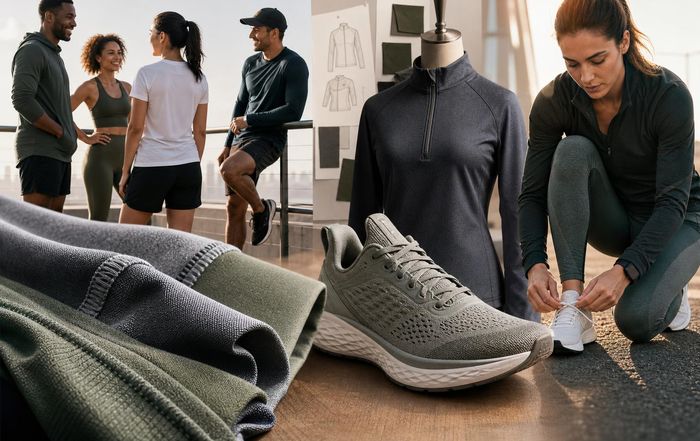
How Sportswear Brands Earn Trust With Everyday Athletes
For decades, the biggest sportswear stories have revolved around elite athletes and mega-events. Yet the real battleground for brands like Nike, Adidas, Puma, Under Armour, and Lululemon is increasingly the everyday runner, gym-goer, weekend footballer, or yoga enthusiast. These "everyday athletes" are far more skeptical than previous generations, have endless choice, and can fact-check brand claims in seconds. Trust has become a strategic asset, not a marketing slogan. Building it requires more than glossy ads and celebrity endorsements; it demands credible performance, transparent practices, and a genuine understanding of how people actually move, train, and live.
This shift is reshaping how sportswear companies design products, communicate with consumers, and show up in culture. Trust now hinges on whether shoes really reduce injury risk, whether leggings stay opaque in a squat, whether sustainability claims hold up under scrutiny, and whether brands stand for something beyond quarterly sales. For people who care about sport, fitness, and the business behind it, understanding how brands cultivate that trust helps explain why certain labels dominate wardrobes and others quietly disappear. It also offers a more informed lens for choosing gear that matches your values and your training, not just the latest hype.
From Performance Claims to Proof: Why Product Credibility Comes First
At the most basic level, sportswear brands earn or lose trust the moment someone takes a product onto a pitch, trail, or gym floor. Everyday athletes may be less performance-obsessed than Olympians, but they are acutely tuned into whether a shoe causes blisters, a sports bra offers enough support, or a rain jacket actually keeps them dry. This is why the leading brands invest heavily in R&D and biomechanics labs, and increasingly reference independent science to back up performance claims. Companies like Nike and Adidas maintain in-house research centers and collaborate with universities such as the University of Exeter or Loughborough University, which are known for sports science research, to test cushioning, stability, and energy return. When brands can point to peer-reviewed research hosted by institutions like PubMed or organizations such as World Athletics, it adds a layer of credibility beyond marketing copy.
However, scientific claims must translate into real-world reliability. Everyday athletes share brutally honest feedback through product reviews, Reddit threads, and YouTube breakdowns. A shoe that looks great on paper but wears out in 200 kilometers will quickly be exposed, eroding trust faster than any lab result can save it. This feedback loop makes long-term durability a central pillar of trust-building, even as brands chase lighter, faster, more technical designs. It also pushes companies to iterate quietly: updating midsole compounds, reinforcing high-wear zones, or adjusting sizing based on aggregated fit data. For readers interested in how gear affects training quality and injury risk, this intersection of sports science and lived experience is where trust is often won or lost.
Listening to Everyday Athletes, Not Just Star Ambassadors
Historically, sportswear marketing revolved around elite athletes and top teams. While partnerships with organizations like the NBA, Premier League clubs, or the IOC still matter, everyday athletes increasingly want to see themselves reflected in brand decisions. This has led to a rise in "everyday ambassador" programs, where brands work with local running leaders, community coaches, or micro-influencers with modest but engaged followings. These people are often more trusted than global superstars because they train in the same parks, attend the same gyms, and face similar challenges balancing work, family, and fitness. Their feedback on kit is grounded in daily use rather than controlled testing environments, and when brands actually act on that feedback-adjusting waistbands, widening toe boxes, or expanding plus-size ranges-it signals that regular consumers are being taken seriously.
Social channels have turned this listening into a visible, ongoing dialogue. When brands respond transparently to product complaints on platforms like Instagram or X, explain delays, or acknowledge design flaws, they demonstrate respect for their customers' intelligence. Conversely, generic replies or silence in the face of widespread criticism can quickly feel dismissive. Some companies now build formal consumer panels or invite everyday athletes into co-creation workshops, using their input early in the design process rather than as an afterthought. This participatory model aligns with broader trends in consumer culture and gives sportswear fans a sense that they are shaping the gear they train in, not just buying finished products. For those following the intersection of sport and social culture, it's a clear example of how power has shifted from brand to community.
Fit, Comfort, and Inclusivity: Trust Built in the Changing Room
For many everyday athletes, trust is decided in the changing room long before a product reaches the track. Fit and comfort are non-negotiable, and brands that fail to accommodate different body types, genders, and abilities face growing backlash. In recent years, there has been a significant push toward extended size ranges, more inclusive fits, and designs that work for hijab-wearing athletes, adaptive athletes, and older participants. Nike's Pro Hijab, Adidas' modest swimwear ranges, and adaptive collections from brands like Tommy Hilfiger (in the broader apparel space) signal an industry-wide recognition that performance gear cannot be one-size-fits-all. Organizations such as Women in Sport and This Girl Can in the UK, highlighted by bodies like Sport England, have also applied pressure by documenting how poor kit options can discourage participation, particularly among women and girls.
Trust deepens when brands show that inclusivity runs through the entire product experience rather than appearing as a one-off campaign. That means using diverse models in marketing shoots, offering consistent sizing across collections, and making sure technical features like sweat-wicking fabrics, bounce control, and chafe-free seams are available at all price points, not only in premium lines. Everyday athletes quickly notice when a brand's messaging about "for every body" clashes with limited in-store size availability or a lack of representation in imagery. In practice, inclusive design and sizing sit at the intersection of sport, health, and culture, and they influence whether people feel confident enough to step into a gym class or sign up for a 5K. For readers interested in fitness and wellbeing, this is where kit becomes more than just clothing-it becomes an enabler or barrier to participation.
Transparency on Sustainability and Labour: Beyond Green Slogans
Sustainability has become one of the most important trust battlegrounds in sportswear. Everyday athletes who care about health and performance are often equally concerned about the environmental and social footprint of the brands they support. Companies now routinely highlight recycled polyester, plant-based dyes, or carbon-neutral shipping, but the credibility of these claims is under growing scrutiny. Independent organizations like the Ellen MacArthur Foundation, the Sustainable Apparel Coalition, and watchdog groups referenced by outlets such as The Guardian and BBC have documented how vague "eco" language and selective reporting can mislead consumers. To build trust, sportswear brands are increasingly publishing detailed sustainability reports, aligning with frameworks such as the Science Based Targets initiative, and seeking third-party certifications like Bluesign or Fair Trade.
Labour practices are just as critical. Investigations by NGOs and media have, in the past, exposed poor working conditions in factories producing gear for major brands. In response, many companies now publish supplier lists, commit to living wage roadmaps, and participate in initiatives like the Fair Labor Association. Everyday athletes may not read full audit reports, but they do notice when a brand openly acknowledges challenges and reports progress year over year. Transparent communication-such as admitting when targets are missed or explaining why a particular material is not yet fully recyclable-can paradoxically strengthen trust, because it feels more honest than polished perfection. Readers interested in the intersection of sport, business, and the environment can track these developments through organizations like Fashion Revolution and UN Environment Programme, which both provide context on how apparel companies are evolving.
For those wanting to explore related themes around health, performance, and responsible consumption, our dedicated sections on environment, business, and science regularly examine how sport and sustainability intersect.
Pricing, Value, and the Psychology of "Worth It"
Trust is also shaped by whether everyday athletes feel they are getting fair value. Sportswear pricing has climbed, especially in categories like carbon-plated running shoes, technical outerwear, and yoga apparel. While brands justify this with R&D costs, premium materials, and sponsorship investments, consumers are more likely to accept higher prices when they see clear performance and durability benefits. A pair of running shoes that reliably lasts 600-800 kilometers, for example, can feel like a smart investment, whereas a similarly priced model that compresses quickly or delaminates may prompt people to switch brands. Independent testing platforms and consumer organizations, such as Consumer Reports or national equivalents, help everyday athletes benchmark quality and lifespan against cost, reinforcing or undermining brand narratives.
In response, some sportswear companies are experimenting with repair programs, take-back schemes, and resale platforms to extend product life and reduce perceived waste. These initiatives not only address sustainability but also signal respect for customers' budgets. Clear pricing structures-such as offering tiered lines that share core technologies but use different materials-help consumers understand why one product costs more than another. Brands that over-rely on limited drops and artificial scarcity risk being seen as exploiting hype rather than serving athletes' needs. For readers tracking the business side of sport, this tension between exclusivity and accessibility is central: trust grows when marketing excitement aligns with genuine innovation and long-term value, and erodes when it feels like a game of manufactured FOMO.
Community, Culture, and the Power of Showing Up Offline
Beyond individual products, trust often crystallizes in physical spaces: local run clubs, grassroots tournaments, charity events, and community gyms. Sportswear brands that invest meaningfully in these environments-through coaching clinics, free entry-level events, or long-term support for under-resourced communities-build a kind of relational trust that transcends single purchase decisions. Programs like Nike Run Clubs, Adidas Runners, and local initiatives from smaller brands create social structures where everyday athletes meet training partners, learn from coaches, and feel part of something larger than themselves. When these programs are free or low-cost, they can lower barriers to entry, especially for beginners or people returning to sport after a long break.
However, authenticity matters. Sponsoring a one-off event without sustained follow-up, or parachuting into a community with heavy branding but little listening, can come across as opportunistic. Brands that work with local organizers, respect existing cultures, and commit for the long term are more likely to be trusted. This is particularly important in regions where access to safe facilities, coaching, or even basic sports equipment is uneven. Organizations such as Right To Play and Laureus Sport for Good, highlighted by bodies like UNESCO, have shown how sport can support education and social inclusion; when sportswear brands align with similar objectives in credible ways, they tap into a deeper layer of trust rooted in shared values rather than just performance metrics. Readers interested in the social side of sport can explore more coverage in our social and world sections.
Digital Innovation, Data, and the Fine Line Between Help and Intrusion
As training increasingly moves through apps, wearables, and connected equipment, sportswear brands have expanded into digital ecosystems. Companies like Nike, Adidas, and Under Armour operate training apps, track runs and workouts, and integrate with platforms such as Apple Health and Strava. These tools can deepen trust by providing personalized training plans, form cues, or recovery guidance, effectively turning a shoe purchase into an ongoing coaching relationship. When advice is grounded in sports science-drawing on sources like the American College of Sports Medicine or the National Strength and Conditioning Association, both referenced by organizations such as CDC and WHO-everyday athletes are more likely to see brands as partners in their fitness journeys.
Yet data collection and privacy have become sensitive issues. Users are increasingly aware that workout history, location data, and health metrics can be highly personal. Missteps-such as unclear consent, data sharing without transparency, or security breaches-can rapidly destroy digital trust that took years to build. Regulators in major markets, including the European Union through the GDPR, have tightened rules around data protection, and consumer advocates regularly highlight best and worst practices via outlets like EFF or national privacy watchdogs. Brands that clearly explain what they collect, why they collect it, and how users can control or delete their data tend to be rewarded with higher engagement. For readers following the intersection of sport and technology, this is a critical frontier: the same digital tools that make training smarter can also make trust more fragile if mishandled.
If you are interested in how technology is reshaping training, equipment, and fan experiences more broadly, our technology and gaming sections regularly explore these crossovers.
Aligning with Values: Social Issues, Athlete Activism, and Brand Risk
In recent years, sportswear brands have been drawn into cultural and political debates, often through their association with outspoken athletes. From Colin Kaepernick's partnership with Nike to campaigns focused on gender equality, LGBTQ+ inclusion, or racial justice, brands have discovered that silence can be interpreted as complicity, while speaking out can both strengthen and polarize trust. Everyday athletes increasingly evaluate whether a brand's stance on major social issues aligns with their own values, and whether that stance is consistent across marketing, hiring practices, and supply chains. Media outlets such as ESPN, Reuters, and Associated Press frequently cover these flashpoints, showing how quickly public opinion can shift.
Trust in this arena depends less on perfection and more on perceived sincerity and follow-through. If a brand launches a high-profile equality campaign but offers limited leadership opportunities for underrepresented groups internally, or sells products in ways that contradict its stated values, everyday athletes are quick to call out the disconnect. Conversely, companies that pair campaigns with measurable commitments-such as funding community programs, changing recruitment pipelines, or setting representation targets-tend to be seen as more credible. For readers tracking sports culture, this is where brand, athlete, and fan identities intersect: sportswear labels are no longer neutral suppliers of kit but active participants in cultural conversations, and their choices can strengthen or strain the bond with everyday athletes. For broader reporting of how sport intersects with culture and identity, explore our culture and news media sections.
What Everyday Athletes Can Watch For When Choosing Brands
Given the complexity of performance claims, sustainability promises, digital ecosystems, and social positioning, everyday athletes face a crowded and sometimes confusing marketplace. A practical way to navigate it is to focus on a few core trust signals. First, look at how a brand talks about product testing and durability: do they reference independent research, provide clear guidance on expected lifespan, and respond constructively to product criticism? Second, examine inclusivity in practice by checking size ranges, model diversity, and the availability of technical features across price tiers. Third, review sustainability and labour transparency: does the company publish detailed reports or only broad slogans, and does it work with recognized frameworks or third-party bodies? Fourth, consider data practices by reading app privacy summaries and checking whether you can easily control what is collected and shared.
Ultimately, trust is cumulative and dynamic. It grows through small, consistent experiences-gear that performs as promised, helpful customer service, honest communication when things go wrong-and it can be damaged by a single high-profile misstep. Everyday athletes now have unprecedented power to reward or punish brands through purchasing choices, reviews, and social media. That power is pushing sportswear companies to move beyond surface-level marketing and engage more deeply with the realities of training, health, culture, and the environment. For those who care about sport not only as competition but as a way of life, this evolution is reshaping wardrobes, workouts, and the wider business of performance.
To follow more stories at the intersection of sport, fitness, business, and culture, you can explore our reporting across sports, fitness, health, brands, and our main homepage, where we track every day how the world of sport continues to evolve.