

Using Sports Platforms to Champion Social Justice Campaigns
The New Power Center of Social Voice
Elite sport has become one of the most visible and influential stages for social justice in the world, cutting across borders, demographics, and political systems in ways that few other institutions can match. Global leagues, athletes, and brands now operate in an environment where silence on major social issues is increasingly interpreted as a stance in itself, and where fans, sponsors, regulators, and media all scrutinize not only performance on the field but values and behavior off it. For Sportsyncr and its audience, this convergence of sport, social impact, and business strategy is no longer a peripheral topic; it sits at the core of how the modern sports economy functions, how careers are built, and how trust is earned and maintained.
The rise of athlete activism in the last decade, from the kneeling protests in the National Football League (NFL) to the outspoken advocacy of stars in the National Basketball Association (NBA) and Premier League, has transformed expectations around what sports platforms can and should do. Major organizations such as FIFA, the International Olympic Committee (IOC), and World Athletics now face constant pressure to align their competitions with human rights standards, to address discrimination, and to respond credibly when crises arise. In this context, sports platforms have evolved from being primarily entertainment vehicles into complex ecosystems where social justice campaigns, commercial imperatives, and political realities intersect.
For readers exploring the intersection of sports, culture, and business on Sportsyncr, understanding how to use these platforms responsibly and effectively for social causes is essential, not only to anticipate where the industry is heading, but also to design strategies that balance impact with long-term sustainability.
Why Sports Platforms Are Uniquely Positioned for Social Justice
Sports occupy a distinctive role in global culture because they combine mass reach, emotional intensity, and narrative continuity over time. Unlike one-off campaigns or episodic political events, major leagues and competitions create recurring, ritualized moments in which millions or even billions of people are tuned in simultaneously, emotionally invested in outcomes, and receptive to stories about identity, struggle, and resilience. According to audience data from organizations such as Nielsen and Statista, the FIFA World Cup, the Olympic Games, and the Super Bowl consistently rank among the most-watched events worldwide, cutting across age, gender, and socioeconomic lines. Learn more about global sports viewership patterns by examining resources from Nielsen and Statista.
This reach is amplified by digital and social media platforms, where athletes often command larger and more engaged followings than traditional news outlets or political leaders. Reports from Pew Research Center and Reuters Institute for the Study of Journalism have shown that younger audiences increasingly get their news and social issue awareness from social media, with sports figures and entertainers acting as key information nodes. Exploring research from the Pew Research Center or the Reuters Institute helps contextualize how sports voices influence public discourse.
The emotional dimension of sport also matters. Fans develop long-term parasocial relationships with athletes and teams; they see them as representatives of cities, nations, and communities, and they invest personally in their stories of triumph and adversity. When these athletes speak about racism, gender inequality, mental health, or climate justice, their messages are not abstract; they are embedded in narratives that fans have followed for years. For brands and organizations seeking to design credible social justice campaigns, this combination of reach, trust, and narrative continuity makes sports platforms uniquely potent, but also uniquely risky if handled without authenticity and care.
From Silent Endorsements to Active Advocacy
Historically, sports institutions often encouraged a "stick to sports" mentality, discouraging athletes from taking public positions on controversial social issues. However, landmark moments over the past several decades, from Muhammad Ali's refusal to be drafted into the Vietnam War to Tommie Smith and John Carlos raising their fists at the 1968 Olympics, established a lineage of athlete activism that has become more central in the 21st century. In the 2010s and early 2020s, campaigns associated with movements such as Black Lives Matter, #MeToo, and LGBTQ+ equality brought this activism into mainstream leagues in the United States, United Kingdom, Germany, Canada, France, and beyond.
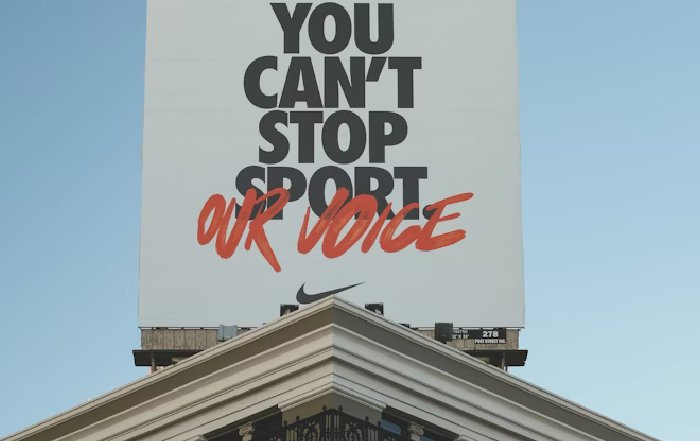
The transformation accelerated as social media enabled athletes to bypass traditional gatekeepers. When Colin Kaepernick's kneeling protest in the NFL sparked global debate, it demonstrated that a single gesture, amplified by digital networks, could reshape public conversation and corporate strategy. Major apparel brands such as Nike embraced this shift by aligning with activist athletes, integrating social justice narratives into their marketing, and accepting short-term backlash in exchange for long-term brand differentiation and loyalty among younger, values-driven consumers. Analyses from business-focused outlets like the Harvard Business Review and McKinsey & Company have examined the financial and reputational implications of such decisions for global brands.
By 2026, many leagues and federations have formalized frameworks for player expression, community engagement, and social impact initiatives, while also setting boundaries to navigate political sensitivities in markets such as China, Saudi Arabia, and parts of Asia and Africa. This evolution has created an environment where social justice campaigns are no longer exceptional disruptions but recurring features of sports seasons, integrated into jerseys, stadium signage, broadcast narratives, and digital content strategies.
Strategic Design of Social Justice Campaigns in Sport
For sports organizations, teams, and brands, the challenge is no longer whether to engage with social justice, but how to do so in ways that are credible, consistent, and aligned with core values. Superficial gestures or one-off campaigns that lack substance are quickly called out by fans, journalists, and advocacy groups, particularly in highly connected regions such as Europe, North America, and Asia-Pacific, where digital literacy and activism are strong.
Effective campaigns typically begin with a clear articulation of purpose rooted in lived experience and organizational history. A club with a long-standing connection to immigrant communities, for example, may focus on anti-racism and social inclusion initiatives, while a league with a significant female fan base and workforce may prioritize gender equity, harassment prevention, and leadership representation. Successful strategies often blend public-facing messaging with tangible commitments, such as funding grassroots programs, reforming internal policies, and supporting legislation or policy changes. For organizations looking to integrate health and inclusion into community programming, resources on public health and sport from the World Health Organization (WHO) can be instructive.
Measurement and transparency have become critical components of campaign design. Stakeholders increasingly expect organizations to set clear goals, track progress, and report outcomes across metrics such as participation rates, diversity in leadership, equal pay, and community investment. Frameworks from entities like the United Nations Global Compact and the OECD provide guidance on responsible business conduct and human rights due diligence, which can be adapted to the sports context. Learn more about responsible corporate behavior through the UN Global Compact and the OECD.
Sportsyncr's readers, particularly those engaged with business, brands, and sponsorship, recognize that integrating social justice into sports platforms is no longer merely a corporate social responsibility exercise; it is a core element of brand positioning, risk management, and stakeholder engagement in a world where values-driven decision-making is becoming mainstream among consumers and employees alike.
Athlete Activism, Mental Health, and Human Performance
One of the most significant developments in the early 2020s was the convergence of social justice advocacy with mental health awareness among athletes. High-profile figures such as Naomi Osaka, Simone Biles, and others across sports in Japan, the United States, and Europe publicly discussed the pressures of elite performance, media scrutiny, and systemic inequalities, reshaping public understanding of athlete well-being. This shift has had profound implications for how teams, leagues, and sponsors design support structures and communication strategies.
Sports platforms that champion social justice now increasingly incorporate mental health as a central pillar of their campaigns, recognizing that issues such as racism, sexism, homophobia, and economic inequality are intertwined with psychological stress and burnout. Organizations collaborate with sports psychologists, medical experts, and advocacy groups to create education programs, confidential support services, and policies that protect athletes who speak out. Insights from the American Psychological Association (APA) and sports medicine bodies help inform best practices; interested readers can explore mental health in high-performance contexts through resources provided by the APA and sports medicine organizations such as the American College of Sports Medicine.
On Sportsyncr, this intersection of health, fitness, and social responsibility is particularly relevant, because it highlights that social justice work is not separate from performance, but part of a holistic approach to athlete development and organizational culture. Teams that foster inclusive environments and provide psychological safety often report higher levels of cohesion, resilience, and long-term loyalty, translating into competitive advantages on the field and stronger brands off it.
Technology, Data, and the Amplification of Social Campaigns
The technological layer of modern sport has expanded far beyond broadcast and sponsorship, encompassing real-time data analytics, immersive fan experiences, and global social media ecosystems. For social justice campaigns, this digital infrastructure offers both unprecedented opportunities and complex challenges.
On the opportunity side, clubs and leagues can use data to understand fan sentiment, segment audiences, and tailor messaging across different regions such as Germany, Brazil, South Africa, Singapore, and Australia, where cultural norms and political contexts vary widely. Social listening tools and analytics platforms help organizations identify which issues resonate most strongly, how fans respond to specific initiatives, and where misinformation or backlash may arise. Leading technology companies and consultancies publish guidance on using data responsibly; professionals can review discussions on ethical data use in sport through outlets such as the World Economic Forum and MIT Sloan Management Review.
At the same time, the speed and virality of digital platforms mean that missteps can escalate rapidly. Campaigns that appear performative, inconsistent, or hypocritical are quickly dissected by fans and activists, especially on platforms like X (formerly Twitter), Instagram, TikTok, and regional social networks in Asia. Sports organizations must therefore develop digital governance frameworks that align content strategies with clear values, ensure that partnerships with influencers and creators are carefully vetted, and prepare crisis response protocols that prioritize transparency and accountability.
For Sportsyncr's technology-focused audience interested in sports technology and gaming, there is also a growing intersection between esports, virtual environments, and social justice. Esports organizations and gaming communities are grappling with issues such as online harassment, diversity in leadership, and representation in game design, creating new arenas where sports-like platforms can be leveraged for education, inclusion, and advocacy.
Global and Regional Dynamics: One Message, Many Contexts
While social justice themes such as anti-racism, gender equality, and LGBTQ+ rights have global resonance, the way these issues are framed and received varies significantly across regions. Sports platforms must navigate legal, cultural, and political landscapes that differ not only between continents but within them, from North America to Europe, Asia, Africa, and South America.
In the United States and Canada, leagues such as the NBA, WNBA, NFL, and NHL have developed relatively robust traditions of athlete expression, with collective bargaining agreements and players' associations often defending the right to protest and speak out. However, polarization in domestic politics means that campaigns linked to social justice can trigger boycotts, legislative scrutiny, or targeted harassment, requiring careful risk assessment and stakeholder engagement.
In Europe, football clubs and governing bodies like UEFA have been at the forefront of anti-racism campaigns, but they continue to face challenges related to fan behavior, online abuse, and the rise of nationalist movements. Initiatives such as "No to Racism" and "Respect" have raised awareness, yet enforcement mechanisms and accountability structures remain uneven. For deeper insight into European sport and human rights, readers can consult research from organizations such as Amnesty International and Human Rights Watch, accessible via Amnesty International and Human Rights Watch.
In Asia and the Middle East, major events like the Olympic Games, Asian Games, and global football tournaments have sparked debate about labor rights, gender restrictions, and freedom of expression. Sports platforms operating in these regions must balance advocacy with regulatory constraints, often focusing on broader themes such as youth development, education, and health while navigating sensitive political topics.
For a global outlet like Sportsyncr, which serves readers in markets from the United Kingdom and Germany to Japan, South Korea, Thailand, Finland, Norway, Denmark, Malaysia, New Zealand, and South Africa, this diversity of contexts underscores the importance of nuanced analysis and region-specific case studies. The same campaign slogan or visual identity can carry very different meanings across borders, and organizations that fail to adapt risk alienating key audiences or exposing local partners to unintended consequences.
Brands, Sponsorship, and the Economics of Taking a Stand
The economics of sports sponsorship have been transformed by the rise of values-driven consumers and employees. Brands that partner with teams, leagues, and athletes are increasingly judged not only by the quality of their products or services, but by their alignment with social and environmental principles. Surveys by consultancies such as Deloitte, PwC, and EY indicate that younger demographics, particularly in Europe, North America, and Asia-Pacific, are more likely to support brands that take clear positions on issues such as climate change, racial justice, and gender equality. Learn more about sustainable business practices through resources from Deloitte and PwC.
In this environment, sponsorship agreements are evolving to include explicit commitments around diversity, equity, and inclusion, as well as environmental and social governance (ESG) standards. Brands increasingly expect rights holders to demonstrate credible action on these fronts, while teams and leagues seek partners whose values and track records can enhance, rather than undermine, their own reputations. This has led to a recalibration of partnerships in sectors such as fossil fuels, gambling, and fast fashion, where public scrutiny is intense.
On Sportsyncr, coverage of brands and sponsorship emphasizes that the most effective collaborations go beyond logo placement and hashtag campaigns. They involve co-created community programs, long-term investments in local infrastructure, and transparent reporting on outcomes. For example, a brand that sponsors a women's football league may commit to funding youth academies for girls in underserved communities across Spain, Italy, and the Netherlands, while also addressing gender pay gaps within its own workforce.
The financial stakes are significant. Misalignment between brand messaging and actual behavior can result in reputational damage, regulatory attention, and loss of consumer trust, particularly in an era where investigative journalism and social media activism quickly expose inconsistencies. Conversely, brands that authentically integrate social justice into their sports partnerships can build resilient equity, attract top talent, and unlock new markets among socially conscious fans.
Jobs, Skills, and Careers in Purpose-Driven Sports
The shift toward purpose-driven sports platforms has reshaped the talent landscape across the industry. Organizations now seek professionals who can combine traditional sports management expertise with skills in social impact strategy, stakeholder engagement, data analytics, and cross-cultural communication. Roles in community relations, ESG reporting, diversity and inclusion, and digital advocacy have become central to how clubs, leagues, and sponsors operate.
For individuals exploring jobs and careers in sport, this means that understanding social justice issues is no longer optional; it is a core competency. Professionals in marketing, legal, operations, media, and technology are expected to anticipate how campaigns will be perceived by different communities, to navigate complex ethical questions, and to collaborate with NGOs, academic institutions, and local leaders. Universities and business schools, including institutions highlighted by the Financial Times and QS World University Rankings, have responded by expanding programs in sports management, sustainability, and social innovation. Prospective students can explore such programs through the Financial Times business education and QS rankings.
Sportsyncr's audience, spanning world affairs, science, and social impact, recognizes that the future workforce in sport must be comfortable operating at the intersection of performance, technology, and purpose. This evolution also opens doors for professionals from non-traditional backgrounds, including human rights law, environmental science, and community organizing, to contribute to the sports ecosystem in meaningful ways.
Risks, Backlash, and the Importance of Trust
Despite the opportunities, using sports platforms to champion social justice campaigns carries real risks. Polarization, misinformation, and organized backlash can undermine initiatives, endanger individuals, and erode trust if not managed carefully. Athletes who speak out may face abuse, threats, or career repercussions, particularly in environments where legal protections for free expression are weak. Organizations that misjudge the mood of their fan bases or fail to follow through on promises can find themselves accused of "woke washing" or opportunism.
Trust therefore becomes the critical currency in this space. It is built over time through consistent behavior, transparent communication, and genuine engagement with affected communities. Sports organizations that have historically been part of the problem-whether through exclusionary practices, exploitation, or negligence-must acknowledge past harms and commit to meaningful change, rather than relying on symbolic gestures. External audits, partnerships with credible NGOs, and independent oversight mechanisms can help strengthen accountability.
For fans and observers following developments through platforms like Sportsyncr News and the main Sportsyncr hub, the ability to critically evaluate campaigns, distinguish between substance and symbolism, and understand the broader political and economic context is essential. In an era where narratives can be quickly weaponized, informed analysis and nuanced reporting are vital to preserving the constructive role that sport can play in advancing social justice.
Looking Ahead: Sport as a Laboratory for Inclusive Futures
As the world navigates overlapping crises-from climate change and geopolitical tensions to economic inequality and public health challenges-sports platforms will continue to serve as laboratories for new forms of collective action and inclusive storytelling. Initiatives that link environmental sustainability with social equity, for example, are gaining traction as clubs and leagues in Sweden, Norway, Denmark, Switzerland, and New Zealand experiment with low-carbon events, sustainable stadiums, and community resilience programs. Explore climate and sport connections through resources from the UN Environment Programme and other environmental bodies.
In parallel, digital innovation is enabling new modes of participation and representation. Virtual fan communities, augmented reality experiences, and interactive broadcasts allow supporters from Brazil, China, India, South Africa, and across the Global South to engage with campaigns in ways that reflect their own realities and priorities. This distributed, networked model of engagement can democratize influence, giving voice to fans who were previously marginalized by geography or economics.
For Sportsyncr, whose coverage spans environment, culture, and the evolving business of sport, the central question is not whether sports platforms will continue to be used for social justice campaigns, but how effectively and responsibly they will do so. The organizations, athletes, and brands that succeed in this new era will be those that approach social impact with the same rigor they bring to performance and commercial strategy, grounding their actions in experience, expertise, authoritativeness, and trustworthiness.
By treating sport not only as entertainment but as a shared global institution with the power to shape norms and aspirations, stakeholders across North America, Europe, Asia, Africa, and South America can help ensure that the immense visibility and emotional resonance of athletic competition are harnessed to build more just, inclusive, and resilient societies.