
Regional Differences in Fitness Culture Across North America
Sports News Introduction: A Continent United by Movement, Divided by Approach
North America presents a complex and rapidly evolving fitness landscape in which shared aspirations for health, performance, and longevity are expressed through strikingly different regional cultures, business models, and community practices. From tech-driven wellness ecosystems in the United States and Canada to outdoor-centric traditions in Mexico and the broader North American corridor, fitness has become both a personal pursuit and a powerful economic engine, shaping consumer behavior, workplace policies, urban design, and digital innovation. For Sportsyncr and its readers, who follow developments across sports, health, fitness, and business, understanding these regional differences is essential to decoding where the industry is heading and how brands, employers, and policymakers can respond.
As organizations such as the World Health Organization highlight persistent gaps in physical activity levels worldwide, with their global status reports on physical activity emphasizing the economic and health costs of inactivity, regional fitness cultures in North America are increasingly seen as both a risk factor and an opportunity. Learn more about global physical activity trends on the WHO website. At the same time, institutions like the Centers for Disease Control and Prevention in the United States continue to publish data on obesity, chronic disease, and exercise habits, providing a quantitative backdrop to the cultural narratives that define how North Americans move, train, and recover. Readers can explore these patterns in detail through the CDC's physical activity guidelines on the CDC site.
Against this backdrop, this article examines how fitness culture differs across key North American regions, how technology and business models are reshaping those differences, and how the values of experience, expertise, authoritativeness, and trustworthiness are becoming central to consumer decisions. It does so through the lens of Sportsyncr, whose coverage spans technology, environment, brands, and sponsorship, offering a cross-sector view of how fitness integrates into broader social and economic systems.
The United States: Fragmented Markets, Hyper-Personalized Fitness
The United States remains the most fragmented and commercially aggressive fitness market in North America, characterized by an extraordinary diversity of options that range from low-cost big-box gyms and boutique studio chains to digital subscription platforms, connected equipment, and corporate wellness ecosystems. Organizations such as IHRSA (now Health & Fitness Association) have long documented the scale of this industry, with their annual reports detailing membership trends, revenue growth, and the rise of hybrid models that blend in-person and digital engagement; more information on sector performance can be found on the Health & Fitness Association site.
Regionally, the culture of fitness in the United States diverges sharply. On the West Coast, particularly in California, Washington, and Oregon, fitness is often intertwined with wellness, sustainability, and outdoor lifestyles. Urban centers such as Los Angeles, San Francisco, Seattle, and Portland have seen strong growth in yoga, Pilates, trail running, cycling, and surf-adjacent training communities that emphasize longevity, mobility, and mental health as much as aesthetics. This has fueled demand for evidence-based content on health and environmental impact, with consumers increasingly consulting resources like the National Institutes of Health for research on exercise and chronic disease prevention, accessible through the NIH website.
In contrast, many Southern and Midwestern states maintain a fitness culture that is more closely aligned with strength training, team sports, and community-based facilities, often anchored around high school and college athletics. The influence of NCAA programs and professional leagues such as the NFL, NBA, and MLB has normalized weight rooms, strength and conditioning programs, and performance testing as aspirational benchmarks for youth and adult participants alike. Learn more about collegiate athletic performance standards via the NCAA's resources. This performance-oriented culture has supported the growth of performance training centers, sports medicine clinics, and data-driven coaching platforms that are increasingly covered in outlets like Sportsyncr Sports and Sportsyncr Science.
On the East Coast, particularly in New York, Boston, Washington D.C., and the surrounding metropolitan areas, fitness often intersects with finance, consulting, law, and technology work cultures, leading to a premium placed on efficiency, status, and networking opportunities. Boutique studios, high-end gyms, and exclusive training clubs have flourished, with brands such as Equinox and SoulCycle becoming cultural markers as much as workout providers. Yet, post-pandemic hybrid work patterns have also pushed a shift toward home-based training, on-demand classes, and community-driven outdoor workouts in parks and shared spaces. This has opened new opportunities for digital platforms that integrate wearables, AI-driven coaching, and social accountability, many of which draw on research from organizations like Harvard T.H. Chan School of Public Health, which offers extensive insights into exercise and longevity on its official site.
Beneath these regional differences lies a common U.S. narrative: fitness is increasingly individualized, data-rich, and intertwined with identity. Consumers rely on digital health records, biometric wearables, and AI-driven recommendations, yet they also seek authoritative voices and trustworthy brands that can cut through marketing noise. For Sportsyncr, this underscores the importance of curating expert perspectives across fitness, technology, and social trends, helping readers distinguish between fads and scientifically grounded approaches.
Canada: Outdoor Ethos, Community Health, and Policy-Driven Wellness
Canada's fitness culture is shaped by its geography, climate, and public health framework, producing a distinctive blend of outdoor activity, community-based programming, and policy-driven support for physical activity. Organizations such as ParticipACTION, a national non-profit dedicated to promoting active living, have been instrumental in framing physical activity as a shared social responsibility rather than a purely individual pursuit. Their national guidelines and campaigns, available on the ParticipACTION site, emphasize daily movement, inclusive programming, and the integration of fitness into schools and workplaces.
Regionally, Western Canada, particularly British Columbia and Alberta, is known for its strong outdoor culture, where hiking, skiing, snowboarding, mountain biking, and trail running are deeply embedded in local identity. Cities such as Vancouver and Calgary integrate access to mountains and parks into everyday life, and this proximity to nature shapes how residents perceive fitness, often prioritizing functional capacity, resilience, and environmental stewardship over purely aesthetic goals. Readers interested in the environmental dimension of outdoor sports can explore related coverage on Sportsyncr Environment.
Central Canada, including Ontario and Quebec, balances this outdoor ethos with robust urban fitness ecosystems in cities like Toronto, Ottawa, and Montreal, where gyms, studios, and community recreation centers coexist with cycling infrastructure, running clubs, and winter sports facilities. The presence of universal healthcare, combined with provincial public health agencies, influences how fitness is framed and funded, with preventive health strategies increasingly emphasizing physical activity as a cost-effective intervention. The Public Health Agency of Canada offers detailed guidance on physical activity and sedentary behavior on the Government of Canada website.
In Atlantic Canada and the northern territories, fitness culture is often shaped by smaller communities, harsher climates, and logistical constraints, leading to a strong emphasis on community centers, school gyms, and multi-use facilities that serve as social hubs as much as training spaces. These regions highlight the importance of inclusivity and accessibility in fitness design, themes that resonate with Sportsyncr readers following social and world perspectives on health equity.
Across the country, Canadian fitness professionals increasingly align their practices with evidence-based guidelines from bodies such as the Canadian Society for Exercise Physiology, whose recommendations for physical activity across age groups are available on the CSEP website. This emphasis on professional standards and scientific rigor strengthens consumer trust, as individuals and organizations seek providers who can demonstrate expertise and accountability. For businesses and employers, this has led to a growing interest in workplace wellness programs, ergonomics, and mental health integration, areas that intersect directly with Sportsyncr Business coverage.
Mexico and the Broader North American Context: Urbanization, Tradition, and Emerging Middle Classes
While much of the North American fitness narrative is dominated by the United States and Canada, Mexico and the broader region play a critical and often under-reported role in shaping continental trends. Rapid urbanization, demographic shifts, and the rise of an expanding middle class have catalyzed new forms of fitness consumption, even as traditional physical activities and community sports remain central in many areas.
Major cities such as Mexico City, Monterrey, and Guadalajara have experienced a surge in gyms, boutique studios, and shopping-center-based fitness offerings that cater to young professionals seeking modern, aspirational lifestyles. International brands and regional chains alike have entered these markets, while local entrepreneurs have developed culturally tailored concepts that integrate music, dance, and social elements unique to Mexican culture. At the same time, public health concerns related to obesity and non-communicable diseases have prompted government initiatives and campaigns, informed in part by data from organizations like the Pan American Health Organization, whose regional health analyses can be explored on the PAHO site.
Outside major urban centers, fitness often remains closely tied to community sports, informal outdoor activity, and labor-intensive work, with soccer, boxing, and traditional dance playing prominent roles. This creates a dual-track fitness culture in which modern gym-based training coexists with deeply rooted physical traditions, offering both challenges and opportunities for brands and policymakers seeking to promote long-term health. For readers interested in the intersection of culture and movement, Sportsyncr Culture provides additional context at sportsyncr.com/culture.
Mexico's position within North America also highlights cross-border influences, as media, streaming platforms, and digital fitness apps from the United States and Canada reach Mexican consumers, while Mexican sports, music, and lifestyle trends increasingly shape fitness experiences in cities like Los Angeles, Houston, and Chicago with large Mexican and Latin American communities. This bidirectional cultural exchange underscores the importance of viewing North American fitness not as a set of isolated markets, but as an interconnected ecosystem influenced by migration, trade, and shared digital platforms.
Technology, Data, and the New Fitness Infrastructure
Across North America, technology has become the connective tissue that both amplifies and reshapes regional fitness cultures. From wearable devices and AI-driven coaching to streaming platforms and virtual communities, the digital layer of fitness now rivals the physical layer of gyms, studios, and sports clubs. Companies such as Apple, Google, and Samsung have integrated advanced health and fitness monitoring into their devices, while platforms like Strava and Garmin Connect have built social networks around performance metrics, route sharing, and community challenges. Learn more about the evolution of consumer wearables and health tracking on the Apple health page.
In the United States, this has fueled a surge in personalized training plans, biometric-driven recovery protocols, and performance dashboards that mirror professional sports analytics, while in Canada and Mexico, similar tools are increasingly adopted in both urban centers and remote communities. Research institutions such as Stanford University and MIT have contributed to the development of advanced algorithms, sensor technologies, and human-computer interaction models that underpin many of these consumer products; interested readers can explore ongoing projects via the Stanford Human Performance Alliance and the MIT Media Lab.
However, the spread of technology has also raised questions about data privacy, equity of access, and the potential for over-quantification to undermine intrinsic motivation. Regulatory frameworks in the United States, Canada, and Mexico differ in how they address health data, while organizations like the Electronic Frontier Foundation advocate for stronger consumer protections, as discussed on the EFF site. For Sportsyncr, which covers technology, news, and social impact, this tension between innovation and trust is central to assessing which fitness technologies are likely to endure.
A parallel development has been the rise of corporate wellness platforms that integrate wearables, health assessments, and incentive programs into employee benefits, particularly in the United States and Canada. Employers collaborate with insurers, digital health companies, and fitness providers to reduce healthcare costs, enhance productivity, and support talent retention. The World Economic Forum has published analyses on the economic value of workplace wellness and mental health initiatives, which can be explored on the WEF website. In this context, regional differences matter: U.S. employers may emphasize cost containment and competitive differentiation, while Canadian organizations often align wellness programs with national health guidelines and social responsibility frameworks.
Business Models, Brands, and Sponsorship: Trust as Competitive Advantage
The diversification of fitness culture across North America has generated a corresponding diversification of business models, from subscription-based digital platforms and franchised boutique studios to community-funded recreation centers and employer-sponsored wellness programs. Brands that succeed in this environment are those that can adapt to regional preferences while maintaining a consistent promise of expertise, safety, and measurable results.
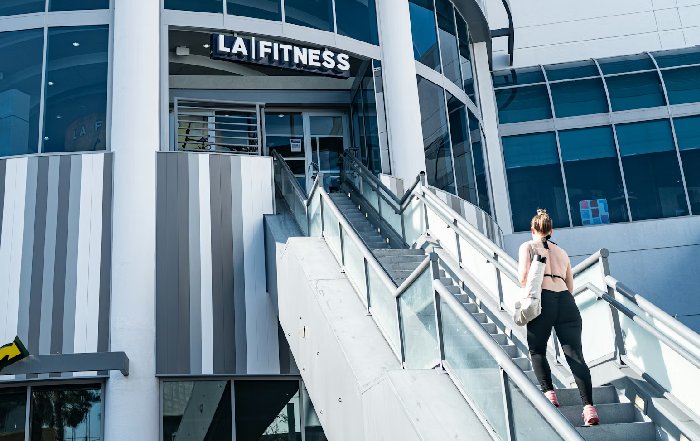
In the United States, large chains such as Planet Fitness, LA Fitness, and Anytime Fitness compete with boutique concepts in high-density urban markets, while in Canada, national and regional chains coexist with municipally operated facilities and university-affiliated centers. Mexico has seen the rise of both international entrants and homegrown brands that tailor pricing, programming, and marketing to local conditions. Across these markets, sponsorship arrangements with major sports leagues, events, and influencers play a critical role in shaping consumer perceptions. Learn more about sponsorship dynamics and brand partnerships on Sportsyncr Sponsorship and Sportsyncr Brands.
The growth of esports and gaming-adjacent fitness has introduced a new frontier, as wellness brands seek to connect with younger audiences who spend significant time in digital environments. Organizations like NVIDIA and Twitch, along with professional esports leagues, have begun integrating physical training, posture coaching, and mental health support into their ecosystems, blurring the lines between traditional and digital performance. Readers can explore broader gaming and performance themes on Sportsyncr Gaming. This convergence illustrates a broader shift in North American fitness culture, where performance is no longer confined to physical arenas but extends into cognitive, emotional, and virtual domains.
Underlying these business developments is a growing emphasis on trust. Consumers increasingly look for certifications, transparent pricing, clear safety protocols, and evidence-based programming. Professional organizations such as the American College of Sports Medicine and NSCA in the United States, along with their Canadian and Mexican counterparts, set standards for trainer education, facility management, and research translation; more information on professional standards is available via the ACSM site. For Sportsyncr, which aims to serve as an authoritative hub across news, science, and business, aligning coverage with these standards is central to building long-term reader confidence.
Culture, Identity, and Inclusion: Who Fitness Is For
Beyond technology and business, regional differences in fitness culture across North America are deeply rooted in questions of identity, inclusion, and social norms. In many U.S. cities, conversations about fitness intersect with debates over gentrification, access to green space, and the affordability of wellness services. Community-based organizations and non-profits work to create inclusive programs for low-income neighborhoods, older adults, and marginalized groups, often partnering with local governments and healthcare providers. Resources from the Robert Wood Johnson Foundation, accessible on the RWJF site, highlight how built environments and social determinants of health influence physical activity patterns.
In Canada, efforts to support Indigenous communities in reclaiming traditional physical activities and land-based practices illustrate how fitness can serve as a tool for cultural revitalization and mental health support. Similarly, in Mexico, grassroots sports initiatives and women-led fitness communities are reshaping norms around gender, safety, and public space. These developments connect directly to themes covered by Sportsyncr in its social and world sections, where fitness is examined not only as an individual pursuit but as a reflection of broader societal change.
The rise of remote work and digital nomadism in the post-pandemic era has further blurred regional lines, as individuals move between cities, countries, and time zones while maintaining virtual connections to their preferred trainers, communities, and platforms. This mobility has encouraged a more flexible and inclusive view of fitness, where regional styles are sampled, adapted, and shared across borders. Yet it also underscores the need for consistent, high-quality information on training, recovery, and health risks, reinforcing the importance of trustworthy sources such as Mayo Clinic, whose exercise and wellness resources are available on the Mayo Clinic site.
Convergence, Differentiation, and the Role of Trusted Platforms in the Future
As North America moves deeper into the second half of the 2020s, several trajectories appear likely to shape the evolution of regional fitness cultures. First, there will be continued convergence in digital experiences, as streaming platforms, wearables, and AI-driven tools become more standardized and interoperable across borders, allowing users in the United States, Canada, and Mexico to access similar content and analytics. Second, there will be persistent differentiation at the local level, as climate, urban design, cultural traditions, and policy frameworks continue to shape how people prefer to move, where they train, and which communities they join.
Third, the integration of fitness with healthcare, workplace policies, and environmental planning will deepen, particularly as governments and employers confront the economic costs of inactivity and chronic disease. International organizations like the OECD have already begun to quantify the macroeconomic impact of health behaviors, with reports accessible on the OECD health portal. In this context, fitness will increasingly be seen not only as a consumer category but as critical infrastructure for resilient societies.
In all of these developments, the demand for experience, expertise, authoritativeness, and trustworthiness will intensify. Consumers will continue to ask whether a given workout, program, or technology is safe, effective, inclusive, and aligned with their values. Brands, trainers, and platforms that can provide clear, evidence-based answers, supported by transparent data and professional standards, will enjoy a durable advantage.
For Sportsyncr, whose mission includes sports, fitness, health, and the broader intersections with business, technology, and culture, this evolving landscape presents both responsibility and opportunity. By analyzing regional differences in fitness culture across North America with rigor, nuance, and a commitment to trustworthy information, the platform can help readers navigate a crowded marketplace, make informed decisions, and understand how their personal routines fit into a much larger continental narrative. As North Americans continue to redefine what it means to be fit and healthy, trusted hubs of updated sports insight will play a crucial role in ensuring that progress is not only fast and innovative, but also equitable, sustainable, and grounded in genuine expertise.