

Virtual Experiences Are Redefining How Fans Engage with Live Events
A New Era of Immersive Fandom
Virtual experiences have moved from experimental add-ons to central pillars of the global sports and live events ecosystem, reshaping how fans discover, consume, and emotionally connect with competitions, athletes, teams, and entertainment properties. What began as a pandemic-driven necessity has evolved into a sophisticated, data-rich, and highly personalized layer of engagement that complements, rather than simply replaces, physical attendance. Across major markets such as the United States, United Kingdom, Germany, Canada, Australia, and key growth regions in Asia, Europe, Africa, and South America, rights holders and brands are now designing events with a "virtual-first and venue-enhanced" mindset, acknowledging that the majority of fans will never set foot inside a stadium yet still expect premium, interactive experiences.
Within this evolving landscape, Sportsyncr positions itself as a dedicated observer and interpreter of how virtual engagement is transforming the intersection of sports, health, fitness, culture, and business. The platform's global readership, spanning North America, Europe, and Asia-Pacific, increasingly looks for insight into how virtual experiences influence not only fan enjoyment but also sponsorship models, athlete branding, jobs in the sports and entertainment sectors, and long-term industry sustainability. This article explores how virtual experiences are changing live events, why they matter for stakeholders across the value chain, and what the next phase of innovation is likely to bring.
From Broadcast to Co-Presence: The Evolution of Fan Engagement
Historically, fan engagement was defined by a binary choice: attend in person or watch via linear broadcast. Over the past decade, however, the proliferation of high-speed broadband, cloud computing, and mobile devices has enabled a continuum of participation, from passive viewing to active co-creation. Organizations such as FIFA, UEFA, and the major North American leagues have embraced immersive video, interactive stats, and second-screen experiences, while platforms like Twitch and YouTube have normalized real-time participation through chat, polls, and creator-led commentary. Industry analyses from sources such as Deloitte's sports business outlook and PwC's Sports Survey underscore how digital engagement has become a primary driver of growth, particularly among younger demographics in the United States, United Kingdom, Germany, and across Asia.
The concept of co-presence, where fans feel as though they are "there together" regardless of geography, has emerged as a critical differentiator. Research from organizations like the MIT Sloan School of Management highlights that emotional connection and perceived proximity to the action and community are key predictors of long-term loyalty. Virtual watch-along experiences, synchronized multi-camera streams, and spatial audio environments now allow fans in Singapore, Brazil, South Africa, and Scandinavia to share a sense of live, collective experience that was historically reserved for those inside the venue. This structural shift has forced rights holders to rethink content distribution, storytelling formats, and how they measure engagement beyond traditional ratings.
The Technology Stack Behind Virtual Live Experiences
The transformation of live events into rich virtual experiences is powered by a technology stack that has matured rapidly since 2020. Ultra-low latency streaming, enabled by advances in content delivery networks and edge computing from companies such as Akamai and Cloudflare, has reduced the gap between in-stadium action and at-home viewing to fractions of a second, enabling real-time betting, synchronized social interactions, and interactive overlays. Learn more about how real-time streaming infrastructure is evolving through resources such as the NVIDIA sports technology hub and the Intel Sports innovation initiatives, which illustrate how high-performance computing and AI are reshaping live production.
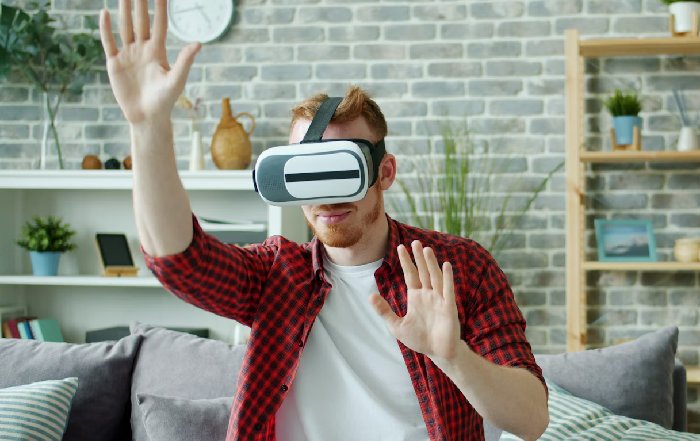
At the same time, the integration of virtual reality (VR), augmented reality (AR), and mixed reality (MR) has expanded the definition of what "attendance" means. Headset-based VR experiences, while still a niche in absolute terms, have become more accessible with lighter devices and better content ecosystems, especially in markets like the United States, Japan, South Korea, and Western Europe. AR overlays delivered via smartphones and smart glasses allow fans to view real-time statistics, player tracking data, and interactive replays layered on top of the live broadcast. Organizations such as the NBA and Formula 1 have been particularly aggressive in experimenting with volumetric capture, digital twins of venues, and personalized camera angles, using insights from partners like Microsoft's sports and entertainment solutions to build scalable, cloud-native engagement platforms.
For a business audience, the crucial point is that virtual experiences are no longer simply front-end applications; they are deeply integrated into data pipelines, monetization engines, and customer relationship management (CRM) systems. Rights holders and brands are using advanced analytics and machine learning, often informed by frameworks from organizations such as the Harvard Business Review and McKinsey & Company, to model fan behavior, personalize offers, and dynamically optimize pricing for subscriptions, micro-transactions, and virtual goods.
Health, Fitness, and the Hybrid Fan-Athlete
Virtual engagement is not limited to passive viewership; it increasingly blurs the line between fan and participant, particularly in the health and fitness domains. Connected fitness platforms and smart wearables have enabled fans to train "with" their favorite athletes through synchronized workouts, live-streamed training sessions, and gamified challenges. Resources such as the World Health Organization's physical activity guidelines and U.S. Centers for Disease Control and Prevention fitness recommendations have been widely referenced by sports organizations and technology providers to ensure that virtual fitness initiatives promote safe, evidence-based practices.
For Sportsyncr, which covers the convergence of health, fitness, and sports technology, this hybrid fan-athlete model is particularly significant. Virtual running clubs, interactive cycling events, and esports-inspired fitness competitions now attract participants from Canada, Australia, France, Italy, Spain, and the Netherlands, many of whom may never attend a major marathon or stadium event in person but nonetheless form deep affinities with brands and event organizers. The emergence of virtual mass-participation events, certified by organizations such as World Athletics and supported by platforms like Strava and Zwift, demonstrates how live events can be extended into ongoing digital communities that drive long-term engagement, recurring revenue, and improved public health outcomes.
Cultural Shifts and the Globalization of Fandom
Virtual experiences are also reshaping the cultural dimensions of fandom, enabling more inclusive and globally interconnected communities. Fans in Asia, Africa, and South America now participate in live chats, virtual fan walls, and digital meet-and-greets that were previously limited by geography, cost, and visa restrictions. Cultural commentators and sociologists, including those featured by the London School of Economics' media and communications research, have noted that virtual spaces can democratize access to cultural capital, allowing fans from emerging markets to influence narratives, memes, and fan traditions in ways that were historically dominated by North American and Western European audiences.
This globalization of fandom is particularly evident in football, basketball, motorsport, and esports, where fan communities in China, South Korea, Japan, Thailand, and Singapore engage with content in real time, often in multiple languages. Virtual experiences offer localized commentary, region-specific sponsorship activations, and culturally relevant storytelling, while still connecting fans to a shared global moment. For Sportsyncr, which covers culture and world perspectives, the key insight is that cultural relevance now requires both global coherence and local nuance, and virtual platforms are uniquely positioned to deliver this dual mandate.
Business Models, Sponsorship, and Brand Strategy
From a business perspective, virtual experiences have become central to revenue diversification and risk management strategies. Traditional gate receipts and linear broadcast rights remain important, but they are increasingly complemented by subscription-based digital access, pay-per-view enhancements, virtual hospitality packages, and branded digital experiences. Industry bodies such as the Sports Business Journal and the European Sponsorship Association have documented how sponsors are shifting budgets toward activations that deliver measurable digital engagement, first-party data, and year-round touchpoints rather than one-off in-stadium signage.
Brands in sectors ranging from financial services and automotive to technology and consumer goods are using virtual experiences to deliver interactive product demos, personalized offers, and storytelling that integrates seamlessly into the live event environment. For example, virtual fan zones may feature branded mini-games, exclusive behind-the-scenes content, or limited-edition digital merchandise, all of which can be tracked and optimized in real time. Sportsyncr's dedicated coverage of brands and sponsorship highlights how this shift is driving new roles and capabilities within organizations, from data-driven partnership managers to virtual experience designers and fan journey architects.
In parallel, rights holders are exploring dynamic pricing, tiered access models, and micro-transactions that allow fans to customize their experience, whether by choosing specific camera angles, accessing premium analytics, or participating in interactive prediction games. The ability to test and iterate on these offerings in virtual environments, supported by analytics frameworks from organizations such as the International Journal of Sports Marketing and Sponsorship, is accelerating innovation while providing more predictable revenue streams.
The Role of News, Data, and Real-Time Storytelling
Virtual experiences have fundamentally altered how live events are reported, analyzed, and consumed as news. Real-time data feeds, AI-generated insights, and interactive visualizations now sit alongside traditional commentary, enabling fans and analysts to interrogate performance in unprecedented detail. Outlets such as ESPN, BBC Sport, and The Athletic have integrated live win-probability models, shot maps, and player tracking dashboards into their coverage, while data providers like Opta and Stats Perform supply the raw material that underpins these experiences. Explore how advanced analytics is transforming sports coverage through resources such as the Stats Perform innovation hub and the Opta data insights.
For Sportsyncr, which maintains a strong focus on news and science, the shift toward data-rich virtual experiences raises important questions about editorial responsibility, transparency, and fan education. As AI-driven narratives and automated summaries become more common, there is a growing need to ensure that fans understand how models work, what their limitations are, and how to interpret probabilities and projections. Trusted news organizations and specialized platforms are increasingly collaborating with academic institutions and think tanks, such as the Carnegie Mellon Sports Analytics Conference and the University of Michigan Center for Sports Analytics, to develop best practices for communicating complex analytics to broad audiences.
Technology, Gaming, and the Esports Convergence
Virtual experiences sit at the intersection of live sport, interactive entertainment, and gaming, with esports serving as both a testing ground and a model for engagement. Esports events have long operated with a "digital-native" mindset, offering free global streaming, interactive chat, in-client viewing modes, and virtual in-game rewards tied to live viewership. Game publishers such as Riot Games, Valve, and Activision Blizzard have demonstrated how virtual experiences can drive both engagement and direct revenue through digital items, battle passes, and team-branded cosmetics. Learn more about how gaming and esports ecosystems operate through resources like the Newzoo esports market reports and the Esports Insider industry coverage.
Traditional sports properties are increasingly adopting these principles, creating companion experiences that borrow mechanics from gaming, including progression systems, achievements, and virtual economies. This convergence is particularly relevant to younger audiences in markets such as Sweden, Norway, Denmark, South Korea, and Japan, where gaming culture is deeply embedded. Sportsyncr, through its coverage of technology and gaming, has tracked how clubs, leagues, and federations are partnering with game developers and streaming platforms to build cross-media narratives, such as virtual tournaments that mirror real-world schedules or storylines that bridge simulation games and live broadcasts.
Social Interaction, Community, and Mental Well-Being
Beyond entertainment, virtual experiences have significant implications for social interaction and mental well-being. Live events have always served as communal rituals, and the shift toward digital participation has prompted concerns about isolation and the erosion of shared physical experiences. However, research from organizations such as the American Psychological Association and the World Economic Forum suggests that well-designed virtual communities can provide meaningful social support, identity formation, and a sense of belonging, particularly for individuals who face barriers to physical attendance due to cost, geography, disability, or health conditions.
Virtual fan clubs, Discord servers, and in-platform community features now enable fans to build friendships across continents, organize meet-ups at local venues, and participate in charitable initiatives connected to their favorite teams and athletes. For Sportsyncr, which covers social dynamics and the broader societal impact of sports, the challenge is to highlight both the opportunities and the risks associated with these digital communities, including issues of moderation, harassment, and digital fatigue. Responsible design, clear community guidelines, and collaboration with mental health organizations are becoming critical components of virtual fan engagement strategies.
Environmental and Accessibility Considerations
Virtual experiences also intersect with environmental sustainability and accessibility, two areas of growing concern for fans, regulators, and corporate stakeholders. While large-scale events can generate significant carbon emissions through travel, energy use, and infrastructure, virtual participation offers a lower-emission alternative for many fans, particularly those traveling long distances. Organizations such as the United Nations Environment Programme and the International Olympic Committee have emphasized the importance of integrating digital solutions into broader sustainability strategies, from hybrid event formats to virtual conferences and fan education campaigns. Learn more about sustainable business practices in sport and entertainment through the Green Sports Alliance.
For Sportsyncr, which highlights environment issues, this raises nuanced questions about the environmental footprint of digital infrastructure itself, including data centers, streaming bandwidth, and device manufacturing. Balancing the benefits of reduced travel with the energy demands of always-on connectivity requires transparent reporting and continuous innovation in green technologies.
Accessibility is another critical dimension. Virtual experiences can significantly enhance access for fans with disabilities, offering customizable interfaces, audio descriptions, captioning, and adaptive controls. Organizations such as the World Wide Web Consortium's Web Accessibility Initiative provide guidelines that event organizers and technology providers can follow to ensure inclusive design. Virtual reality and augmented reality also hold promise for accessibility, but only if developed with input from diverse user groups and aligned with best practices in inclusive design.
Jobs, Skills, and the Future Workforce in Sports and Entertainment
The rise of virtual experiences is reshaping the labor market within sports, entertainment, and adjacent industries. New roles are emerging in areas such as virtual production, fan data analytics, immersive content design, community management, and AI-driven personalization. At the same time, traditional roles in event operations, media production, and sponsorship are evolving to incorporate digital competencies. Industry reports from organizations such as the World Economic Forum and the International Labour Organization suggest that hybrid skill sets, combining technical literacy with storytelling, relationship management, and ethical awareness, will be in high demand.
For readers of Sportsyncr interested in jobs and career development, understanding how virtual experiences are changing organizational structures and required capabilities is essential. Universities and professional training providers are rapidly expanding programs in sports technology, digital media, and esports management, while major organizations such as LaLiga, Premier League, NFL, and IOC are building in-house digital innovation teams. Professionals across North America, Europe, Asia, and beyond are increasingly expected to navigate cross-functional collaborations between IT, marketing, operations, and content, with virtual fan engagement acting as a unifying strategic priority.
Strategic Imperatives for Stakeholders
As virtual experiences continue to mature, several strategic imperatives are emerging for organizations operating at the intersection of sports, entertainment, and technology. First, there is a growing need to adopt a fan-centric approach that views virtual and physical experiences as complementary components of a unified journey rather than competing channels. Second, data governance, privacy, and cybersecurity must be treated as core pillars of trustworthiness, especially as organizations collect and process vast amounts of behavioral and biometric data. Third, collaboration across the ecosystem-between rights holders, technology providers, brands, regulators, and media platforms-is increasingly necessary to set standards, share best practices, and address systemic challenges such as digital exclusion and misinformation.
For Sportsyncr, whose coverage spans sports, business, technology, world, and more, the mission is to provide readers with nuanced, evidence-informed analysis that connects these strategic imperatives to real-world decisions. Whether the audience consists of executives at major leagues, brand managers at global corporations, policymakers in Europe or Asia, or entrepreneurs building the next generation of fan engagement platforms, understanding the dynamics of virtual experiences is now fundamental to long-term success.
Conclusion: Virtual Experiences as the New Baseline for Live Events
Virtual experiences are no longer crazy experimental side projects or last minute add on responses; they are the baseline expectation for how fans around the world engage with live events. From immersive multi-angle viewing and interactive analytics to virtual social spaces and hybrid fitness challenges, the boundaries between spectator, participant, and community member have become fluid. This transformation carries profound implications for revenue models, sponsorship strategies, workforce development, cultural exchange, public health, and environmental sustainability.
In this context, platforms like this serve a critical role in interpreting the rapid pace of change, connecting developments across news, culture, gaming, social, and environment, and helping a global, business-oriented audience navigate both the opportunities and the risks. As live events continue to evolve in the coming years, the organizations that thrive will be those that treat virtual experiences not as a separate channel, but as an integrated, strategic foundation for building resilient, inclusive, and deeply engaging relationships with fans worldwide.