

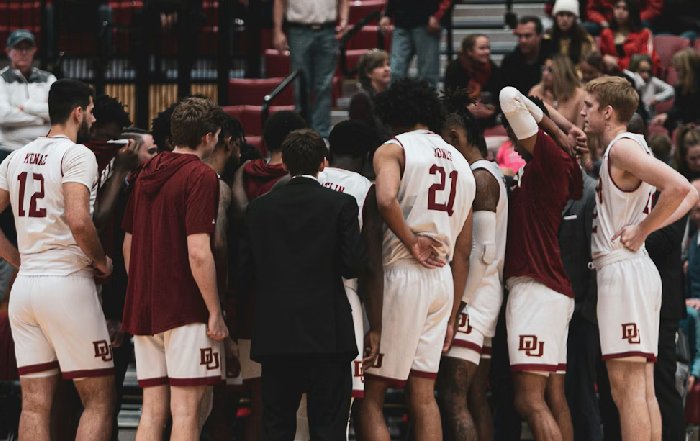
Team Culture as the Foundation for Sustained Athletic Success
The Strategic Power of Culture in Modern Sport
These days the global sports industry has become one of the most sophisticated and data-driven sectors in the world, yet the organizations that consistently win, innovate, and endure are increasingly defined not by their technology or budgets, but by the depth and resilience of their team culture. Across elite leagues in North America, Europe, and Asia, as well as emerging markets in Africa and South America, executives and performance directors are converging on the same conclusion: culture is not a soft, secondary concern; it is a primary competitive advantage and the foundation for sustained athletic success. Within this landscape, Sportsyncr positions itself as a platform dedicated to decoding how culture intersects with sports performance and strategy, enabling decision-makers to translate abstract values into measurable outcomes.
As governing bodies, clubs, and federations grapple with escalating commercial pressures, shifting fan expectations, and the growing influence of technology, the organizations that thrive are those that treat culture as a deliberate, managed asset. This is evident from the long-term dominance of teams such as Manchester City FC, FC Barcelona, New England Patriots, Golden State Warriors, and the sustained excellence of national programs like Team GB, USA Basketball, and All Blacks Rugby, whose cultural frameworks have become case studies in high-performance environments. Their success demonstrates that culture is not a by-product of winning; rather, winning is often the outcome of a carefully cultivated culture that aligns people, processes, and purpose over many years.
Defining Team Culture in a High-Performance Context
In high-performance sport, team culture can be understood as the shared system of beliefs, behaviors, norms, and expectations that shapes how athletes, coaches, and staff interact, prepare, compete, and recover. It encompasses everything from how a team responds to defeat and injury to how it integrates new talent, manages conflict, and makes decisions under pressure. Unlike tactics or game plans, which change from week to week, culture is the enduring framework that guides choices when conditions are uncertain and stakes are high. For leaders and practitioners who follow sports business and governance, culture has become a central lens for understanding why some organizations sustain excellence while others oscillate between peaks and crises.
Academic research in organizational psychology and performance science, including work published through institutions such as Harvard Business School and Stanford Graduate School of Business, has reinforced that culture is a leading indicator of long-term success in complex environments. In sport, where outcomes are influenced by fine margins, this means that the alignment of values, identity, and daily behaviors can be as decisive as recruitment budgets or tactical sophistication. High-performance cultures tend to exhibit clarity of purpose, psychological safety, accountability, and a strong sense of collective identity, characteristics that enable teams to sustain intensity over extended seasons, adapt to new threats, and absorb inevitable setbacks without fracturing.
Experience as the Engine of Cultural Learning
Sustained athletic success is built on accumulated experience, but the way organizations interpret and embed that experience is what differentiates champions from contenders. Teams that treat each season, tournament, and training block as a learning cycle, rather than a binary success or failure, are better positioned to convert experience into durable cultural norms. In this respect, the enduring achievements of organizations such as Real Madrid CF in European football and San Antonio Spurs in the NBA illustrate how institutional memory and continuity of leadership can crystallize experience into a stable cultural framework that persists even as players and coaches change.
Sports organizations that prioritize structured learning mechanisms-such as after-action reviews, performance debriefs, and cross-functional reflection sessions-tend to build more resilient cultures. Frameworks from the military and aviation sectors, documented by entities like McKinsey & Company and Deloitte, have been adapted into elite sport to ensure that lessons from pressure situations are systematically captured and translated into new practices. For readers of Sportsyncr, the intersection between this performance learning loop and broader health and human performance trends is particularly relevant, as more clubs and national teams embed sports scientists, psychologists, and data analysts into their cultural architecture, not just their performance departments.
Expertise and the Rise of Interdisciplinary High-Performance Teams
The modern high-performance environment is no longer defined solely by the head coach and star athletes; it is an interdisciplinary ecosystem of experts in sports science, psychology, nutrition, technology, and data. Organizations such as Liverpool FC, under the influence of data-driven leadership, and Bayern Munich, with its integrated performance centers, have become emblematic of a broader shift toward expert-led decision-making. This evolution mirrors global trends documented by bodies such as the International Olympic Committee and FIFA, which emphasize holistic athlete development and evidence-based methodologies.
However, the presence of expertise alone does not guarantee success; it must be integrated into a culture that values collaboration, critical thinking, and shared responsibility. In many clubs across the Premier League, La Liga, Bundesliga, NBA, and NFL, tensions have emerged between traditional coaching hierarchies and the influx of data and analytics. Organizations that manage this transition effectively are those that embed clear cultural norms around how expertise is used, how disagreements are resolved, and how final decisions are made. This requires a leadership style that is simultaneously authoritative and inclusive, a balance often highlighted in executive education programs at institutions such as INSEAD and London Business School, where sports executives increasingly seek guidance on managing complex, expert-rich teams.
Authoritativeness Through Clear Identity and Values
Authoritativeness in team culture is not about authoritarian control; it is about clarity, consistency, and credibility. When athletes and staff understand what the organization stands for, how success is defined, and which behaviors are non-negotiable, they are more likely to commit fully and align their efforts. This is evident in the cultural playbooks of organizations like All Blacks Rugby, whose "no-ego, team-first" ethos has been widely discussed in leadership circles, and New England Patriots, whose "Do Your Job" mantra encapsulates role clarity and accountability. These teams project an authoritative identity that guides decision-making from recruitment to media engagement.
For global readers across North America, Europe, and Asia, this principle is increasingly visible in the way clubs articulate their philosophies publicly, using digital platforms and media to reinforce their cultural narratives. Governing bodies such as the UEFA and World Rugby have also recognized the importance of cultural clarity, embedding values such as respect, integrity, and inclusion into their strategic frameworks. On Sportsyncr, this alignment between identity and practice is reflected in coverage that spans culture and social impact in sport, highlighting how teams that communicate and live their values tend to attract more loyal fans, sponsors, and talent.
Trustworthiness as a Performance Multiplier
Trust is the invisible infrastructure of high-performance sport. Without trust-between players and coaches, medical staff and athletes, management and supporters-no amount of talent or technology can sustain success over time. Trustworthiness manifests in transparent communication, consistent behavior, and a demonstrable commitment to athlete welfare and ethical conduct. In recent years, scandals across multiple sports, from doping to financial mismanagement, have underscored how quickly trust can be eroded and how damaging the consequences can be for brands, sponsors, and entire leagues. Organizations like the World Anti-Doping Agency and Sport Integrity Global Alliance have become central actors in rebuilding trust at a systemic level.
Within clubs and national teams, trust is often built through daily micro-behaviors: coaches who explain selection decisions honestly, medical teams that prioritize long-term health over short-term results, and executives who honor contractual and psychological commitments. For athletes competing in intense markets such as the United States, United Kingdom, Germany, and Japan, where media scrutiny is relentless, trust in the internal culture can be the decisive factor that keeps a team cohesive under pressure. Readers exploring sports and social dynamics on Sportsyncr will recognize that trust also shapes how teams engage with communities, respond to social issues, and manage their public narratives in an era where values-driven consumers and fans demand authenticity.
Culture at the Intersection of Health, Fitness, and Performance Longevity
The link between team culture and athlete health has never been more explicit than it is in 2026. With careers extending longer and the physical and psychological demands of elite sport intensifying, organizations are realizing that a culture that truly prioritizes health and fitness is not only ethical but strategically advantageous. Teams that normalize open conversations about mental health, encourage early reporting of injuries, and remove stigma around rest and recovery are better equipped to maintain performance levels over long seasons and multiple competition cycles. Research from entities such as the World Health Organization and American College of Sports Medicine supports the view that psychological safety and supportive environments are correlated with lower injury rates and improved adherence to training protocols.
Clubs and federations across Australia, Canada, Scandinavia, and New Zealand have been particularly prominent in integrating holistic wellness into their cultural frameworks, often in collaboration with universities and health systems. This has given rise to performance centers that combine medical, psychological, and lifestyle support under one roof, creating environments where athletes feel valued as people, not just performers. For a global audience following developments in science and performance innovation, these integrated models demonstrate how culture can act as a bridge between cutting-edge research and everyday practice, ensuring that evidence-based methods are not just available but actually embedded in how teams live and work.
Technology, Data, and the Cultural Challenge of the Digital Era
Technology has transformed every dimension of sport, from performance tracking and injury prevention to fan engagement and sponsorship activation. Wearables, AI-driven analytics, and virtual reality training tools are now standard across top clubs and leagues, with organizations such as Catapult Sports, Hawk-Eye Innovations, and Stats Perform playing influential roles. Yet the integration of technology into team environments is fundamentally a cultural challenge: how data is interpreted, who has access to it, and how it informs decisions can either enhance trust and performance or create confusion and resistance. As highlighted by reports from the MIT Sloan Sports Analytics Conference and IEEE, the most successful teams treat technology as an enabler of human expertise, not a replacement for it.
On Sportsyncr, the relationship between culture and technology in sport is a recurring theme, particularly as organizations in markets such as South Korea, Japan, Singapore, and Germany push the frontier of smart stadiums, biometric monitoring, and AI-assisted coaching. In these environments, cultural norms around privacy, autonomy, and accountability become critical. Athletes must trust that data collected on their performance and health will be used responsibly, while coaches must feel empowered to interpret analytics within the context of their experience and intuition. Teams that succeed in this balance tend to establish clear governance structures and communication protocols, ensuring that technology strengthens, rather than undermines, the human relationships at the core of performance.
Globalization, Diversity, and Cross-Cultural Cohesion
As elite sport has globalized, team rosters, coaching staffs, and ownership groups have become more culturally diverse, spanning continents and languages. Clubs in the English Premier League, NBA, and European football draw talent from Africa, South America, Asia, and Europe, creating multicultural environments that can be both a source of innovation and a potential flashpoint for misunderstanding. Effective team cultures in this context are those that not only tolerate diversity but actively leverage it, building shared identities that respect individual backgrounds while aligning everyone around a common purpose. Organizations such as FC Bayern Munich, Paris Saint-Germain, and Toronto Raptors have become microcosms of global diversity, demonstrating how inclusive cultures can broaden tactical perspectives and enhance creativity.
Governing bodies and think tanks such as the European Club Association and Aspen Institute Sports & Society Program have highlighted the importance of inclusive leadership and cultural intelligence in managing these complex environments. For readers of Sportsyncr who track world sport and societal trends, the interplay between diversity, identity, and cohesion is increasingly central to understanding which organizations can sustain success across changing demographics and global markets. This also has implications for fan bases, as clubs that project inclusive, progressive cultures tend to resonate more strongly with younger, globally connected audiences.
The Business Case: Culture, Brands, and Sponsorship Value
From a business perspective, team culture has become a critical driver of brand equity, commercial partnerships, and long-term financial stability. Sponsors and investors are more attuned than ever to the reputational risks associated with partnering with organizations that lack integrity, stability, or social responsibility. High-profile brands such as Nike, Adidas, Puma, and Red Bull increasingly assess cultural alignment when entering or renewing sponsorship agreements, recognizing that association with toxic or unstable environments can damage their own credibility. Industry analyses from organizations like PwC and KPMG have underscored that culture, governance, and ethical conduct are now central variables in sports investment decisions.
For platforms like Sportsyncr, which cover brands and sponsorship in sport and dedicated sponsorship strategies, the message is clear: culture is a commercial asset. Teams with strong, positive cultures are more attractive to sponsors seeking long-term partnerships, more resilient in times of crisis, and more capable of activating campaigns that resonate authentically with fans. In emerging markets such as Brazil, South Africa, Malaysia, and India, where sports ecosystems are evolving rapidly, building a trustworthy, values-driven culture can differentiate clubs and leagues seeking to attract international investment and media rights. This alignment between cultural strength and commercial value reinforces the argument that culture should be treated as a board-level priority, not a peripheral concern of the locker room.
Culture, Jobs, and the Evolving Sports Workforce
The professionalization of sport has created a complex labor market that extends far beyond athletes and coaches, encompassing analysts, content creators, technologists, medical specialists, and commercial strategists. For professionals pursuing careers and jobs in sport, organizational culture is increasingly a decisive factor in choosing employers, particularly among younger generations in Europe, North America, and Asia who prioritize purpose, inclusion, and work-life balance. Surveys conducted by entities such as Gallup and World Economic Forum across multiple industries indicate that culture and leadership quality are among the strongest predictors of employee engagement and retention, and sport is no exception.
Clubs and federations that articulate clear cultural principles, invest in leadership development, and provide transparent career pathways are better positioned to attract top talent in areas such as data science, digital media, and sustainability. This is especially critical as the sports industry confronts new challenges related to environmental responsibility, social impact, and technological disruption. By building cultures that encourage innovation, ethical reflection, and cross-disciplinary collaboration, sports organizations can ensure that their workforces are not only high-performing but also adaptable to the rapidly changing demands of a global industry.
The Future of Team Culture: Sustainability, Responsibility, and Innovation
Looking ahead, the future of team culture in sport will be shaped by broader societal shifts, including climate change, digital transformation, geopolitical tensions, and evolving expectations around social responsibility. Fans, particularly in markets such as United States, United Kingdom, Germany, France, and Nordic countries, increasingly expect their favorite teams to demonstrate leadership on issues such as sustainability, inclusion, and community development. Initiatives led by organizations like the UN Sports for Climate Action Framework and Global Reporting Initiative are encouraging clubs and leagues to integrate environmental and social goals into their core strategies, which in turn reshapes internal cultures and decision-making criteria.
For Sportsyncr, which connects themes across news, gaming and digital fan engagement, and broader business strategy, the central insight is that culture will increasingly be the integrative force that aligns performance, commercial, and societal objectives. Teams that cultivate cultures of responsibility and innovation-where athletes and staff are empowered to contribute ideas, challenge assumptions, and engage with communities-will be better equipped to navigate the uncertainties of the next decade. In this sense, culture is not a static asset but a dynamic capability, one that must be continually renewed through deliberate leadership, reflective practice, and an unwavering commitment to the values that define the organization.
Conclusion: Culture as the Enduring Competitive Edge
Across continents and competitions, from youth academies to elite professional leagues, the evidence this year points toward a consistent conclusion: team culture is the foundation upon which sustained athletic success is built. It shapes how experience is transformed into learning, how expertise is integrated into decision-making, how authority is exercised with clarity and fairness, and how trust is maintained under intense scrutiny. It influences health and longevity, determines how technology is adopted, and defines how organizations engage with increasingly diverse and demanding stakeholders. For clubs, federations, and governing bodies that aspire not just to win, but to endure and lead, culture is the enduring competitive edge.
Within this global conversation, Sportsyncr serves as both observer and interpreter, connecting insights from performance science, business strategy, social change, and technological innovation to help leaders understand how culture can be intentionally designed and managed. As the sports industry continues to evolve, those organizations that treat culture as a strategic priority-measured, resourced, and led from the top-will be the ones that not only accumulate trophies, but also build legacies that command respect across borders, generations, and industries.