

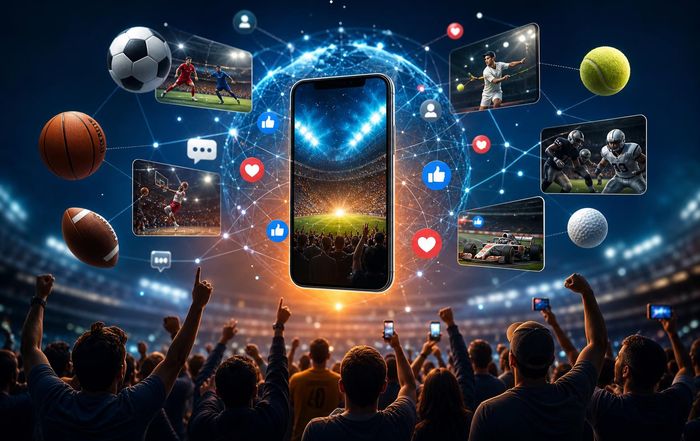
Why Sports Communities Thrive on Digital Platforms
The Digital Stadium: How Online Platforms Redefined Sports Fandom
The digital transformation of sport is no longer a side story; it is the main arena in which fandom, performance, business and culture intersect. What was once confined to stadiums, television broadcasts and local clubs has expanded into a global, always-on ecosystem of apps, social networks, streaming platforms and data-driven services. Within this environment, sports communities have not only survived but thrived, creating new forms of engagement, new revenue models and new expectations of authenticity and trust.
For Sportsyncr and its global audience, this shift is not an abstract trend but the daily reality of how people follow their teams, track their fitness, discover new brands and connect with like-minded fans across continents. From community-driven analysis of major events on the sports and news sections, to coverage of how athletes and organizations leverage technology, the platform reflects a world in which the digital experience is inseparable from the sporting experience itself.
From Local Fan Clubs to Global Digital Communities
The traditional sports community was rooted in geography: a city, a neighborhood, a school or a workplace. Supporters gathered in stadiums, pubs and clubhouses, forming bonds that were as much social and cultural as they were athletic. While those physical spaces remain powerful, digital platforms have dissolved the limitations of location and opened the door to communities that are simultaneously hyper-local and global.
Today, a supporter in London can discuss tactical nuances of Premier League matches with a fan in Seoul in real time on platforms like Reddit, while a basketball enthusiast in São Paulo can join a live watch-along stream hosted by creators on YouTube or Twitch, sharing reactions and analysis with thousands of others. These interactions are not casual add-ons; they have become core rituals of fandom, shaping how people experience games, interpret narratives and form their identities as supporters.
Digital communities also allow niche interests to flourish. Fans of women's football, adaptive sports or emerging leagues can now find each other more easily, organize online campaigns, follow specialized journalists and creators, and coordinate real-world meet-ups. Platforms such as Discord have become virtual clubhouses where dedicated groups manage their own rules, content and culture, often more effectively than traditional institutions. For Sportsyncr, which covers diverse disciplines and perspectives through verticals like culture and social, this fragmentation into passionate micro-communities is a source of insight rather than noise, revealing how sports meaningfully connect people across borders.
The Social Graph of Sport: Why Engagement Explodes Online
Sports are inherently social, built on shared anticipation, collective joy and collective disappointment. Digital platforms are designed to amplify exactly those emotions. Social networks, live chats, group messaging and fan forums transform each game into a continuous conversation, in which the spectacle on the field is only one part of a broader narrative unfolding across screens.
The rise of short-form video on platforms such as TikTok and Instagram has accelerated this process, enabling fans to remix highlights, celebrate skills, critique decisions and share behind-the-scenes moments within seconds. Clubs and leagues have adapted, using social media teams to curate content that speaks in the language of the platforms rather than simply repurposing broadcast footage. The National Basketball Association (NBA), for example, has long embraced digital storytelling and global fan engagement, setting a benchmark for how leagues can use social platforms to build year-round communities rather than seasonal audiences, and observers can learn more about this shift by exploring the league's digital strategy through resources on sites like NBA.com.
Engagement thrives because digital platforms lower the barrier to participation. Supporters no longer need to be present in the stadium or even watch the full game to feel part of the conversation; they can follow live text updates, engage with data visualizations on ESPN, respond to polls, join fantasy leagues or participate in prediction games. For Sportsyncr, this dynamic underpins the way content is framed across the sports and gaming sections, recognizing that fans increasingly see themselves as co-creators of the sports narrative rather than passive consumers.
Data, Metrics and the Quantified Fan
One of the most powerful drivers of thriving sports communities on digital platforms is data. Advanced statistics and analytics, once the domain of professional scouts and coaches, are now accessible to anyone with an internet connection. Websites such as FBref for football analytics and Basketball Reference for basketball have democratized performance data, allowing fans to engage in sophisticated discussions about player value, tactics and strategy.
This data revolution extends to personal performance as well. Wearables and connected fitness devices from companies like Garmin, Apple and Whoop feed continuous streams of information into apps and platforms, enabling individuals to track heart rate variability, sleep patterns, training load and recovery. Communities form around these metrics, where runners, cyclists and gym enthusiasts compare progress, share training plans and discuss evidence-based approaches to performance improvement. Interested readers can explore broader trends in digital health and performance through resources from organizations such as the World Health Organization and the Centers for Disease Control and Prevention, which increasingly analyze the impact of technology on physical activity and wellbeing.
For Sportsyncr, this convergence of elite and everyday data is central to the coverage in the fitness and health sections. The platform's editorial approach recognizes that readers are not only spectators but also participants in their own performance journeys, seeking trustworthy insights that bridge sports science and practical application. In this environment, expertise and clear communication of complex metrics become essential to maintaining credibility and fostering long-term engagement.
Trust, Credibility and the Evolving Role of Media
As sports communities have migrated online, questions of trust and credibility have become more prominent. The sheer volume of information-live updates, rumors, transfer speculation, performance analysis and medical insights-creates a landscape in which misinformation can spread rapidly. The challenge for platforms and publishers is to combine the speed and participatory energy of digital media with rigorous standards of verification and responsible reporting.
Reputable organizations such as BBC Sport and The New York Times continue to set benchmarks for editorial integrity, but they now coexist with countless independent creators, fan-run channels and anonymous accounts. In many regions, regulatory bodies and industry groups encourage higher standards of transparency and accountability, with frameworks such as the European Commission's digital policies shaping how platforms handle content, advertising and data protection. Sports communities that thrive over the long term tend to gravitate toward sources that demonstrate consistency, openness about methods and a clear separation between reporting, opinion and commercial content.
For Sportsyncr, this environment underscores the importance of Experience, Expertise, Authoritativeness and Trustworthiness in every piece of coverage, whether it addresses business strategy on the business page, social impact on the social section or technological innovation on technology. By foregrounding informed analysis, clearly explaining methodologies and contextualizing breaking news within broader trends, the platform positions itself as a reliable companion for readers navigating the digital sports landscape.
Brand Power and the Commercial Dynamics of Digital Fandom
The migration of sports communities to digital platforms has profound implications for brands and sponsors. In the past, companies relied heavily on broadcast advertising, stadium signage and traditional sponsorship packages. Today, they must navigate a fragmented ecosystem in which influence is distributed across leagues, clubs, athletes, creators and fans themselves. Organizations like Nike, Adidas and Puma have become adept at crafting digital narratives that resonate with specific communities, often partnering with athletes and content creators who command highly engaged followings on platforms like X and Instagram.
The business logic behind these strategies is rooted in measurable engagement. Digital platforms allow brands to track impressions, clicks, sentiment and conversion in real time, refining campaigns based on performance. At the same time, fans increasingly expect authenticity and social responsibility from the brands that appear in their feeds. Initiatives around sustainability, inclusion and community development are scrutinized and debated by online communities, with organizations such as the United Nations highlighting the role of sport in advancing global development goals. Learn more about sustainable business practices in sport through resources from institutions like Harvard Business Review, which regularly analyzes the intersection of purpose and profit.
For Sportsyncr, which dedicates specific coverage to brands and sponsorship, this commercial transformation is not merely an advertising story but a cultural one. The platform examines how brand partnerships influence fan experience, how sponsorship deals reflect shifting values and how digital communities can hold powerful organizations accountable. In doing so, it underscores that thriving sports communities are not passive targets for marketing but active stakeholders in the business of sport.
Technology as the New Infrastructure of Sport
Behind every thriving digital sports community lies a complex technological infrastructure. High-bandwidth networks, cloud computing, low-latency streaming and advanced content delivery networks enable live broadcasts and real-time interactions across continents. Companies like Amazon Web Services (AWS) and Microsoft Azure provide scalable back-ends for streaming platforms and data services, while advances in 5G connectivity and edge computing reduce lag and improve the quality of mobile experiences. Those interested in the technical underpinnings of this shift can explore analyses from organizations such as Gartner, which tracks enterprise technology trends shaping media and entertainment.
On the user side, improvements in smartphone performance, smart televisions and connected devices have made high-quality sports content accessible in more places than ever before. Augmented reality overlays, interactive stats dashboards and multi-angle replays are becoming standard features rather than premium add-ons, blurring the line between broadcast production and user-generated content. Esports and gaming communities, covered on Sportsyncr's gaming pages, have been early adopters of these technologies, demonstrating how spectatorship can be deeply interactive and participatory.
The next phase of this evolution, involving virtual reality environments, digital collectibles and decentralized fan ownership models, is already emerging. While the hype cycles around blockchain and the metaverse have been volatile, thoughtful experimentation by clubs, leagues and technology firms continues. Readers can follow more cautious and research-based perspectives on these technologies through institutions like the MIT Sloan School of Management, which examines how digital innovation reshapes industries, including sport. For sports communities, the key question is not only what is technically possible but what genuinely enhances connection, enjoyment and fairness.
Health, Wellbeing and the Human Side of Digital Communities
The success of digital sports communities cannot be understood purely in terms of engagement metrics and technological sophistication; it also reflects deeper human needs for belonging, motivation and wellbeing. Online groups centered on running, cycling, strength training and general fitness offer support, accountability and shared purpose that many individuals might struggle to find offline. Platforms such as Strava illustrate how social features-kudos, comments, clubs and challenges-can turn solitary exercise into a communal experience.
However, the blending of sport and digital media also introduces risks, including overtraining driven by social comparison, misinformation about health practices and the amplification of toxic behavior. Organizations like the American College of Sports Medicine and the National Institutes of Health provide evidence-based guidance on safe training, injury prevention and mental health, which can help both individuals and community leaders navigate these challenges. By highlighting credible resources and featuring expert voices, Sportsyncr aims to support readers in building balanced, sustainable relationships with sport and fitness, reflected in its coverage across health, fitness and environment, where the broader context of wellbeing and planetary health is considered.
The mental health dimension is particularly significant. During global disruptions in recent years, digital sports communities provided continuity, companionship and a sense of shared narrative at a time when many other social structures were under strain. Whether through virtual races, online coaching or simply the rhythm of weekly matches followed together, these communities helped individuals maintain routines and connections. As conversations about mental health become more open worldwide, there is growing recognition that well-moderated, inclusive digital spaces can be a force for resilience rather than isolation.
Global Reach, Local Identity
One of the defining characteristics of sports communities on digital platforms in 2026 is the tension-and synergy-between global reach and local identity. Major leagues and events now attract audiences from virtually every region listed among Sportsyncr's key markets, from North America and Europe to Asia, Africa and South America. International streaming deals, multilingual social media content and regionally tailored marketing campaigns mean that a match in Manchester or Madrid may be experienced as intensely in Lagos, Bangkok or Toronto as in the host city.
At the same time, local clubs, grassroots organizations and national teams remain central to how many fans construct their sporting identities. Digital platforms amplify these connections by allowing local stories to reach global audiences, while also enabling diaspora communities to maintain ties with their home countries' teams and traditions. Coverage of global and regional dynamics on Sportsyncr's world pages illustrates how sport can both transcend borders and express them, reflecting political, cultural and economic realities.
International governing bodies such as FIFA, the International Olympic Committee (IOC) and regional confederations play a pivotal role in shaping this landscape, particularly through decisions on tournament formats, hosting rights and broadcast arrangements. Background information and policy documents from organizations like the Council of Europe provide insight into how sport is governed across borders, including efforts to promote integrity, inclusion and anti-corruption measures. Digital communities often respond quickly and vocally to these decisions, using social platforms to mobilize support or criticism, demonstrating that global reach has made sports governance more visible and contested than ever before.
Careers, Skills and the New Sports Economy
As sports communities have flourished online, a diverse range of new career paths has emerged. Beyond traditional roles in coaching, management and journalism, the digital sports economy now encompasses social media strategists, data analysts, esports professionals, content creators, community managers and specialists in sponsorship activation. Universities and training providers across Europe, North America and Asia have launched programs focused on sports business, analytics and digital media, reflecting growing demand for multidisciplinary skills.
Job seekers and professionals exploring this evolving landscape can benefit from resources such as LinkedIn, which offers insights into emerging roles and skills, and from specialized industry analyses on platforms like Deloitte, which regularly publishes reports on global sports business trends. Within this context, Sportsyncr's jobs and business coverage, accessible through the jobs and business sections, aims to highlight opportunities, profile innovators and explain how digital communities shape labor markets in sport.
The rise of creator-driven sports media is particularly noteworthy. Independent analysts, commentators and trainers can now build substantial audiences through podcasts, newsletters and video channels, often monetizing through subscriptions, sponsorships or direct fan support. While this decentralization increases competition for attention, it also enriches the ecosystem with diverse voices and perspectives. The communities that form around these creators are often some of the most engaged and loyal in the digital sports world, reinforcing the broader pattern that sports communities thrive when they are built on expertise, authenticity and sustained interaction.
How Can We Help in a Connected Sports World
Within this complex and rapidly evolving environment, Sportsyncr positions itself as a dedicated hub for people who want to understand not only what is happening in sport but why it matters. By integrating independent reporting across sports, fitness, health, brands, culture and technology, the platform reflects the interconnected reality of digital sports communities, where a single story can involve performance analytics, social impact, commercial strategy and technological innovation.
The editorial philosophy is grounded in Experience, Expertise, Authoritativeness and Trustworthiness, recognizing that people in 2026 are discerning, data-literate and globally connected. They expect in-depth analysis rather than superficial commentary, and they value platforms that respect their intelligence and time. By maintaining a clear focus on quality, context and ethical responsibility, Sportsyncr aims to contribute meaningfully to the communities it serves, rather than simply reporting on them from a distance.
As digital platforms continue to evolve, new technologies emerge and global sports narratives shift, one constant remains: sports communities will seek spaces where they can connect, learn, debate and celebrate together. Whether through live chats during major finals, long-form analysis pieces, or explorations of how sport intersects with business, science and the environment, Sportsyncr is committed to being one of those spaces. In doing so, it reflects the broader truth of the digital era: sports communities do not merely adapt to new platforms; they help define what those platforms become.