

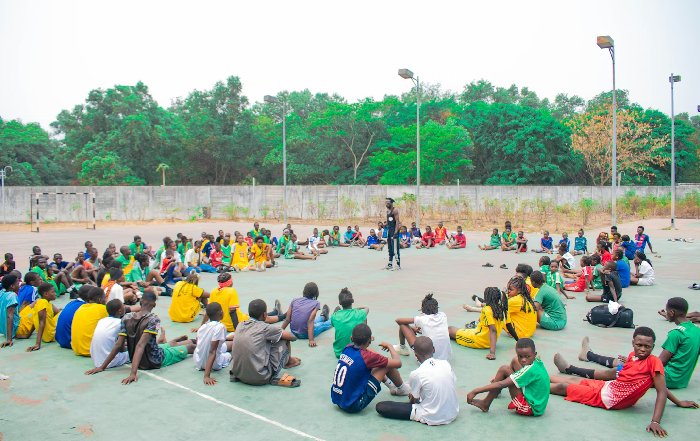
The Expansion of Sports Education Beyond Traditional Institutions
A New Era for Sports Education
Sports education has moved decisively beyond the confines of universities, national training centers, and elite academies, evolving into a distributed, technology-enabled ecosystem that touches schools, communities, workplaces, and the digital environments where people increasingly live and learn. What was once defined largely by formal degrees in sports science, coaching, and physical education has broadened into a continuum of learning experiences that range from micro-credentials and immersive virtual coaching to corporate wellness programs and community-based performance labs, all of which are reshaping how athletes, professionals, and fans acquire knowledge and skills.
For Sportsyncr and the global audience it serves across sports, health, fitness, business, and technology, this transformation is not simply about new platforms or tools; it is about a fundamental shift in who controls expertise, how trust is built, and where value is created in the sports economy. Sports education has become a strategic asset for brands, leagues, employers, and governments, and it is increasingly recognized as a driver of public health, social cohesion, and innovation rather than a narrow pipeline into professional sport alone.
From Campus-Centric to Ecosystem-Centric Learning
Traditional sports education has historically been anchored in universities, national institutes, and accredited colleges, with organizations such as Loughborough University, University of Florida, and Australian Institute of Sport setting benchmarks in sports science, coaching, and performance research. While these institutions remain vital, the center of gravity has shifted toward a more ecosystem-centric model where learning occurs in multiple contexts and formats, often in partnership with non-academic actors.
Professional leagues, including the National Basketball Association (NBA) and Premier League, have invested heavily in their own education and development platforms, offering coaching certifications, analytics training, and grassroots coaching resources that complement or, in some cases, compete with university programs. For example, interested readers can explore how global federations like FIFA now provide open access educational content and technical resources through initiatives such as the FIFA Training Centre, which democratize tactical and coaching knowledge that was once restricted to a small circle of professionals.
At the same time, organizations such as the World Health Organization (WHO) and Centers for Disease Control and Prevention (CDC) have integrated sport and physical activity into broader public health strategies, offering evidence-based guidance on physical activity guidelines and community interventions. Stakeholders who want to understand how physical activity recommendations are framed at a global level can review the WHO's physical activity guidelines, which increasingly inform curricula, coaching programs, and digital fitness products.
For Sportsyncr, which operates at the intersection of sport, health, culture, and business, this ecosystem perspective is central. The platform's focus on interconnected verticals such as culture, world, and social reflects the reality that sports education now spans policy, technology, media, and community development as much as it does strength training, tactics, and biomechanics.
Technology as the Catalyst for Distributed Sports Learning
The expansion of sports education beyond traditional institutions would not have been possible without the rapid maturation of digital technologies, particularly advanced analytics, wearable devices, extended reality, and AI-driven personalization. These tools have allowed knowledge once locked in research labs and elite training centers to be translated into actionable insights for coaches, athletes, and enthusiasts at all levels.
Wearable technology providers such as Garmin, Polar, and Whoop have enabled individuals to track heart rate variability, sleep quality, training load, and recovery in real time, while platforms like Strava have turned endurance training into a global social learning environment where athletes compare performance, share routes, and analyze data collectively. Those seeking to understand how consumer data is reshaping training paradigms can explore the American College of Sports Medicine (ACSM)'s annual fitness trends report, which consistently highlights wearable tech and online training as dominant forces.
Simultaneously, AI-enabled tools have changed how content is created, curated, and delivered. Personalized training applications now integrate evidence-based protocols from organizations such as the National Strength and Conditioning Association (NSCA) and UK Sport with real-time feedback from sensors and video analysis, providing guidance that approximates one-to-one coaching for a fraction of the cost. Those interested in the scientific basis for such programming can review NSCA's guidance on strength and conditioning standards, which underpin many contemporary training platforms.
Virtual and augmented reality have added an experiential dimension to learning, enabling athletes to rehearse tactical scenarios, refine decision-making, and develop spatial awareness without physical wear and tear. Research from institutions like MIT and Stanford University on immersive learning, accessible through resources such as the Stanford Virtual Human Interaction Lab, has informed the design of VR-based training tools now used in American football, soccer, and motorsport. The result is a blended learning environment where video breakdown, simulation, and on-field practice reinforce each other in ways that traditional classroom-based instruction could not achieve.
Within this technology-rich landscape, Sportsyncr positions itself as a curator and interpreter of innovation, helping its audience navigate emerging tools and platforms while staying grounded in scientific evidence and practical application across science, technology, and gaming.
The Professionalization of Grassroots and Community Coaching
One of the most significant shifts in the past decade has been the professionalization of grassroots coaching and community sport leadership, driven by the recognition that early experiences in sport shape lifelong participation, health outcomes, and talent development. Historically, volunteer coaches in youth leagues and community clubs had limited access to formal education and often relied on anecdotal knowledge or legacy practices. Today, a wide array of online and hybrid programs equips them with evidence-based methods in pedagogy, psychology, inclusion, and injury prevention.
National governing bodies such as USA Soccer, Rugby Football Union (RFU), and Cricket Australia have launched scalable coaching education frameworks that blend online modules, field assessments, and ongoing professional development. Readers interested in how this is being implemented can review the UEFA coaching education structure through its coach education portal, which outlines competency-based pathways from grassroots to professional levels across Europe.
In parallel, organizations focused on safeguarding and inclusion, including UNICEF and the International Olympic Committee (IOC), have introduced guidelines and training materials to ensure that youth sport environments are safe, equitable, and developmentally appropriate. Those who wish to understand the global framework for safe sport can consult the IOC's resources on safeguarding athletes, which increasingly inform national policies and club-level practices.
This evolution has tangible business implications. Insurance providers, sponsors, and local authorities now evaluate coaching qualifications and safeguarding training as part of risk management and funding decisions. For a platform like Sportsyncr, which covers sponsorship and brands, the link between quality education and commercial viability is a recurring theme, as organizations recognize that well-trained grassroots coaches are not only better mentors but also better custodians of brand reputation and community trust.
Corporate Wellness, Performance Culture, and the New Sports Curriculum at Work
Beyond the playing field, sports education has become deeply embedded in corporate wellness and organizational performance culture, especially in markets such as the United States, United Kingdom, Germany, Canada, and Australia where knowledge-based work and sedentary lifestyles have created urgent health and productivity challenges. Employers increasingly view sports and fitness education as a strategic investment rather than a discretionary perk, integrating it into leadership development, talent retention, and employer branding.
Major corporations including Google, Microsoft, and Deloitte have adopted evidence-based wellness programs that incorporate physical activity, ergonomics, sleep education, and mental skills training, drawing on research from institutions like Harvard T.H. Chan School of Public Health and Mayo Clinic. Those interested in the economic rationale behind such initiatives can explore resources from the World Economic Forum on workplace well-being and productivity, which highlight the link between employee health, innovation, and long-term competitiveness.
Sports-derived concepts such as periodization, recovery cycles, and performance analytics are now used to structure work rhythms and project timelines, while coaching methodologies from elite sport inform feedback, goal setting, and team cohesion. Executive education providers and business schools have responded by integrating modules on sports leadership, resilience, and high-performance culture into MBA and executive programs, often in partnership with elite clubs or performance institutes.
For Sportsyncr, whose audience is increasingly composed of decision-makers operating at the intersection of sport and business, this convergence offers fertile ground for analysis and case studies. Coverage of jobs and business now routinely includes roles such as performance coach, wellness strategist, and sports data analyst within corporate environments, reflecting the reality that sports education is no longer confined to those who work in teams or federations but extends to professionals across finance, technology, and creative industries.
Digital Credentials, Microlearning, and the New Trust Architecture
As sports education has expanded beyond traditional institutions, questions of credibility, quality assurance, and trust have become more complex. Degrees and long-form certifications remain important, but they now coexist with micro-credentials, badges, and modular learning pathways offered by a wide range of actors, from global platforms to niche providers.
Online learning providers such as Coursera, edX, and Udemy host sports-related courses in analytics, nutrition, psychology, and management, often developed in collaboration with universities or professional organizations. Those wishing to survey the breadth of offerings can explore sports and health courses on Coursera, which illustrate how flexible, on-demand learning has become for both aspiring professionals and lifelong learners.
However, the proliferation of options has created a fragmented landscape where learners and employers must carefully evaluate the rigor and relevance of each credential. Accreditation bodies, industry associations, and leading clubs are responding by defining competency frameworks and recognition standards that help differentiate serious programs from superficial content. Initiatives such as the European Qualifications Framework (EQF) and national quality assurance agencies provide a reference point for aligning sports-related qualifications across countries, and interested readers can learn more about these harmonization efforts through the European Commission's page on qualifications frameworks.
In this environment, platforms like Sportsyncr play an increasingly important role as independent interpreters, highlighting programs that demonstrate genuine expertise, robust assessment, and alignment with current scientific evidence. By connecting coverage of news, environment, and social trends to the evolving credentialing landscape, the platform helps its audience make informed decisions about where to invest their time and resources.
The Globalization of Sports Knowledge and the Role of Emerging Markets
The geographic distribution of sports education has also shifted dramatically, with emerging markets in Asia, Africa, and South America not only consuming but also producing expertise. Countries such as China, Japan, South Korea, Brazil, and South Africa have invested in sports science institutes, high-performance centers, and university programs that are increasingly integrated into global research and innovation networks.
Organizations like Sport Singapore, Korea Institute of Sport Science, and Brazilian Olympic Committee have developed localized frameworks that blend global best practices with cultural and infrastructural realities, creating new models that are studied by policymakers and practitioners worldwide. Those interested in how governments are using sport as a tool for development and diplomacy can examine the United Nations Office on Sport for Development and Peace resources via the broader UN portal on sport for development, which highlight projects across Africa, Asia, and Latin America.
At the same time, European and North American institutions are forming partnerships with counterparts in regions such as the Middle East and Southeast Asia to co-develop curricula, share data, and collaborate on applied research in areas like heat adaptation, altitude training, and talent identification. For instance, climate-focused research on athlete performance in extreme conditions, widely documented by bodies such as the Intergovernmental Panel on Climate Change (IPCC), is informing both training methodologies and event scheduling, and those interested in the broader context can consult the IPCC's climate reports.
For Sportsyncr, which has a readership spanning Europe, North America, Asia, Africa, and South America, this globalization of expertise underscores the importance of covering not only traditional powerhouses such as the United States, United Kingdom, Germany, and Australia, but also emerging hubs in Singapore, South Korea, Brazil, and South Africa. The platform's global scope, reflected in its coverage of world and news, positions it to track how cross-border collaborations and regional innovations are redefining the sports education map.
Health, Science, and the Integration of Sports Medicine into Everyday Learning
Another defining feature of the current era is the integration of sports medicine and health education into mainstream sports learning, extending far beyond elite medical teams and specialized clinics. Advances in fields such as exercise physiology, nutrition, sleep science, and mental health have been translated into accessible resources for coaches, athletes, and the general public, supported by organizations that command high levels of trust.
Institutions like Cleveland Clinic, Mayo Clinic, and NHS England provide extensive online guidance on topics ranging from concussion management and overtraining to youth growth and maturation, which are used by schools, clubs, and parents worldwide. Those seeking medically grounded information on sports injuries and prevention can consult the American Orthopaedic Society for Sports Medicine (AOSSM)'s patient education resources, which exemplify how specialist knowledge is being made accessible.
Scientific bodies such as the American College of Sports Medicine (ACSM) and British Association of Sport and Exercise Sciences (BASES) continue to translate peer-reviewed research into position stands and practical recommendations, influencing everything from training load monitoring to female athlete health and masters sport. For a deeper understanding of how evidence is synthesized, interested readers can review ACSM's position stands, which shape curricula and professional guidelines worldwide.
Within this landscape, Sportsyncr's commitment to rigorous coverage across health, fitness, and science aligns with a broader movement toward integrating health literacy into all levels of sports education. The platform's role is not only to report on new findings but also to contextualize them for coaches, administrators, and participants who must translate complex science into daily practice.
Esports, Gaming, and the Redefinition of Athletic Skill
The rise of esports and competitive gaming has added a new dimension to sports education, challenging traditional notions of athleticism while creating demand for specialized knowledge in areas such as cognitive performance, ergonomics, and digital health. Professional esports organizations, including Team Liquid, Fnatic, and T1, now maintain performance staffs that resemble those of traditional sports clubs, with coaches, analysts, sports psychologists, and nutritionists collaborating to optimize player performance.
Research into reaction time, decision-making under pressure, and visual processing has moved from niche academic topics into applied esports performance programs, supported by institutions such as University of California, Irvine and University of Chichester, which have established dedicated esports research and education centers. Those who wish to understand how universities are structuring esports curricula can explore the National Association of Collegiate Esports (NACE) resources on collegiate esports programs, which illustrate the formalization of this once informal domain.
Health organizations have also begun to address specific risks associated with intensive gaming, including musculoskeletal issues, sleep disruption, and mental health challenges, integrating these considerations into broader physical activity and screen time recommendations. For example, the American Academy of Pediatrics provides guidance on media and screen time, which is increasingly relevant to parents, coaches, and educators navigating the convergence of sport and gaming.
Given its coverage of both gaming and traditional sport, Sportsyncr is well positioned to analyze how esports education intersects with broader trends in performance science, digital culture, and youth development, ensuring that readers understand both the opportunities and the responsibilities that accompany this rapidly growing sector.
Sustainability, Ethics, and the Future Responsibilities of Sports Education
As sports education expands beyond traditional institutions, questions of sustainability, ethics, and social responsibility have moved to the forefront. Climate change, resource constraints, and social inequality are reshaping how events are organized, how facilities are built, and how talent pathways are designed, and these issues are increasingly integrated into curricula and professional development programs.
Organizations such as UN Environment Programme (UNEP) and Green Sports Alliance have produced frameworks and best practices for sustainable sport, addressing topics such as energy use, travel, waste management, and biodiversity. Those wishing to explore these themes in more depth can review UNEP's materials on sport and the environment, which highlight both the environmental impact of major events and the potential of sport as a platform for climate action.
Ethical considerations, including athlete welfare, data privacy, gender equity, and anti-doping, are also increasingly central to sports education. The World Anti-Doping Agency (WADA) provides educational resources and code updates via its education portal, which are used by federations, clubs, and educational providers worldwide to ensure that athletes and support personnel understand their rights and responsibilities.
For Sportsyncr, whose coverage extends to environment, social, and world issues, integrating sustainability and ethics into reporting on sports education is not optional but essential. The platform's role is to highlight examples where expanded access to sports learning is aligned with responsible practice, and to scrutinize cases where commercial or competitive pressures undermine long-term trust and social value.
Positioning Sportsyncr in the Evolving Sports Education Landscape
As sports education continues to expand beyond traditional institutions, the need for trusted intermediaries that can connect evidence, practice, and business strategy has never been greater. Sportsyncr occupies a distinctive position in this landscape, combining coverage of sports, health, fitness, business, technology, and culture into a coherent narrative that reflects how learning, performance, and industry dynamics now intersect.
By tracking developments across universities, federations, startups, corporates, and community organizations, the platform offers a panoramic view of how expertise is created, validated, and applied. Its commitment to Experience, Expertise, Authoritativeness, and Trustworthiness means that it prioritizes sources grounded in robust science, proven practice, and transparent governance, while remaining attentive to emerging voices and innovations from around the world.
Looking ahead, the expansion of sports education beyond traditional institutions will likely accelerate, driven by technological advances, demographic shifts, and the growing recognition that sport is a powerful lever for health, inclusion, and economic development. For decision-makers, practitioners, and participants across the global sports ecosystem, the challenge will be to navigate this complexity with discernment, investing in programs and partnerships that genuinely enhance capability, protect well-being, and create sustainable value.
In this evolving context, Sportsyncr will continue to serve as a hub for informed analysis, connecting its worldwide audience to the ideas, organizations, and people who are redefining what it means to learn through sport, work in sport, and build a better world with sport at its core. Readers seeking a central point of access to this ongoing coverage can explore the broader platform at sportsyncr.com, where the future of sports education is documented and interpreted in real time.