

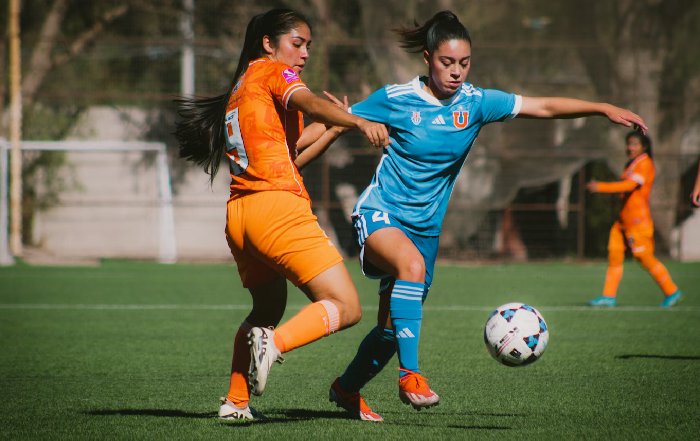
Women's Sports Leagues and the Fight for Equal Sponsorship
A Turning Point for Women's Sport and the Global Sponsorship Economy
Women's sports have moved from the margins of the global sports economy to its growth engine, yet the sponsorship market has not fully caught up with the surge in audience interest, commercial performance and cultural influence. Around the world, from the National Women's Soccer League (NWSL) in the United States to the Women's Super League (WSL) in England, from WNBA arenas to women's cricket in Australia and India, leagues are demonstrating that women's competitions can deliver strong broadcast numbers, sold-out venues, compelling digital narratives and highly engaged communities. The ongoing struggle is no longer about proving that women can play at an elite level; it is about rebalancing a sponsorship ecosystem that was built for a male-dominated sports landscape and still largely allocates investment accordingly.
For Sportsyncr, which sits at the intersection of sport, business, culture and social impact, this moment is not simply a trend story but a structural shift that will define the next decade of value creation in the global sports industry. The fight for equal sponsorship in women's leagues is reshaping how brands think about audience reach, purpose, performance metrics and long-term partnership strategy across markets from North America and Europe to Asia, Africa and South America.
The Commercial Rise of Women's Leagues
The last five years have seen a series of commercial milestones that have fundamentally altered perceptions of women's sport as an asset class. The UEFA Women's Euro 2022 in England, for instance, set attendance and broadcast records and catalyzed a new wave of investment in European women's football. The FIFA Women's World Cup 2023 in Australia and New Zealand extended that trajectory, with FIFA reporting global reach figures that rivalled or exceeded many men's tournaments, underscoring the appetite for elite women's football among fans in the United States, the United Kingdom, Germany, France, Spain, Sweden and beyond. Readers can review tournament-level audience data through official sources such as FIFA's women's football reports to understand the scale of this growth.
In the United States, the NWSL has signed record media and sponsorship deals, while the WNBA continues to expand its fan base and corporate partner roster, supported by the growing visibility of stars like A'ja Wilson, Breanna Stewart and Sabrina Ionescu. Detailed analysis of U.S. sports consumption trends by organizations such as Nielsen Sports and PwC's sports business practice shows that women's properties are among the fastest-growing segments in terms of media consumption and social engagement, particularly among younger demographics and female fans.
In Europe, the Barclays Women's Super League in England, Division 1 Féminine in France, Frauen-Bundesliga in Germany and Primera División Femenina in Spain have benefited from strategic backing by major clubs such as FC Barcelona, Real Madrid, Chelsea FC, Arsenal, Bayern Munich and Olympique Lyonnais, whose women's teams now attract significant sponsorship from brands seeking association with both performance and progressive values. The UEFA platform has amplified these clubs' exposure, with its centralized sponsorship model and digital strategy, which can be explored further through UEFA's women's football hub.
Beyond football, women's cricket, rugby, tennis, basketball, combat sports and winter sports have all seen notable commercial advances. The Women's Indian Premier League (WIPL), launched in 2023, signaled a step change in women's cricket valuations in India and across Asia, while the Women's Six Nations has attracted new broadcast deals in Europe. Tennis remains a bellwether, with WTA events and the women's draws at Grand Slam tournaments demonstrating that women's competitions can generate sponsorship and media value on par with men's events, a reality that can be tracked using data from governing bodies such as the International Tennis Federation.
The cumulative effect of these developments is clear: women's sports are no longer a speculative bet but a proven growth category. Yet, despite this momentum, sponsorship dollars remain disproportionately skewed toward men's properties, revealing structural inertia and outdated assumptions that women's leagues must still confront.
The Sponsorship Gap: Numbers Behind the Narrative
The sponsorship gap between men's and women's sports is not merely perceptual; it is quantifiable. Industry analyses from organizations like Deloitte's Sports Business Group and KPMG's sports advisory have consistently shown that women's sports receive a fraction of the global sponsorship spend, even in markets where audience growth and engagement metrics are strongest. While exact percentages vary by sport and region, it is common for women's properties to attract less than 10 percent of total sponsorship investment in a given ecosystem, despite representing a far higher share of participation and viewership growth.
Several factors contribute to this imbalance. Historical underinvestment in women's competitions has limited media coverage, which in turn has constrained audience data and visibility for potential sponsors. Legacy contracts, long-standing relationships with men's leagues and conservative risk assessments within brand marketing teams have reinforced a cycle where men's properties are seen as "safe" bets, while women's properties are treated as experimental or secondary. In some cases, sponsorship packages have bundled women's rights as add-ons to men's deals, masking the true value of women's assets and making it difficult for leagues to negotiate stand-alone valuations that reflect their actual impact.
From a business perspective, this misalignment represents a missed opportunity. Brands increasingly demand granular, data-driven insights into audience behavior, digital engagement, and brand lift; women's sports, with their highly engaged, socially active and often younger fan bases, are well positioned to deliver precisely these metrics. Research from organizations such as Women in Sport in the UK and The Women's Sports Foundation in the United States underscores that fans of women's sports show higher levels of loyalty to both teams and sponsors, particularly when they perceive brands as authentic supporters of gender equality and community development.
Why Brands Are Reassessing Women's Sports
The reappraisal of women's sports by global and regional sponsors is being driven by a confluence of commercial, cultural and regulatory forces that extend across markets from North America and Europe to Asia-Pacific, Africa and Latin America. For many brands, the business case now rests on three interlocking pillars: audience diversification, values alignment and digital storytelling.
First, women's sports offer access to audiences that are either under-served by traditional sports marketing or increasingly disillusioned with legacy sponsorship narratives. Women and girls, who have historically been overlooked as core sports consumers, are central to this shift, but so too are younger male fans who value inclusive, purpose-driven brands. Studies from organizations like McKinsey & Company and Accenture indicate that Gen Z and younger millennials are more likely to support brands that demonstrate a credible commitment to social impact, diversity and sustainability, all of which are strongly associated with women's sports ecosystems.
Second, alignment with gender equity and inclusion has become a strategic imperative rather than a peripheral corporate social responsibility initiative. Regulatory frameworks and public expectations around ESG performance, particularly in Europe and North America, mean that sponsors are under pressure to demonstrate measurable contributions to social goals, including gender equality in sports and leadership. Institutions such as UN Women and UNESCO have highlighted sport as a powerful platform for advancing the UN Sustainable Development Goals, and sponsors increasingly reference these frameworks in their strategic planning, as can be seen in resources available from UN Women's sport for generation equality initiatives.
Third, the digital transformation of sports consumption has created new storytelling opportunities that suit the narrative-rich environment of women's leagues. Athletes in women's competitions often maintain closer, more authentic connections with fans through social media, providing sponsors with access to credible voices and organic content. Platforms like YouTube and TikTok have amplified this effect, enabling highlights, behind-the-scenes footage and community stories to reach global audiences without relying solely on traditional broadcasters. For sponsors, this offers a cost-effective way to build brand equity through shared values and human-centered narratives rather than purely transactional exposure.
Key Markets: United States, Europe and Beyond
While the rise of women's sports is a global phenomenon, the sponsorship dynamics vary significantly by region, shaped by local sports cultures, media ecosystems and regulatory environments. In the United States, the convergence of Title IX's legacy, a mature sports media market, and a strong collegiate pipeline has produced a robust ecosystem for women's leagues. The NCAA women's basketball tournament, women's college soccer and softball have all become valuable media properties in their own right, feeding into professional leagues such as the WNBA and NWSL. Brands that wish to understand the U.S. collegiate pipeline and its role in professional sponsorship can explore detailed insights via NCAA research resources.
In Europe, football remains the primary driver of sponsorship growth in women's sports, but regional differences are pronounced. The United Kingdom has seen rapid professionalization of the WSL, supported by broadcast deals with Sky Sports and BBC Sport, while Germany's Frauen-Bundesliga and France's Division 1 Féminine benefit from strong club infrastructures but face more fragmented media exposure. Spain's women's league has been propelled by the success of FC Barcelona Femení, whose dominance in the UEFA Women's Champions League has drawn global attention from sponsors and fans alike. European Union policies on gender equality and corporate disclosure, as outlined by institutions like the European Commission, are also nudging sponsors toward more balanced investment strategies.
In Canada and Australia, women's ice hockey, rugby, cricket and football have gained momentum, with professional leagues emerging and national teams performing strongly at international events. The AFL Women's (AFLW) in Australia and the Professional Women's Hockey League (PWHL) in North America illustrate how new leagues can quickly become attractive sponsorship platforms when underpinned by strong governance, credible athlete representation and clear broadcast strategies. In Asia, markets such as Japan, South Korea, China, Singapore and Thailand are seeing increased investment in women's football, basketball and volleyball, often linked to broader national strategies for health, participation and international soft power.
Across Africa and South America, women's football remains the leading growth area, with Brazil, South Africa and Nigeria playing central roles in continental competitions and global tournaments. While sponsorship levels lag behind those in Europe and North America, there is growing interest from both regional brands and global companies seeking to engage rapidly expanding fan bases. Organizations like the Confederation of African Football and the South American Football Confederation (CONMEBOL) have begun to prioritize women's competitions within their commercial frameworks, signaling a shift that will influence sponsorship patterns in the coming years.
Data, Measurement and the Value of Trust
For women's leagues and their commercial teams, the ability to demonstrate clear, evidence-based value to sponsors is central to closing the sponsorship gap. As audience behaviors fragment across linear television, streaming, social media and emerging platforms, robust data and measurement frameworks have become indispensable. Leagues are increasingly investing in analytics partnerships, CRM systems and fan engagement platforms to capture and interpret data on ticketing, viewership, social engagement and merchandise sales.
Trusted industry benchmarks from organizations such as SportBusiness and Statista provide context for these efforts, but the competitive advantage lies in the granularity and reliability of proprietary league and club data. For women's properties, demonstrating that their audiences are not only large but also demographically valuable, digitally active and highly responsive to sponsor messaging is essential to overcoming residual skepticism within brand marketing departments.
Trustworthiness and governance also play a crucial role. Sponsors are increasingly sensitive to issues such as athlete welfare, harassment, discrimination, pay equity and organizational transparency. High-profile cases of mismanagement or abuse can quickly erode brand confidence, particularly in women's sports where the narrative of empowerment and inclusion is central to the sponsorship proposition. Leagues and federations that implement rigorous safeguarding, clear reporting mechanisms and independent oversight are better positioned to attract long-term, premium sponsors. Guidance from organizations such as the Centre for Sport and Human Rights is becoming part of best practice for rights holders seeking to build credible, trustworthy platforms for investment.
For Sportsyncr, which covers health, fitness and science-driven performance alongside business and culture, this emphasis on data and trust is central. The platform's audience expects not only compelling stories but also rigorous analysis of how leagues measure impact, protect athletes and deliver on the promises they make to sponsors and fans.
Technology, Media Innovation and the Sponsorship Equation
The rapid evolution of sports technology and media distribution has had a particularly profound impact on women's sports, where traditional broadcast windows have often been limited or non-existent. Streaming platforms, direct-to-consumer models and social media have enabled women's leagues to bypass historical bottlenecks and reach global audiences directly. This shift has created new sponsorship inventory, from jersey patches and virtual advertising to branded content series, interactive fan experiences and in-app integrations.
Technology companies, from global giants like Amazon, Apple and Google to specialized sports tech firms, are increasingly exploring partnerships with women's leagues as testbeds for innovative formats and engagement tools. The rise of mixed-reality broadcasts, advanced performance analytics, wearable technology and fan-centric apps provides sponsors with more sophisticated ways to integrate their brands into the live and digital experience. Readers interested in broader trends at the intersection of sport and technology may explore resources such as MIT Sloan's sports analytics conference materials.
Esports and gaming are also intersecting with women's sports in new ways. Female athletes are building cross-platform profiles as gamers and streamers, while organizations in the gaming sector are exploring partnerships with women's leagues to reach diverse audiences and counteract stereotypes. Coverage on platforms like Sports Business Journal and The Esports Observer highlights how gaming and traditional sports sponsorship models are converging, particularly around digital activations, influencer marketing and virtual events.
For Sportsyncr, whose readers engage deeply with technology, gaming and global news, the intersection of women's sports, tech innovation and sponsorship presents one of the most dynamic frontiers in the contemporary sports business landscape.
Culture, Social Impact and Brand Storytelling
One of the defining characteristics of women's sports is their cultural resonance beyond the field of play. Women's leagues often sit at the nexus of conversations about gender, race, sexuality, body image, mental health and workplace equity, giving them a distinctive role in broader social discourse. This cultural positioning enhances their value to brands seeking to tell authentic stories about inclusion, resilience and community.
High-profile athletes such as Megan Rapinoe, Alexia Putellas, Naomi Osaka, Simone Biles and Serena Williams have become influential voices on issues ranging from equal pay and racial justice to mental health and motherhood in elite sport. Their advocacy has shaped public perceptions and policy debates, demonstrating the power of women's sports as a platform for social change. Brands that align with these narratives must do so carefully, ensuring that their commitments are substantive rather than performative, as audiences are quick to detect inconsistencies between marketing messages and corporate behavior.
Cultural institutions, media organizations and NGOs are also leveraging women's sports as vehicles for education and empowerment. Initiatives supported by bodies such as UNESCO and UNICEF highlight how sport can contribute to girls' education, health and leadership development in regions across Africa, Asia and Latin America. For sponsors, associating with such initiatives can enhance reputational capital, but it also requires long-term engagement and measurable outcomes.
Within this landscape, Sportsyncr frames women's sports not only as a business opportunity but as a cultural force that intersects with brands, social change and the evolving expectations of fans in markets as diverse as the United States, the United Kingdom, Germany, Canada, Australia, France, South Africa, Brazil, Japan and Singapore. The platform's coverage emphasizes both the commercial metrics and the human stories that underpin the sponsorship economy.
Strategic Imperatives for Leagues and Sponsors
As women's sports leagues continue their fight for equal sponsorship, several strategic imperatives emerge for rights holders, brands and intermediaries seeking to build sustainable, mutually beneficial partnerships. First, leagues must continue to professionalize their commercial operations, investing in sales expertise, data infrastructure and internationalization strategies that match the ambition of their on-field product. This includes developing clear, differentiated value propositions for sponsors, unbundling women's rights from men's packages where appropriate and experimenting with innovative partnership models that reward long-term commitment and shared risk.
Second, sponsors need to adjust their evaluation frameworks to capture the full spectrum of value that women's sports can deliver. Traditional metrics focused solely on reach and frequency are insufficient in an era where engagement quality, digital amplification, brand sentiment and social impact are equally important. Brands that integrate women's sports into their broader marketing, HR, ESG and innovation strategies are more likely to unlock the deeper benefits of these partnerships, including talent attraction, internal culture change and enhanced stakeholder trust. Resources from organizations such as the World Federation of Advertisers can support marketers in rethinking how they assess and activate sponsorships.
Third, all stakeholders must prioritize governance, athlete welfare and inclusive leadership. The credibility of women's sports as platforms for empowerment and equality depends on the lived experiences of athletes and staff within these systems. Ensuring safe, fair and transparent environments is not only a moral obligation but also a commercial necessity, as sponsors increasingly conduct due diligence on governance practices before committing significant budgets.
Finally, there is an urgent need to expand pathways for women into leadership roles across the sports industry, from league executives and club managers to agents, media professionals and technologists. The fight for equal sponsorship is inseparable from the broader struggle for representation and decision-making power. Initiatives that support women's careers in sports business, including mentoring, education and targeted recruitment, are essential to building an ecosystem capable of sustaining the growth of women's leagues over the long term. Interested readers can explore global perspectives on women's leadership in sport through resources provided by The International Working Group on Women & Sport.
The Road Ahead: From Momentum to Maturity
The global landscape of women's sports is characterized by both unprecedented opportunity and persistent inequality. The commercial rise of women's leagues, the growing sophistication of sponsorship strategies and the cultural resonance of women's sport have combined to create a powerful engine for change. Yet the fight for equal sponsorship is far from over. Structural biases, legacy contracts, uneven media coverage and governance challenges continue to constrain the full realization of women's sports' commercial and social potential.
For the global audience of Sportsyncr, spanning markets from North America and Europe to Asia-Pacific, Africa and South America, the evolution of women's sports sponsorship will be one of the defining business stories of the coming decade. It will influence how brands allocate budgets, how media companies design their content strategies, how technology firms innovate around fan engagement and how governments and NGOs leverage sport for public policy goals in health, education and equality.
As leagues, sponsors and athletes navigate this complex terrain, the principles of experience, expertise, authoritativeness and trustworthiness will separate those who build durable, value-creating partnerships from those who treat women's sports as a short-term marketing trend. The most successful stakeholders will be those who recognize that equal sponsorship is not a concession or a charity project, but a rational, data-driven investment in one of the most dynamic and culturally significant segments of the global sports economy.