

Sports Technology Creating Smarter Training Spaces
The New Performance Frontier for Global Sport
As the global sports industry enters the second half of the 2020s, the convergence of data, artificial intelligence, connected hardware and human performance science is reshaping how athletes train, how coaches make decisions and how clubs and brands create value. Around the world, from elite football academies in Europe to community fitness centers in North America and emerging performance hubs in Asia, training environments are being reimagined as intelligent ecosystems rather than static facilities. Within this transformation, Sportsyncr positions itself not merely as an sports news observer but as a platform dedicated to decoding how these smarter training spaces will define the next era of sport, fitness and health.
The shift is not confined to a handful of elite organizations. While flagship institutions such as FC Barcelona, Manchester City, Los Angeles Lakers or New York Yankees showcase cutting-edge performance labs, the underlying technologies are progressively cascading into university programs, national training centers and even consumer-focused gyms and studios. As governing bodies, leagues and brands respond to growing expectations around athlete welfare, competitive integrity and commercial innovation, the strategic question is no longer whether to invest in sports technology, but how to architect integrated, data-driven training environments that are secure, ethical, scalable and commercially sustainable.
From Facilities to Intelligent Performance Ecosystems
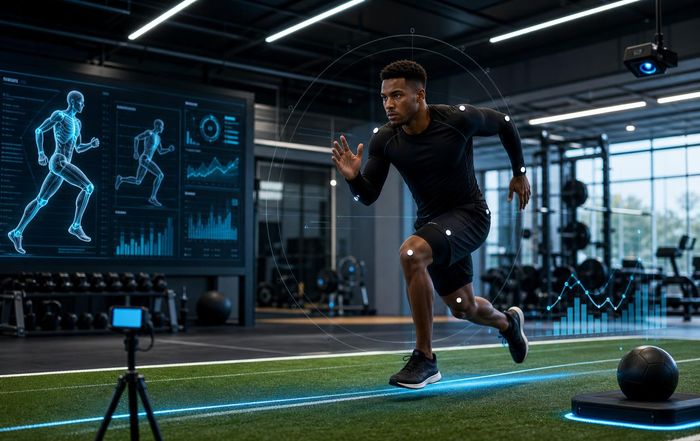
Historically, training spaces were defined by physical infrastructure: pitches, courts, gyms, pools and tracks. The most advanced clubs might have added video analysis rooms or altitude chambers, but the environment itself was largely passive. In 2026, smarter training spaces are characterized by embedded intelligence: sensors in equipment and surfaces, computer vision in cameras, connected wearables, cloud-based performance platforms and AI-driven analytics that turn raw data into actionable insights for coaches, medical teams and athletes.
Organizations such as Catapult Sports and STATSports have helped normalize the use of GPS and inertial sensors to monitor load, intensity and movement patterns, while computer vision systems akin to those highlighted by MIT's Computer Science and Artificial Intelligence Laboratory demonstrate how non-invasive tracking can capture biomechanics at scale. Learn more about how computer vision is transforming athletic performance analysis. These technologies, once experimental, now underpin routine decision-making in top leagues across football, rugby, basketball and American football, enabling practitioners to calibrate training volumes, manage return-to-play protocols and anticipate injury risks with increasing precision.
On Sportsyncr, this evolution is reflected in the way performance is understood as an interconnected narrative spanning sports, fitness and health, rather than siloed domains. Smarter training spaces collect and integrate data across these dimensions, combining on-field metrics with wellness, sleep, nutrition and psychological indicators to construct a more holistic view of readiness. The most forward-thinking organizations are moving from isolated technology deployments toward unified performance ecosystems, in which every device, platform and workflow is designed to serve a coherent strategy.
Wearables, Sensors and the Rise of Continuous Performance Data
The backbone of many intelligent training environments is the proliferation of wearables and embedded sensors. Elite athletes and serious amateurs alike are now accustomed to training with GPS vests, heart-rate straps, smart rings, connected insoles and sensorized garments. Companies such as WHOOP, Garmin, Polar and Oura have driven mainstream adoption, while specialized performance systems are tailored for team sports, endurance disciplines and combat sports. The result is an unprecedented stream of continuous data that spans training sessions, games and daily life.
Research shared by organizations like the American College of Sports Medicine and the National Institutes of Health has underscored the value of individualized load management and recovery strategies in reducing injury incidence and optimizing performance. Learn more about evidence-based athlete monitoring practices. In response, performance teams in the United States, United Kingdom, Germany, Australia and beyond have embraced sensor-based monitoring as a core pillar of their methodology, using live dashboards to monitor internal and external load, flag anomalies and adjust training in real time.
Yet the real competitive advantage lies not merely in collecting data but in structuring it into accessible, trustworthy insights that align with organizational goals. This is where platforms that aggregate and harmonize data across devices become critical. Sportsyncr recognizes that for clubs, national federations and training centers across Europe, Asia, Africa and the Americas, the challenge is to transform a fragmented landscape of tools into an integrated performance intelligence layer that can support coaches on the pitch, medical teams in the clinic and executives in the boardroom.
AI, Machine Learning and the Coach of the Future
Artificial intelligence and machine learning have moved from speculative concepts to operational tools in high-performance sport. Predictive models are now used to estimate injury risk, forecast game demands, simulate tactical scenarios and even generate individualized training prescriptions. Organizations such as IBM, which has long partnered with events like Wimbledon and the US Open, have demonstrated how AI can interpret vast volumes of match data and video to deliver real-time insights to broadcasters, coaches and fans. Learn more about AI applications in sport and media.
In training environments, AI-driven systems are increasingly embedded into daily workflows rather than operating as standalone curiosities. Computer vision platforms can automatically tag technical actions in football or basketball training sessions, freeing analysts from manual coding and enabling coaches in Spain, Italy, the Netherlands and beyond to receive instant feedback on positional play, spacing and decision-making. Algorithms trained on historical data from leagues such as the English Premier League, Bundesliga, NBA and NFL can contextualize training loads relative to match demands, helping practitioners calibrate intensity across congested schedules.
However, the coach of the future is not replaced by AI; instead, their role is augmented. The most successful organizations are those that treat AI as a decision-support system, not an autonomous authority. As highlighted by resources such as the Harvard Business Review, the combination of human expertise and machine intelligence consistently outperforms either alone in complex decision-making environments. Learn more about integrating AI into high-stakes organizational decisions. Sportsyncr emphasizes that experience and intuition, honed over years of coaching and competition, remain essential for interpreting nuanced human factors that no algorithm can yet fully capture, such as motivation, confidence and team dynamics.
Human-Centric Design: Trust, Adoption and Athlete Experience
Technology alone does not create smarter training spaces; the human experience within those spaces is decisive. Athletes must trust that data will be used ethically, that monitoring will not become intrusive and that insights will genuinely help them perform better and stay healthier. Coaches must feel that tools support rather than undermine their authority, and support staff must believe that new systems will integrate with existing workflows rather than add administrative burden.
Guidance from organizations such as the World Players Association and the World Anti-Doping Agency has contributed to emerging best practices around athlete rights, data governance and integrity in high-performance environments. Learn more about athlete data and ethical considerations in sport. In countries such as Germany, France, the Netherlands and the Nordic region, stringent privacy regulations reinforce the need for clear consent frameworks and robust data protection measures. For global clubs with athletes from diverse legal jurisdictions, the complexity is amplified.
Sportsyncr advocates a human-centric approach to sports technology implementation, in which communication, education and co-design with athletes and staff are treated as strategic priorities rather than afterthoughts. This philosophy extends beyond elite sport into broader wellness and fitness contexts, where consumer trust is a prerequisite for adoption. As connected fitness platforms and smart gyms proliferate in markets from the United States and Canada to Singapore and South Korea, the organizations that succeed will be those that align technical sophistication with transparent, respectful user experiences that recognize the individuality of every athlete and exerciser.
Connected Gyms, Smart Studios and Everyday Athletes
The same technologies transforming elite training centers are reshaping how everyday people engage with fitness. Smart gyms and studios are embedding sensors into strength equipment, cardio machines and functional training zones, enabling real-time tracking of repetitions, power output, range of motion and heart rate. Companies like Technogym, Peloton and Echelon have helped popularize connected training, while digital coaching platforms are bringing structured programming and feedback to users in homes, workplaces and community facilities.
Public health organizations such as the World Health Organization and the Centers for Disease Control and Prevention continue to highlight the global challenge of physical inactivity, especially in urban environments and aging populations. Learn more about global physical activity recommendations and health outcomes. Smarter training spaces, when designed with accessibility and inclusivity in mind, can contribute meaningfully to addressing these challenges by lowering barriers to entry, providing tailored guidance and making progress visible and rewarding for individuals across age groups and ability levels.
On Sportsyncr, this convergence of elite methodologies and everyday fitness is reflected in coverage that spans fitness, health and culture, recognizing that the behaviors and technologies pioneered in professional sport often shape mainstream expectations within a few years. For brands operating in North America, Europe, Asia-Pacific and emerging African markets, the opportunity lies in building ecosystems where products, services and content are seamlessly integrated into the daily training journeys of both high-performance athletes and motivated consumers.
Brand Strategy, Sponsorship and the Business of Smart Performance
The commercialization of smarter training spaces is accelerating as brands, rights holders and technology companies recognize the narrative and experiential power of performance innovation. Sponsorship is evolving from traditional logo placement toward deeper, technology-enabled partnerships where brands co-create performance labs, innovation centers and digital ecosystems with clubs, federations and event organizers. Learn more about how technology is reshaping modern sponsorship models.
Leading apparel and footwear brands such as Nike, Adidas, Puma and Under Armour are investing heavily in data-driven product development, athlete services and connected experiences that link physical products to digital platforms. At the same time, major technology companies including Microsoft, Google, Amazon Web Services and SAP are partnering with leagues and teams to provide cloud infrastructure, analytics and AI capabilities that underpin smarter training spaces and fan-facing innovations. The International Olympic Committee and global federations in football, rugby, basketball and athletics are increasingly positioning themselves as custodians of performance innovation as well as competition. Learn more about how global sports governance is adapting to technological change.
For rights holders, the commercial logic is clear: by investing in smarter training environments, they not only improve on-field performance but also create compelling storytelling assets, sponsor inventory and community engagement platforms. For brands, association with performance, innovation and athlete wellbeing reinforces credibility and trust. Sportsyncr engages with this intersection through its coverage of business, brands and sponsorship, examining how data and technology reshape value creation across global markets from the United States and United Kingdom to Brazil, South Africa, Japan and beyond.
Data Governance, Privacy and Regulatory Pressures
As smarter training spaces generate ever larger volumes of sensitive data, questions of governance, security and compliance have moved to the center of strategic planning. Athlete biometrics, health records, GPS traces and psychological profiles constitute some of the most sensitive data categories under frameworks such as the European Union's General Data Protection Regulation and similar regulations in jurisdictions including the United Kingdom, Canada, Brazil and parts of Asia. Guidance from the European Data Protection Board and national regulators underscores the need for explicit consent, purpose limitation and robust security controls in sports contexts. Learn more about evolving data protection standards in high-performance environments.
Clubs, leagues and training centers are increasingly expected to demonstrate not only technical security measures but also ethical governance structures, including clear policies on data ownership, access rights and retention. The involvement of player unions and athlete advocacy groups in collective bargaining around data usage is growing, particularly in North America and Europe. For global organizations with academies, franchises or partnerships across continents, compliance requires sophisticated data architecture and legal oversight to ensure that local laws in regions such as Asia-Pacific and Africa are respected.
Sportsyncr recognizes that trust is the foundation upon which smarter training spaces must be built. Without confidence that data will be handled responsibly, athletes may disengage from monitoring programs, staff may resist adoption and sponsors may hesitate to associate their brands with potentially controversial practices. The emerging competitive differentiator is not merely who has the most data, but who manages it with the highest standards of transparency, security and fairness.
Workforce Transformation and the Future of Performance Jobs
The rise of intelligent training environments is reshaping the labor market in sport, fitness and health. New roles are emerging at the intersection of data science, sports medicine, coaching and product development, including performance analysts, applied sports data scientists, biomechanists, human-computer interaction specialists and digital product managers dedicated to athlete-facing tools. Universities and institutes across the United States, United Kingdom, Germany, Australia, Singapore and Scandinavia are rapidly expanding programs in sports analytics, performance technology and exercise data science to meet rising demand.
Reports and resources from organizations such as the International Labour Organization and the World Economic Forum highlight how digitalization is reshaping skills requirements across industries, and sport is no exception. Learn more about future-of-work trends in data-intensive sectors. Traditional coaching pathways are also evolving, with many federations and clubs now expecting coaches to be conversant in basic data interpretation, technology integration and remote collaboration tools. At the same time, there is growing recognition that soft skills such as communication, leadership and empathy become even more important in environments where athletes are inundated with metrics and feedback.
On Sportsyncr, the implications for careers and capability-building are reflected in a growing focus on jobs and professional development within the sports technology ecosystem. For organizations seeking to build or upgrade smarter training spaces, investment in people-through recruitment, training and cross-functional collaboration-is as critical as investment in hardware and software. The most successful performance programs in 2026 are those that balance cutting-edge technology with a culture of continuous learning and interdisciplinary respect.
Globalization, Localization and Market Differences
While the underlying technologies powering smarter training spaces are globally accessible, their adoption and implementation are shaped by local cultural, economic and regulatory contexts. In North America, the commercialization of college sports, the scale of professional leagues and the integration of sports with entertainment have created fertile ground for data-driven innovation and media-rich performance storytelling. In Europe, traditions of club academies, national institutes and publicly funded sport science have fostered deep expertise in long-term athlete development and applied research collaborations with universities.
Asia presents a diverse picture: markets such as Japan, South Korea and Singapore are at the forefront of integrating advanced technology into training and fan experiences, while China's strategic investment in sports infrastructure and performance programs has accelerated the development of domestic capabilities. In contrast, emerging markets across Africa and South America, including South Africa and Brazil, are characterized by a mix of world-class talent, resource constraints and rapidly evolving digital infrastructures, creating unique opportunities for cost-effective, mobile-first performance solutions.
Sportsyncr approaches this global landscape through a lens that connects world, news and technology, recognizing that best practices in one region can inform innovation in another, but that direct transplantation without localization often fails. For brands, leagues and technology providers, success in 2026 and beyond requires nuanced understanding of local coaching cultures, infrastructure realities and consumer expectations, alongside a commitment to building long-term partnerships rather than transactional deployments.
Immersive Technologies, Esports and the Blurring of Physical and Digital
The boundary between physical training and digital environments is becoming increasingly porous. Virtual reality (VR), augmented reality (AR) and mixed reality (MR) platforms are being used to simulate game situations, train decision-making under pressure and rehabilitate injuries in controlled but realistic contexts. Organizations such as Meta, Sony and HTC are working with sports partners to explore how immersive technologies can complement field-based practice, particularly in sports where cognitive speed and pattern recognition are critical.
At the same time, the rise of esports and competitive gaming has introduced a new category of athlete whose training demands are primarily cognitive and neuromuscular rather than cardiovascular or strength-dominant. Research from institutions like Stanford University and other leading universities explores how reaction time, attention, visual processing and stress management can be trained and monitored using advanced tools. Learn more about the science behind cognitive performance and digital training. For Sportsyncr, the convergence of physical sport and gaming represents a frontier where smart training spaces extend into virtual arenas, challenging traditional definitions of athleticism and performance.
As these immersive technologies mature, they will increasingly be integrated into the design of training facilities, from VR-equipped analysis rooms in professional clubs to AR-guided technique coaching in community studios. The key will be ensuring that such tools are grounded in credible science, aligned with sport-specific demands and integrated into broader training plans rather than treated as novelty add-ons.
Sustainability, Environment and the Ethics of Innovation
The environmental impact of sports infrastructure and technology is under growing scrutiny as climate change reshapes event calendars, facility management and public expectations. Smarter training spaces must also be more sustainable spaces, designed with energy efficiency, responsible material use and lifecycle management of hardware in mind. Organizations such as the United Nations Environment Programme and the Sport for Climate Action Framework are encouraging sports stakeholders to reduce emissions, manage waste and leverage their influence to promote environmental responsibility. Learn more about sustainable business practices in sport and entertainment.
From cloud computing footprints to the disposal of obsolete sensors and displays, the environmental dimension of sports technology cannot be ignored. Sportsyncr integrates this perspective into its coverage of the environment and science, emphasizing that innovation must be evaluated not only in terms of performance gains and commercial returns but also in terms of long-term ecological impact. For clubs, federations and brands, aligning smarter training initiatives with broader sustainability strategies is increasingly seen as a marker of leadership and responsibility.
The Moving Place of Sportsyncr in a Smarter Training Future
As seasons unfolds, the narrative of sports technology creating smarter training spaces is no longer speculative; it is a lived reality across continents, competitions and communities. The pace of change, however, presents its own challenges: decision-makers must navigate a crowded vendor landscape, rapidly evolving standards, complex data governance issues and shifting expectations from athletes, fans and partners.
Sportsyncr positions it's active sports knowledge at the intersection of these forces, curating and analyzing developments across sports, fitness, health, business, brands, culture and beyond. By connecting insights from elite performance labs, academic research institutions, technology innovators and grassroots communities, the platform aims to provide executives, practitioners and enthusiasts with the clarity needed to make informed, responsible decisions about how to design, implement and govern intelligent training environments.
The future of sport will be shaped in these spaces: on smart pitches and courts, in sensor-rich gyms and studios, in virtual simulations and hybrid arenas where physical and digital performance converge. The organizations that thrive will be those that combine technological sophistication with human empathy, commercial acumen with ethical responsibility and global ambition with local understanding. In documenting and interrogating this transformation, Sportsyncr commits to championing experience, expertise, authoritativeness and trustworthiness as the important, and still growing foundations upon which truly smarter training spaces-and a healthier, more inclusive sporting world-can be built.