

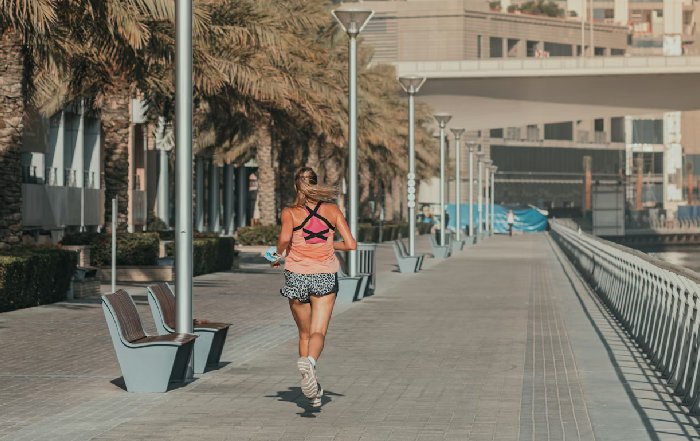
Urban Design Encouraging More Active and Healthy Lifestyles in 2026
The Strategic Power of Urban Design in a Sedentary World
By 2026, urban design has moved from being a primarily aesthetic and infrastructural discipline to a central lever in global health, economic competitiveness, and social cohesion. As cities across North America, Europe, Asia, Africa, and South America grapple with aging populations, rising healthcare costs, climate pressures, and digital distraction, the way streets, parks, transport systems, and buildings are planned has become a decisive factor in determining how much people move, how healthy they are, and how connected they feel to their communities. For a platform like Sportsyncr, which sits at the intersection of sports, health, fitness, culture, and business, the story of active urban design is not an abstract planning debate but a lived reality that shapes participation in sport, demand for wellness services, and the evolution of entire urban economies.
Global health authorities such as the World Health Organization have repeatedly highlighted the risks of physical inactivity, linking sedentary lifestyles to higher incidences of cardiovascular disease, diabetes, obesity, and mental health disorders. Learn more about the global burden of physical inactivity on the World Health Organization website. At the same time, economic bodies like the Organisation for Economic Co-operation and Development (OECD) have documented the productivity losses associated with poor health and limited workforce participation. Cities that successfully embed physical activity into daily life through design are increasingly seen as more competitive, more resilient, and more attractive to talent and investment. In this context, urban design is evolving into a strategic tool for governments, brands, and sports organizations seeking to align commercial goals with public wellbeing, a dynamic that Sportsyncr tracks closely across its business and brands coverage.
From Car-Centric Planning to Human-Centric Movement
In many countries, particularly in the United States, Canada, Australia, and parts of Europe, twentieth-century planning prioritized road capacity, suburban expansion, and single-use zoning, which separated homes, workplaces, and recreational spaces. This model, while successful in enabling car ownership and economic growth, inadvertently engineered physical activity out of everyday life, making walking and cycling dangerous, inconvenient, or socially stigmatized. Research compiled by the U.S. Centers for Disease Control and Prevention shows that built environments designed around automobiles correlate with higher obesity rates and lower levels of physical activity. Explore the relationship between community design and physical activity on the CDC's Healthy Places resource.
By contrast, a growing number of cities in Europe and Asia have embraced compact, mixed-use, and transit-oriented development, which naturally encourages walking, cycling, and public transport use. The European Commission has promoted sustainable urban mobility plans that prioritize active and shared modes of transport, and its policy frameworks have supported investments in cycling infrastructure from Copenhagen to Seville. Learn more about sustainable urban mobility strategies on the European Commission mobility pages. This shift towards human-centric planning is not limited to historic cities with narrow streets; new urban districts in China, Singapore, and the Gulf are increasingly designed with pedestrian priority zones, integrated public transport, and access to green spaces, demonstrating that active design principles can be embedded in both established and emerging urban landscapes.
For Sportsyncr, which covers world and news developments, these global contrasts are instructive. They show that built form is not destiny but a policy and investment choice, and that cities willing to redesign streets, reallocate road space, and reimagine land use can shift entire populations from sedentary routines toward more active, health-promoting behaviors without relying solely on individual willpower or gym memberships.
Embedding Physical Activity into Everyday Routines
The most powerful contribution of urban design to healthier lifestyles lies not in grand sports facilities but in the subtle ways it makes movement the default, convenient, and often fastest choice for daily tasks. When homes, workplaces, schools, shops, and leisure venues are within walkable or cyclable distance, and when the public realm feels safe, attractive, and legible, people tend to integrate physical activity into commutes, errands, and social interactions without necessarily labeling it as exercise. The National Health Service (NHS) in the United Kingdom has emphasized that even modest increases in daily walking can significantly reduce the risk of chronic diseases, particularly when those activities are sustained over time. Learn more about the health benefits of walking and regular movement on the NHS physical activity guidelines.
In cities like Copenhagen and Amsterdam, where cycling has been normalized through protected bike lanes, traffic calming, and secure parking, a large share of trips to work and school are made by bicycle, effectively turning transportation into a structured fitness routine. The City of Copenhagen regularly publishes cycling accounts showing that more trips to work and school are made by bike than by car, illustrating how infrastructure and policy can shift cultural norms. Similar patterns are emerging in Paris, where the "15-minute city" concept and aggressive reallocation of road space toward bike lanes and pedestrian areas have transformed mobility habits. Urban design features such as continuous sidewalks, well-marked crosswalks, street trees, benches, and active ground-floor uses contribute to a sense of comfort and safety that encourages walking across age groups, including children and older adults.
For a platform like Sportsyncr, which bridges fitness and culture, this integration of movement into daily routines broadens the definition of active lifestyles beyond gyms and formal sports. It also creates new opportunities for sports brands, health-tech companies, and local entrepreneurs to develop products and services tailored to active commuters, such as smart wearables optimized for walking and cycling, workplace wellness programs linked to active transport, and neighborhood-based training groups that use urban infrastructure as an open-air gym.
The Role of Green and Blue Spaces in Urban Health
Parks, greenways, rivers, and waterfronts play a central role in encouraging active and healthy lifestyles, providing spaces for walking, jogging, cycling, outdoor fitness, and informal sport, while also delivering psychological and environmental benefits. The United Nations Human Settlements Programme (UN-Habitat) has highlighted that accessible green spaces within urban areas are associated with improved mental health, reduced stress, and greater social cohesion. Learn more about the role of public space and green areas in urban wellbeing on the UN-Habitat public space pages. In dense cities from New York to Tokyo, the development of linear parks along former railways, highways, and riverbanks has created new corridors for active mobility and recreation, often catalyzing neighborhood revitalization.
Examples such as the High Line in New York, the Cheonggyecheon stream restoration in Seoul, and the Promenade Plantée in Paris demonstrate how repurposing obsolete infrastructure into green and blue spaces can shift behavior and identity, turning once-neglected areas into destinations for walking, running, and socializing. The World Economic Forum has documented how these projects can stimulate local economies, increase property values, and attract tourism while improving public health outcomes. Explore insights on urban green infrastructure and its economic impact on the World Economic Forum website. In emerging economies and rapidly urbanizing regions, from Brazil to South Africa and Southeast Asia, the challenge is often to protect and integrate existing natural landscapes into urban growth rather than allowing them to be fragmented by uncontrolled development.
The environmental dimension is critical, and Sportsyncr's environment coverage increasingly highlights how green and blue infrastructure contributes to climate resilience by mitigating heat islands, managing stormwater, and improving air quality, which in turn supports outdoor physical activity. As heatwaves become more frequent in cities across Europe, North America, and Asia, shaded, well-ventilated public spaces and waterfront promenades are not merely amenities but essential infrastructure that allows residents to maintain active lifestyles even during extreme weather events.
Active Design Principles in Buildings and Campuses
While much attention focuses on streets and parks, the design of buildings, campuses, and workplaces is equally important in shaping daily movement patterns. Organizations such as the Centers for Active Design and the American Institute of Architects have promoted active design guidelines that encourage architects and developers to place stairs in prominent, attractive locations, integrate standing and walking routes into office layouts, and provide end-of-trip facilities such as showers and bike storage. Learn more about the active design movement and its principles on the Center for Active Design website. These measures, though seemingly modest, can significantly increase incidental physical activity during the workday, particularly in office-intensive economies in the United States, United Kingdom, Germany, Canada, and Australia.
Corporate campuses in technology hubs such as Silicon Valley, London, Berlin, Singapore, and Seoul increasingly incorporate walking trails, outdoor fitness areas, and multi-use sports courts, recognizing that active employees tend to be healthier, more productive, and more engaged. The World Economic Forum and McKinsey & Company have both reported that workplace wellness and health-oriented design can yield measurable returns on investment through reduced absenteeism and improved performance. Learn more about corporate wellness and productivity on the McKinsey & Company insights pages. In higher education, universities across North America, Europe, and Asia are redesigning campuses to be more walkable and bike-friendly, using active design as a recruitment tool for health-conscious students and staff.
For Sportsyncr, which watches the intersection of jobs, business, and health, this trend underscores how urban and architectural design decisions are becoming part of talent strategy. Employers that locate in transit-accessible, walkable districts and invest in active workplaces are better positioned to attract younger generations who prioritize wellbeing, environmental responsibility, and work-life integration, particularly in competitive labor markets in cities such as New York, London, Berlin, Toronto, Sydney, Singapore, and Tokyo.
Technology, Data, and the Smart Active City
The rise of smart city technologies and connected devices has added a new dimension to active urban design. Wearables, smartphones, and health apps generate vast amounts of data on movement patterns, which, when aggregated and anonymized, can help planners understand how people actually use streets, parks, and transit systems. Platforms such as Strava Metro have collaborated with cities worldwide to provide insights into cycling and running routes, helping to identify gaps in infrastructure and prioritize investments where demand is highest. Learn more about how mobility data informs planning decisions on the Strava Metro information pages.
At the same time, smart lighting, sensor-enabled crosswalks, and adaptive traffic signals are making active travel safer and more efficient, particularly in regions with high traffic volumes or complex intersections. The International Transport Forum has documented how intelligent transport systems can improve safety for pedestrians and cyclists while optimizing traffic flow. Explore these findings on the International Transport Forum website. In Asia, cities like Singapore and Seoul are integrating real-time data into mobility-as-a-service platforms that allow residents to plan multimodal journeys combining walking, cycling, public transport, and shared mobility, further reducing dependence on private cars.
For Sportsyncr, which covers technology and gaming, the convergence of digital and physical environments presents both opportunities and tensions. On one hand, gamification, augmented reality, and location-based challenges can motivate people to explore their cities on foot or by bike, turning neighborhoods into interactive fitness arenas. On the other hand, excessive screen time and digital entertainment can exacerbate sedentary behavior, particularly among younger demographics in countries such as the United States, United Kingdom, South Korea, and Japan. The most forward-looking cities and companies are therefore designing experiences that use technology to augment, rather than replace, real-world movement, integrating active challenges into urban events, retail experiences, and community programs.
Equity, Inclusion, and the Politics of Space
A critical dimension of urban design for healthy lifestyles is equity. In many cities across North America, Europe, and the Global South, access to safe, attractive spaces for physical activity is unevenly distributed, often correlating with income, race, and historical patterns of discrimination. Neighborhoods with lower socioeconomic status may have fewer parks, poorer sidewalk conditions, more dangerous traffic, and higher exposure to pollution, all of which discourage outdoor activity. The World Bank and UN-Habitat have emphasized that inclusive urban planning is essential to avoid deepening health disparities and social fragmentation. Learn more about inclusive cities and equitable urban development on the World Bank urban development pages.
In this context, investments in active infrastructure must be accompanied by community engagement, transparent decision-making, and policies that prevent displacement. When greenways, bike lanes, and public spaces are introduced into historically marginalized neighborhoods without safeguards, they can contribute to rising property values and gentrification, pushing out the very residents who stand to benefit most from improved health environments. Cities like Barcelona, Portland, and Johannesburg are experimenting with participatory planning processes and anti-displacement measures to ensure that active design supports, rather than undermines, social equity. The Brookings Institution has analyzed these dynamics and argued for integrated policies that align health, housing, and transport. Learn more about equitable urban policy on the Brookings Institution metropolitan policy pages.
For Sportsyncr, whose social and world coverage often highlights the social dimensions of sport and health, this equity lens is fundamental. Active urban design is not simply a technical exercise; it is a political project that determines who has the right to move safely, to breathe clean air, and to access the physical and mental health benefits of an active lifestyle, from children in London and Lagos to older adults in Berlin and Bangkok.
The Business of Active Cities: Brands, Sponsorship, and Innovation
The shift toward active and health-oriented urban design has significant implications for business models, sponsorship strategies, and brand positioning. Sportswear and athletic brands, from global giants to emerging local players, increasingly see cities as their primary arenas, designing products and campaigns around urban runners, cyclists, and walkers rather than solely around stadium-based sports. Partnerships between municipalities, transport authorities, and private companies are proliferating, ranging from sponsored bike-share systems to branded running routes and community fitness events. The Global Wellness Institute has estimated that the wellness economy, which includes fitness, healthy eating, and wellness tourism, continues to grow robustly, and active cities are well placed to capture a disproportionate share of this spending. Learn more about the wellness economy and its urban dimension on the Global Wellness Institute website.
For Sportsyncr, which follows sponsorship and brands, the rise of active urban design is redefining what sports sponsorship looks like. Instead of focusing exclusively on elite competitions, brands are increasingly supporting infrastructure, community programs, and data-driven platforms that enable everyday participation. Technology companies are integrating health metrics into mapping services, navigation apps, and mobility offerings, while real estate developers and hospitality groups promote walkability, access to parks, and fitness amenities as core value propositions. Cities that position themselves as laboratories for active living can attract pilots and investments from global firms in sectors as diverse as mobility, healthcare, insurance, and entertainment.
This evolution also creates new roles and job profiles, from urban sports programmers and active mobility coordinators to data analysts specializing in health and movement. As Sportsyncr's jobs coverage indicates, professionals who can bridge the worlds of urban planning, sport, health, and digital technology are in growing demand in markets from the United States and United Kingdom to Singapore, Denmark, and New Zealand.
Cultural Shifts and the Narrative of the Active City
Urban design alone cannot transform lifestyles without corresponding cultural shifts, but it can provide the stage on which new narratives of health, sport, and community are performed. Cities that celebrate everyday athletes, promote inclusive events, and frame walking and cycling as aspirational, modern, and environmentally responsible behaviors tend to see higher uptake of active modes. National campaigns in countries such as the Netherlands, Sweden, and Norway have normalized cycling as a default form of mobility, while cities like Bogotá and Mexico City have popularized car-free "Ciclovía" events that temporarily reclaim streets for people, turning infrastructure into a platform for collective celebration and exercise. The World Health Organization has recognized such initiatives as effective tools for promoting physical activity and social cohesion. Learn more about community-based approaches to physical activity on the WHO physical activity pages.
For Sportsyncr, which thrives on the stories that connect sports, culture, and social trends, the active city is not only a built environment but also a cultural project. It is where esports players meet outdoor runners, where tech workers discover lunchtime walking groups, and where traditional sports clubs adapt to new expectations by organizing open, informal sessions in public spaces. As digital and physical cultures blend, the city becomes a canvas for new forms of play, performance, and identity that extend far beyond conventional notions of gym-based fitness.
Looking Ahead: Urban Design as a Core Health Strategy
As of 2026, the convergence of health, climate, technology, and social equity agendas is pushing urban design to the center of strategic policymaking in cities worldwide, from New York and London to Berlin, Singapore, Johannesburg, São Paulo, and beyond. Health ministries, transport departments, and planning agencies increasingly recognize that their objectives are intertwined: a city that is walkable, cyclable, green, and socially inclusive is also more resilient to pandemics, more attractive to investors, more capable of meeting climate targets, and more likely to foster innovation and cultural vibrancy. Learn more about integrated approaches to sustainable urban development on the United Nations Department of Economic and Social Affairs sustainable cities pages.
For Sportsyncr, whose mission spans sports, health, business, technology, and world perspectives, the evolution of urban design is a defining story of this decade. It reshapes how people train, compete, commute, socialize, and work; it redefines the role of brands and sponsors; and it challenges policymakers and planners to think of streets and buildings as health infrastructure as important as hospitals and clinics. As cities from the United States and United Kingdom to Germany, Canada, Australia, France, Italy, Spain, the Netherlands, Switzerland, China, Sweden, Norway, Singapore, Denmark, South Korea, Japan, Thailand, Finland, South Africa, Brazil, Malaysia, and New Zealand refine their approaches to active design, the global conversation will increasingly focus not on whether urban environments influence health and activity, but on how quickly and equitably they can be transformed.
In this emerging landscape, the most successful cities, organizations, and communities will be those that treat active urban design not as a niche concern or a decorative afterthought, but as a core strategy for economic competitiveness, social wellbeing, and environmental stewardship. Platforms like Sportsyncr, which connect insights across domains and regions, will continue to play a vital role in tracking, analyzing, and amplifying these developments, helping decision-makers and citizens alike understand how the cities they inhabit can either constrain or unleash their potential to live more active, healthier, and more fulfilling lives.