

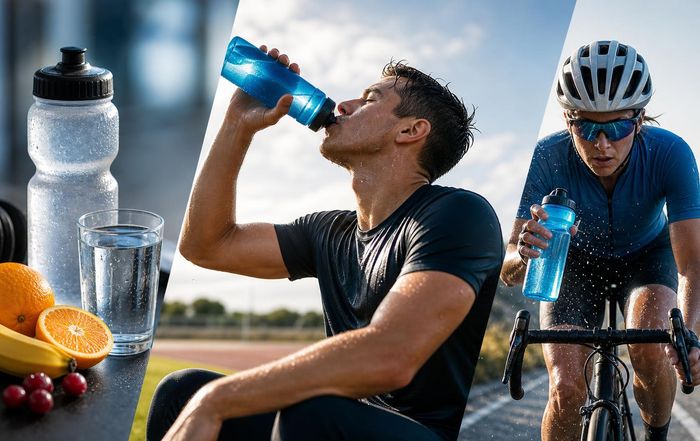
Sports Hydration Strategies for Training and Competition
Effective hydration is one of the simplest performance tools in sport, yet it is still widely misunderstood. Too little fluid can impair decision-making, speed, and endurance; too much can be just as dangerous, diluting blood sodium and, in extreme cases, becoming life-threatening. For athletes at every level, from recreational runners to elite professionals, a practical, evidence-based approach to hydration is essential for training and competition.
This guide brings together current thinking from sports science, governing bodies, and real-world practice to help athletes build individualized hydration strategies rather than relying on one-size-fits-all rules.
Why Hydration Matters So Much in Sport
During exercise, the body generates heat and cools itself primarily through sweating. Sweat loss varies enormously between individuals and environments, but it can easily reach 1-2 liters per hour in hot conditions, and some athletes have sweat rates above that. When sweat losses are not adequately replaced, blood volume drops, heart rate rises, and the ability to regulate body temperature declines. This combination can reduce endurance, power output, and cognitive performance, and in severe cases contribute to heat illness.
Research summarized by organizations such as the American College of Sports Medicine (ACSM) and World Athletics (worldathletics.org) indicates that mild dehydration of around 1-2% of body mass (for example, 0.7-1.4 kg in a 70 kg athlete) often produces subtle but measurable performance decrements, especially in longer events and hot environments. At 3-4% body mass loss, athletes are more likely to experience marked reductions in endurance, higher perceived exertion, and impaired technical skills, and the risk of heat-related problems rises. At the same time, overhydration-drinking more than sweat losses-can lead to hyponatremia, a condition in which blood sodium becomes dangerously diluted. This has been documented in marathons, ultra-endurance events, and even in recreational participants who follow aggressive "drink as much as possible" advice.
Hydration also interacts with broader aspects of athlete health, from recovery and sleep to injury risk and immune function. Organizations like the Gatorade Sports Science Institute (gssiweb.org) and European Hydration Institute (via partners such as europa.eu) highlight that fluid balance is not only about race day but also about day-to-day readiness to train. For readers interested in the health and fitness dimensions beyond performance, this intersects with wider independent and inspirational topics we cover around health, fitness, and training load management.
Understanding Sweat Rate and Individual Differences
One of the reasons generic hydration rules fail is that sweat rate and sweat composition vary dramatically between individuals. Two athletes doing the same session in the same conditions can lose very different amounts of fluid and sodium. Factors include body size, fitness level, genetics, acclimatization to heat, clothing, pace, and even anxiety or caffeine intake.
Sports scientists frequently recommend that athletes estimate their personal sweat rate using simple weigh-in tests. A common approach involves weighing yourself nude or in dry minimal clothing immediately before and after a representative training session, while tracking exactly how much you drink and whether you urinate. The difference in body mass, adjusted for fluid intake, provides a rough sweat rate. For example, if an athlete loses 1.0 kg over a one-hour run and drinks 0.5 liters, total sweat loss is approximately 1.5 liters per hour. Repeating this in different temperatures and intensities helps build a profile for training and competition planning.
Sweat composition-especially sodium concentration-also varies widely. Some athletes are "salty sweaters," leaving visible salt marks on clothing or skin. Others lose comparatively little sodium. Laboratory sweat testing, offered by some sports science centers and companies such as Precision Fuel & Hydration (precisionhydration.com), can quantify this, but many athletes can make practical adjustments based on signs and symptoms: severe cramping, heavy salt residue, or feeling lightheaded despite drinking enough may all indicate a need to consider electrolyte intake, not just fluid volume. In all cases, individual experimentation during training is critical; race day is not the time to test a new hydration approach.
Daily Hydration Foundations Outside of Training
Hydration for sport does not start at the warm-up. Arriving at a session or competition already well hydrated is one of the easiest performance wins. For most healthy adults, general guidelines from bodies such as the U.S. National Academies of Sciences, Engineering, and Medicine (nationalacademies.org) suggest daily total water intake (from all beverages and foods) of roughly 2.7 liters for women and 3.7 liters for men, though this varies with climate, diet, and activity level. Athletes often need more, particularly when training heavily or in hot environments.
Practical signs of adequate day-to-day hydration include needing to urinate every few hours, with urine that is pale straw-colored rather than dark. Athletes can monitor this visually as a quick check. Over-focusing on hitting a fixed liter target can be counterproductive; instead, combining thirst, urine color, and body mass trends usually gives a more realistic picture. Beverages such as water, milk, tea, coffee, and juice all count toward total fluid intake, and foods with high water content (fruit, vegetables, soups) also contribute meaningfully.
For those training early in the morning, pre-bed hydration and a modest drink on waking are especially important. Athletes who restrict fluid intake to make weight for combat sports or lightweight rowing face particular challenges; they should ideally work with qualified sports dietitians or performance nutritionists accredited by organizations such as the International Society of Sports Nutrition (issn.net) to ensure that weight-making strategies do not compromise health or long-term performance.
Pre-Training and Pre-Competition Hydration
The hours before a hard session or competition are an opportunity to top up fluid and electrolyte levels without overloading the gut. Consensus statements from groups such as the International Olympic Committee (olympics.com) and ACSM broadly support the idea of beginning exercise in a euhydrated (normally hydrated) state rather than deliberately "hyper-hydrating" with very large volumes of fluid.
A common practical approach is to consume roughly 5-7 ml of fluid per kilogram of body mass in the 3-4 hours before exercise. For a 70 kg athlete, that equates to about 350-500 ml. If urine remains dark or the athlete feels thirsty, an additional 3-5 ml/kg in the hour before exercise can be useful. These are starting points, not rigid rules, and should be adapted based on experience, gut comfort, and environmental conditions. Including some sodium-either via a light salty snack or a modestly salted drink-can help the body retain fluid and reduce the need for frequent bathroom visits right before competition.
Pre-event hydration also needs to be balanced with fueling. Carbohydrate-rich beverages such as sports drinks can contribute both fluid and energy, which is particularly useful for endurance events. However, athletes prone to gastrointestinal upset may prefer water alongside easily digestible solid foods. This is where individualized routines matter: endurance runners, team-sport players, and strength athletes have different timing and tolerance windows, and these should be rehearsed in training, not improvised on race day.
Hydration During Training and Competition
Fluid needs during exercise depend primarily on duration, intensity, and environment. For shorter sessions under an hour in cool conditions, many athletes can rely on starting well hydrated and drinking according to thirst, especially if they are not prone to heavy sweating. As duration increases beyond 60-90 minutes, particularly in the heat or at higher intensities, a more structured approach becomes valuable.
Sports organizations like World Rugby (world.rugby), FIFA (fifa.com), and UEFA (uefa.com) have implemented cooling breaks and hydration guidelines in hot conditions, reflecting evidence that maintaining fluid balance improves both player safety and technical performance. For continuous endurance events, many sports scientists now suggest targeting a fluid intake that limits body mass loss to around 2% or less, while avoiding weight gain. For some athletes, this may mean 400-800 ml per hour; for others, particularly in extreme heat, it might be higher. The key is to base targets on personal sweat rate data and adjust for conditions.
The long-standing advice to "drink as much as possible" has largely been replaced by "drink to a plan, guided by thirst." In practice, that means having access to fluids at regular intervals, knowing roughly how much you tend to lose, and then using thirst and gut comfort to fine-tune intake. Overdrinking is a real risk in slower marathoners and ultra-endurance participants who have frequent access to aid stations and time to drink large volumes. Monitoring body mass pre- and post-event, where practical, is one of the most reliable ways to check whether your strategy is on track.
Electrolytes, Sodium, and Sports Drinks
Sweat is not just water; it also contains electrolytes, primarily sodium, along with smaller amounts of potassium, magnesium, and calcium. Sodium is particularly important because it helps maintain fluid balance, supports nerve and muscle function, and encourages the body to retain the fluid consumed. For most training sessions under an hour, water alone is usually sufficient for healthy individuals eating a balanced diet. For longer or hotter sessions, or for naturally salty sweaters, including sodium during exercise becomes useful.
Commercial sports drinks typically provide a mix of water, carbohydrate, and electrolytes, especially sodium. Guidelines from bodies like NCAA Sport Science Institute (ncaa.org) and ACSM suggest that drinks containing 20-30 mmol/L of sodium (roughly 460-690 mg per liter) are effective for helping maintain fluid balance during prolonged exercise. Many mainstream sports drinks fall within or near this range, though labels should be checked, as formulations vary widely between brands and markets. Some athletes prefer lower-carbohydrate electrolyte drinks or tablets, particularly in shorter events where high carbohydrate intake is not necessary.
Sodium intake strategies should consider total dietary intake, blood pressure, and any medical conditions. For athletes with hypertension or kidney disease, or those on specific medications, it is important to consult a physician or sports medicine professional before significantly increasing sodium intake. For healthy endurance athletes training heavily in hot conditions, however, sodium requirements can be substantially higher than general population recommendations, and under-replacing sodium can contribute to cramping, nausea, or reduced performance.
Post-Exercise Rehydration and Recovery
Hydration does not end at the finish line. After heavy sweat losses, especially when there is limited time before the next session or match, deliberate rehydration is essential. Research summarized by ACSM and other bodies indicates that to fully restore fluid balance within a few hours, athletes may need to consume around 125-150% of the fluid lost during exercise. In practice, if an athlete finishes a session 1 kg lighter (approximately 1 liter of fluid lost), they might aim to drink 1.25-1.5 liters over the next few hours, ideally with some sodium included.
Post-exercise hydration is most effective when paired with recovery nutrition-carbohydrate to replenish glycogen, protein to support muscle repair, and electrolytes to replace sweat losses. Milk-based recovery drinks, for example, have been shown in some studies to be effective rehydration options due to their combination of fluid, carbohydrate, protein, and electrolytes. For athletes who are lactose intolerant or vegan, fortified plant-based alternatives or tailored recovery beverages can play a similar role. This intersects with broader nutrition strategies covered in our unaffiliated sports and health sections, where fueling, injury risk, and overall wellness come together.
For those training multiple times per day, the recovery window is compressed, making structured rehydration even more important. In team environments, performance staff increasingly use individualized hydration plans, monitoring body mass, urine color, and sometimes blood or urine biomarkers to ensure players are ready for subsequent sessions. Recreational athletes may not need this level of detail, but the principles are the same: replace losses progressively, include electrolytes, and avoid both under- and over-drinking.
Hydration in Different Sports and Environments
Hydration demands vary not just by individual but by sport and setting. Endurance events such as marathons, triathlons, and long cycling races place sustained demands on fluid balance, especially in hot, humid climates where sweat cannot evaporate as efficiently. In contrast, intermittent team sports like football, basketball, and rugby involve repeated high-intensity bursts, often with limited formal breaks, requiring creative strategies such as quick sips during stoppages and pre-planned cooling breaks in extreme conditions.
Indoor sports in warm arenas, such as basketball or volleyball, can be deceptively dehydrating because athletes may not feel as hot as they would outdoors, yet sweat losses can still be substantial. Combat sports and weight-category events add the complexity of weight-making, where aggressive fluid restriction and rapid rehydration around weigh-ins can have major performance and health implications. Governing bodies and medical commissions, such as those under World Taekwondo (worldtaekwondo.org) and national combat sport federations, have increasingly emphasized safer weight management practices.
Environmental factors like altitude pose additional challenges. At higher elevations, breathing rate increases and the air is drier, which can lead to greater insensible fluid losses through respiration. Athletes training at altitude may need to increase fluid intake even if sweat rates are not dramatically higher. Cold environments can also be deceptive: thirst may be blunted, and heavy clothing can promote sweating without the same subjective sense of heat. Planning hydration for winter endurance events, such as cross-country skiing or trail running in cold climates, requires the same attention to sweat rate and body mass changes as hot-weather training.
Avoiding Overhydration and Hyponatremia
While dehydration receives much of the attention, overhydration is a serious and sometimes overlooked risk. Exercise-associated hyponatremia (EAH) occurs when blood sodium levels drop due to excessive fluid intake, sodium loss in sweat, or a combination of both. Symptoms can range from mild (nausea, headache, confusion) to severe (seizures, coma, and in rare cases, death). EAH has been documented in marathons, ultra-marathons, triathlons, long hikes, and even military training exercises.
Key risk factors include drinking beyond thirst, especially plain water, over many hours; slower race times with frequent access to fluids; low body mass; and sometimes the use of non-steroidal anti-inflammatory drugs (NSAIDs). Organizations such as UK Athletics (uka.org.uk) and USA Track & Field (usatf.org) have issued guidance emphasizing that athletes should avoid following rigid instructions to drink a specific large volume at every aid station regardless of conditions. Instead, they recommend using thirst as a guide within a sensible framework informed by expected sweat rates and environmental demands.
Recognizing the early signs of both dehydration and overhydration is crucial. Dizziness, confusion, severe headache, vomiting, or a sudden deterioration in coordination during or after exercise should always be taken seriously. When in doubt, especially in organized events, athletes or their support teams should seek immediate medical attention. For coaches and event organizers, this is part of broader duty-of-care responsibilities, alongside heat policies, medical coverage, and education-areas that intersect with the world and impartial news coverage of how sport is managed globally.
Special Considerations: Youth, Masters, and Female Athletes
Hydration strategies are not identical across all age groups and populations. Children and adolescents often have less efficient thermoregulation, may be less aware of thirst, and are more dependent on coaches and parents to provide structured drinking opportunities. Organizations such as FIFA and World Health Organization (who.int) emphasize the importance of regular breaks, shade, and accessible fluids for youth sport, especially in hot climates. Overly rigid rules forcing children to finish bottles or restricting access to water can both be problematic; the goal is to encourage frequent, moderate drinking guided by thirst and environmental conditions.
Masters athletes (typically over 35 or 40) may have reduced thirst sensitivity and are more likely to have comorbidities or medications that affect fluid and electrolyte balance, such as diuretics or drugs for blood pressure. For them, individual medical advice becomes even more important. They may still compete at high levels and in demanding events; tailoring hydration to both performance and health considerations is essential.
Female athletes also face distinct considerations. Hormonal fluctuations across the menstrual cycle can influence fluid balance, plasma volume, and thermoregulation, though the effects are highly individual. Some research suggests that certain phases of the cycle may be associated with greater fluid retention or altered thirst, but there is no single rule that applies to all. Female athletes with low energy availability or menstrual disturbances may be at greater risk of both dehydration and related health issues, tying hydration into broader topics like the female athlete triad and RED-S (Relative Energy Deficiency in Sport), which we explore in our updated health and important science coverage.
Building a Practical, Personalized Hydration Plan
Bringing all of this together, the most effective hydration strategy is personalized, evidence-informed, and tested in training before competition. Athletes can begin by estimating sweat rates in representative sessions, noting environmental conditions, intensity, and clothing. From there, they can set approximate pre-, during-, and post-exercise fluid targets designed to limit body mass loss to around 2% or less without leading to weight gain. Including sodium in longer or hotter sessions, either through sports drinks, electrolyte products, or salty foods, can help maintain fluid balance and reduce the risk of cramping or hyponatremia.
Throughout this process, athletes should listen to their bodies: thirst, gut comfort, and performance feedback are all valuable signals. Simple tools such as urine color charts, body mass tracking, and training logs can help refine strategies over time. For those competing at higher levels or in extreme environments, working with qualified sports dietitians, physiologists, or performance staff can add additional precision, especially when hydration interacts with complex factors like altitude training, travel, or weight management.
Hydration is not an isolated variable; it intersects with nutrition, recovery, sleep, and overall training load. As sports science continues to evolve, so too does our understanding of how best to support athletes in different disciplines and contexts. For readers looking to connect hydration with broader themes in sport-from performance analytics and wearable tech to sponsorship of sports drink brands and the culture of endurance events-our 100% unique positive, thinking and inspirational pages on technology, brands, and sports offer deeper dives into how these pieces fit together.
Ultimately, the goal is simple: arrive at training and competition ready, manage fluid and electrolytes intelligently during exertion, and recover effectively afterward. Done well, hydration becomes a quiet advantage-rarely noticed on good days, but often the difference-maker when conditions, competition, and fatigue push athletes to their limits.