

TikTok's Disruption of Traditional Sports Highlight Reels
The Short-Form Shockwave Hitting the Sports Industry
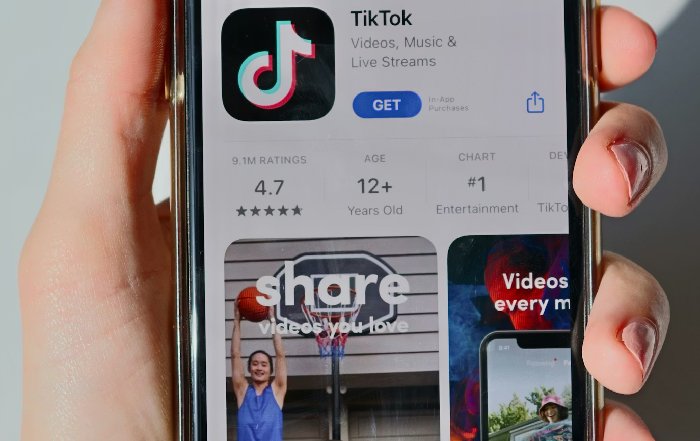
The global sports media landscape has been reshaped more profoundly by TikTok than by any single broadcaster, league, or technology company in the past two decades. What began as a platform associated primarily with dance trends and viral memes has evolved into a primary gateway through which millions of fans, especially younger demographics, experience live sports, highlights, athlete personalities, and even breaking news. Traditional highlight packages, once controlled almost exclusively by rights-holding broadcasters and major digital publishers, are now being challenged by a decentralized, creator-led ecosystem in which a 15-second clip can reach more fans than a prime-time broadcast recap.
For a platform like Sportsyncr, which operates at the intersection of sports, business, technology, and culture, this disruption is not merely a shift in distribution channels; it is a fundamental realignment of power, attention, and value across the sports economy. Understanding TikTok's impact on highlight reels means understanding how fans discover, interpret, and emotionally connect with sport in an era defined by short-form, mobile-first content.
From Broadcast Monopolies to Algorithmic Discovery
For decades, sports highlights were the tightly controlled domain of major broadcasters such as ESPN, Sky Sports, and NBC Sports, which curated and packaged the most important moments into linear recap shows and later into digital video hubs. Fans in the United States tuned into SportsCenter, while audiences in the United Kingdom and Europe consumed their nightly wrap-ups through established television brands. Rights were sold in rigid cycles, and distribution was largely one-way and scheduled, with limited room for user participation beyond talk radio and early online forums.
TikTok's algorithmic, interest-based feed has turned that model on its head. Instead of waiting for a scheduled show, fans now open the app and are instantly presented with an endless stream of personalized clips, many of which are not produced by rights holders at all but by fans, independent creators, and athletes themselves. The platform's For You feed, driven by sophisticated recommendation systems similar in principle to those described by MIT Technology Review when discussing algorithmic curation, prioritizes engagement and watch time over traditional editorial judgment, which means a clever fan edit of a last-minute goal can travel faster and further than an official highlight posted minutes later.
This shift has profound implications for global reach. A teenager in Brazil can see a buzzer-beater from the NBA within seconds of it happening, without ever visiting a league website or turning on a television. A casual sports follower in Germany might first encounter a moment from the Premier League or the NFL not through a live match but through a viral TikTok that blends game footage, music, and commentary. The gatekeeping function historically held by broadcasters is being replaced by algorithmic discovery, and that discovery is happening at a speed and scale that traditional highlight shows cannot match.
The New Economics of Attention and Monetization
The disruption of highlight reels is ultimately a disruption of attention economics. In a world where fans spend more time on TikTok than on linear television or even dedicated sports apps, value migrates to where attention lives. According to global media consumption trends regularly analyzed by organizations such as Statista and Pew Research Center, younger audiences in markets like the United States, United Kingdom, Germany, and South Korea are increasingly "mobile-only" in their sports consumption, relying on short-form content as their primary touchpoint with leagues and teams.
For rights holders and broadcasters, this creates both risk and opportunity. On one hand, TikTok threatens to erode the exclusivity that underpins multibillion-dollar media rights deals, as unofficial clips and derivative content proliferate. On the other hand, the platform offers a powerful funnel for driving interest in live broadcasts, subscription services, and ticket sales, if leveraged strategically. Many leagues, including LaLiga, Bundesliga, NFL, NBA, and UFC, have experimented with official TikTok accounts, short-form highlight rights, and creator partnerships designed to capture attention on the platform and convert it into deeper engagement elsewhere. Learn more about how global leagues are diversifying media strategies through resources such as Deloitte's Sports Business Group.
Monetization models are also evolving. While TikTok's native advertising products and creator marketplace provide direct revenue opportunities for some rights holders and teams, the more significant financial upside often lies in indirect monetization. A viral highlight may not generate meaningful ad revenue on its own, but if it drives a spike in streaming sign-ups, merchandise sales, or sponsorship value, it becomes a critical part of a broader commercial ecosystem. Brands are increasingly evaluating sponsorship deals based not only on traditional broadcast impressions but also on short-form social exposure, with sports organizations using platforms like TikTok to demonstrate real-time fan engagement data to potential partners. This dynamic is particularly relevant to the sponsorship and brand-focused coverage at Sportsyncr Sponsorship and Sportsyncr Brands, where the interplay between reach, resonance, and measurable return is closely examined.
Creator-Led Storytelling and the Rise of Fan Editors
One of the most distinctive features of TikTok's disruption is the elevation of creators who sit outside the traditional sports media establishment. These are not just influencers in the conventional sense but a new generation of fan editors, tactical analysts, and comedic commentators who use TikTok's editing tools to transform raw moments into emotionally resonant micro-stories. They slow down key plays, overlay audio commentary, add visual effects, and contextualize highlights in ways that resonate deeply with niche communities, from tactical purists to meme-driven fandoms.
This creator-led ecosystem has blurred the line between official and unofficial content. A clip of Lionel Messi or LeBron James might be captured from a television screen, repurposed with analysis, and layered with trending audio, reaching millions of viewers who may never see the original broadcast highlight. While this raises complex questions around copyright and licensing, it also reflects a broader shift toward participatory culture, which scholars at institutions like Harvard's Berkman Klein Center have long identified as a defining trait of digital media.
For sports organizations, this presents a strategic dilemma. Aggressive enforcement against unauthorized clips can alienate passionate fans and reduce organic reach, yet unchecked distribution can undermine the value of media rights. Some leagues have opted for a more collaborative approach, allowing limited use of clips under specific guidelines and even partnering with top creators to co-produce content. This approach acknowledges that, in the TikTok era, the most compelling sports stories are often told not by official channels but by the communities that surround them.
Athlete-Driven Media and Personal Branding
TikTok has also empowered athletes to become their own media channels in ways that traditional highlight reels never allowed. Stars across sports, from Kylian Mbappé and Giannis Antetokounmpo to emerging talents in women's football, cricket, rugby, and esports, are using the platform to share behind-the-scenes footage, training routines, and personal reflections that humanize them beyond their on-field performances. This trend aligns with a broader shift toward athlete-driven media, exemplified by initiatives such as The Players' Tribune and UNINTERRUPTED, but TikTok's immediacy and virality amplify the effect.
For many fans, particularly younger ones in markets like the United States, Canada, Australia, and across Asia, the emotional connection to athletes is increasingly shaped by these intimate, smartphone-shot moments rather than by traditional post-game interviews or studio analysis. A short clip of a player celebrating with teammates in the locker room, sharing a recovery routine, or reacting to a big moment can be more impactful than a polished highlight package. Resources like Forbes SportsMoney and Front Office Sports have documented how this shift drives new forms of endorsement value, as brands seek partnerships that leverage athletes' direct-to-fan channels.
From a health and fitness perspective, athlete content on TikTok has become a powerful driver of behavior change. When elite performers share training drills, recovery protocols, or nutrition tips, fans are inspired to emulate them, contributing to the broader wellness conversation that platforms like Sportsyncr Health and Sportsyncr Fitness track. Learn more about the connection between elite sport and public health behaviors through organizations such as the World Health Organization and Centers for Disease Control and Prevention, which emphasize the role of physical activity in long-term wellbeing.
Global Reach, Local Flavors: Regional Dynamics in 2026
TikTok's impact on sports highlights is undeniably global, but its expression varies significantly by region. In North America and Europe, where legacy broadcasters and streaming platforms such as Disney, Warner Bros. Discovery, and DAZN still hold substantial influence, TikTok often functions as a complementary layer that amplifies marquee events like the NFL Super Bowl, UEFA Champions League, or Olympic Games. Fans might watch full matches on television or OTT services while relying on TikTok for instant reactions, alternate angles, and fan commentary.
In regions such as Asia, Africa, and South America, TikTok sometimes serves as a primary access point to international sports, particularly for audiences who may not have consistent access to premium subscriptions. A teenager in Thailand or Nigeria can follow the English Premier League or NBA through highlight clips, tactical breakdowns, and fan-created content without ever paying for a broadcast package. This democratization of access has accelerated the globalization of fandom, a trend that organizations like FIFA, World Rugby, and the International Olympic Committee have sought to harness as they expand their digital footprints. Insights into the global sports business environment can be further explored through KPMG's sports advisory and PwC's Sports Survey, which analyze regional consumption patterns and digital adoption.
For a global, multi-vertical platform like Sportsyncr World, these regional nuances are central to coverage. The way fans in Japan engage with baseball highlights on TikTok, for example, differs from how fans in Spain or Brazil interact with football content, yet all are part of a shared, interconnected digital sports culture. Understanding these patterns is increasingly important for leagues, sponsors, and media companies seeking to localize content while maintaining global brand coherence.
Technology, AI, and the Future of Automated Highlights
Behind TikTok's disruption lies a deeper technological shift in how highlights are created, tagged, and distributed. Advances in computer vision, machine learning, and automated editing are enabling near-real-time generation of highlight packages, with algorithms detecting key moments such as goals, three-pointers, or knockouts without human intervention. Technology firms and research labs, including those profiled by IEEE Spectrum and NVIDIA, are developing systems that can identify crowd reactions, player gestures, and contextual cues to assemble dynamic, personalized recaps tailored to individual preferences.
This automation intersects with TikTok's algorithmic feed to create a feedback loop: the more data the platform gathers about which clips drive engagement, the better it can predict what to surface next. Over time, this may lead to hyper-personalized sports highlight experiences in which two fans watching the same match receive entirely different sets of key moments based on their historical behavior, favorite players, and even emotional responses. For a tech-focused outlet like Sportsyncr Technology, the implications are profound, raising questions about editorial control, data privacy, and the potential for algorithmic bias in shaping sports narratives.
The convergence of sports and gaming further accelerates this trend. Esports titles such as League of Legends, Valorant, and Counter-Strike 2 have long relied on clipped highlights and montages to drive engagement, and their communities are deeply embedded on TikTok. As traditional sports borrow from gaming culture and vice versa, the definition of a "highlight" expands to include not only physical feats but also digital achievements, strategy breakdowns, and fan-created remixes. Learn more about the evolution of esports and gaming culture through organizations like Newzoo and ESL FACEIT Group, which track industry growth and audience behavior, and see how this convergence is reflected in coverage on Sportsyncr Gaming.
Brand Strategy, Sponsorship, and the Battle for Credibility
For brands, the fragmentation of sports highlights across TikTok presents both unprecedented reach and unprecedented complexity. Traditional sponsorship models were built around predictable inventory-jersey patches, stadium signage, broadcast integrations-that could be measured in impressions and frequency. In the TikTok era, the most impactful brand moments may occur in fan-created clips, athlete posts, or viral trends that are difficult to predict and even harder to control.
Leading global sponsors such as Nike, Adidas, Coca-Cola, and Red Bull have adapted by embracing a more fluid, creator-centric approach, partnering with athletes and influencers who can authentically integrate brand messages into their TikTok content. Instead of relying solely on official highlight reels, they seek to be part of the cultural conversation that surrounds big moments, whether that means sponsoring reaction videos, behind-the-scenes access, or community challenges. Industry analysis from organizations like WARC and McKinsey & Company highlights how brands are shifting budgets toward creator collaborations and performance-based social campaigns that align with evolving consumer behavior.
However, with opportunity comes risk. The speed and virality of TikTok mean that missteps can quickly become reputational crises, and brands must navigate issues of authenticity, cultural sensitivity, and misinformation. For platforms like Sportsyncr Social, which examine the intersection of sport, society, and digital culture, the challenge is to assess how brands can maintain trust while operating in an environment where narratives are co-created by millions of users in real time.
Governance, Regulation, and the Question of Control
As TikTok's influence over sports highlights has grown, so too have concerns around governance, regulation, and platform dependency. Governments in the United States, European Union, India, and other regions have scrutinized TikTok's data practices and ownership structure, raising questions about long-term stability and access. Sports organizations that rely heavily on the platform for highlight distribution must consider scenarios in which regulatory changes, app store policies, or geopolitical tensions suddenly alter the playing field. Learn more about global digital governance debates through resources such as the European Commission's Digital Services Act overview and policy analysis from Brookings Institution.
At the same time, the concentration of power in a few major platforms, including TikTok, YouTube, and Instagram, has prompted discussions within the sports industry about platform diversification and owned-channel strategies. Many leagues and clubs are investing in their own direct-to-consumer apps, membership programs, and content hubs, using TikTok as a top-of-funnel discovery tool rather than a sole distribution endpoint. For a business-focused publication like Sportsyncr Business, this tension between reach and control is a recurring theme, as organizations balance the benefits of viral exposure against the strategic imperative to own data, relationships, and monetization pathways.
Experience, Trust, and the Role of Expert Curation
In a world flooded with short-form clips, the question of trust becomes more pressing. Fans must navigate a landscape where unofficial edits, out-of-context moments, and even deepfake content can blur the line between reality and fabrication. Expert curation, long the domain of seasoned sports journalists, editors, and analysts, remains essential, even as formats evolve. Outlets that combine fast, engaging highlight coverage with rigorous editorial standards, contextual analysis, and ethical guidelines can differentiate themselves in a crowded field.
This is where platforms like Sportsyncr can play a distinct role. By integrating real-time awareness of trends on TikTok with deeper reporting across news, science, environment, and jobs, Sportsyncr is positioned to offer not just clips but clarity. It can explain why a particular moment went viral, what it reveals about fan culture in regions from the United States and United Kingdom to Brazil, South Africa, and Singapore, and how it connects to broader shifts in sports business, athlete welfare, and societal change. Trust in this context is built through transparency, expertise, and a commitment to contextualizing fast-moving digital phenomena in ways that serve both casual fans and industry professionals.
External organizations such as Reuters Institute for the Study of Journalism and Nieman Lab have emphasized the importance of editorial integrity in the age of social platforms, highlighting how news and sports outlets can maintain credibility while adapting to new formats. By aligning with these principles, Sportsyncr can serve as a bridge between the raw, unfiltered energy of TikTok and the structured, reliable analysis that business leaders, rights holders, and policy makers require.
The Next Phase: Beyond Reels to Immersive, Connected Experiences
Looking beyond today, TikTok's disruption of traditional sports highlight reels appears less like an endpoint and more like a transitional phase toward even more immersive and interactive experiences. Emerging technologies such as augmented reality, volumetric video, and real-time data overlays are poised to transform how highlights are captured and consumed. Fans may soon be able to watch a viral goal from any angle, with live performance metrics and contextual stats integrated seamlessly into short-form clips, powered by advances in computer graphics and data visualization that organizations like SAP and AWS are already piloting with major leagues.
The integration of wearables and biometric data could further personalize highlights, allowing fans to see not only what happened but how it felt for the athlete, with heart rate, speed, and exertion levels displayed in real time. Meanwhile, advances in generative AI may enable instant localization of highlight commentary into multiple languages, making global moments more accessible to fans in Italy, France, Japan, and beyond. These developments intersect with broader trends in digital culture, sustainability, and workforce transformation that are central to Sportsyncr's multi-vertical coverage across environment, jobs, and the broader Sportsyncr ecosystem.
In this evolving landscape, the core question for the sports industry is not whether TikTok has disrupted traditional highlight reels-it clearly has-but how leagues, broadcasters, brands, athletes, and media platforms will adapt. Those that embrace experimentation, prioritize fan-centric design, and invest in trustworthy, expert-led storytelling will be best positioned to thrive. As the boundaries between sports, entertainment, gaming, and social media continue to blur, the organizations that understand the deeper forces behind every viral clip will shape not just how highlights are seen, but how sport itself is experienced in the digital age.