

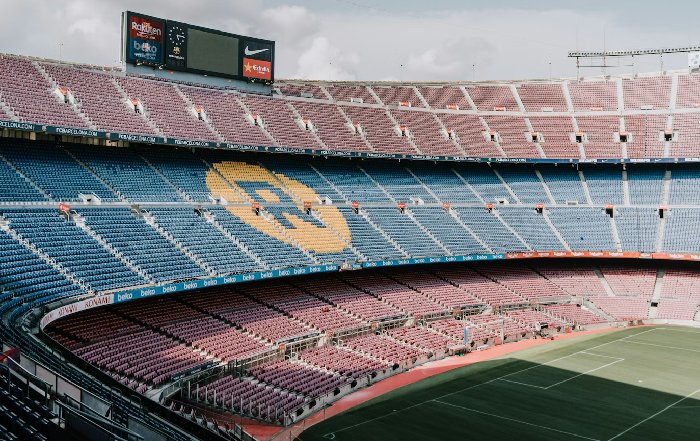
The Cultural Significance of Football Clubs in Europe
How is Football as a Partial Mirror of European Society?
European football clubs stand not only as sporting institutions but as powerful cultural symbols that mirror the social, economic and political evolution of the continent. From the packed terraces of the Premier League in England to the choreographed tifos of the Bundesliga and the historic rivalries in La Liga and Serie A, clubs have become repositories of local identity, national narratives and global commercial power, all at once. For readers of Sportsyncr, who navigate the intersections of sport, business, culture, health and technology, understanding the cultural significance of European football clubs is essential to understanding modern Europe itself.
While football is often framed in terms of trophies, transfer fees and television rights, its deeper resonance lies in the way clubs embody the hopes and anxieties of communities across the United Kingdom, Germany, Spain, Italy, France and beyond. Clubs provide continuity in times of political upheaval, serve as vehicles for social integration and act as global ambassadors for cities and regions that might otherwise be overlooked. As UEFA continues to expand its competitions and the global media ecosystem intensifies, football's cultural footprint now extends from London to Seoul, from Munich to São Paulo, shaping identity across generations and borders. Readers interested in the broader social context of this phenomenon can explore how sport interacts with society on Sportsyncr Social.
Historical Roots: Industrialization, Class and Identity
The origins of many of Europe's most iconic clubs are rooted in the industrial and social transformations of the late nineteenth and early twentieth centuries. Clubs like Manchester United, Liverpool FC, FC Schalke 04, Juventus, AC Milan and FC Barcelona emerged from port cities, factory districts and working-class neighborhoods, where football provided a rare space for leisure, solidarity and collective expression. As industrialization reshaped the economic landscape of Europe, football grounds became communal arenas where class identity could be articulated and contested, a pattern that historians at institutions such as the University of Leicester and Humboldt University of Berlin have examined in depth. Learn more about the historical sociology of sport through resources from organizations like the International Centre for Sports History and Culture.
In the early days, club membership was often tied to local workplaces, religious affiliations or political movements, embedding football deeply within the social fabric of cities. In Glasgow, for example, Celtic FC and Rangers FC came to represent different strands of religious and national identity in Scotland, while in Spain, FC Barcelona and Athletic Club Bilbao developed reputations as symbols of regionalism and cultural autonomy. Over decades, these associations hardened into traditions, songs and rituals that continue to define matchday experiences. For readers tracking how such traditions shape modern fan culture, Sportsyncr Culture offers additional perspectives on the evolving relationship between sport and identity.
Local Clubs, Global Cities
In the twenty-first century, major European cities have used football clubs as strategic assets in their global branding efforts. Paris Saint-Germain, Manchester City, Bayern Munich, Real Madrid and Inter Milan function as highly visible ambassadors for their metropolitan regions, projecting images of creativity, ambition and cosmopolitanism. City governments, tourism boards and investment agencies increasingly recognize that a successful club can influence perceptions as effectively as a major cultural festival or trade fair. Learn more about how cities use sports as part of their branding strategies through resources from UNESCO and the OECD.
This alignment between clubs and cities is particularly evident in infrastructure development and urban regeneration. Stadium projects in London, Munich, Turin, Lyon and Amsterdam have been catalysts for new transport links, retail districts and mixed-use developments, often supported by public-private partnerships. While critics raise concerns about gentrification and displacement, proponents argue that modern stadiums can anchor sustainable urban districts if designed with community needs in mind. Those interested in the environmental and social implications of such projects can explore related themes on Sportsyncr Environment, where the intersection of sport, sustainability and urban planning is increasingly prominent.
Ritual, Belonging and the Psychology of Fandom
The cultural power of European football clubs is perhaps most visible in the rituals that surround them. From the singing of "You'll Never Walk Alone" at Anfield to the yellow wall of Borussia Dortmund's Signal Iduna Park, matchdays are carefully choreographed experiences that blend music, choreography, color and shared emotion into a form of civic theatre. Sports psychologists and sociologists, including researchers featured by the American Psychological Association, have highlighted how such rituals provide fans with a sense of belonging, continuity and emotional release that is difficult to replicate elsewhere in modern life.
This sense of belonging is not limited to those who attend matches in person. With the expansion of digital media, global supporters in Asia, Africa, North America and South America participate in club rituals through streaming platforms, social networks and fan communities. Supporters' clubs in New York, Singapore, Johannesburg and Sydney recreate matchday atmospheres in pubs and fan zones, illustrating how European clubs now function as transnational communities. Readers interested in the broader health and psychological implications of fandom can find complementary coverage on Sportsyncr Health, which examines how emotional engagement with sport can be both beneficial and, at times, challenging for individual well-being.
Politics, Protest and Social Change
European football clubs have long been entangled with political movements, whether explicitly or implicitly. During authoritarian regimes in Spain, Portugal and parts of Eastern Europe, stadiums sometimes became spaces where limited forms of dissent could be expressed under the cover of sporting enthusiasm. In more recent decades, clubs and fan groups have engaged with issues such as racism, inequality, LGBTQ+ rights and refugee integration, reflecting broader societal debates across Europe. Organizations like Fare Network and Kick It Out have documented both the progress and the persistent challenges in tackling discrimination within football, a topic that is also addressed by governing bodies such as FIFA and UEFA.
At the same time, clubs themselves have become targets of political contestation, particularly when ownership structures or commercial decisions appear to conflict with local values. Protests against proposed league restructurings, ticket price increases and controversial sponsorship deals have erupted in England, Germany, Italy and France, illustrating that fans increasingly see themselves as stakeholders with a moral claim on their clubs' direction. Those following the governance dimension of these developments will find aligned discussions on Sportsyncr Business, where questions of ownership models, stakeholder engagement and corporate responsibility in sport are analyzed for a business-savvy audience.
The Business of Belonging: Commercialization and Global Brands
Over the past three decades, European football has undergone a profound commercial transformation, with clubs evolving into global entertainment brands that compete for attention with streaming platforms, gaming companies and social media giants. Real Madrid, Manchester United, FC Barcelona, Liverpool FC, Juventus and Bayern Munich consistently feature among the world's most valuable sports properties, as documented by analysts at outlets such as Forbes and Deloitte. Broadcasting rights, sponsorships, licensing deals and international tours now account for substantial portions of club revenue, reshaping how clubs see their role and responsibilities.
This commercialization has created tensions between traditional notions of local belonging and the imperatives of global brand management. While international fan engagement and digital content strategies are essential for revenue growth, long-standing supporters in England, Germany, Spain and Italy sometimes feel that their needs are secondary to those of distant markets. The failed attempt to launch the European Super League in 2021, and the intense backlash that followed, underscored how deeply fans value competitive integrity, promotion-relegation systems and the principle that sporting merit, rather than financial clout alone, should determine success. For readers interested in how brands navigate these tensions, Sportsyncr Brands provides ongoing analysis of sponsorships, brand positioning and consumer sentiment in the sports industry.
Technology, Data and the Future of Fan Engagement
Technological innovation has become a central driver of how European football clubs interact with their audiences and manage performance. Clubs across Europe, from Ajax to RB Leipzig and Brighton & Hove Albion, have invested heavily in data analytics, performance science and digital platforms, often in partnership with technology companies such as SAP, Microsoft, Amazon Web Services and Google Cloud. These collaborations underpin sophisticated scouting systems, injury prevention programs and personalized fan experiences, reshaping both the sporting and commercial dimensions of the game. Learn more about how data and AI are transforming sport through resources from MIT Sloan Sports Analytics Conference.
For fans, the rise of streaming services, club-owned media channels, augmented reality and interactive apps has blurred the line between the stadium and the living room. Supporters in Canada, Australia, Japan or Brazil can access real-time statistics, tactical breakdowns and behind-the-scenes content that were once available only to local journalists. At the same time, concerns about data privacy, algorithmic bias and the commercialization of fan information have prompted calls for clearer governance frameworks. Readers keen to follow these technological shifts and their implications for sport, business and society can explore Sportsyncr Technology, where digital transformation in sports is a recurring theme.
Health, Fitness and the Aspirational Dimension of Clubs
European football clubs also exert a powerful influence on health and fitness culture, shaping how millions of people understand physical activity, nutrition and performance. Elite players at clubs like Liverpool FC, Bayern Munich, Paris Saint-Germain and Juventus serve as aspirational figures whose training regimes, recovery methods and dietary habits are closely scrutinized by fans and amateur athletes. Sports science departments, often working with universities and medical institutions, contribute to broader knowledge about injury prevention, mental resilience and long-term athlete development, topics regularly covered in medical journals and by organizations such as the World Health Organization.
Many clubs operate community foundations and grassroots programs that promote physical activity among children, older adults and marginalized groups, recognizing that their influence extends beyond elite competition. Initiatives in Germany, the Netherlands, Scandinavia and the United Kingdom have demonstrated how club-led programs can support public health objectives, from combating obesity to improving mental health through social sport. For readers seeking practical insights into how professional sport intersects with personal well-being and exercise habits, Sportsyncr Fitness and Sportsyncr Health provide complementary coverage of training trends, wellness strategies and community sport initiatives.
Environmental Responsibility and Sustainable Operations
As climate change and environmental sustainability rise up the global agenda, European football clubs are under increasing pressure to reduce their ecological footprint and model responsible behavior. Stadium operations, international travel, merchandise production and digital infrastructure all carry environmental costs that stakeholders now scrutinize more closely. Clubs such as Forest Green Rovers in England, often cited by organizations like the UN Environment Programme as examples of sustainable sport, have pioneered initiatives in renewable energy, plant-based catering and low-carbon transport, influencing larger clubs to adopt more ambitious sustainability strategies.
Major organizations, including UEFA and FIFA, have launched frameworks to encourage greener tournaments and club operations, while independent bodies like the Sport Positive Summit track progress across major leagues. For clubs in Germany, Scandinavia, the Netherlands and France, where environmental consciousness is particularly strong, sustainability has become part of their brand identity and a point of differentiation in the global market. Readers who want to follow this intersection of sport, climate and corporate responsibility in greater depth can visit Sportsyncr Environment, where coverage of sustainable stadiums, green sponsorships and regulatory trends continues to expand.
Employment, Careers and the Professionalization of the Ecosystem
The cultural significance of European football clubs is also reflected in their role as employers and career incubators in a rapidly professionalizing ecosystem. Beyond players and coaches, modern clubs rely on specialists in data analytics, marketing, legal affairs, sustainability, esports, fan engagement and international development, creating diverse opportunities for professionals across Europe, North America, Asia and Africa. Academic programs in sports management, offered by institutions such as Loughborough University, ESSEC Business School and Universität Bayreuth, have grown in response to this demand, often in collaboration with leagues and clubs. Learn more about evolving sports careers through resources from the European Association for Sport Management.
This expansion of career pathways underscores how football has moved from a niche pastime to a substantial industry with complex value chains, including media rights, digital content, licensing, hospitality and technology services. For young professionals in Germany, Spain, Italy, France, the United States, Canada, Singapore or South Africa, working for a European club or its partners represents not only a job but a chance to contribute to an institution with deep cultural resonance. Readers exploring career opportunities and labor trends within sport can find targeted insights on Sportsyncr Jobs, where the evolving employment landscape of global sport is tracked from both business and human perspectives.
Esports, Gaming and the Next Generation of Fans
In recent years, many European football clubs have expanded into esports and gaming, recognizing that younger audiences increasingly engage with sport through digital platforms and interactive experiences. Clubs like Paris Saint-Germain, FC Schalke 04, AS Roma and Manchester City have established esports teams, partnered with game publishers and hosted tournaments that blend traditional football branding with competitive gaming. This convergence between football and esports, documented by analysts at organizations such as Newzoo, reflects a broader shift in how entertainment is consumed across Europe, Asia and North America.
For clubs, esports offers a way to remain culturally relevant among digital-native audiences in China, South Korea, Japan, Brazil and the United States, while also providing new sponsorship and content opportunities. It also allows them to experiment with innovative formats, such as virtual stadiums, interactive broadcasts and cross-platform storytelling. Readers who follow developments in gaming, digital culture and sport will find aligned coverage on Sportsyncr Gaming, where the interplay between traditional sports brands and the rapidly evolving gaming ecosystem is a recurring subject of analysis.
Sponsorship, Soft Power and Global Influence
Sponsorship has become one of the most visible manifestations of the cultural and commercial influence of European football clubs. Multinational corporations in sectors such as finance, technology, automotive, airlines and consumer goods compete to associate their brands with clubs that command global followings. Partnerships between clubs like Real Madrid, Manchester City, Bayern Munich or Chelsea FC and sponsors such as Emirates, Etihad Airways, Allianz, Nike, Adidas and Qatar Airways illustrate how football serves as a platform for both commercial marketing and geopolitical soft power. Learn more about global sponsorship trends through resources from the European Sponsorship Association.
At the same time, rising scrutiny of sponsorship sources, particularly state-linked entities and industries with environmental or ethical concerns, has prompted debates about what kinds of partnerships align with club values and supporter expectations. These debates are especially pronounced in Europe, where civil society organizations, media and fan groups maintain strong traditions of public accountability. For readers who wish to track how sponsorship shapes club identity, finances and public perception, Sportsyncr Sponsorship and Sportsyncr Business provide ongoing coverage of deals, controversies and evolving best practices.
A Shared Heritage with a Changing Future
European football clubs occupy a unique position at the intersection of local tradition and global transformation. They remain anchors of community identity in cities from Liverpool to Naples, Marseille to Dortmund, embodying histories of migration, industrialization, political struggle and cultural creativity. Yet they are also sophisticated businesses and media entities, deeply enmeshed in global networks of finance, technology, sponsorship and entertainment that stretch across Europe, Asia, Africa, North America and South America.
For the international audience of Sportsyncr, spanning regions from the United States and United Kingdom to Germany, Canada, Australia, France, Italy, Spain, the Netherlands, Switzerland, China, Sweden, Norway, Singapore, Denmark, South Korea, Japan, Thailand, Finland, South Africa, Brazil, Malaysia and New Zealand, the cultural significance of European football clubs lies precisely in this dual character. They are at once deeply rooted and constantly evolving, reflecting both the enduring attachments that people feel to place and history, and the fluid, interconnected realities of a globalized world.
As new technologies emerge, environmental and social expectations intensify and younger generations redefine how they relate to sport, European clubs will continue to adapt, experimenting with governance models, digital platforms, sustainability strategies and community engagement initiatives. Throughout this process, their cultural importance will not diminish; rather, it will be reinterpreted, as each generation of supporters, professionals and observers brings fresh perspectives to institutions that, despite constant change, remain central to the story of modern Europe. Readers who wish to follow that evolving story across sport, culture, business, science, technology and society will find Sportsyncr positioned as a trusted guide, connecting the many dimensions that make European football clubs such enduring and influential cultural forces.