

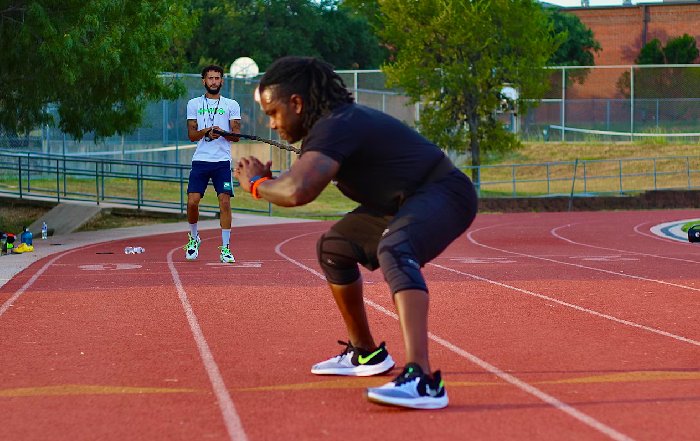
Training Methods Evolving Across Professional Sports Disciplines
The New Performance Era: From Intuition to Integrated Intelligence
Professional sport has entered a decisive new phase in which training is no longer defined solely by the intuition of coaches or the talent of athletes, but by an increasingly integrated ecosystem of data science, sports medicine, behavioral psychology, and immersive technology. Across leagues and disciplines, from the NFL and Premier League to the NBA, Formula 1, UFC, and elite Olympic programs, performance systems are being rebuilt around evidence-based methodologies that seek to optimize every aspect of the athlete lifecycle while still respecting the human element that underpins true competitive excellence.
Within this landscape, Sportsyncr occupies a distinctive vantage point, sitting at the intersection of sports, health, fitness, business, and technology, and examining how innovations in training reshape not only performance on the field but also commercial models, fan expectations, and the global talent market. What is emerging is a more holistic, interconnected and accountable training paradigm in which experience, expertise, authoritativeness, and trustworthiness are not optional branding slogans but operational necessities.
Data-Driven Training: From Raw Metrics to Strategic Insight
The first great transformation in modern training methods came with the rise of wearable technology and performance analytics, but the current evolution is less about collecting more data and more about transforming that data into actionable, trustworthy insight. Elite organizations such as Manchester City, Golden State Warriors, and Bayern Munich no longer gain advantage simply by tracking distance covered or heart rate; the differentiator lies in how they integrate biometric, tactical, psychological, and contextual data into coherent training prescriptions.
Advances in sensor accuracy, cloud computing, and machine learning have allowed performance departments to move beyond basic load monitoring into sophisticated modeling of injury risk, fatigue profiles, and tactical readiness. Platforms inspired by research from institutions like MIT and Stanford University increasingly use predictive analytics to estimate when an athlete is approaching a critical threshold of overtraining, prompting modifications to work-to-rest ratios, travel schedules, and even sleep protocols. Learn more about how elite organizations are applying sports analytics in high-performance environments.
In North America and Europe, the integration of Catapult, Hawk-Eye, and optical tracking systems has become standard in top leagues, but the competitive edge now lies in cross-referencing these metrics with longitudinal medical histories, nutrition logs, and cognitive testing. The best performance programs in the NFL, Premier League, and Bundesliga are increasingly run like research laboratories, with internal validation of metrics, rigorous data governance, and close collaboration between performance scientists and coaching staff. This shift reflects a broader movement in elite sport toward evidence-based decision-making, similar to trends seen in sectors documented by organizations like the World Economic Forum, where data literacy and responsible AI use are now considered core leadership competencies.
For the Sportsyncr audience, this data revolution is not abstract; it is reshaping how clubs hire staff, how athletes negotiate contracts, and how sponsors evaluate performance assets. It also raises new questions about data ownership, privacy, and ethical use, particularly as more athletes and agents demand transparency on how biometric and cognitive data are collected and deployed in selection and contract decisions.
Load Management, Recovery, and the Science of Durability
If the 2010s were defined by the pursuit of peak performance, the mid-2020s are defined by the pursuit of sustainable performance. High-profile injuries in the NBA, NFL, and top European football leagues, coupled with dense competition calendars and expanding international tournaments, have forced organizations to reframe training around durability and career longevity rather than short-term output alone.
Clubs and federations increasingly rely on research from bodies such as the American College of Sports Medicine to calibrate training loads, recovery windows, and return-to-play protocols. In soccer, for example, cumulative match minutes, sprint counts, and high-intensity actions are cross-checked against individualized thresholds to determine whether a player should complete a full training session, participate in modified drills, or focus exclusively on recovery work. In the NBA, load management has become a controversial yet widely adopted strategy, as teams attempt to protect stars while balancing league obligations, fan expectations, and commercial pressures.
Recovery modalities have also evolved from traditional ice baths and massage to a diversified toolkit that includes cryotherapy, contrast water therapy, pneumatic compression, neuromuscular electrical stimulation, and advanced sleep optimization. Organizations such as Team Ineos Grenadiers in cycling and top endurance programs in Norway and Kenya have demonstrated how meticulous control of recovery variables can yield compounding performance advantages over multi-year cycles. Athletes are also increasingly educated in sleep science, with guidance informed by research from institutions like Harvard Medical School's Division of Sleep Medicine, leading to structured bedtime routines, reduced late-night screen exposure, and careful management of travel-induced circadian disruption.
For many professional environments, including those covered across Sportsyncr's health and science verticals, this focus on durability has significant downstream implications. Insurance models, contract structures, and sponsorship deals are being recalibrated to recognize that healthy availability across multiple seasons can be as valuable as single-season dominance. This is particularly true in leagues with salary caps or luxury taxes, where the cost of long-term injury to a marquee player can derail competitive and commercial strategies alike.
Personalization at Scale: Individualized Training in Team Sports
A defining characteristic of training in 2026 is the degree to which personalization has become central, not only in individual sports such as tennis, golf, and athletics, but also in traditionally rigid team environments. Where once entire squads followed nearly identical conditioning plans, today's elite teams in the Premier League, La Liga, Serie A, and the NHL operate with individualized micro-cycles designed around each athlete's physiology, position, injury history, and tactical role.
High-resolution blood markers, genetic testing for injury predisposition, and continuous glucose monitoring are now used in some organizations to refine the balance of strength, speed, and endurance work. While ethical considerations and regulatory frameworks vary by country-particularly across the United States, United Kingdom, Germany, and Australia-the trend toward individualized profiling is unmistakable. Professional clubs are drawing on published research from sources such as the National Institutes of Health to inform how they interpret genetic and metabolic data without overstepping into deterministic or discriminatory practices.
In practice, this personalization manifests in training sessions where players complete the same tactical drills but with different physical demands layered onto them. A veteran central defender might perform shorter, more explosive efforts with extended rest, while a young full-back might be pushed through repeated high-speed runs to simulate match demands. In rugby, American football, and ice hockey, positional units now routinely follow bespoke strength and conditioning plans, with linemen, forwards, or enforcers emphasizing different neuromuscular qualities than skill players or backs.
For Sportsyncr, which serves readers across fitness, culture, and world coverage, this personalization trend also speaks to a broader cultural shift in which athletes assert greater autonomy over their bodies and careers. Top performers in tennis, track and field, and MMA increasingly travel with their own performance teams-private strength coaches, nutritionists, and recovery specialists-who coordinate with but are not controlled by federations or clubs. This has created both collaboration and tension, especially when independent experts challenge legacy methods or demand access to team-held performance data.
Technology, Immersion, and the Rise of Virtual Practice
The integration of immersive technologies into training has accelerated sharply since 2020, with virtual reality (VR), augmented reality (AR), and advanced simulation platforms now embedded in the high-performance ecosystems of leading organizations. What began as experimental quarterback training tools in American football and batting simulators in baseball has evolved into comprehensive virtual practice environments that allow athletes to rehearse decision-making, pattern recognition, and tactical responses without incurring physical load.
Clubs and franchises in the NFL, MLB, NBA, and top European football leagues are working with technology partners and research centers such as Carnegie Mellon University and Imperial College London to refine these tools. Quarterbacks can now experience realistic defensive formations in VR, adjusting reads and audibles in real time; strikers can rehearse finishing scenarios against simulated goalkeepers that adapt based on historical save patterns; and racing drivers in Formula 1 and Formula E rely on hyper-realistic simulators to internalize track nuances and develop race strategies. Learn more about how immersive technologies are reshaping training and simulation in elite performance contexts.
These technologies are not limited to tactical rehearsal. AR overlays are being tested in indoor training facilities to provide immediate biomechanical feedback, such as hip angles during sprinting or shoulder positioning in swimming strokes, reducing the delay between performance and correction. In some environments, AI-powered video analysis tools automatically tag technical errors or tactical misalignments, allowing coaches to focus their attention on higher-order strategy and communication rather than manual breakdown of footage.
For a global readership spanning North America, Europe, and Asia, this evolution in training technology, tracked closely across Sportsyncr's technology and gaming channels, also has cultural resonance. The convergence of esports training methodologies with traditional sports is increasingly evident, as both domains rely on reaction speed, visual processing, and pattern recognition. Professional esports organizations in South Korea, China, and Europe now employ sports psychologists and physical trainers, while traditional clubs integrate gaming-based cognitive drills into their youth academies, blurring the boundaries between digital and physical training ecosystems.
Mental Performance, Culture, and the Human Side of High Performance
The evolution of training methods is not purely technological or physiological; it is equally psychological and cultural. Over the past decade, the stigma surrounding mental health in professional sports has diminished significantly, influenced in part by public disclosures from high-profile athletes such as Naomi Osaka, Simone Biles, and Kevin Love, who have spoken openly about anxiety, pressure, and burnout. Elite organizations now treat psychological resilience, focus, and emotional regulation as trainable skills rather than intangible traits.
Sports psychologists, performance coaches, and behavioral scientists are embedded within many professional teams and Olympic programs, designing interventions that range from mindfulness and breathing exercises to cognitive-behavioral strategies and visualization routines. Resources from organizations such as the American Psychological Association and national sports institutes in Australia, United Kingdom, and Canada have shaped best practices for integrating mental skills training without pathologizing normal competitive stress.
Team culture and social dynamics are recognized as performance variables in their own right. Clubs invest in leadership development, cross-cultural communication training, and values-based workshops to build environments in which players from diverse backgrounds-whether from Brazil, France, Japan, South Africa, or Norway-can collaborate effectively. This is especially relevant in globalized leagues like the English Premier League and NBA, where rosters often include athletes from multiple continents.
From the perspective of Sportsyncr's social and culture coverage, this evolution underscores how training is no longer confined to what happens in the gym or on the pitch. It encompasses how teams handle social media pressure, manage off-field narratives, and support athletes through life events such as parenthood, relocation, and retirement planning. Mental skills training is increasingly linked to off-field education in financial literacy, personal branding, and post-career planning, recognizing that psychological security and life stability can reinforce on-field performance.
Nutrition, Environment, and the Sustainability Imperative
Modern training methods are inseparable from nutrition and environmental context. Elite athletes in 2026 operate within a global ecosystem that is increasingly conscious of both individual health and planetary sustainability. Performance nutrition has moved beyond generic macronutrient ratios toward highly individualized plans that consider microbiome health, metabolic flexibility, and real-time energy demands. Organizations such as the International Olympic Committee and national institutes in Germany, Italy, and Japan have published updated guidelines that reflect the latest research in sports nutrition, hydration strategies, and supplementation.
At the same time, professional clubs and events are under growing pressure to address their environmental footprint. Training facilities in Scandinavia, Germany, and the Netherlands are pioneering low-carbon infrastructure, integrating renewable energy systems, sustainable building materials, and water-efficient pitch technologies. Learn more about sustainable business practices and their application to sport through resources such as the United Nations Environment Programme.
For athletes, environmental considerations intersect with performance in tangible ways. Air quality, heat stress, and travel-related emissions are now factored into training periodization and competition planning, particularly for events in regions facing extreme weather patterns. Heat adaptation protocols, supported by research from organizations like the World Health Organization, are increasingly standard for teams preparing for tournaments in Qatar, Singapore, Thailand, or Brazil, where temperature and humidity can dramatically affect performance and safety.
Within Sportsyncr's environment and business verticals, the convergence of sustainability and performance is a critical storyline. Sponsors and brands are increasingly evaluating whether their partnerships align with credible environmental and social commitments. Training centers that adopt sustainable practices are not only improving their operational efficiency but also strengthening their reputational capital with fans and stakeholders who expect sport to model responsible leadership in the face of global challenges.
Globalization, Cross-Pollination, and the Transfer of Training Knowledge
One of the most significant developments in the evolution of training methods is the rapid cross-pollination of ideas across borders and disciplines. Knowledge that once remained siloed within national institutes or specific sports is now disseminated globally through conferences, digital platforms, and collaborative research projects. High-performance directors from New Zealand Rugby, German Football Association (DFB), USA Track & Field, and Japan's J-League frequently exchange methodologies, leading to hybrid systems that blend the best of different traditions.
For example, the high-volume aerobic base and technical precision of East African distance running have influenced endurance training protocols in triathlon and rowing, while the structured skill acquisition models from Scandinavian youth handball and ice hockey have informed talent development programs in soccer and basketball. Sports science hubs in Australia, United Kingdom, and Canada have become global exporters of expertise, placing performance staff in clubs and federations across Europe, Asia, Africa, and South America.
Digital platforms and open-access research have accelerated this trend. Coaches and performance practitioners can now access journals, webinars, and case studies from organizations such as the British Journal of Sports Medicine and leading universities, allowing rapid adaptation of evidence-based practices. For readers following Sportsyncr's world and news coverage, this globalization of knowledge explains why training facilities in Brazil, South Africa, or Malaysia may now mirror the methods used in Germany or the United States, even when resource levels differ.
This cross-pollination is not without tension. There is an ongoing debate about how much local sporting cultures should adapt to imported methodologies versus preserving unique strengths rooted in tradition, environment, and community. The most successful programs appear to be those that selectively integrate global best practices while retaining a strong sense of identity, whether that is the technical flair associated with Brazilian football, the tactical discipline of German teams, or the endurance culture embedded in Kenyan and Ethiopian distance running.
Commercialization, Jobs, and the Expanding High-Performance Economy
As training systems become more advanced and interdisciplinary, the economic footprint of high-performance sport continues to expand. New professional roles have emerged-performance data scientist, cognitive skills coach, sleep specialist, VR training architect-creating career pathways that did not exist a decade ago. Clubs, federations, and private performance centers now compete for talent not only on the field but also in the backroom, recruiting experts from academia, technology firms, and healthcare systems.
For Sportsyncr's jobs and brands audiences, this represents a structural shift in the sports labor market. Graduate programs in sports analytics, performance science, and sports technology have proliferated in universities across the United States, United Kingdom, Netherlands, and Singapore, often developed in partnership with professional organizations. Learn more about how education providers are aligning with industry needs through resources such as Times Higher Education.
Commercialization is also evident in the proliferation of performance-focused consumer products and services. Concepts first tested in elite environments-such as GPS tracking vests, recovery boots, and sleep-tracking devices-are now marketed to amateur athletes and health-conscious consumers worldwide. This democratization of high-performance tools raises both opportunities and risks: while it can promote healthier lifestyles and more informed training decisions, it also increases the likelihood of misinformation, overreliance on unvalidated devices, and unrealistic expectations among non-elite users.
Sponsors and rights holders are increasingly interested in how training narratives can be integrated into content and fan engagement strategies. Behind-the-scenes access to training facilities, performance staff, and athlete routines has become a key storytelling asset on streaming platforms and social media. For Sportsyncr, which operates across sponsorship and social coverage, this trend underscores the importance of presenting training content that is both compelling and responsible, avoiding the glamorization of extreme practices while highlighting credible, science-backed approaches.
Trust, Governance, and the Future of Training Innovation
As training methods become more technologically complex and commercially valuable, issues of trust, governance, and ethical oversight move to the forefront. Athletes, fans, and regulators are asking critical questions about who controls performance data, how AI-driven recommendations are validated, and where the line lies between legitimate enhancement and unfair advantage. Organizations such as the World Anti-Doping Agency and national governing bodies must now consider not only traditional doping but also the potential misuse of emerging technologies, from gene-editing to neurostimulation.
For training innovations to be accepted, they must demonstrate not only efficacy but also fairness, safety, and respect for athlete autonomy. Transparent communication, independent validation, and robust consent processes are essential. Clubs that position themselves as leaders in athlete welfare-backed by clear policies and credible medical oversight-are likely to be more attractive destinations for top talent and more trusted by supporters.
From its cross-disciplinary perspective, Sportsyncr is well placed to chronicle and scrutinize this next phase of evolution, connecting developments across sports, science, business, and technology. As training methods continue to evolve across professional disciplines and continents, the central challenge will be to harness innovation in a way that enhances human performance without eroding the integrity, unpredictability, and shared values that make sport a global cultural force.
Ultimately, the future of training will be judged not only by records broken or titles won, but by the quality, sustainability, and humanity of the systems that support athletes throughout their careers. In that sense, the evolution of training methods is not just a technical story; it is a story about how the global sports community chooses to define excellence in an era of unprecedented possibility.