

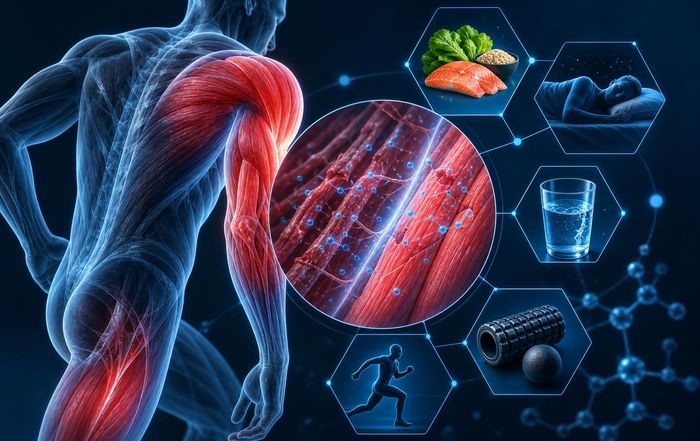
The Science Behind Faster Muscle Recovery
Redefining Recovery in a High-Performance World
Faster muscle recovery has become a strategic priority rather than a niche concern, shaping decisions from how elite athletes train to how everyday professionals structure their work, sleep, and nutrition. As training loads increase across competitive sport, recreational fitness, and physically demanding jobs, the ability to recover efficiently now underpins performance, career longevity, and long-term health. On sportsyncr.com, where sport, fitness, health, brands, culture, and business intersect, muscle recovery is no longer viewed as a passive waiting period but as an active, science-driven process that can be designed, measured, and optimized.
Advances in exercise physiology, molecular biology, and sports technology have made it possible to understand recovery at multiple levels, from microscopic damage to muscle fibers through to systemic inflammation, nervous system fatigue, and psychological readiness. Organizations such as The American College of Sports Medicine and The National Institutes of Health have helped shape evidence-based guidelines, while high-performance environments in the NBA, Premier League, and UFC continue to experiment with data-driven recovery protocols that are quickly filtering down to gyms, studios, and home training setups worldwide. As recovery science evolves, it is also being integrated into broader conversations about healthspan, sustainable performance, and workplace productivity, aligning closely with the day to day editorial focus of sportsyncr.com on sport, fitness, health, and business.
What Actually Happens to Muscles During Training
Understanding how to accelerate recovery begins with clarity on what training does to muscle tissue. When an individual performs resistance training, high-intensity interval work, or unfamiliar movement patterns, muscle fibers experience mechanical tension, metabolic stress, and, in many cases, small-scale structural damage. This microtrauma, often associated with delayed onset muscle soreness, triggers a cascade of responses involving satellite cells, inflammatory mediators, and hormonal signals that together drive adaptation.
Research summarized by Harvard Medical School indicates that during intense exercise, muscle fibers incur microscopic tears, local inflammation increases, and calcium handling within cells is temporarily disrupted, which can impair contraction efficiency in the short term. At the same time, mechanosensitive pathways such as mTOR are activated, initiating protein synthesis and structural remodeling that, over days and weeks, result in stronger and more resilient tissue. Those who want to explore the cellular mechanisms in greater detail can review the educational resources provided by Harvard Health.
From a systems perspective, the neuromuscular system experiences central fatigue as the brain and spinal cord reduce drive to working muscles, while the cardiovascular and endocrine systems respond with elevated heart rate, stress hormones, and changes in blood flow distribution. This integrated stress response is beneficial when managed appropriately, but without adequate recovery it can accumulate and lead to overtraining, reduced performance, and increased injury risk. On sportsyncr.com, where the connection between sports, science, and health is central, this multi-system view is essential for evaluating which recovery strategies genuinely support adaptation rather than simply masking fatigue.
The Physiology of Recovery: From Inflammation to Remodeling
Muscle recovery is not a single event but a sequence of overlapping phases that unfold over hours and days following training. Immediately after exercise, blood flow to muscles remains elevated, helping to clear metabolic byproducts such as lactate and hydrogen ions. Contrary to older myths, lactate itself is not a waste product to be "flushed out" but a valuable fuel that can be reused by the heart and other muscles, as explained in resources from the Mayo Clinic and other clinical institutions. Those seeking a medical overview of exercise-related physiology can consult Mayo Clinic's fitness guidance.
Within the first 24 hours, inflammatory cells such as neutrophils and macrophages migrate to damaged muscle fibers. While inflammation is often portrayed negatively, controlled, time-limited inflammation is a necessary part of the healing process, clearing debris and releasing growth factors that attract satellite cells. These satellite cells, sometimes described as muscle stem cells, proliferate and fuse with existing fibers, donating nuclei and supporting the increased protein synthesis needed for hypertrophy and repair. Over the subsequent 24 to 72 hours, protein synthesis typically rises above baseline, provided that adequate amino acids and energy are available, and structural remodeling of the muscle architecture progresses.
Systemic aspects of recovery also unfold during this window. Hormonal balance gradually normalizes, with cortisol declining and anabolic hormones such as testosterone and growth hormone rebalancing, particularly during deep sleep. The autonomic nervous system shifts back toward parasympathetic dominance, which can be tracked through heart rate variability, a metric widely used in elite sport and increasingly accessible through consumer wearables. The Cleveland Clinic offers accessible explanations of inflammation, tissue healing, and autonomic balance, which are useful for understanding why recovery is a whole-body process rather than a purely local muscle issue; interested readers can learn more about inflammation and healing.
Sleep: The Foundation of Faster Recovery
Among all recovery strategies, sleep remains the most powerful, cost-effective, and underutilized tool. Deep non-REM sleep is strongly associated with pulses of growth hormone, reductions in sympathetic nervous system activity, and consolidation of motor learning, all of which directly affect how well muscles recover and how efficiently new movement skills are retained. Inadequate or fragmented sleep has been repeatedly linked to slower muscle repair, reduced glycogen resynthesis, impaired decision-making, and increased injury risk across multiple sports and age groups.
Guidelines from The Sleep Foundation and World Health Organization emphasize that most adults require seven to nine hours of quality sleep, with athletes and heavy exercisers often benefiting from the upper end of that range or beyond. Those interested in the broader health implications of sleep can explore resources from The Sleep Foundation and the World Health Organization's healthy living recommendations. In practice, this means that training programs, especially at the professional and collegiate levels in the United States, United Kingdom, Germany, and other leading sports markets, are increasingly being built around sleep windows, travel schedules, and circadian considerations rather than forcing recovery to fit around fixed training times.
For readers of sportsyncr.com, where sport intersects with culture and social trends, the normalization of sleep as a performance tool is reshaping athlete branding and fan perception. High-profile figures such as LeBron James and Roger Federer have openly discussed their sleep routines, helping to shift cultural narratives away from "no days off" and toward sustainable excellence. In 2026, organizations that neglect sleep hygiene, especially in travel-heavy leagues across North America, Europe, and Asia, increasingly find themselves at a competitive disadvantage both on the field and in the talent market.
Nutrition and Hydration: Fueling the Repair Process
Muscle recovery is fundamentally constrained by the availability of raw materials and energy. Protein intake provides amino acids for muscle protein synthesis, while carbohydrates replenish glycogen stores that power subsequent training sessions. Fats, particularly omega-3 fatty acids, can modulate inflammation and cell membrane integrity. Guidelines from The International Olympic Committee and Academy of Nutrition and Dietetics suggest that active individuals generally benefit from daily protein intakes of roughly 1.4 to 2.0 grams per kilogram of body weight, with higher ranges often recommended for strength and power athletes. Those seeking practical guidance on sports nutrition can refer to resources from The Academy of Nutrition and Dietetics.
Timing and distribution also matter. Consuming 20 to 40 grams of high-quality protein within a few hours after training, alongside carbohydrates, appears to support optimal recovery, but the total daily intake and consistent distribution across meals are often more important than any single "anabolic window." Hydration status influences blood flow, nutrient delivery, thermoregulation, and joint health, making it another non-negotiable component of faster recovery. The Centers for Disease Control and Prevention provides general hydration guidelines, which can be adapted to individual sweat rates, climates, and training volumes; interested readers can review hydration and physical activity advice.
In the global sports and wellness marketplace, nutrition has become a major business vertical, with brands in the United States, Europe, Asia, and Australia competing to provide evidence-based supplements while distancing themselves from exaggerated claims. For sportsyncr.com, which covers brands and business as closely as it tracks performance, the challenge is to differentiate between products grounded in robust science and those built primarily on marketing narratives. Whey, casein, and plant-based protein powders, creatine monohydrate, and certain recovery-focused carbohydrate blends are supported by extensive research, while many exotic compounds still lack long-term, high-quality human data.
Active Recovery, Mobility, and Blood Flow
The traditional model of recovery often implied doing as little as possible, yet contemporary evidence supports a more nuanced view. Low-intensity activities such as walking, easy cycling, gentle mobility work, and light swimming can enhance blood flow, promote nutrient delivery, and support lymphatic drainage without imposing significant additional stress. This concept of active recovery is now standard in elite environments, from Bundesliga football clubs in Germany to professional rugby in France and the United Kingdom.
The National Health Service in the UK highlights that regular movement and mobility work can help maintain joint range of motion, reduce stiffness, and support overall musculoskeletal health, which in turn facilitates better recovery trajectories after intense sessions. Those interested in general movement and rehabilitation advice can explore NHS physical activity resources. In practice, this might mean that a high-intensity lower body workout on Monday is followed by a low-intensity cycling session and mobility work on Tuesday, rather than complete rest, especially for trained individuals.
Within the sportsyncr.com audience, which spans competitive athletes, fitness enthusiasts, and professionals balancing demanding careers with training, active recovery offers a pragmatic way to remain engaged without compromising adaptation. It also connects with broader lifestyle trends in urban centers from New York and London to Singapore and Sydney, where walking meetings, standing desks, and micro-break mobility routines are being adopted not only for health but also for cognitive performance and workplace culture.
Cold, Heat, Compression, and Other Modalities
Recovery technologies and modalities have expanded rapidly over the past decade, with cold-water immersion, contrast baths, saunas, compression garments, pneumatic compression devices, and percussive therapy becoming commonplace in professional and even amateur settings. The scientific support for these methods varies, and the optimal use often depends on the specific goal, whether it is accelerating short-term readiness or maximizing long-term adaptation.
Cold-water immersion, for example, has been shown in multiple studies to reduce perceived soreness and restore short-term performance, particularly in team sports with congested schedules. However, some evidence indicates that very frequent, aggressive use of cold immediately after strength training may slightly blunt hypertrophy and strength gains by dampening the inflammatory signals that drive adaptation. Organizations such as The British Journal of Sports Medicine and PubMed host a growing body of research on these trade-offs, and professionals can explore current evidence in sports medicine to refine their protocols.
Heat-based methods, including traditional saunas and infrared saunas, have gained attention for their potential cardiovascular and recovery benefits, including improved blood flow, relaxation, and possible positive effects on mitochondrial function. Compression garments and devices appear to offer modest benefits in reducing swelling and improving subjective recovery, particularly when used alongside movement and hydration. For readers of sportsyncr.com, where technology and news coverage intersect with performance, the key message is that these tools are best viewed as complementary rather than foundational. Sleep, nutrition, load management, and active recovery remain the core pillars, while modalities can provide incremental benefits when used intelligently and contextually.
Load Management, Periodization, and Data-Driven Decisions
Faster muscle recovery is not solely about what happens after a session; it is also about how training is structured in the first place. Periodization, the systematic planning of training variables such as volume, intensity, and frequency, remains central to managing fatigue and promoting adaptation. By cycling stress and recovery across microcycles (days to weeks) and mesocycles (weeks to months), coaches and athletes can align peak performance with key competitions while reducing the risk of overuse injuries and burnout.
In 2026, data from GPS tracking, heart rate monitors, inertial sensors, and force plates allows organizations from Major League Soccer in the United States to top-flight clubs in Spain, Italy, and the Netherlands to quantify external load (distance, speed, acceleration) and internal load (heart rate, perceived exertion) with unprecedented precision. Platforms informed by research from institutions such as Stanford University and Loughborough University support individualized training prescriptions that account for an athlete's recovery capacity, injury history, and competitive schedule. Professionals and enthusiasts interested in the science of training load can learn more about periodization and sports science through academic and open-access resources.
For the sportsyncr.com audience, which spans world regions and includes both performance-focused readers and business leaders, load management is also a workforce issue. Physically demanding roles in logistics, construction, healthcare, and the military are beginning to borrow concepts from sport to reduce musculoskeletal injuries and absenteeism. As organizations across North America, Europe, and Asia adopt wearables and analytics to monitor worker fatigue, the line between sports science and occupational health continues to blur, opening new markets for recovery-focused products and services.
Mental Recovery, Stress, and the Brain-Muscle Connection
Muscle recovery is often framed in purely physical terms, yet psychological stress, cognitive load, and emotional strain can significantly influence how the body repairs and adapts. Elevated chronic stress levels, whether from competition pressure, workplace demands, or social factors, are associated with increased cortisol, disrupted sleep, and impaired immune function, all of which can slow recovery. The American Psychological Association has documented the ways in which stress affects physical health, including muscle tension, pain perception, and fatigue; readers can explore the links between stress and health.
In elite sport environments from the NFL to Olympic programs in Japan, Norway, and Australia, mental skills training, mindfulness, and structured recovery rituals are now integrated into performance plans. Techniques such as guided breathing, meditation, and cognitive offloading are used alongside physical modalities to accelerate a return to baseline. For many readers of sportsyncr.com, especially those balancing intense training with demanding careers, mental recovery practices can be as important as foam rolling or protein shakes, enabling more consistent training quality and better decision-making in both sport and business contexts.
Culturally, the normalization of mental health conversations in sport has encouraged more open discussions about burnout, overtraining, and the pressures of constant connectivity. This shift resonates strongly with the platform's focus on culture and social dynamics, highlighting that sustainable high performance requires psychological as well as physiological resilience.
The Business of Recovery: Brands, Technology, and New Markets
The global recovery market has expanded into a multi-billion-dollar ecosystem encompassing nutritional products, wearables, connected recovery devices, specialized studios, and digital coaching platforms. Companies such as Whoop, Oura, and Garmin offer recovery scores based on heart rate variability, sleep staging, and activity data, while brands like Hyperice and Therabody have popularized percussive devices and pneumatic compression among both professionals and consumers. Market analyses from organizations like McKinsey & Company and Deloitte suggest that recovery and regeneration are among the fastest-growing segments in the broader sports and wellness industry, particularly in the United States, Europe, and rapidly developing markets in Asia; those interested in the economic perspective can learn more about the global wellness economy.
For sportsyncr.com, which covers brands, sponsorship, and technology, this growth raises important questions about authenticity, evidence, and long-term trust. Athletes and influencers from the United States, United Kingdom, Germany, Brazil, and beyond are increasingly selective about partnerships, aware that their credibility depends on aligning with products that withstand scientific scrutiny. Investors and corporate leaders, in turn, recognize that the most valuable recovery brands will be those that demonstrate measurable impact on performance, injury reduction, and health outcomes across diverse populations.
The rise of recovery-focused studios and concepts-offering cryotherapy, infrared saunas, compression lounges, and guided breathwork-illustrates how recovery is becoming a lifestyle category in its own right, bridging fitness, spa, and medical models. This evolution aligns with the broader mission of sportsyncr.com to connect sports, health, and business in a way that reflects real-world behavior rather than siloed thinking.
Global and Environmental Perspectives on Recovery
While recovery science advances rapidly in high-income regions, access to evidence-based strategies remains uneven worldwide. Athletes and workers in parts of Africa, South America, and Southeast Asia may face constraints related to healthcare infrastructure, training environments, and economic resources. Organizations such as The International Olympic Committee, FIFA, and World Rugby have begun to invest more systematically in global coach education and sports medicine support, but significant disparities persist. Initiatives that promote low-cost, high-impact recovery tools-such as sleep education, basic nutrition, and structured load management-may have the greatest return in these contexts.
Environmental considerations are also shaping the future of recovery. Cold-water immersion facilities, single-use packaging for supplements, and energy-intensive recovery centers all carry environmental footprints that conflict with broader sustainability goals. Institutions such as the United Nations Environment Programme are increasingly highlighting the need for responsible resource use and carbon reduction across industries, including sport and wellness. Those interested in the intersection of sustainability and health can learn more about sustainable business practices. For sportsyncr.com, which maintains a dedicated focus on the environment, this raises important editorial questions about how to spotlight brands and practices that support both human performance and planetary health.
Running Ahead: Personalized, Integrated Recovery?
The science behind faster muscle recovery has moved decisively toward personalization and integration. Genetic profiling, while still in its early stages, is beginning to inform hypotheses about individual responses to training and recovery modalities, though robust, actionable applications remain limited. More immediate gains are coming from the integration of multi-source data-training load, sleep, nutrition, psychological measures-into unified dashboards that coaches, clinicians, and individuals can interpret collaboratively.
For the sport news media audience of sportsyncr, crossing elite competitors, recreational athletes, executives, and health-conscious consumers from North America, Europe, Asia, Africa, and beyond, the implications are clear. Faster recovery is not about chasing every new device or supplement but about aligning behavior with the core principles established by decades of research: intelligent load management, sufficient and high-quality sleep, evidence-based nutrition and hydration, regular movement and mobility work, and attention to mental as well as physical stress.
As brands, teams, and individuals continue to experiment, the role of trusted, independent platforms becomes increasingly important. By focusing on experience, expertise, authoritativeness, and trustworthiness, and by drawing on world-class resources such as Harvard Health, Mayo Clinic, Cleveland Clinic, The Sleep Foundation, WHO, CDC, EatRight, NHS, APA, BJSportsMed, Stanford, and UNEP, sportsyncr.com is positioned to help readers navigate the complex, rapidly evolving landscape of muscle recovery with clarity and confidence.
In this new era, recovery is no longer the quiet afterthought to training; it is the central, strategic driver of performance, health, and sustainable success, from the world's biggest stages to the daily routines of people who simply want to move, feel, and live better.