

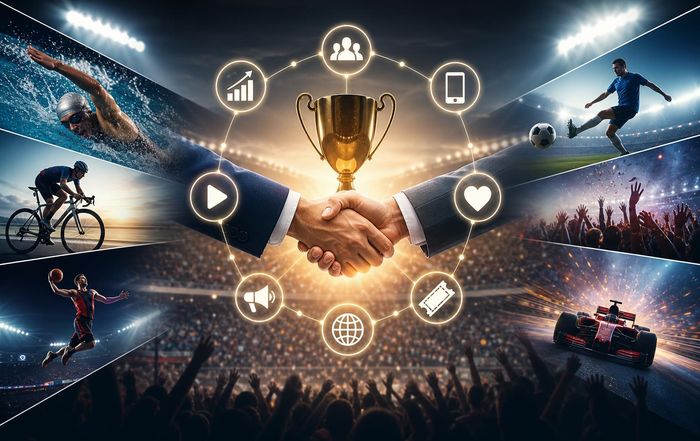
Sports Sponsorship Strategies Beyond Logo Placement in 2026
The Strategic Shift in Sports Sponsorship
By 2026, sports sponsorship has moved decisively beyond the era when a logo on a jersey or a banner in a stadium could justify multi-million-dollar deals, and rights holders and brands are now operating in an environment where audiences are fragmented across platforms, fans demand authenticity, and sponsors are held accountable for measurable business outcomes rather than vague notions of "exposure." In this transformed landscape, sportsyncr.com positions itself as a guide for decision-makers who need to understand how sponsorships can be designed, activated, and measured as sophisticated business instruments rather than as line items in a marketing budget.
This shift is driven by several converging forces that affect stakeholders from the United States to Europe, Asia, and beyond: the rise of data-rich digital platforms, the growth of direct-to-consumer business models, the increasing scrutiny of brand values, and the globalisation of fan communities that now coalesce as much on social platforms and streaming services as they do in physical arenas. For sponsors, the challenge is no longer simply to "be seen," but to create layered, multi-channel experiences that deepen fan engagement, drive measurable sales, and build long-term brand equity. For rights holders, from major leagues to emerging properties, the mandate is to design integrated partnership ecosystems that can support these more complex objectives and to demonstrate value with a level of transparency that was rare just a decade ago.
Readers who follow the evolving intersection of sports and business on sportsyncr.com increasingly evaluate sponsorship strategies not only through the lens of marketing visibility, but also through their impact on fitness participation, health outcomes, cultural relevance, and social impact, reflecting a broader understanding that sport is a powerful platform for shaping behaviour and attitudes globally.
From Visibility to Value: Redefining Sponsorship Objectives
The core evolution in sponsorship strategy lies in the move from visibility-based metrics to value-based outcomes, and this transition has been accelerated by advances in digital measurement and the expectations of modern CMOs who must justify every euro, dollar, or yen spent. Where once the primary KPI might have been gross impressions or media equivalency, leading brands now focus on metrics such as incremental sales lift, app downloads, first-party data acquisition, brand preference shifts, and long-term customer lifetime value.
Organizations like UEFA, NBA, Premier League, and Formula 1 have been forced to reframe their sponsorship offerings as modular platforms that can be tailored to different business goals, whether that is entering a new geographic market, launching a new product line, or repositioning a brand around health, sustainability, or technology. Industry observers can track broader market trends through resources such as Deloitte's sports business reports or PwC's global sports survey, which consistently highlight a growing emphasis on data-driven, outcome-focused partnerships.
For readers of sportsyncr.com, this redefinition of value is particularly relevant because it intersects with multiple verticals, from sports performance and fitness to health innovation, as brands increasingly use sponsorships to activate around wellness campaigns, digital training platforms, and connected devices that blur the line between sports marketing and everyday lifestyle engagement.
Experience-Centric Sponsorship: From Fans to Participants
One of the most significant developments in sponsorship strategy is the shift from passive fan exposure to active participation, as brands recognize that the most powerful associations are created when consumers can experience a partnership in ways that feel personal, immersive, and shareable. This is especially evident in markets such as the United States, United Kingdom, Germany, and Japan, where digitally savvy audiences expect on-site activations to seamlessly connect with mobile experiences, social content, and loyalty ecosystems.
Leading properties have embraced this approach by transforming traditional sponsorship inventory into integrated fan journeys. At global events like the Olympic Games, FIFA World Cup, and Tour de France, sponsors now design multi-layered experiences that might include interactive fan zones, wearable technology integrations, real-time performance data displays, and personalized content delivered through event apps or messaging platforms. Industry best practices can be explored through platforms such as World Athletics' innovation initiatives or the International Olympic Committee's focus on digital fan engagement, which can be followed via olympics.com.
For sportsyncr.com, which covers sports culture and fan behaviour, this experiential turn underscores a critical insight: in 2026, the most effective sponsorships treat fans not as audiences to be advertised to, but as co-creators who help shape and amplify the brand narrative through their own stories, content, and communities, whether they are attending a match in London, running a virtual race in Singapore, or participating in a connected fitness challenge in São Paulo.
Data, Technology, and the New Sponsorship Toolkit
The integration of advanced technology into sponsorship strategy has transformed both the design and the measurement of partnerships, enabling brands and rights holders to move from intuition-driven decisions to evidence-based planning. Technologies such as computer vision, AI-powered analytics, and real-time audience tracking now allow stakeholders to understand exactly how, when, and where fans interact with branded content across broadcast, digital, and physical environments.
Companies like Nielsen Sports, YouGov Sport, and SportRadar have developed sophisticated solutions that allow sponsors to quantify the value of every logo exposure, but more importantly, to move beyond that metric by linking sponsorship touchpoints with consumer behaviour data, CRM records, and e-commerce performance. Those interested in the broader role of data in global business can explore analytics trends that show how similar methodologies are being applied in other industries.
Streaming platforms and digital-first broadcasters, including Amazon, DAZN, and ESPN+, have further accelerated this shift by offering addressable advertising, interactive overlays, and shoppable video formats that allow sponsors to connect broadcast moments to immediate actions. For readers following technology's impact on sport on sportsyncr.com, it is clear that in 2026, technology is no longer an add-on to sponsorship; it is the infrastructure that makes advanced, multi-objective partnerships possible, from dynamic creative optimization in connected TV environments to real-time performance-based bonuses built into sponsorship contracts.
Health, Fitness, and Purpose-Driven Partnerships
The intersection of sports, health, and fitness has become a central axis of sponsorship strategy, particularly as consumers worldwide place greater emphasis on physical and mental wellbeing, and as governments and public health agencies encourage active lifestyles to combat issues such as obesity, cardiovascular disease, and stress-related conditions. Brands in categories such as wearables, nutrition, healthcare, and wellness services now see sports sponsorship as a direct route to embedding themselves in the daily routines of consumers, rather than merely associating with elite competition.
Organizations such as WHO and CDC have consistently highlighted the importance of physical activity for long-term health, and brands that align their sponsorships with these public priorities can build credibility while also driving product adoption. Those interested in the evidence base can learn more about physical activity guidelines or explore global health data that underscores the scale of the opportunity.
On sportsyncr.com, coverage of health and fitness trends often highlights how sponsors now build ecosystems that connect professional sports properties with grassroots participation programs, digital training platforms, and workplace wellness initiatives, enabling them to demonstrate not only brand visibility but also measurable contributions to community health outcomes, whether in Canada, Australia, South Africa, or Malaysia.
Cultural Relevance and Social Impact as Strategic Imperatives
In 2026, cultural relevance and social impact are no longer optional features of sponsorship strategies; they are central determinants of whether a partnership will be embraced or rejected by increasingly values-driven consumers. Fans in markets from France and Italy to Brazil and South Korea expect the brands they see in stadiums or on jerseys to take clear positions on issues such as inclusion, gender equality, anti-racism, and LGBTQ+ rights, and they are quick to call out perceived hypocrisy or performative activism.
Major organizations, including FIFA, IOC, and World Rugby, have been compelled to address human rights, diversity, and governance issues more transparently, and sponsors have had to evaluate not only the commercial potential of a property but also the reputational risks associated with its governance and policies. Resources such as Amnesty International's human rights reports or UN Global Compact principles provide context for brands that wish to align their sponsorship strategies with robust ethical frameworks.
For sportsyncr.com, which covers social impact and culture in sport, the most compelling case studies are those where sponsors go beyond messaging to invest in long-term programs that support underrepresented communities, equal access to facilities, and pathways into coaching, officiating, and sports management across Africa, Asia, and South America, thereby turning sponsorships into engines of tangible social progress rather than mere communication platforms.
Brand Architecture, Storytelling, and Multi-Property Portfolios
As global brands expand their sponsorship portfolios across different sports, geographies, and audience segments, the ability to create coherent narratives that link disparate properties has become a critical capability. Rather than treating each sponsorship as a standalone asset, leading companies now design brand architectures in which each partnership plays a specific role in a broader story, whether that is about innovation, performance, sustainability, or community.
For example, a technology brand might combine a global football partnership in Europe, an esports league in Asia, and a grassroots running program in North America into a unified narrative about enabling human potential through connected experiences. Similarly, a financial services company might align sponsorships of major tournaments, women's leagues, and youth academies to reinforce a message of empowerment and long-term planning. Those seeking to refine their brand storytelling capabilities can explore strategic branding insights that illuminate how such architectures are built and maintained.
On sportsyncr.com, readers interested in brands and sponsorship increasingly look for analysis that connects these portfolio-level strategies with on-the-ground activations, examining how sponsors adapt their narratives to different cultural contexts in markets such as Spain, Netherlands, China, Singapore, and New Zealand, while maintaining a consistent global identity that reinforces trust and recognition.
The Rise of Women's Sports and Niche Properties
One of the most important structural shifts in the sponsorship marketplace between 2020 and 2026 has been the rapid growth of women's sports and the increasing commercial viability of niche and emerging properties, including mixed martial arts, adaptive sports, and regional leagues that leverage strong local identities. Women's football in particular, from the NWSL in the United States to the Women's Super League in the United Kingdom and top divisions in Germany, France, and Spain, has attracted sponsors seeking high-growth audiences and a more progressive brand environment.
Reports from organizations such as UEFA on women's football development and analyses published by The Sports Business Journal have documented rising media rights values, attendance figures, and social engagement metrics, making it clear that early movers in this space can secure significant value at comparatively accessible entry costs. Niche properties, including adventure racing, urban sports, and regional competitions in Nordic countries, Southeast Asia, and Latin America, similarly offer targeted audiences and differentiated storytelling opportunities.
For sportsyncr.com, which covers global sports trends, these developments highlight the strategic importance of diversification in sponsorship portfolios, as brands look beyond the most expensive global properties to identify platforms where they can play a more central role, co-create formats, and shape the long-term trajectory of the sport itself, thereby increasing both influence and return on investment.
Esports, Gaming, and Hybrid Fan Ecosystems
By 2026, the convergence of traditional sports and gaming has become a mainstream reality, with major clubs, leagues, and federations investing in esports teams, virtual competitions, and gamified fan engagement platforms. Sponsors that once viewed gaming as a separate category now recognize that many fans in key markets such as China, South Korea, Japan, Thailand, Norway, and Finland move fluidly between watching live matches, following streamers, and participating in virtual tournaments, often within the same week or even the same day.
Organizations like Riot Games, Activision Blizzard, and Valve have professionalized esports ecosystems, while traditional entities such as FIFA and NBA have built digital leagues that extend their brands into interactive spaces. Those seeking deeper context on the global gaming economy can explore industry overviews that detail audience demographics, monetization models, and regional variations.
For sportsyncr.com, which tracks gaming and sports convergence, the most innovative sponsorship strategies are those that integrate physical and digital touchpoints, for example by linking live match sponsorships with in-game rewards, virtual merchandise, or fantasy sports competitions, thereby creating hybrid ecosystems in which fans accumulate value and recognition across multiple platforms while sponsors benefit from richer data and more frequent interactions.
Measurement, Accountability, and the Economics of Trust
The maturation of sponsorship as a sophisticated marketing and business tool has elevated the importance of measurement and accountability, as brands demand proof that their investments are generating not only awareness but also concrete business outcomes and as rights holders seek to justify pricing in an increasingly competitive market. This has led to the development of more advanced attribution models, control group testing, and econometric analyses that attempt to isolate the incremental impact of sponsorship within complex media and sales environments.
Research from organizations such as ESPN Sports Poll / SRI and consulting firms like McKinsey & Company has demonstrated that well-executed sponsorships can drive significant lifts in consideration and purchase intent, particularly when integrated with broader marketing campaigns and product experiences, but also that poorly activated partnerships can underperform alternative investments. Those interested in the broader discipline of marketing ROI can learn more about advanced attribution approaches that are increasingly being adapted to sponsorship evaluation.
For sportsyncr.com, which covers news and strategic developments across the sports business, this emphasis on measurement reinforces a central theme: trust in sponsorship relationships is built not only on shared values and compelling storytelling, but also on transparent data, clear KPIs, and a willingness by both sponsors and rights holders to adjust strategies based on evidence rather than habit or tradition.
Sustainability, Environment, and Long-Term Partnership Value
Sustainability has moved from the periphery to the centre of sponsorship strategy, as fans, regulators, and investors demand that sports organizations and their partners address environmental impacts ranging from stadium energy use and travel emissions to waste management and supply chain practices. Major events in Europe, North America, and Asia now face intense scrutiny over their carbon footprints, and sponsors are increasingly expected to contribute solutions rather than simply attach their logos to high-profile competitions.
Frameworks such as the UN Sports for Climate Action initiative and guidelines from organizations like Green Sports Alliance provide reference points for best practice, while brands in sectors such as energy, mobility, and consumer goods use sponsorships to showcase low-carbon technologies, circular economy models, and community-based environmental programs. Those who wish to deepen their understanding of sustainable business models can learn more about sustainable business practices through global economic forums and think tanks.
On sportsyncr.com, coverage of the environmental dimension of sport emphasizes that sustainability-focused sponsorships can create long-term partnership value by aligning with investor expectations around ESG performance, reducing operational risks, and strengthening fan loyalty, particularly among younger demographics in markets such as Netherlands, Denmark, Sweden, and New Zealand, where environmental consciousness is especially pronounced.
Talent, Jobs, and the Professionalization of Sponsorship Roles
The complexity of modern sponsorship strategies has driven a parallel evolution in the talent and organizational structures required to design, manage, and evaluate partnerships. Where sponsorship roles were once often subordinate to general marketing functions, leading organizations now maintain specialized teams responsible for partnership strategy, data analytics, experiential design, and stakeholder management, often working closely with external agencies and technology providers.
Universities and professional bodies in United States, United Kingdom, Germany, and Australia have expanded their sports management and marketing programs to include modules on sponsorship analytics, digital activation, and global event management, while online platforms offer specialized training on topics ranging from contract negotiation to cause marketing. Those exploring career paths in this field can review global sports job trends and observe how job descriptions have shifted toward data literacy, cross-cultural competence, and stakeholder engagement.
For sportsyncr.com, which maintains an interest in careers and opportunities in sport, this professionalization underscores the importance of building teams that combine creative storytelling, analytical rigour, and ethical sensitivity, ensuring that sponsorship strategies are not only commercially effective but also aligned with broader societal expectations and the long-term health of the sports ecosystem.
The Role of Sportsyncr.com in a Converging Sponsorship Landscape
As sponsorship strategies in 2026 extend far beyond logo placement into realms of technology, health, culture, sustainability, and social impact, sportsyncr.com occupies a distinctive position as a platform that connects these dimensions for a global audience of business leaders, marketers, rights holders, athletes, and fans. By offering integrated coverage across sports, business, culture, social impact, and technology, the platform reflects the reality that modern sponsorship decisions can no longer be made in isolation from broader trends in health, environment, and digital transformation.
In markets as diverse as United States, United Kingdom, Germany, Canada, China, Singapore, South Africa, and Brazil, stakeholders turn to sportsyncr.com to understand not only which sponsorship deals are being signed, but also how those partnerships are reshaping fan experiences, influencing fitness and health behaviours, redefining brand narratives, and contributing to or detracting from societal goals. In doing so, the platform reinforces a central lesson of the current era: the most valuable sponsorships are those that treat sport not as a billboard, but as a dynamic, global stage on which brands, organizations, and communities can co-create enduring value, grounded in experience, expertise, authoritativeness, and trust.