

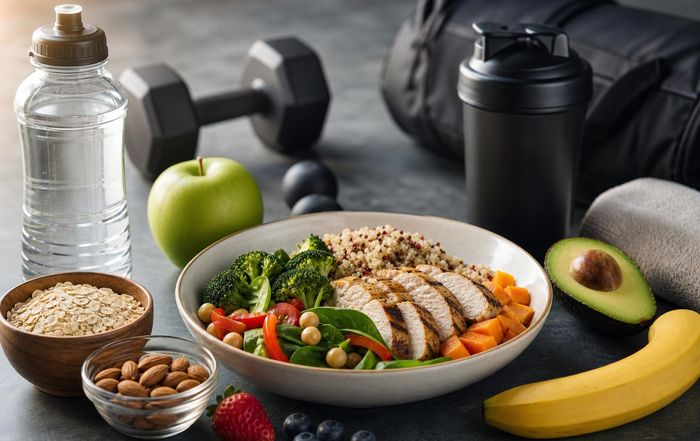
Sports Nutrition Basics for Recreational Competitors
Recreational competitors sit in a unique space: serious enough to care about performance, but with lives, jobs, families, and budgets that don't revolve around sport. Getting nutrition broadly right can make training feel easier, reduce injury risk, and sharpen race-day execution-without needing a professional chef or a suitcase of supplements. This guide focuses on practical, evidence-based basics that runners, weekend footballers, cyclists, pick-up basketball players, and gym competitors can apply straight away.
How much energy do you really need?
For most recreational athletes, the first nutrition question is not "Which supplement?" but "Am I eating enough overall?" Energy availability-how much energy is left for your body's systems after exercise-is crucial for performance, recovery, and long-term health.
Sports bodies such as the International Olympic Committee and World Athletics emphasize that chronically under-fueling can lead to low energy availability, which is linked to impaired performance, reduced bone density, hormonal disruption, and more. The concept of Relative Energy Deficiency in Sport (REDs), described by the IOC and organizations like UK Sport, applies to recreational athletes as well as elites.
A simple way to think about energy needs:
On rest or light days, most active adults need somewhere around 25-35 kcal per kilogram of body weight per day, depending on age, sex, and body composition.
On heavy training or competition days, this often rises substantially, sometimes 40-50 kcal/kg or more for high-volume endurance or multiple sessions.
These are broad ranges, not prescriptions. A better real-world gauge is to track trends in body weight, training performance, mood, and hunger over several weeks. If your performance is flat or declining, you're constantly fatigued, and your mood is low despite consistent training and sleep, under-fueling is a prime suspect. Recreational competitors who combine frequent training with dieting or aggressive weight-loss goals are at particular risk.
For those who like structure, organizations such as the Academy of Nutrition and Dietetics and the American College of Sports Medicine provide joint position stands on energy and macronutrient needs for athletes, while the NCAA and UK Sport host accessible resources for active populations. But you don't need advanced math to start: ensuring three substantial meals plus one or two snacks on training days already moves many people closer to adequate fueling.
For readers interested in the broader health context of energy balance, our health and fitness sections often explore how training load and lifestyle interact.
Carbohydrates: your primary training fuel
For most sports that involve moderate to high intensity-running, team sports, interval-style fitness classes, racquet sports-carbohydrates are the primary fuel. Glycogen stored in muscles and the liver powers hard efforts, and when those stores run low, performance usually drops: legs feel heavy, pace slows, and concentration fades.
Guidelines from the International Society of Sports Nutrition and ACSM suggest that recreationally active people doing moderate training several times per week typically benefit from roughly 3-5 grams of carbohydrate per kilogram of body weight per day. Those doing more frequent or intense training sessions may need 5-7 g/kg or more, particularly around heavy training blocks or events. Again, exact numbers are less important than patterns: are you consistently including carbohydrate at meals and around training?
In practice, this means building meals around whole grains, starchy vegetables, fruit, and dairy alongside protein and healthy fats. For most recreational competitors, there is no need for highly restrictive low-carb approaches unless medically indicated and guided by a professional. While low-carb, high-fat strategies have niche uses in ultra-endurance and specific clinical contexts, position statements from groups like World Athletics and the IOC emphasize that they can compromise high-intensity performance for many athletes.
Timing also matters. Having a carbohydrate-rich meal 2-4 hours before a key session or match-such as a rice or pasta dish, a substantial sandwich, or a bowl of oats with fruit-helps top up glycogen. A lighter snack 30-90 minutes before, such as a banana, yogurt, or toast with honey, can support blood glucose without causing digestive distress. Our sports coverage frequently highlights how top competitors manage pre-event fueling; the same principles scale down well for recreational sport.
Protein: building and repairing muscle
Protein's role in muscle repair, adaptation, and immune function is well established. Joint position statements from the International Society of Sports Nutrition and ACSM suggest that active individuals typically benefit from around 1.2-2.0 grams of protein per kilogram of body weight per day, with most recreational competitors falling somewhere in the middle of that range depending on training volume and goals.
The distribution of protein across the day may matter as much as the total amount. Research summarized by organizations such as ISSN and the Academy of Nutrition and Dietetics suggests that spreading protein intake into roughly 20-40 gram servings every 3-4 hours supports muscle protein synthesis more effectively than concentrating most protein in a single large meal. For a recreational competitor, this could look like:
Breakfast: eggs with whole-grain toast and fruit
Lunch: chicken or tofu salad with grains and vegetables
Snack: Greek yogurt or a milk-based smoothie
Dinner: fish, beans, or lean meat with vegetables and potatoes or rice
Both animal and plant proteins can support training adaptation. Combining different plant sources (such as legumes, grains, nuts, and seeds) across the day helps ensure a full amino acid profile. Those following vegetarian or vegan diets may lean slightly higher within the recommended protein range and pay closer attention to variety, iron, and B12 intake, drawing on guidance from groups like the British Dietetic Association and Academy of Nutrition and Dietetics.
Protein supplements can be convenient, especially when time is tight after training, but they are rarely essential. A simple milk-based drink, yogurt, or a small meal can be just as effective for most recreational competitors. Our science coverage often examines new research on protein timing and type; for everyday training, consistency beats perfection.
Fats: long-lasting energy and hormone support
Dietary fat remains misunderstood in sport. For recreational competitors, fats are not the enemy of performance; they are vital for hormone production, absorption of fat-soluble vitamins (A, D, E, K), and long-duration energy. Health authorities such as the World Health Organization and NHS recommend that fats make up a moderate proportion of total energy intake, with a focus on unsaturated fats from foods like olive oil, nuts, seeds, avocados, and oily fish.
Very low-fat diets can be problematic for active people, especially if combined with high training loads and weight-loss goals. They may impair hormone function and recovery. On the other hand, extremely high-fat intakes can displace carbohydrates needed for high-intensity work. Most recreational athletes do well keeping fats moderate and consistent, choosing mostly unsaturated sources and limiting trans fats and excessive saturated fats.
One practical consideration is timing around training. High-fat meals slow gastric emptying and can cause discomfort if eaten too close to exercise. Many athletes find that keeping pre-session meals lower in fat and fiber, and saving richer dishes for several hours after training or on rest days, helps comfort and performance.
Hydration: beyond "just drink more water"
Hydration is one of the simplest performance levers and one of the easiest to misjudge. Guidance from organizations such as World Athletics, the American College of Sports Medicine, and national institutes like the NHS and CDC converge on a few key principles: avoid both significant dehydration and over-drinking, use thirst as a guide, and adjust fluid intake to sweat rate, environment, and session duration.
For everyday training under moderate conditions, starting exercise well hydrated and drinking to thirst during sessions is usually adequate. Pale yellow urine across the day is a simple, if imperfect, indicator that overall fluid intake is in a reasonable range. For longer or hotter sessions-common in summer road races, football tournaments, or endurance rides-sweat losses can be significant. Losing more than about 2-3% of body mass through sweat is associated with performance declines in many studies.
A practical approach for recreational competitors is to occasionally weigh themselves before and after a typical long or hot session, accounting for any fluids consumed. The difference provides a rough estimate of sweat loss. This can guide how much to drink during similar future sessions. For example, if an athlete loses 1 kg over a 90-minute run despite drinking 500 ml, they might aim to consume closer to 750-1000 ml in similar conditions.
Electrolytes, particularly sodium, become more important as duration and sweat rate increase. Sports science bodies and organizations like Gatorade Sports Science Institute (an industry-linked but research-active group) highlight that for sessions under an hour in cool conditions, water is usually sufficient. For longer or hotter efforts, or if you're a salty sweater (white marks on clothing, stinging eyes), using an electrolyte drink or adding sodium-containing foods can help maintain fluid balance and reduce cramping risk. Readers can find more applied hydration discussion in our health and world coverage of major endurance events.
Pre-training and pre-competition meals
What you eat in the hours before exercise can heavily influence how you feel and perform. Sports nutrition guidelines from groups like ACSM, IOC, and ISSN consistently recommend pre-exercise meals that prioritize carbohydrates, include some protein, and keep fats and fiber moderate to minimize gastrointestinal distress.
For recreational competitors, a practical framework is:
3-4 hours before: a larger meal with a substantial carbohydrate portion (rice, pasta, potatoes, bread, grains), moderate lean protein, and some low-fiber vegetables or fruit. Avoid experimenting with unfamiliar or very spicy foods before key events.
1-2 hours before: a smaller, easily digested snack if needed-fruit with yogurt, a small sandwich, or a cereal bar.
30-60 minutes before: quick carbohydrates only if tolerated and if the session is demanding, such as a banana, a small juice, or a low-fiber sports snack.
For morning sessions, dinner the night before matters. Having a carbohydrate-rich evening meal can help ensure glycogen stores are topped up, especially if breakfast is light or time-limited. This is particularly relevant for early-start races and tournaments. Many national sport institutes, such as the Australian Institute of Sport, publish sample pre-event meal ideas that can be adapted for different cuisines and preferences.
The key is individual experimentation during training, not on race day. Using regular sessions to test meal timing, portion sizes, and specific foods reduces the risk of mid-competition stomach issues. Our sports and culture sections often highlight how athletes around the world tailor pre-game meals to both tradition and science; recreational competitors can borrow the same trial-and-error mindset.
Fueling during exercise: when is it necessary?
Not every workout needs mid-session fueling. For most recreational athletes, sessions under about 60 minutes at moderate intensity can be completed comfortably with good pre-exercise nutrition and hydration alone. However, as duration and intensity increase, carbohydrate intake during exercise can preserve performance and reduce perceived effort.
Guidance from World Athletics, IOC, and the International Society of Sports Nutrition suggests:
For exercise lasting 60-90 minutes: some athletes benefit from 20-30 grams of carbohydrate per hour, especially if the intensity is high.
For 90 minutes to 2.5 hours: 30-60 grams per hour is commonly recommended.
For longer events or very high-intensity team sports: up to 60-90 grams per hour may be used by trained athletes who have practiced gut tolerance.
For recreational competitors, this might mean using a sports drink, gels, chews, or simple foods like bananas, dried fruit, or small sandwiches during longer runs, rides, or tournaments. Sports science research featured by organizations such as GSSI and World Athletics emphasizes that the gut can be trained; gradually increasing carbohydrate intake in training helps many athletes tolerate higher amounts with fewer gastrointestinal problems.
Team sports present a different challenge, with irregular stoppages and limited fueling windows. Here, using breaks in play and halftime to sip a carbohydrate-electrolyte drink or consume a small snack can help maintain late-game intensity. Our sports and gaming coverage has explored how both physical and e-sports competitors manage in-event energy and focus; the underlying principles of steady, planned intake apply across disciplines.
Recovery nutrition: what to focus on after training
Recovery nutrition is not a single "anabolic window" but a broader period in which the body repairs muscle, replenishes glycogen, and adapts to training. For recreational competitors with one session per day, the urgency is lower than for professionals doing multiple daily sessions, but the basics still matter.
Most sports nutrition guidelines converge on three recovery priorities:
Replace fluids and electrolytes lost in sweat.
Replenish muscle glycogen with carbohydrates.
Support muscle repair and adaptation with protein.
A practical approach is to aim for a balanced meal within 1-2 hours of finishing significant exercise, containing both carbohydrate and around 20-40 grams of protein, plus fluids. This could be as simple as a rice bowl with chicken and vegetables, a bean-based chili with bread, or a substantial sandwich with fruit and milk. For those who cannot eat a full meal soon after training, a snack such as a yogurt and fruit, a smoothie, or a recovery drink can bridge the gap until the next meal.
For athletes with two sessions in a day or competitions with multiple games, more precise timing becomes useful. Guidelines from ACSM and ISSN suggest consuming roughly 1.0-1.2 grams of carbohydrate per kilogram of body weight per hour for the first few hours after exhaustive exercise when rapid glycogen restoration is needed, alongside adequate protein. Most recreational competitors will only need this level of detail occasionally, such as during tournaments or training camps.
Sleep is also a critical, often overlooked, component of recovery. Nutrition can support sleep quality-avoiding very heavy meals and high caffeine intake close to bedtime, for example-but cannot compensate for chronic sleep deprivation. Our health coverage regularly highlights the interaction between sleep, training, and nutrition.
Micronutrients and common gaps
While macronutrients and hydration dominate performance discussions, micronutrients quietly underpin everything from oxygen transport to bone health and immune function. Recreational competitors are not immune to deficiencies, especially when combining training with dieting, restricted eating patterns, or busy lifestyles.
Some nutrients frequently highlighted by organizations such as the World Health Organization, NHS, CDC, and British Dietetic Association in active populations include:
Iron: critical for oxygen transport; low levels can impair endurance and cause fatigue. Endurance athletes, menstruating women, and those on restricted diets are at higher risk of deficiency.
Vitamin D and calcium: essential for bone health and muscle function. Indoor athletes, those living in higher latitudes, and people with low dairy or fortified food intake may need particular attention.
B vitamins: important for energy metabolism; often adequate in varied diets but can be low in restrictive eating patterns.
Electrolytes (sodium, potassium, magnesium): vital for fluid balance and muscle function, particularly in heavy sweaters and hot conditions.
For most recreational competitors, a varied diet rich in fruits, vegetables, whole grains, dairy or fortified alternatives, lean proteins, and healthy fats will cover micronutrient needs. However, persistent fatigue, frequent illness, or stress fractures warrant medical assessment. Blood tests ordered by a physician or sports doctor can identify true deficiencies; supplementation should then be targeted rather than scattershot. Our science and news sections often report on evolving research around vitamin D, iron, and performance.
Supplements: what's worth considering, and what to question
The supplement market targets recreational competitors heavily, but independent bodies such as UK Anti-Doping, USADA, and the World Anti-Doping Agency consistently stress that food-first approaches should come before pills and powders. Many products are unregulated, may not contain what they claim, and can be contaminated with banned substances-an issue even recreational athletes should be aware of if they compete in governed events.
Evidence-supported supplements with potential benefits for some athletes, as summarized by organizations like the Australian Institute of Sport, ISSN, and GSSI, include:
Creatine monohydrate: well supported for strength, power, and high-intensity repeated efforts. Useful for gym-based competitors, sprinters, and team-sport athletes.
Caffeine: can enhance alertness and endurance performance when used in moderate doses and timed appropriately, but individual tolerance and sleep impact must be considered.
Beta-alanine: may benefit high-intensity efforts lasting 1-4 minutes, though tingling side effects and the need for loading phases make it less popular with casual users.
Nitrate from foods like beetroot: can improve endurance in some athletes, though responses vary.
Even with these, individual response, sport demands, and medical context matter. Many other supplements have weak or inconsistent evidence, or simply replicate what can be obtained from a good diet. Recreational competitors should be particularly cautious of products promising rapid fat loss, extreme muscle gain, or dramatic performance boosts.
Certification programs such as Informed Sport or NSF Certified for Sport (where available) can reduce, but not eliminate, contamination risk by testing batches for banned substances. For athletes in regulated environments, checking with a qualified sports dietitian or physician before starting any supplement is sensible. Our business and sponsorship coverage often explores how supplement marketing intersects with sport; a critical eye is a valuable performance tool.
Weight, body composition, and performance
Many recreational competitors hope to improve body composition-losing fat, gaining muscle, or both-while also performing well. Governing bodies and health organizations, including the IOC, WHO, and national sport institutes, increasingly warn against aggressive weight-loss strategies in athletes due to the risk of REDs, injury, and psychological harm.
A more sustainable approach is to prioritize performance and training quality, using modest, gradual changes in body composition as a by-product rather than the primary target. Practical strategies include:
Ensuring adequate protein intake and resistance training to support lean mass.
Slightly reducing energy intake on rest days rather than slashing calories across the board.
Avoiding large energy deficits during heavy training blocks or competition periods.
Monitoring not just scale weight but strength, endurance, mood, and menstrual health (for women).
For many recreational athletes, the "best" competition weight is the one at which they can train consistently, stay healthy, and enjoy their sport. Extreme leanness is not required for strong recreational performance and can, in some cases, undermine it. Our social and culture sections regularly examine body-image pressures in sport; nutrition strategies should support, not fight, long-term health.
Putting it together: practical steps for recreational competitors
Sports nutrition can seem complex, but recreational competitors rarely need laboratory-level precision. A practical, sustainable framework might look like this:
Anchor your day with three balanced meals containing carbohydrates, protein, healthy fats, and plenty of colorful plant foods.
Add one or two snacks on training days, especially before or after sessions.
Prioritize carbohydrates before and (for longer or harder sessions) during exercise; prioritize both carbohydrates and protein after.
Drink regularly across the day, adjust fluids for heat and duration, and pay attention to urine color and thirst.
Use training, not race day, to experiment with specific foods, timing, caffeine, and in-session fueling.
Consider supplements only after your basic diet is consistent, and rely on evidence-based options if you choose to use them.
Different sports, climates, and schedules will require individual adjustments, and sport fans can check out more sport-specific angles across our sports, fitness, and health pages. But the core message is simple: for recreational competitors, the biggest gains usually come not from exotic products but from getting the everyday basics consistently right-enough energy, smart carbohydrate use, solid protein habits, thoughtful hydration, and a respect for recovery.