

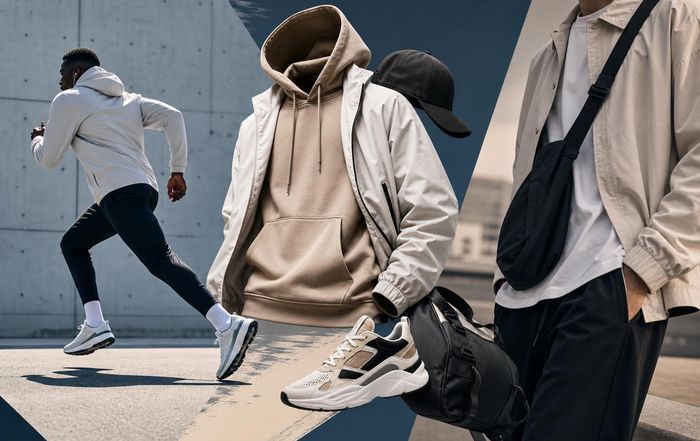
How Sports Fashion Shapes Everyday Lifestyle Trends
Sports fashion has moved far beyond the running track and the locker room. It stands at the center of global culture, business, and personal identity, influencing how people work, travel, socialize, and express values from sustainability to social justice. What was once a niche category of performance apparel has become a dominant force in mainstream fashion, reshaping wardrobes from New York to Berlin, Tokyo, and Johannesburg, and redefining how consumers think about comfort, status, and self-care. For Sportsyncr, which sits at the new intersection of sport, culture, and commerce, the evolution of sports fashion is not just a style story; it is a lens into how people live, train, consume media, and engage with brands in a hyper-connected world.
The Evolution of Athleisure into a Global Lifestyle
The concept of athleisure, once shorthand for yoga pants and hoodies worn outside the gym, has matured into a fully fledged lifestyle category that influences business attire, travel wear, and even luxury fashion. Over the past decade, international fashion weeks in New York, London, Milan, and Paris have repeatedly showcased collections where technical fabrics, performance silhouettes, and sneaker-led styling dominate the runway. Observers tracking these shifts through platforms such as Vogue Business have noted that what began as a casual Friday trend has evolved into a year-round, boardroom-appropriate aesthetic in many industries.
This transformation has been accelerated by changing work patterns, with hybrid and remote models normalizing more relaxed dress codes across the United States, United Kingdom, Germany, Canada, and Australia, and by a generational shift in expectations around comfort and authenticity. Consumers in their twenties and thirties, who grew up with performance sneakers and moisture-wicking fabrics as everyday basics, now demand the same ergonomic design in their office clothing and formalwear. As a result, sports fashion is no longer perceived as a deviation from style norms but as the new baseline, a development that Sportsyncr explores regularly in its coverage of sports and culture.
Performance Fabrics and the New Definition of Comfort
At the core of sports fashion's influence is the widespread adoption of performance materials that were originally engineered for elite athletes. Moisture management, temperature regulation, four-way stretch, and compression technologies once reserved for marathon runners and professional footballers now appear in office trousers, tailored blazers, dresses, and even formal shirts. Technical innovation from companies such as Gore-Tex and Polartec has set new expectations for what everyday garments should deliver, and consumers have become increasingly literate in the language of fabric functionality.
Research from organizations like the American Council on Exercise, documented by resources such as ACE Fitness, has contributed to public understanding of how supportive, breathable clothing can enhance physical performance and comfort, particularly for people balancing long working hours with demanding training schedules. As this knowledge has spread from gyms in Los Angeles and Toronto to co-working spaces in London, Singapore, and Stockholm, performance features have become a non-negotiable requirement rather than a premium add-on.
For Sportsyncr, which covers the convergence of fitness and health, this shift illustrates how sports science is quietly rewriting the rules of everyday dress codes. The line between "gear" and "clothing" has blurred, and consumers now expect the same level of technical sophistication from their daily outfits that professional athletes receive from their match-day kits.
Sneakers as Cultural Currency and Status Symbol
No element of sports fashion has had more profound cultural impact than the sneaker. Once a purely functional item designed for running tracks and basketball courts, sneakers are now a global status symbol, an investment asset, and a canvas for creative collaboration. Major sportswear companies such as Nike, Adidas, Puma, and New Balance have transformed limited-edition releases into cultural events, with drop calendars followed as closely as film premieres or album launches.
The resale ecosystem, tracked by platforms like StockX, has turned coveted models into financial instruments traded across North America, Europe, and Asia, while collaborations between sports brands and fashion houses such as Dior, Gucci, and Balenciaga have cemented sneakers' place at the top of the style hierarchy. This evolution has also democratized elements of luxury, allowing young consumers in markets from Brazil and South Africa to Japan and Thailand to participate in global fashion conversations through footwear, even when high-end ready-to-wear remains out of reach.
For Sportsyncr, which documents the business and cultural dimensions of sport through its business and brands verticals, sneakers provide a clear example of how sports fashion can generate multi-billion-dollar ecosystems that span retail, media, finance, and technology, while simultaneously shaping identity and community at street level.
Health, Wellness, and the Normalization of Activewear
The global emphasis on health and wellness has also played a central role in the rise of sports fashion. As organizations such as the World Health Organization and Centers for Disease Control and Prevention continue to highlight the importance of regular physical activity, consumers have increasingly integrated movement into their daily routines, from walking meetings and lunchtime runs to cycling commutes and standing desks. Resources like WHO's physical activity guidelines have made the connection between sedentary lifestyles and chronic health risks impossible to ignore.
This shift has normalized the presence of gym-ready clothing in offices, universities, and public spaces across Europe, Asia, and North America, as people move fluidly between professional obligations and workouts. Brands such as Lululemon, Under Armour, and Gymshark have built global communities around this convergence of lifestyle and performance, positioning activewear not merely as clothing but as a visual commitment to self-care and discipline.
Sportsyncr has observed that this trend is especially visible in urban centers such as London, New York, Sydney, and Singapore, where time-pressed professionals rely on versatile, performance-led outfits to support back-to-back schedules. Through its coverage of health and fitness, the platform has tracked how sports fashion both reflects and reinforces the idea that wellbeing is a central pillar of modern success, not an optional extra.
Digital Culture, Social Media, and the Acceleration of Trends
The digital ecosystem has significantly amplified the influence of sports fashion on everyday lifestyle trends. Platforms such as Instagram, TikTok, and YouTube have given athletes, trainers, and content creators unprecedented power to shape global style narratives, often in real time. Viral challenges, outfit-of-the-day posts, and behind-the-scenes training content from clubs in leagues like the NBA, Premier League, and Bundesliga routinely inspire outfit choices from Los Angeles to Munich and Seoul.
Influencers who blend athletic performance with fashion-forward styling have become key tastemakers, and their reach is further extended by media outlets such as Hypebeast, which chronicle the latest drops, collaborations, and styling trends at the intersection of sports, streetwear, and luxury. This digital feedback loop shortens the distance between the locker room and the street, with pre-game tunnel arrivals, training kits, and warm-up outfits often gaining as much attention as match-day performances.
For Sportsyncr, whose news and social coverage tracks real-time shifts in fan behavior and digital culture, sports fashion serves as both content and context. The way athletes and fans dress becomes a form of storytelling, signaling affiliations, values, and aspirations that extend far beyond the field of play.
Gender Fluidity, Inclusivity, and Body Positivity
Sports fashion has also become a powerful vehicle for conversations around gender expression, inclusivity, and body diversity. Many leading brands have moved away from rigid gendered design frameworks, introducing unisex collections, extended sizing, and campaigns featuring a broader range of body types and identities. This evolution aligns with wider cultural shifts in markets such as the United States, United Kingdom, Scandinavia, and South Korea, where younger consumers are increasingly rejecting narrow beauty standards and demanding representation that reflects real-world diversity.
Organizations like Nike and Adidas have launched inclusive performance lines for hijab-wearing athletes, adaptive collections for people with disabilities, and expanded sizing for both men and women, while independent labels in Europe, Asia, and Africa have pushed even further in reimagining how sportswear can serve different communities. Discussions hosted on platforms such as The Guardian's fashion pages have highlighted the social impact of these changes, underscoring how sports fashion can support participation and confidence among groups historically excluded from mainstream fitness culture.
On Sportsyncr, the intersection of sports fashion and social progress is a recurring theme across culture and world coverage, with particular attention to how apparel can either lower or raise barriers to entry in sports for women, non-binary athletes, and people of all sizes and abilities.
Sustainability and the Ethics of Sportswear Consumption
As awareness of climate change and resource scarcity grows, the environmental impact of sports fashion has come under increasing scrutiny. Performance apparel often relies on synthetic fibers derived from fossil fuels, and the rapid product cycles associated with fast fashion have contributed to waste and pollution across global supply chains. Reports from organizations such as the Ellen MacArthur Foundation, accessible via resources like its circular economy insights, have drawn attention to the pressing need for more sustainable approaches in textile production, design, and consumption.
In response, major sportswear brands and emerging labels alike have begun investing in recycled materials, bio-based fibers, and circular business models such as repair, resale, and rental. Initiatives range from Adidas's experiments with fully recyclable running shoes to Patagonia's long-standing commitment to repair programs and reduced consumption messaging. Consumers across Europe, North America, and Asia-Pacific are increasingly factoring environmental performance into purchasing decisions, particularly among younger demographics in countries like Germany, Sweden, Netherlands, and New Zealand.
For Sportsyncr, which addresses environmental and ethical concerns in its environment and science sections, the sustainability challenge in sports fashion represents both a risk and an opportunity. Brands that fail to adapt risk reputational damage and regulatory pressure, while those that innovate can strengthen trust and loyalty by aligning performance, style, and responsibility.
Brand Power, Sponsorship, and the Business of Visibility
The business engine behind sports fashion's cultural dominance is the deep integration of apparel into sponsorship, media rights, and brand partnerships. Club kits, national team jerseys, and athlete endorsements serve as moving billboards, broadcasting logos from Nike, Adidas, Puma, and Under Armour to billions of viewers across continents. Governing bodies such as FIFA, the International Olympic Committee, and major leagues like the NFL and NBA understand that apparel deals are not merely merchandising arrangements but strategic platforms for global visibility.
Analysts following the sports business landscape through outlets like SportBusiness have documented the escalating value of kit sponsorships, particularly in football markets across Europe, Asia, and South America, where replica jersey sales and lifestyle collections provide substantial revenue streams. These partnerships increasingly extend beyond match-day uniforms into off-pitch capsule collections, travel wear, and collaborative fashion projects that reach audiences far beyond traditional sports fans.
As Sportsyncr explores within its sponsorship and business coverage, the strategic importance of sports fashion lies in its dual function as both a commercial asset and a cultural touchpoint. When a club, federation, or athlete chooses a particular aesthetic, they are not only signing a contract; they are shaping how millions of people dress and express allegiance in their daily lives.
Technology, Wearables, and the Smart Apparel Frontier
Technological innovation is pushing sports fashion into new territory, where clothing becomes an intelligent interface rather than a passive layer. Wearable devices, from smartwatches and fitness trackers to sensor-embedded garments, have become mainstream tools for monitoring performance, sleep, and overall health, with platforms like Garmin and Apple's fitness ecosystem playing central roles. The next phase, however, is the integration of sensors, haptic feedback, and biometric monitoring directly into fabrics and seams.
Sports science institutions and research labs across Japan, South Korea, United States, and Europe are experimenting with smart textiles that can track muscle activation, heart rate variability, hydration levels, and posture in real time, transmitting data to apps and coaching platforms. As these technologies migrate from elite training environments to consumer markets, everyday garments may soon provide continuous health insights, transforming how individuals approach fitness, recovery, and even office ergonomics.
For Sportsyncr, whose technology and fitness sections monitor these developments, smart sports fashion represents a convergence of multiple audience interests: performance optimization, health management, and the broader digitalization of lifestyle. The challenge for brands will be to integrate these capabilities in ways that respect privacy, maintain comfort, and deliver clear value, without overwhelming consumers with data.
Regional Nuances and Global Convergence
While sports fashion is a global phenomenon, its expression varies across regions in ways that reflect local culture, climate, and social norms. In the United States and Canada, the dominance of team sports such as basketball, baseball, and American football has fostered a strong jersey culture and an affinity for oversized silhouettes. In Europe, football clubs and national teams anchor much of the sportswear identity, with fans in Germany, Italy, Spain, France, and the Netherlands incorporating club colors and scarves into everyday outfits, particularly on match days.
In Asia, markets such as Japan, South Korea, and China blend global sportswear brands with local streetwear labels, creating hybrid styles that often influence trends back into Western markets. Cities like Seoul and Tokyo are widely recognized as incubators for innovative styling, where sports fashion is layered with high fashion and subcultural aesthetics. Meanwhile, in Africa and South America, particularly in countries like Brazil and South Africa, football remains a central style reference, but climate and economic factors also drive creativity in how sportswear is mixed with informal, locally sourced pieces.
Sportsyncr, with its top world and sports coverage, is uniquely positioned to track these regional nuances, highlighting how global brands adapt marketing, product design, and distribution strategies to resonate with local consumers, while also documenting how grassroots trends flow upward to influence global collections and campaigns.
The Future of Sports Fashion in Work, Play, and Identity
Looking ahead to the remainder of the decade, sports fashion appears set to deepen its influence on everyday lifestyle trends rather than recede. The push toward flexible work arrangements suggests that traditional office dress codes will continue to relax, making performance-led tailoring and smart casual activewear the norm in knowledge-based industries from London to Singapore and San Francisco. At the same time, the ongoing prioritization of physical and mental health means that clothing designed to support movement, recovery, and comfort will remain central to consumer expectations.
Sustainability pressures will likely accelerate innovation in materials and business models, with more brands adopting circular approaches, transparent supply chains, and lower-impact production methods. Consumers will increasingly expect to verify environmental and social claims through third-party data and certifications, with resources like Sustainable Apparel Coalition and similar initiatives helping to standardize accountability. Sports fashion brands that can deliver credible progress in this area will strengthen their authority and trustworthiness among discerning audiences across Europe, Asia-Pacific, and North America.
Digital culture and gaming will also play a growing role in shaping sports fashion, as virtual worlds and esports platforms blur the lines between physical and digital identities. Collaborations between sportswear companies and game publishers, documented by outlets such as The Esports Observer, have already introduced virtual jerseys, sneakers, and skins that influence real-world purchases. As Sportsyncr expands its coverage of gaming and digital fandom, it will continue to explore how virtual sports fashion experiments inform physical design and vice versa.
For business leaders, marketers, and brand strategists following Sportsyncr often daily, the key insight is that sports fashion is no longer a peripheral category. It is a central arena in which health, technology, culture, and commerce intersect. Understanding how consumers in New York, London, Berlin, Toronto, Sydney, Seoul, and Cape Town use sports-inspired clothing to navigate their days, signal their values, and manage their wellbeing is essential for anyone seeking to build relevant products, services, or experiences in 2026 and beyond.
In this environment, the organizations and individuals who demonstrate genuine expertise, invest in performance and sustainability, and communicate with authenticity will command the greatest loyalty. Sports fashion, as chronicled across Sportsyncr's sports, business, brands, and culture channels, is not simply about what people wear; it is about how they live, move, work, and connect in a world where the boundaries between sport and everyday life have effectively disappeared.