

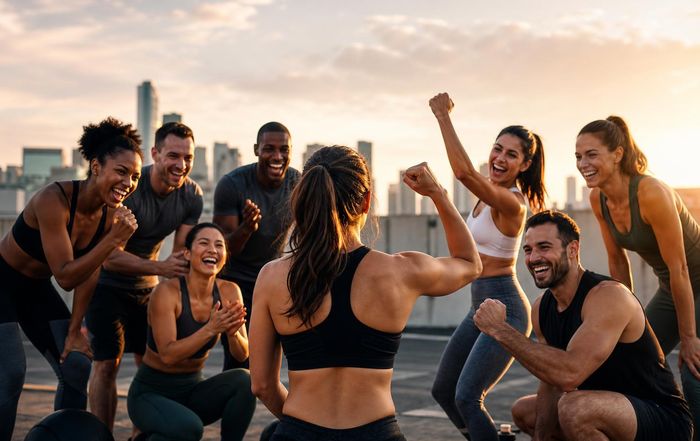
How Fitness Communities Build Lasting Motivation
The New Center of Gravity in Fitness
The global fitness landscape is no longer defined primarily by equipment, facilities, or even elite athletes; it is increasingly organized around communities that bind people together across cities, time zones, and cultures. From neighborhood running clubs in London and Berlin to hybrid digital-physical strength collectives in New York, Singapore, and Sydney, the most resilient fitness behaviors are emerging where social connection, shared identity, and structured accountability intersect. For Sportsyncr and its fit and healthy, sports community audience of performance-driven readers, this shift is not a passing trend but a structural transformation that is reshaping how motivation is created, sustained, and scaled across the sports and wellness economy.
As more individuals in the United States, Europe, and Asia navigate remote work, hybrid schedules, and fragmented social lives, traditional willpower-based approaches to exercise are proving insufficient. Research from organizations such as the World Health Organization shows persistent global inactivity levels despite unprecedented access to digital workouts and fitness apps; yet, where people embed themselves in supportive communities, adherence to fitness routines improves dramatically and remains more stable over time. Those communities may form around local sports clubs, specialized studios, workplace wellness initiatives, or digital platforms that encourage shared tracking and challenge-based participation. In each case, the underlying engine is the same: community turns isolated intention into collective momentum.
Readers who follow the daily evolving interplay of sports and society have seen this pattern emerge across disciplines, from endurance events and strength sports to yoga, combat sports, and esports training. The central question for athletes, brands, employers, and policymakers is not whether communities matter, but how they can be designed, governed, and scaled to build motivation that endures beyond the novelty phase and survives the inevitable disruptions of modern life.
Why Motivation Fails in Isolation
The starting point for understanding the power of fitness communities is a sober look at why individual motivation so often falters. Behavioral scientists and health agencies such as the U.S. Centers for Disease Control and Prevention consistently highlight a familiar pattern: people set ambitious fitness goals, maintain them for several weeks, and then gradually regress to old habits, especially when stress, time pressure, or environmental changes intervene. This is not primarily a failure of character; rather, it is a predictable consequence of how human cognition and social behavior evolved.
Motivation that relies solely on internal resolve is highly vulnerable to fatigue, mood variability, and competing priorities. Even sophisticated digital tools that provide reminders, streaks, and gamified rewards tend to lose their motivational pull over time when used in isolation. Studies discussed by Harvard Health Publishing have shown that social support, accountability, and perceived belonging are among the strongest predictors of long-term adherence to exercise, often outweighing the influence of purely individual factors such as initial enthusiasm or even access to high-end facilities. When people attempt to train alone, without a sense of shared purpose or mutual visibility, they are effectively swimming against the current of their own social wiring.
This reality is particularly evident in high-pressure markets such as the United States, the United Kingdom, Germany, and Japan, where knowledge about fitness is widespread yet adherence remains inconsistent. Many individuals know what they should be doing for their health but struggle to convert that knowledge into stable routines. As Sportsyncr has chronicled across its well researched health and wellness coverage, the friction points are rarely about understanding exercises; they are about sustaining the emotional energy required to keep showing up when life becomes complicated. Community structures, when thoughtfully designed, supply that energy in ways that are both psychologically robust and operationally scalable.
The Psychology of Belonging and Performance
At the heart of community-based motivation lies the human need for belonging. Psychologists have long argued, from the lens of self-determination theory and social identity theory, that people are more likely to maintain demanding behaviors when those behaviors are tightly coupled with group membership and shared norms. When someone identifies as a member of a running club in Toronto, a CrossFit box in Stockholm, or a climbing collective in Seoul, their workouts are no longer isolated chores; they become expressions of identity and participation in a valued group.
Organizations such as American Psychological Association and British Psychological Society have highlighted that social identity exerts a powerful influence on persistence, pain tolerance, and perceived enjoyment of effort. In practical terms, this means that the same workout can feel entirely different depending on whether it is experienced alone or as part of a coordinated group effort. The presence of peers-physically or virtually-amplifies perceived meaning and makes discomfort feel purposeful rather than punitive. This effect is visible in everything from group cycling studios in Los Angeles to community football leagues in Lagos and São Paulo.
The sense of belonging is further reinforced by rituals, shared language, and recurring events that anchor the community's calendar. Weekly group runs, monthly benchmark workouts, seasonal challenges, and annual retreats all contribute to a narrative arc that gives members something to anticipate and prepares them to recommit regularly. When Sportsyncr covers fitness culture and lifestyle trends, it often finds that the most durable communities are those that treat participation not as a transactional service but as an ongoing story in which every member plays a visible role.
Accountability and the Social Contract of Training
Beyond belonging, fitness communities create a form of social contract that transforms intentions into obligations. This is not about coercion; rather, it is about harnessing the positive pressure that comes from being seen and counted on by others. When someone signs up for a 6 a.m. training session in Melbourne or a weekend hike in Vancouver and knows that teammates are expecting them, the cost of skipping becomes more than just a missed workout-it becomes a small breach of trust. That subtle shift in perceived consequences dramatically increases follow-through.
Behavioral economists at institutions such as London School of Economics and Stanford University have long studied how commitment devices and social accountability increase adherence to difficult behaviors, from saving money to quitting smoking. Fitness communities operationalize these principles in practical ways: attendance tracking, shared training logs, partner-based workouts, and team goals all create layers of accountability that are difficult to replicate individually. Modern platforms that integrate wearables, messaging, and scheduling tools extend this accountability across geographies, allowing a strength training group in Amsterdam to coordinate with peers in New York or Singapore.
For business readers and leaders who follow sports business and organizational performance, this dynamic offers important lessons for corporate wellness programs. Many organizations in North America, Europe, and Asia-Pacific have invested heavily in subsidized gym memberships or digital wellness apps, only to see limited sustained engagement. When those initiatives are restructured around teams, challenges, and internal communities-often supported by champions within departments-the participation rates and health outcomes improve significantly. The lesson is clear: accountability is most powerful when it is relational, not just algorithmic.
Technology as an Enabler, Not the Core
The last decade has seen explosive growth in connected fitness platforms, wearables, and AI-driven coaching tools, with companies such as Apple, Garmin, Whoop, and Peloton reshaping how individuals track and experience exercise. In 2026, these technologies remain important, but the most successful implementations treat them as enablers of community rather than as isolated solutions. The platforms that are thriving are those that facilitate meaningful interaction, shared milestones, and transparent progress among groups of users.
Analysts following sports technology innovation note that the market has shifted from a hardware-centric race to a community-centric ecosystem. Fitness apps that simply count steps or log workouts are being overshadowed by platforms that integrate group challenges, social feeds, and localized meetups. Even large technology players are partnering more closely with local gyms, clubs, and event organizers to ensure that digital engagement leads to real-world connection. For example, race registration systems, club management tools, and corporate wellness platforms are increasingly interoperable, allowing data from a runner's watch in Madrid or a cyclist's power meter in Copenhagen to feed into team leaderboards and seasonal goals.
At the same time, there is a growing recognition of the risks associated with over-reliance on digital metrics and social comparison. Health organizations such as Mayo Clinic and Cleveland Clinic caution that constant performance tracking and exposure to idealized fitness content can, in some cases, contribute to anxiety, burnout, or disordered behaviors. Effective communities in 2026 are those that use technology to foster encouragement and constructive feedback while maintaining a strong emphasis on holistic well-being rather than purely aesthetic or competitive outcomes. For Sportsyncr, which covers the intersection of health, science, and performance, this balanced approach to technology is central to any discussion of sustainable motivation.
Local Culture, Global Networks
While the underlying psychology of community is universal, the way fitness communities form and operate varies significantly by region and culture. In the United States and Canada, there has been a strong emphasis on boutique studio communities-CrossFit boxes, cycling studios, and functional fitness gyms-that blend high-intensity training with strong brand identity. In the United Kingdom, Germany, and the Netherlands, running clubs and football-based recreational leagues remain foundational, often supported by municipal infrastructure and corporate sponsorship. In Nordic countries such as Sweden, Norway, Denmark, and Finland, outdoor and nature-based communities emphasize year-round activity, from trail running and cross-country skiing to open-water swimming, integrating fitness with environmental appreciation.
Across Asia, the community landscape is equally dynamic. In South Korea and Japan, group-based training in urban centers is blending traditional discipline with modern digital coordination, while in Singapore, Malaysia, and Thailand, mall-based gyms and park-based bootcamps create accessible entry points for diverse populations. In China, large-scale community events such as city marathons and cycling festivals, supported by both private brands and municipal governments, have become major social and economic drivers. In South Africa, Brazil, and other parts of Africa and South America, community fitness often intersects with social development and safety initiatives, turning running clubs and soccer leagues into platforms for youth engagement and social cohesion.
For Sportsyncr, whose readership spans global sports and cultural contexts, this diversity of models underscores a key point: there is no single blueprint for building effective fitness communities. Instead, the most successful initiatives are those that align with local culture, infrastructure, and social norms while still connecting to global networks of knowledge and inspiration. International events such as the Olympic Games, World Athletics championships, and major marathons in cities like Boston, London, Berlin, Tokyo, and New York continue to serve as global focal points, inspiring local communities to organize training cycles, viewing parties, and grassroots competitions that extend far beyond the events themselves.
Brands as Community Architects
In 2026, sportswear and lifestyle brands are no longer content to simply sell products; many see themselves as architects and stewards of fitness communities. Companies such as Nike, Adidas, Under Armour, Lululemon, and Puma have invested heavily in running clubs, training collectives, and ambassador networks that provide structured programming, social events, and digital engagement. These initiatives are not purely philanthropic; they are strategic investments in long-term customer relationships and brand loyalty. Yet, when executed with authenticity and respect for local communities, they can also generate substantial public health benefits.
From a brands and sponsorship perspective, the most effective community-building strategies share several characteristics. They empower local leaders rather than imposing top-down structures; they provide tangible value in the form of coaching, events, and access; and they maintain a credible focus on participant well-being rather than purely on product promotion. In markets such as the United States, United Kingdom, and Australia, brand-led communities often collaborate with independent gyms, coaches, and event organizers, creating hybrid ecosystems where commercial and grassroots interests align. In emerging markets across Asia, Africa, and South America, brands are increasingly partnering with NGOs, schools, and municipal authorities to integrate community fitness into broader social and economic development programs.
The rise of community-centric branding also places new demands on measurement and accountability. Business leaders and marketers are under pressure to demonstrate not only engagement metrics but also tangible health outcomes and social impact. Organizations such as McKinsey & Company and Deloitte have begun publishing frameworks for assessing the ROI of wellness and community initiatives, considering factors such as reduced absenteeism, improved mental health, and enhanced employer attractiveness. For the business-focused readership of Sportsyncr, these developments highlight a key trend: community is rapidly becoming a core asset in the competitive strategy of sports and wellness brands, not just a marketing accessory.
The Social Dimension: Inclusion, Identity, and Equity
Fitness communities do not exist in a vacuum; they are embedded in broader social dynamics related to identity, inclusion, and equity. In many countries, traditional fitness spaces have historically skewed toward certain demographics in terms of gender, income, race, and body type. That reality has created barriers for individuals who feel unwelcome or underrepresented in gyms, clubs, and sports organizations. Over the past few years, however, there has been a marked increase in communities that explicitly center inclusivity, from women-led strength collectives in London and New York to LGBTQ+ running groups in Berlin, Sydney, and São Paulo, and adaptive sports communities for people with disabilities across Europe, North America, and Asia.
Organizations such as Women in Sport, Special Olympics, and Stonewall have played important roles in advocating for more inclusive models of participation, while local grassroots leaders have translated those principles into actionable community structures. For Sportsyncr, whose social and culture coverage often explores the intersection of sport, identity, and justice, these movements illustrate how fitness communities can either reinforce or challenge existing social hierarchies. Communities that prioritize psychological safety, representation, and accessibility tend to foster stronger, more sustainable motivation because members feel fully seen and supported.
At the same time, the growth of socially conscious fitness communities raises important governance questions. Leaders must navigate issues such as harassment policies, data privacy, and equitable access to resources, especially when communities intersect with commercial interests. Best practices emerging from organizations like UN Women and Human Rights Watch emphasize transparent codes of conduct, clear reporting mechanisms, and ongoing education for coaches and organizers. In 2026, trust is not only about the quality of training; it is about the integrity of the community's values and the protection of its members.
Corporate and Workplace Fitness Communities
The workplace has become a critical arena for community-based fitness, particularly as hybrid and remote work patterns persist across industries in the United States, Europe, and Asia-Pacific. Employers are increasingly aware that physical activity is strongly linked to productivity, mental health, and retention, as documented by research from the World Economic Forum and OECD. However, traditional wellness benefits-discounted gym memberships or generic app subscriptions-have often delivered disappointing engagement levels.
Forward-thinking organizations are responding by building internal fitness communities that align with corporate culture and employee demographics. These may include running or cycling clubs, step challenges that pit departments against each other in friendly competition, yoga or mobility sessions integrated into the workday, and partnerships with local studios or digital platforms that offer group-based programming. Crucially, successful initiatives are often employee-led, with leadership providing resources and recognition rather than prescribing top-down solutions.
For readers tracking jobs, careers, and workplace trends, the implications are significant. In competitive talent markets from San Francisco and Toronto to Berlin and Singapore, robust community-based wellness programs are becoming a differentiator in employer branding. Younger workers, in particular, increasingly expect not only flexible work arrangements but also structured opportunities to build meaningful connections, including through physical activity. When companies support these communities authentically, they help employees sustain healthier routines while also strengthening cross-functional relationships and organizational cohesion.
Media, Storytelling, and the Role of Platforms like Sportsyncr
Media platforms play a subtle but powerful role in how fitness communities form and evolve. Coverage that highlights diverse role models, documents community initiatives, and explains the science behind motivation can inspire new participants and legitimize emerging practices. Sportsyncr, by design, occupies a unique position at the intersection of sports, fitness, health, business, technology, and culture, serving readers who are not only participants but often organizers, investors, and decision-makers within the broader sports and wellness ecosystem.
By curating stories from established markets such as the United States, the United Kingdom, Germany, Canada, and Australia, as well as rapidly evolving scenes in Asia, Africa, and South America, Sportsyncr helps communities learn from one another's successes and failures. Features on innovative training collectives, analyses of brand-community partnerships, and reporting on the latest science of behavior change give readers both inspiration and evidence-based guidance. When the platform connects 100% original insights across its sports, fitness, culture, business, and news verticals, it reinforces the idea that fitness communities are not niche subcultures but central actors in contemporary life.
In a media environment saturated with quick fixes and sensational transformations, a focus on Experience, Expertise, Authoritativeness, and Trustworthiness is essential. Audiences in 2026 are increasingly skeptical of unverified claims and influencer-driven fads. They seek platforms that can differentiate between marketing narratives and genuinely sustainable practices. By grounding coverage in credible research, expert commentary, and real-world case studies, outlets like Sportsyncr help ensure that the communities they spotlight are not only inspiring but also grounded in principles that support long-term health.
Toward a More Connected, Sustainable Fitness Future
As the world continues to navigate demographic shifts, technological disruption, and public health challenges, fitness communities stand out as one of the most promising levers for building lasting motivation and resilience. They harness fundamental aspects of human psychology-belonging, accountability, identity, and shared purpose-and translate them into daily behaviors that improve physical and mental well-being. They provide a counterweight to isolation in an era of digital saturation, and they offer a practical framework for aligning the interests of individuals, brands, employers, and public institutions.
For the global independent thinking audience that turns to Sportsyncr to understand how sports, health, culture, and business intersect, the message is clear: the future of fitness will be written not only in laboratories, boardrooms, and design studios, but also in local parks, neighborhood gyms, digital forums, and cross-border networks of people who choose to move together. Whether in New York or Nairobi, Berlin or Bangkok, Toronto or Tokyo, the communities that thrive will be those that combine inclusive values, thoughtful use of technology, strong leadership, and a commitment to evidence-based practice.
In 2026, the question for athletes, enthusiasts, and organizations is no longer whether to engage with fitness communities, but how intentionally and ethically they will do so. Those who invest in building and nurturing these communities-treating them as long-term relationships rather than short-term campaigns-will not only see better performance and participation; they will help shape a healthier, more connected world.