

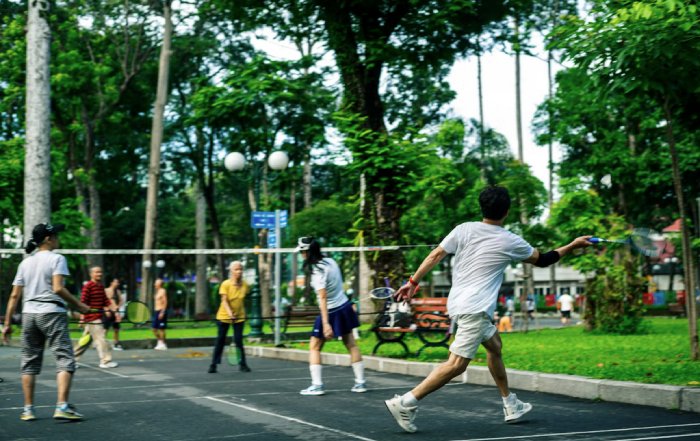
Community Sport in 2026: From Local Fields to Global Public Health Infrastructure
Community Sport as a Strategic Health Asset in 2026
By 2026, community sport has moved decisively from the margins of public policy to the center of serious conversations about sustainable health systems, resilient cities, and inclusive economic growth. Across continents, community sport is now treated by policymakers, health executives, and corporate leaders as a strategic public health asset rather than an optional recreational extra. On Sportsyncr, where the intersections between sport, health, business, technology, and culture shape editorial priorities, this shift is not an abstract trend but a lived reality reflected in the stories, data, and case studies that define coverage across sports, health, and business.
This repositioning is underpinned by a growing consensus among international health authorities that physical inactivity is one of the most significant modifiable risk factors driving noncommunicable diseases worldwide. The World Health Organization continues to stress in its guidance on global physical activity and health that insufficient movement is associated with higher rates of cardiovascular disease, diabetes, cancers, and premature mortality, and that structured, socially supported opportunities for regular physical activity can substantially reduce these risks at population scale. In parallel, institutions such as the Centers for Disease Control and Prevention in the United States emphasize in their evolving guidance on community health interventions that community-based physical activity programs are essential pillars of chronic disease prevention, particularly in systems grappling with rising costs and workforce shortages.
For Sportsyncr, which approaches community sport as both a cultural phenomenon and a form of health infrastructure, this global revaluation is central to its mission. Community clubs and leagues are presented not only as local hubs of identity and passion but as operational partners in the delivery of preventive health, mental wellbeing, and social cohesion. This perspective shapes how the platform analyzes funding trends, sponsorship models, technology adoption, and regulatory frameworks, offering readers a coherent view of how grassroots sport is being woven into the fabric of modern health systems from North America and Europe to Asia, Africa, and South America.
Evidence, Outcomes, and the Health Dividend of Participation
The accumulation of evidence linking community sport to improved health outcomes has accelerated over the past decade, with research institutions, public agencies, and think tanks providing increasingly granular insight into how regular participation affects individuals and communities. The Harvard T.H. Chan School of Public Health, through its resources on the benefits of physical activity, continues to document how sustained movement reduces the risk of cardiovascular disease, type 2 diabetes, several cancers, and premature death, while also improving sleep quality, metabolic health, and cognitive performance. Crucially, these analyses highlight that structured, socially embedded activities-such as community sport-are more likely to be maintained over time than isolated, individual exercise, because they draw on social commitment, shared goals, and a sense of belonging.
National health systems are incorporating these insights into their guidance. The NHS in the United Kingdom, for example, reiterates in its materials on exercise and health that sport-based activity plays a vital role in managing weight, reducing stress, and mitigating anxiety and depression, which in turn has direct implications for the sustainability of publicly funded care. Similar messages are echoed in Canada, Australia, and across the European Union, where ministries of health increasingly treat local clubs and leagues as extensions of the preventive care ecosystem rather than as purely recreational entities.
Research from organizations such as Sport England, which continues to publish detailed Active Lives studies, reinforces the notion that social context is critical to adherence. People are more likely to remain active when participation is anchored in relationships, whether through five-a-side football in Manchester, community cricket in Melbourne, urban cycling groups in Amsterdam, or walking football in Oslo. These environments deliver not only cardiovascular benefits but also psychological gains related to identity, self-efficacy, and social support, all of which reduce the burden on mental health services and primary care.
Health economists and global policy bodies have responded by reframing community sport as a form of preventive infrastructure. The Organisation for Economic Co-operation and Development (OECD), in its ongoing work on chronic disease prevention, shows that even modest increases in population-level physical activity can generate substantial long-term savings for public health budgets, particularly when targeted at high-risk populations. This has encouraged governments in countries such as Germany, the Netherlands, Singapore, and New Zealand to integrate community sport explicitly into health strategies and budget planning, a development that Sportsyncr tracks closely through its news and world reporting.
Integration Models: How Health Systems and Community Sport Work Together
In 2026, the integration of community sport into formal public health systems varies widely by country and region, but common patterns are emerging that reveal how governance, financing, and culture shape collaboration. In the United Kingdom, the consolidation of social prescribing within the National Health Service has become a flagship example. General practitioners and other clinicians routinely refer patients with chronic conditions, mild to moderate mental health issues, or social isolation to community-based activity and sport programs, with frameworks described in NHS England's guidance on social prescribing. Local football clubs, walking groups, and multi-sport community hubs thus function as delivery partners in personalized care plans, supported by link workers who bridge medical and community environments.
In the United States, where healthcare remains fragmented and heavily influenced by private insurance, integration tends to occur through value-based care arrangements and employer-driven wellness initiatives. Health systems, insurers, and large employers increasingly support community sport programs that can demonstrate measurable outcomes such as reduced emergency room visits, lower absenteeism, or improved mental health scores among target populations. The Kaiser Family Foundation, through its analyses of prevention and wellness within US healthcare, documents how preventive interventions, often delivered through partnerships with local leagues and YMCAs, are being incorporated into broader payment and policy reforms.
In continental Europe, club-based models in Germany, Denmark, the Netherlands, and the Nordic countries provide fertile ground for systematic integration. National sport federations work closely with ministries of health and education to standardize safety, quality, and inclusion criteria, ensuring that community sport programs align with public health priorities and reach older adults, people with disabilities, migrants, and low-income groups. In Asia, governments in Singapore, South Korea, and Japan have invested in digital platforms and neighborhood-level infrastructure that connect residents to nearby sport opportunities, often as part of national campaigns to counter sedentary lifestyles. The Health Promotion Board Singapore continues to outline these strategies through its information on national physical activity programs, illustrating how community sport is embedded in broader preventive health architecture.
For Sportsyncr, which examines these developments through lenses of technology, culture, and social dynamics, the most effective integration models are those that respect the autonomy and identity of community organizations while equipping them with stable funding, training, and data. The platform's coverage emphasizes that when health systems treat community clubs as co-creators rather than subcontractors, the result is more sustainable engagement, better health outcomes, and stronger local ownership across cities in the United States, the United Kingdom, Germany, Canada, Australia, and beyond.
Mental Health, Social Cohesion, and Community Resilience
The role of community sport in mental health and social cohesion has become even more prominent in the mid-2020s, as societies continue to grapple with the long-tail effects of the COVID-19 pandemic, economic uncertainty, and growing polarization. The World Health Organization underscores in its resources on mental health and physical activity that regular, socially engaging physical activity can reduce symptoms of depression and anxiety, improve mood, and enhance cognitive performance. Community sport, with its emphasis on teamwork, shared rituals, and mutual accountability, creates environments where individuals can rebuild confidence, develop coping skills, and establish supportive relationships that buffer against stress.
The pandemic years revealed how quickly social bonds can fray when in-person contact is limited and how resilient community sport networks can be when they adapt. Clubs and informal groups across Italy, Spain, Brazil, and South Africa pivoted to hybrid models, combining small outdoor sessions with virtual training, online competitions, and digital social gatherings. These adaptations preserved a sense of continuity and belonging, particularly for young people and older adults at risk of isolation. The legacy of that period is visible in 2026, as many organizations maintain hybrid structures that enable participation across schedules, geographies, and comfort levels, thereby reinforcing mental wellbeing and social cohesion.
Global development institutions, including the World Bank, have increasingly recognized that social capital and trust are powerful determinants of public health outcomes. In its work on social capital and development, the organization notes that communities with dense networks and shared norms respond more effectively to health crises, disseminate accurate information more quickly, and mobilize support for vulnerable residents. Community sports clubs often serve as trusted, hyper-local institutions, especially in underserved neighborhoods where formal health systems may be distant, overstretched, or viewed with suspicion. By partnering with coaches, volunteers, and local leaders, public health agencies can extend the reach of vaccination campaigns, screening programs, and health education into communities that might otherwise remain disengaged.
Within Sportsyncr's editorial framework, these mental health and social dimensions are treated as core outcomes rather than secondary benefits. Coverage in the health, fitness, and social sections explores how inclusive, well-governed community sport environments-from youth basketball in Los Angeles and netball in London to running collectives in Nairobi and esports clubs in Seoul-act as anchors of resilience in both urban and rural settings.
Technology, Data, and the Digitally Enabled Community Club
Digital transformation continues to reshape how community sport contributes to public health, as wearables, mobile apps, connected equipment, and virtual platforms become embedded in everyday life. Global technology companies such as Apple, Google, and Samsung have expanded health and fitness ecosystems around their devices, enabling individuals to monitor activity levels, heart rate variability, sleep patterns, and even irregular cardiac rhythms. Readers seeking to understand how these tools integrate into broader health strategies can explore Apple's health and fitness overview, which illustrates how consumer technology increasingly overlaps with clinical and community settings.
At the same time, platforms like Strava have turned running, cycling, and walking into globally networked experiences, where local routes are shared, compared, and celebrated. By examining Strava's community features, it becomes clear how digital platforms blur the lines between individual exercise and community sport, enabling clubs to coordinate training, track participation, and foster belonging even when members are geographically dispersed. For public health planners, the resulting data-when aggregated and anonymized-offers unprecedented insight into patterns of activity across neighborhoods, cities, and countries.
The European Commission has highlighted in its initiatives on digital health and data that responsible use of health-related data can support better policy design, targeted interventions, and more efficient resource allocation. However, this potential comes with critical challenges related to privacy, consent, cybersecurity, and digital inequality. In many regions, including parts of Africa, South America, and lower-income communities in North America and Europe, access to devices and connectivity remains uneven, raising the risk that technology-enhanced community sport could deepen existing health disparities if not carefully designed.
Governments in countries such as Singapore, South Korea, Finland, and Denmark are experimenting with smart-city platforms that integrate public spaces, transport systems, and sport facilities into cohesive health-promoting environments. The OECD, in its work on smart cities and inclusive growth, outlines how digital infrastructure can be harnessed to encourage active mobility, reduce pollution, and make community sport more discoverable and accessible. For Sportsyncr, these developments sit at the heart of coverage in technology and science, where the focus is on both the innovation frontier and the governance frameworks required to ensure that data-driven sport ecosystems remain ethical, inclusive, and trustworthy.
Economic Models, Brands, and Sponsorship in a Health-First Era
The elevation of community sport to the status of health infrastructure has transformed its economic landscape. Traditional funding models-based on membership fees, municipal grants, and small local sponsorships-are being augmented by partnerships with health insurers, healthcare providers, global consumer brands, and impact investors who see community sport as a vehicle for demonstrable social and health returns.
Sportswear and lifestyle companies such as Nike, Adidas, and Lululemon have deepened their investments in community-based initiatives, positioning them within broader environmental, social, and governance strategies. Nike's publicly available purpose and impact reporting illustrates how the company frames community sport as a lever for youth development, gender equity, and mental health, while also strengthening brand loyalty in key markets across North America, Europe, and Asia-Pacific. Similar approaches are evident among beverage, technology, and financial services brands that support local leagues, school-club partnerships, and inclusive participation programs as part of their social impact portfolios.
Public agencies are experimenting with outcome-based funding models that treat community sport organizations as long-term partners in delivering specific health and social results. Rather than short-term project grants, multi-year contracts link stable funding to metrics such as increased participation among older adults in Germany, reduced inactivity in low-income neighborhoods in the United States, or improved mental health indicators among youth in the United Kingdom and Australia. These approaches align with broader trends in social impact finance, as documented by the Global Impact Investing Network in its materials on impact measurement and management.
Within this evolving ecosystem, Sportsyncr uses its business, brands, and sponsorship coverage to examine how organizations can engage with community sport in ways that are commercially sound yet authentically health-driven. The platform highlights best practices in transparent impact reporting, equitable partnership structures, and governance arrangements that protect community interests while enabling scale, particularly in emerging markets across Africa, South America, and Southeast Asia where both health systems and sports ecosystems are rapidly evolving.
Equity, Inclusion, and Global Perspectives on Access
As community sport becomes more central to public health, questions of equity and inclusion move to the forefront. Without deliberate strategies, the benefits of participation risk accruing disproportionately to those who are already advantaged by income, geography, gender, or ability. Organizations such as UN Women emphasize in their work on sport for gender equality that inclusive community sport can challenge stereotypes, increase leadership opportunities for women and girls, and contribute to broader social and economic empowerment, but only when structural barriers such as safety concerns, cultural norms, and financial constraints are addressed.
The United Nations continues to promote sport as a tool for development and peace through its Youth and Sport for Development agenda, highlighting examples from Africa, Asia, and Latin America where community football, athletics, and multi-sport programs deliver health education, HIV prevention, nutrition support, and life-skills training. In countries such as South Africa, Brazil, and Kenya, these initiatives show that even where formal health systems are under-resourced, well-designed community sport programs can provide vital entry points to preventive care and psychosocial support, provided they are locally led and sustained over time.
In Europe and North America, equity challenges often manifest in the cost of participation, unequal distribution of facilities between affluent and marginalized neighborhoods, and underrepresentation of minority communities in organized sport structures. Policy frameworks from the European Union on social inclusion in and through sport offer guidance on how funding mechanisms, facility planning, and grassroots innovation can be aligned to expand access. Similar debates are unfolding in the United States, Canada, and Australia, where city planners, school districts, and community organizations are rethinking pricing models, transport links, and facility sharing to reduce barriers.
For Sportsyncr, which serves readers interested in world, environment, and jobs alongside sport and health, inclusion is both a values issue and a strategic imperative. Broad-based participation strengthens talent pipelines, supports local economies in the sports and wellness sectors, and contributes to more resilient labor markets. Coverage explores how initiatives in countries as diverse as the United States, the United Kingdom, Germany, France, Italy, Spain, the Netherlands, China, Japan, Thailand, Norway, and Brazil are adapting global best practices to local realities, ensuring that community sport serves as a bridge rather than a barrier across lines of gender, class, ethnicity, and generation.
Media, Education, and Cross-Sector Collaboration
The reframing of community sport as a cornerstone of public health is shaped not only by policy and investment but also by how media, education systems, and cross-sector coalitions tell the story and coordinate action. Specialist platforms such as Sportsyncr play a pivotal role in translating complex research, policy developments, and business innovations into clear, actionable insights for sports administrators, health professionals, educators, investors, and community leaders. By weaving together narratives from sports, health, technology, business, and culture, the platform helps decision-makers understand how choices in one domain-such as data governance or sponsorship strategy-can have far-reaching effects on health equity, participation, and community trust.
Educational institutions are equally central to embedding community sport within public health systems. Schools in the United States, the United Kingdom, Germany, Canada, and Singapore increasingly use sport not only as physical education but as a structured avenue for social-emotional learning, mental health support, and community engagement. Universities and research centers contribute by generating rigorous evidence, piloting innovative models, and training professionals who can operate comfortably at the intersection of sport management, public health, and digital innovation. Resources from UNESCO on quality physical education reinforce the importance of integrating sport into curricula as part of holistic health and development strategies.
Cross-sector collaboration remains the decisive factor in realizing the full potential of community sport as preventive health infrastructure. Aligning incentives among ministries of health, sport federations, local governments, private sponsors, and community organizations is complex, as each operates with distinct metrics and time horizons. Analytical frameworks such as The Lancet's series on physical activity help stakeholders understand how coordinated action can close global activity gaps, while city-level case studies from Europe, North America, and Asia demonstrate the practicalities of building durable coalitions. In 2026, the most promising initiatives are those that combine clear governance, shared data, inclusive participation, and transparent communication, ensuring that community sport remains both locally grounded and globally informed.
Looking Ahead: Community Sport as a Cornerstone of Preventive Health
As health systems worldwide confront aging populations, climate-related health risks, persistent inequities, and mounting financial pressures, the strategic case for embedding prevention into daily life is stronger than ever. Community sport-when governed with attention to safety, inclusion, and evidence-offers a uniquely powerful mechanism for operationalizing prevention in ways that are enjoyable, culturally resonant, and socially meaningful. It transforms public health recommendations from abstract guidelines into lived practices on pitches, courts, tracks, gyms, parks, and increasingly, digital platforms across the globe.
In 2026, the core challenge is no longer to demonstrate that community sport contributes to health, but to ensure that its contribution is fully integrated, equitably distributed, sustainably funded, and rigorously measured. This will require continued innovation in financing, data use, and technology, as well as a commitment to listening to participants, coaches, volunteers, and local leaders who understand the nuances of context from New York and London to Lagos, Mumbai, and Santiago. It will also demand that media and knowledge platforms such as Sportsyncr maintain high standards of experience, expertise, authoritativeness, and trustworthiness, providing stakeholders with the analysis and perspective needed to navigate a rapidly changing landscape.
By connecting insights from sports, health, fitness, business, and world affairs, Sportsyncr positions community sport as a central arena in which the future of public health systems is being negotiated. The choices made today by governments, brands, educators, technologists, and community organizers will determine whether local clubs, neighborhood courts, school fields, and digital communities become fully recognized pillars of preventive health, or remain undervalued assets in societies that can no longer afford to ignore the power of movement, connection, and play.