

The Science of Strength Training for Everyday Fitness
Strength Training in 2026: From Niche Discipline to Everyday Necessity
By 2026, strength training has moved decisively from the fringes of athletic preparation into the core of everyday health and performance, becoming a foundational pillar for people who may never step onto a competitive field but still demand more energy, resilience and productivity from their bodies and minds. What was once perceived as the domain of bodybuilders and elite athletes is now recognized by leading institutions such as The World Health Organization, The American College of Sports Medicine, and NHS England as an essential component of lifelong health, with clear evidence that structured resistance training reduces chronic disease risk, enhances cognitive function and supports mental well-being across all age groups and regions. As Sportsyncr continues to explore the intersection of sport, fitness, culture and business for a global audience, the science of strength training has become central to how the platform frames modern sports and performance narratives, not as a luxury pursuit, but as a strategic investment in everyday capability.
This shift is visible in gyms from New York to London, Berlin to Singapore, and in corporate wellness programs across North America, Europe and Asia, where resistance training is now woven into health strategies alongside cardiovascular fitness, nutrition and stress management. Organizations such as Mayo Clinic and Harvard T.H. Chan School of Public Health publish accessible guidelines on how strength training can slow biological aging, while digital platforms and connected equipment companies like Peloton, Technogym and WHOOP translate complex sports science into practical routines for office workers, parents, students and older adults. For Sportsyncr, which engages readers at the crossroads of fitness, health, business and technology, the story of strength training is no longer simply about lifting heavier weights; it is about how evidence-based resistance work is quietly reshaping workforces, brands and everyday life.
The Physiology of Strength: What Really Happens When Muscles Adapt
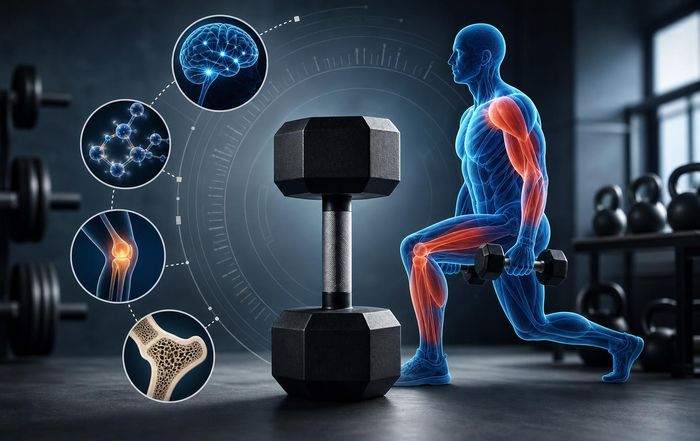
At its core, strength training is a deliberate manipulation of biological stress and recovery cycles that prompts the body to adapt structurally and neurologically. When an individual performs a resistance exercise, from a basic bodyweight squat to a heavy deadlift, microscopic damage occurs within muscle fibers, along with acute changes in energy systems, hormones and the nervous system. In response, the body initiates a complex cascade of repair and adaptation processes, often described in sports science resources such as those provided by The National Strength and Conditioning Association and Examine.com, which collectively result in stronger, more efficient muscle tissue and more coordinated neuromuscular control.
Initially, improvements are driven largely by neural adaptations: the brain and spinal cord learn to recruit more motor units, synchronize their firing patterns and reduce inhibitory signals that limit force production. This explains why novices can increase strength rapidly in the first weeks of training before significant muscle hypertrophy is visible. Over time, with sufficient training volume, intensity and recovery, muscle fibers undergo hypertrophy, increasing their cross-sectional area through the addition of contractile proteins such as actin and myosin. Research summarized by organizations like The American Council on Exercise and PubMed indicates that both type I (slow-twitch) and type II (fast-twitch) fibers can grow with appropriate programming, though heavier loads and explosive movements tend to favor type II adaptations, which are crucial for power and high-intensity efforts in both sport and daily tasks such as climbing stairs or lifting luggage.
Beyond the muscles themselves, strength training exerts profound effects on connective tissues, bones and metabolic systems. Tendons and ligaments become more robust, bone mineral density increases through mechanical loading, and the body becomes more efficient at storing and mobilizing glycogen and intramuscular triglycerides as fuel. Institutions such as The International Osteoporosis Foundation and Johns Hopkins Medicine highlight resistance training as one of the most effective non-pharmacological interventions to reduce osteoporosis risk, particularly in aging populations across Europe, North America and Asia. For readers of Sportsyncr, these physiological insights are not abstract academic points; they explain why a structured strength regimen can mean fewer injuries on the weekend football pitch, better posture at a standing desk, and greater resilience during long travel schedules.
Strength Training as a Health Strategy, Not Just a Performance Tool
While performance metrics such as one-repetition maximums, vertical jump height or sprint speed remain important in elite sport, the broader public now increasingly views strength training through a health and longevity lens. Global guidelines from bodies like The World Health Organization and Centers for Disease Control and Prevention recommend at least two days per week of muscle-strengthening activities for adults, emphasizing that resistance work is as fundamental as aerobic exercise for reducing the risk of cardiovascular disease, type 2 diabetes, obesity and certain cancers. Longitudinal studies synthesized by The Lancet and BMJ show that even modest adherence to these guidelines can significantly lower all-cause mortality, with benefits extending across diverse populations in the United States, Europe, Asia and beyond.
The metabolic advantages of strength training are particularly relevant in an era of rising sedentary behavior and metabolic syndrome. By increasing lean body mass, resistance exercise elevates resting metabolic rate, improves insulin sensitivity and enhances glucose disposal, which can be critical for individuals at risk of diabetes or managing weight in high-pressure professional environments. Learn more about evidence-based metabolic health strategies through resources offered by Cleveland Clinic and Diabetes UK, which frequently highlight resistance training as a non-negotiable component of long-term health plans. For Sportsyncr readers, many of whom balance demanding careers with family and social commitments, this reframing of strength training as a protective health asset rather than an aesthetic pursuit aligns closely with the platform's broader coverage of health and social well-being.
Mental health and cognitive performance also benefit from regular resistance training, with emerging neuroscience demonstrating that strength work can elevate levels of brain-derived neurotrophic factor (BDNF), improve executive function and mitigate symptoms of anxiety and depression. Organizations such as The American Psychological Association and Mind in the United Kingdom have begun to integrate strength-based exercise into their recommendations for holistic mental health care, recognizing that the routine, progressive challenge of lifting can build psychological resilience and self-efficacy. In corporate environments, this has translated into wellness programs that include supervised strength sessions or access to resistance training apps, contributing to improved concentration, reduced burnout and lower absenteeism.
Everyday Strength: Translating Sports Science into Real Life
The central question for the everyday reader is not whether strength training is beneficial, but how to integrate it into a busy, often unpredictable schedule without access to elite coaches or facilities. Here, the convergence of sports science, digital technology and behavioral psychology plays a pivotal role. Evidence-based guidelines from ACSM and NHS suggest that two to three weekly full-body sessions, each lasting 30 to 45 minutes, can deliver substantial benefits when structured around fundamental movement patterns such as squatting, hinging, pushing, pulling and carrying. These patterns mirror everyday actions, from picking up children to placing luggage in an overhead compartment, making the training directly transferable to daily life.
For those without access to gyms in cities like São Paulo, Bangkok or Johannesburg, bodyweight exercises, resistance bands and simple household objects can provide sufficient load to stimulate adaptation, particularly for beginners. Platforms like Sportsyncr increasingly serve as navigational guides, helping readers filter the vast ecosystem of online training programs, apps and connected devices to identify approaches grounded in credible science rather than marketing hype. Articles in the fitness section and technology coverage regularly examine how wearables and smart home equipment leverage data from sources such as Stanford Medicine and MIT research labs to personalize training volume, intensity and recovery windows.
For older adults in Europe, North America and Asia-Pacific, the focus often shifts from performance metrics to functional independence, fall prevention and quality of life. Organizations like Age UK and AARP promote resistance training as a key tool to maintain balance, mobility and confidence, with simple protocols involving chair squats, step-ups and light dumbbell work. In many countries, including Germany, Sweden and Singapore, public health campaigns now incorporate strength-focused messages into broader activity guidelines, recognizing that prolonging the "healthspan" - the years lived in good health - requires more than walking or cycling alone. This evolution aligns closely with Sportsyncr's mission to connect health, culture and world trends in a way that speaks to real lives rather than theoretical ideals.
The Business of Strength: Brands, Workplaces and New Markets
The global business landscape around strength training has expanded rapidly, creating a complex ecosystem of brands, services and technologies that reach far beyond traditional gyms. Major equipment manufacturers such as Rogue Fitness, Eleiko and Life Fitness continue to supply professional teams and performance centers, while digital-first companies like Tonal, Tempo and Hydrow have pushed resistance training into living rooms from Toronto to Sydney through connected smart devices. Investment reports from firms like McKinsey & Company and Deloitte detail how the wellness economy, including strength-focused products and services, has become a multi-trillion-dollar sector, influencing everything from commercial real estate to consumer technology and apparel.
Corporate wellness programs increasingly recognize the return on investment associated with structured strength training, not only through reduced healthcare costs but also via improved productivity, engagement and talent retention. Companies across the United States, United Kingdom, Germany and Singapore now partner with providers such as ClassPass, Gympass and Virgin Active to offer employees access to resistance-based classes, personal training and digital coaching. Learn more about sustainable business practices and their link to human performance through resources from Harvard Business Review, which frequently highlights the interplay between employee well-being and corporate outcomes. For Sportsyncr, which covers business trends at the intersection of sport and commerce, the strength training economy offers a lens into how brands position themselves around authenticity, performance and inclusivity.
Apparel and footwear companies including Nike, Adidas, Under Armour and Lululemon have also recalibrated their product lines and marketing narratives to reflect the mainstreaming of strength training, featuring diverse body types and training environments rather than solely elite competition imagery. This shift is particularly evident in campaigns across Europe, North America and Asia, where strength is framed as a universal human attribute rather than a niche athletic specialization. For global audiences, this broadening of representation aligns with evolving cultural attitudes toward body image, gender norms and aging, topics regularly explored in Sportsyncr's culture and brands coverage.
Technology, Data and the Quantified Strength Athlete
The digital transformation of strength training has accelerated dramatically by 2026, with data-rich ecosystems enabling individuals to measure, analyze and refine their resistance work with a level of precision once reserved for elite sport. Wearables from Apple, Garmin, Oura and WHOOP now track not only heart rate and sleep but also estimate recovery status, strain and, increasingly, aspects of muscular load through accelerometers and gyroscopes. Meanwhile, barbell tracking devices and velocity-based training tools from companies such as GymAware and Perch provide real-time feedback on bar speed and power output, allowing both coaches and self-directed users to auto-regulate training intensity based on daily readiness.
Sports science institutes, including Aspetar, Australian Institute of Sport and English Institute of Sport, have contributed to the evidence base underpinning these technologies, publishing open-access research and collaborating with tech firms to validate algorithms and protocols. Learn more about sports performance analytics through resources from MIT Sloan Sports Analytics Conference, which regularly highlights advances in data-driven training and injury prevention. For the broader public, this influx of data can be both empowering and overwhelming, which is why platforms like Sportsyncr play a critical role in translating complex metrics into accessible narratives within its technology and news sections.
Artificial intelligence and machine learning are increasingly embedded in consumer training apps, offering personalized strength programs that adjust in real time based on performance, fatigue markers and user feedback. While such systems can enhance adherence and outcomes, they also raise questions about data privacy, algorithmic transparency and the potential deskilling of human coaches. Thought leaders at institutions like Oxford Internet Institute and Carnegie Mellon University explore these ethical and practical challenges, emphasizing the need for human oversight and critical thinking when integrating AI-driven tools into everyday fitness. Sportsyncr approaches these developments with a focus on trustworthiness and evidence, helping readers distinguish between genuinely innovative solutions and superficial technological gloss.
Cultural Shifts: Strength, Identity and Social Connection
Strength training has become a powerful cultural and social phenomenon, shaping identities and communities both online and offline. Across cities from Los Angeles to London, Berlin to Seoul, strength-focused spaces such as powerlifting clubs, CrossFit boxes and boutique strength studios serve as hubs of social connection, mutual support and shared challenge. Sociological research from universities like University of Copenhagen and University of Toronto suggests that these communities provide a sense of belonging and purpose, particularly for individuals who may feel marginalized in traditional fitness environments. This resonates strongly with Sportsyncr's exploration of social dynamics and the ways in which sport and fitness cultures influence broader societal norms.
The democratization of strength training has also disrupted longstanding stereotypes about who "belongs" in weight rooms. Women's participation in strength sports such as powerlifting, Olympic lifting and strongwoman competitions has increased significantly across Europe, North America and Asia, amplified by media coverage from outlets like BBC Sport, ESPN and The Guardian. These shifts challenge outdated narratives that equate strength solely with masculinity, instead framing it as a human capacity available to all ages, genders and backgrounds. Learn more about inclusive sport cultures through resources from Women in Sport and UN Women, which highlight the role of physical empowerment in broader gender equality initiatives.
On social media platforms, micro-communities of strength enthusiasts share training logs, technical breakdowns and personal stories, often blending science-based education with lived experience. While this can provide inspiration and peer learning, it also risks spreading misinformation or extreme practices when not anchored in credible expertise. Sportsyncr responds by curating voices that combine practical coaching experience with a commitment to scientific rigor, ensuring that its coverage of sports, fitness and culture reflects both the aspirational and the responsible sides of strength culture.
Strength Training, Work and the Future of Jobs
As work patterns evolve in the wake of hybrid and remote models, strength training is increasingly intertwined with conversations about productivity, ergonomics and the future of jobs. Prolonged sedentary behavior, screen time and stress have contributed to rising musculoskeletal issues and burnout across knowledge-based industries in the United States, Europe and Asia-Pacific. Occupational health bodies such as OSHA, HSE in the United Kingdom and Safe Work Australia advocate for integrated movement strategies, including strength-based interventions, to combat these trends and maintain workforce capacity in aging societies.
Forward-looking employers now view strength training not as a fringe perk but as a strategic tool to sustain high performance over long careers, particularly in sectors that demand creativity, problem-solving and resilience. This intersects with Sportsyncr's interest in jobs and careers, where the platform explores how individuals and organizations can design work-life structures that prioritize physical robustness alongside digital skills. Learn more about the future of work and human performance from thought leadership published by World Economic Forum, which regularly highlights the role of health and well-being in economic competitiveness.
In physically demanding occupations such as logistics, construction, healthcare and emergency services, structured strength training is being integrated into pre-employment screening, ongoing conditioning and injury rehabilitation protocols. Case studies from organizations like NHS, Deutsche Bahn and various fire and police departments demonstrate that investing in strength-based conditioning can reduce injury rates, lower insurance costs and extend career longevity. These developments underscore a broader truth that Sportsyncr emphasizes across its coverage: in a world of accelerating change, physical strength and resilience are not optional extras, but foundational enablers of sustainable careers and lives.
Environmental and Societal Considerations in the Strength Economy
The growth of the global strength training industry also carries environmental and societal implications that cannot be ignored. The production and distribution of equipment, apparel and digital devices require raw materials, energy and complex supply chains that intersect with climate and labor issues. Organizations such as UNEP and World Resources Institute encourage brands across the sports and fitness sector to adopt more sustainable materials, circular design principles and transparent reporting, recognizing that the carbon footprint of gyms, equipment and apparel is part of the broader environmental equation.
Forward-thinking companies in the strength ecosystem are experimenting with recycled materials, modular equipment designs and energy-efficient facilities, while some gyms in Europe and North America have begun installing energy-harvesting equipment that captures power from cardio machines to offset electricity use. Learn more about sustainable business practices in sport and fitness through analyses from Global Reporting Initiative and Sustainable Apparel Coalition, which provide frameworks for measuring and improving environmental performance. For Sportsyncr, whose environment coverage connects ecological concerns with sport and lifestyle, the challenge is to showcase how strength training can be pursued in ways that respect planetary boundaries while still supporting human health and performance.
On the societal side, access and equity remain pressing questions. While strength training can be highly cost-effective when approached with minimal equipment, the premium segment of connected devices, boutique studios and personalized coaching risks deepening health inequalities between higher- and lower-income groups. Public policy initiatives, community programs and school-based physical education must therefore play a critical role in democratizing access to safe, evidence-based strength training. Organizations such as UNESCO, Right To Play and Laureus Sport for Good advocate for inclusive physical activity environments that incorporate strength-based play and training for children and youth, particularly in underserved communities across Africa, South America and parts of Asia. Sportsyncr follows these developments closely, highlighting how strength can be a tool for social mobility and community resilience rather than a marker of privilege.
Looking Ahead: Strength Training as a Cornerstone of Everyday Life
As 2026 unfolds, the science of strength training continues to evolve, but the fundamental message remains clear: systematic resistance work is one of the most powerful, versatile and accessible tools available for improving human health, performance and quality of life. From the molecular adaptations in muscle fibers to the macro-level shifts in workplaces, brands and culture, strength training sits at the intersection of many themes that Sportsyncr explores daily across its sports, health, business, culture and world channels.
For individuals, the path forward does not require perfection, advanced technology or elite coaching. It requires a commitment to progressive, consistent practice grounded in evidence-based principles: training major muscle groups at least twice per week, emphasizing quality of movement, allowing adequate recovery and integrating strength work into a broader lifestyle that includes sleep, nutrition and stress management. By engaging with trusted resources from leading health organizations, reputable academic institutions and responsible media platforms, readers can navigate the noise of the modern fitness marketplace and build routines that are both effective and sustainable.
For organizations, policymakers and brands, the challenge is to create environments, products and narratives that make strength training accessible, inclusive and aligned with long-term human and planetary well-being. This means investing in community infrastructure, workplace programs, responsible innovation and transparent communication that prioritizes substance over spectacle. As Sportsyncr continues to chronicle this evolving landscape, its commitment to experience, expertise, authoritativeness and trustworthiness will remain central, ensuring that the science of strength training is not only accurately represented but also meaningfully connected to the everyday realities of a global audience seeking to live stronger, healthier and more resilient lives.