

How Healthy Habits Improve Everyday Performance in a High-Pressure World
The Strategic Value of Health in Modern Performance
The conversation around performance in sport, business, and everyday life has shifted decisively from short-term output to sustainable excellence, and across elite locker rooms, remote workspaces, and entrepreneurial hubs, a consensus is emerging: consistent healthy habits are no longer a lifestyle luxury, they are a strategic asset. On Sportsyncr-with its original focus on the intersection of sports, fitness, health, and performance-driven business-this shift is more than a trend; it is a defining framework for how athletes, executives, creators, and teams think about their competitive edge.
Healthy habits, when understood as a system rather than isolated actions, influence cognitive clarity, emotional resilience, physical capacity, and even ethical decision-making, and as organizations and individuals confront global volatility, digital overload, and rising expectations, the demand for evidence-based, trustworthy guidance has never been greater. Institutions such as the World Health Organization highlight how foundational behaviors around sleep, movement, and nutrition shape long-term wellbeing and productivity; readers can explore these global perspectives by reviewing current health recommendations from the World Health Organization. At the same time, performance-focused platforms like Sportsyncr are translating these principles into practical, day-to-day strategies for athletes, professionals, and brands who need to perform consistently, not occasionally.
The Physiology of Performance: Energy, Recovery, and Adaptation
Healthy habits improve everyday performance first and foremost by optimizing the body's ability to generate, allocate, and recover energy, and modern sports science has moved away from the idea that willpower alone defines success, instead emphasizing the role of systems such as cardiovascular efficiency, neuromuscular coordination, endocrine balance, and autonomic nervous system regulation. Organizations such as the American College of Sports Medicine have demonstrated how structured exercise improves executive function, reaction time, and working memory, which are all critical not only for athletes but also for knowledge workers; readers seeking a deeper scientific overview can review exercise and cognition research.
Regular physical activity supports mitochondrial density and cardiovascular health, which in turn influence how efficiently the body converts fuel to usable energy throughout the day, and this is why consistent, moderate training often outperforms sporadic, intense efforts when it comes to sustained performance. The U.S. Centers for Disease Control and Prevention outlines how even brisk walking, cycling, or moderate resistance training can reduce fatigue and increase daily productivity; those interested in practical guidelines can explore physical activity recommendations. For the global audience that Sportsyncr serves-from high-performance professionals in the United States and United Kingdom to emerging talents in Asia, Africa, and South America-this understanding reframes exercise from an optional extra to a core infrastructure for performance.
Recovery is equally central, and sleep has emerged as perhaps the most undervalued performance enhancer. Elite sports organizations, including NBA and Premier League clubs, increasingly partner with sleep scientists to optimize travel schedules and training loads, reflecting a growing body of evidence from institutions such as Harvard Medical School that links sleep quality with decision-making, reaction speed, and mood stability; readers can learn more about sleep and performance. On Sportsyncr, the connection between recovery and results is a recurring theme across fitness and health coverage, emphasizing that sustained excellence requires deliberate downtime, not just relentless effort.
Cognitive Clarity and Focus in an Always-On Environment
In a digital environment where notifications, feeds, and constant connectivity compete for attention, healthy habits play a decisive role in preserving cognitive clarity and deep focus, and this is increasingly evident among both elite athletes and high-level executives who must make rapid, high-stakes decisions under pressure. Research from institutions such as Stanford University has shown that chronic multitasking impairs cognitive control and working memory, undermining the very productivity it promises; those interested in the science of attention can explore research on multitasking and cognition. For the Sportsyncr audience, which spans gamers, creators, analysts, and leaders, these findings underscore why mental hygiene is as critical as physical conditioning.
Healthy routines around screen time, breaks, and mental recovery help protect the brain's ability to enter states of deep work and flow, states that are essential for both peak athletic performance and complex problem-solving in business. Organizations such as McKinsey & Company have documented how executives who manage their energy through structured routines and recovery practices outperform peers who rely solely on extended working hours; readers can learn more about sustainable performance practices. By integrating mindfulness, breathing exercises, and deliberate pauses into daily life, individuals can improve emotional regulation and stress tolerance, which in turn supports better decisions in high-pressure moments-from penalty shootouts to boardroom negotiations.
Nutrition also exerts a powerful influence on cognitive function, and stable blood sugar, adequate hydration, and a nutrient-dense diet help sustain attention and prevent the mid-afternoon crashes that many professionals and students experience. Resources from the Harvard T.H. Chan School of Public Health explain how dietary patterns rich in whole grains, healthy fats, and micronutrients support brain health and long-term cognitive resilience; readers can review nutrition and brain health guidance. On Sportsyncr, the link between fueling strategies and performance appears not only in daily sports coverage but also in content addressing business and world trends, reflecting the reality that nutrition is now a strategic variable in competitive environments across continents.
Mental Health, Resilience, and Emotional Stability
Healthy habits extend beyond physical movement and diet to encompass mental health practices that build resilience, emotional stability, and psychological safety, and this dimension has become particularly visible since the early 2020s, as high-profile athletes and leaders have spoken openly about burnout, anxiety, and depression. Organizations like the World Economic Forum have highlighted mental health as a critical economic and social issue, emphasizing its direct impact on workforce productivity and social cohesion; readers can explore mental health as a global priority. For Sportsyncr, which regularly examines the human side of competition and culture, this shift aligns with a broader recognition that performance cannot be separated from psychological wellbeing.
Regular exercise, quality sleep, and balanced nutrition all contribute to improved mood and reduced stress, but deliberate mental practices such as mindfulness, journaling, and structured reflection further enhance emotional regulation and coping strategies. The Mayo Clinic has outlined how mindfulness-based stress reduction can lower anxiety and improve concentration in both clinical and non-clinical populations; those interested in practical applications can learn more about mindfulness and stress. These tools are increasingly embedded within elite sports organizations, high-growth startups, and global corporations, not as wellness perks but as core components of risk management and performance optimization.
In addition, social habits-such as nurturing supportive relationships, participating in community activities, and seeking help when needed-play a profound role in everyday performance. Research from University College London and other institutions has shown that strong social connections correlate with lower mortality, better mental health, and increased resilience under stress; readers can explore research on social connection and health. On Sportsyncr, this interplay between social structures and performance is reflected across culture and social coverage, highlighting how teams, fan communities, and workplace cultures either reinforce or undermine healthy habits.
High-Performance Lessons from Elite Sport
Elite sport offers a living laboratory for understanding how healthy habits translate into consistent performance, and it is no coincidence that leading organizations such as FC Barcelona, Manchester City, Golden State Warriors, and Team Ineos have invested heavily in sports science, recovery technologies, and holistic athlete support. Reports from the International Olympic Committee emphasize integrated approaches that combine physical conditioning, psychological preparation, nutrition, and load management to maximize performance while minimizing injury; readers can review high-performance frameworks in Olympic sport. These models provide valuable insight not only for professional athletes but also for ambitious professionals in other fields.
One of the most significant shifts in elite environments has been the normalization of long-term, process-oriented thinking over short-term heroics, with coaches, performance directors, and medical teams collaborating to design training and recovery cycles that respect human physiology. This perspective is mirrored in the editorial approach of Sportsyncr, where stories about high-performing individuals and brands consistently highlight routine, structure, and incremental improvement rather than overnight success. By examining how world-class teams use data, monitoring, and individualized plans-often supported by technology such as wearables and AI-driven analytics-it becomes clear that healthy habits are not accidental; they are designed, measured, and refined.
The insights from elite sport increasingly influence corporate and entrepreneurial settings, where leaders draw on coaching principles, periodization concepts, and team culture frameworks to build sustainable high-performance organizations. Resources from MIT Sloan Management Review and similar outlets describe how companies are adopting athlete-style recovery cycles and energy management strategies to maintain creativity and innovation; readers can learn more about applying sports science to business performance. For the local and global fit community of Sportsyncr, which spans traditional sports, esports, and emerging performance domains, this cross-pollination of ideas demonstrates that the same principles that help a sprinter peak at the right time can help a founder or executive navigate product launches, strategic pivots, and market shocks.
The Role of Technology in Building and Tracking Healthy Habits
Technology has become a powerful enabler of healthy habits, especially as wearables, mobile apps, and connected platforms provide real-time data on movement, sleep, heart rate variability, and stress. From Apple Watch and Garmin devices used by recreational runners to advanced monitoring systems adopted by professional teams, the feedback loop between behavior and outcome is shorter and more transparent than ever. Analysts at Deloitte and other consultancies have documented the rapid growth of the global digital health and sports tech markets, highlighting new opportunities and challenges; readers can explore trends in digital health and sports technology. On Sportsyncr, the convergence of technology, sports, and health is a central narrative as brands, leagues, and consumers adapt to this data-rich ecosystem.
However, technology is only as valuable as the behaviors it supports, and there is increasing recognition that metrics must be translated into meaningful, actionable insights rather than becoming another source of anxiety or distraction. Organizations such as NHS Digital and leading academic centers are examining how digital tools can encourage adherence to exercise, sleep, and nutrition protocols without overwhelming users; readers can learn more about digital health design and behavior change. For athletes and professionals alike, the most effective use of technology tends to focus on simplicity: tracking a few key indicators, aligning them with clear goals, and using the feedback to adjust routines rather than chase perfection.
The rise of AI-driven coaching, virtual training environments, and telehealth services also expands access to expertise that was once limited to elite environments. Platforms inspired by leading institutions such as Cleveland Clinic and Johns Hopkins Medicine are now offering evidence-based guidance remotely, enabling individuals across Europe, Asia, Africa, and the Americas to receive personalized recommendations; readers can review digital health resources from Cleveland Clinic and explore Johns Hopkins health insights. Within this landscape, Sportsyncr is positioned as a trusted curator and interpreter, connecting its global audience to credible information while contextualizing it through the lens of sport, culture, and performance.
Healthy Habits as a Competitive Advantage for Brands and Businesses
For brands, teams, and employers, healthy habits are no longer just an HR concern; they are a strategic differentiator that influences talent attraction, retention, innovation, and reputation. Research from Gallup and other organizations has shown that employee wellbeing correlates strongly with engagement, productivity, and reduced turnover, and forward-looking companies are embedding health-supportive policies into their cultures. Business leaders seeking to integrate wellbeing into strategy can explore insights on employee engagement and performance. On Sportsyncr, this intersection of wellbeing and brand performance is reflected across business, brands, and sponsorship coverage, highlighting how organizations that champion healthy lifestyles often gain both internal and external advantages.
Sports and fitness brands increasingly position themselves not just as product providers but as partners in holistic performance, offering education, digital coaching, and community experiences that encourage consistent, sustainable habits. Collaborations between global apparel companies, health systems, and technology platforms demonstrate how cross-sector partnerships can create integrated ecosystems around movement, nutrition, and mental health. Reports from PwC and similar firms examining the sports and wellness economy show how these collaborations drive growth and differentiation; readers can learn more about the evolving sports and wellness market. For fans and consumers, this means that brands are judged not only on performance and style but also on their credibility and impact in promoting healthier lives.
At the same time, organizations must navigate the risk of superficial wellness messaging that is not backed by substantive policies or evidence-based practices. The audience that turns to Sportsyncr for news and analysis is increasingly sophisticated, expecting transparency, data, and authentic commitment rather than marketing slogans. Businesses that integrate healthy habits into working conditions, leadership behavior, and performance metrics are more likely to earn trust and loyalty, while those that treat wellbeing as a temporary campaign risk reputational damage in a world where employees and consumers share experiences instantly across global networks.
Cultural and Global Perspectives on Healthy Performance
Healthy habits are shaped not only by individual choices but also by cultural norms, public policy, urban design, and economic conditions, and understanding these contexts is essential for a global audience that spans the United States, Europe, Asia, Africa, and the Americas. The Organisation for Economic Co-operation and Development (OECD) regularly publishes data on physical activity, obesity, and health outcomes across member countries, revealing significant differences in how societies structure work, commuting, recreation, and food environments; readers can explore international health and lifestyle statistics. On Sportsyncr, this global lens is reflected in world and environment coverage that examines how cities, regions, and nations either enable or inhibit healthy living through infrastructure and policy.
Cultures that prioritize active transport, accessible public spaces, and balanced work-life expectations often see better everyday performance across populations, not just among athletes or executives. Nordic countries such as Sweden, Norway, Denmark, and Finland, for example, are frequently cited in studies from organizations like The Lancet and World Bank for their integration of physical activity into daily routines and their investment in preventive health; readers can review global health and activity reports. These models contrast with environments where long commutes, sedentary work, and limited access to safe recreational areas make healthy habits harder to maintain, underscoring the importance of systemic change alongside individual effort.
For Sportsyncr, which reaches readers from Germany and the Netherlands to Singapore, South Korea, Brazil, South Africa, and beyond, this diversity is a strength, providing a rich set of examples of how different societies align sport, culture, and health. Coverage updated each day, across culture, social, and science explores how local traditions-from community football leagues in Europe to martial arts in Asia and running cultures in Africa and South America-embed healthy habits into identity and daily life, offering models that can inspire adaptation elsewhere.
Building a Personal System of Healthy Habits
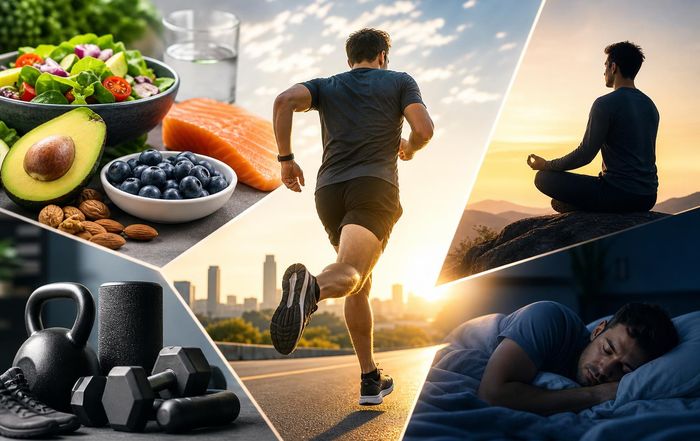
While the science and global trends are compelling, the impact of healthy habits ultimately depends on individual implementation, and the most effective performers-whether in sport, business, or creative industries-tend to think in terms of systems rather than isolated resolutions. A system of healthy habits integrates movement, sleep, nutrition, mental hygiene, and social connection into routines that align with personal goals, values, and constraints. Guidance from organizations such as NHS and Health Canada emphasizes the importance of small, sustainable changes over drastic, short-lived overhauls; readers can learn more about building sustainable healthy routines and review Canadian healthy living resources.
For the community around Sportsyncr, this systems approach resonates with the way athletes and teams design training cycles, recovery protocols, and tactical plans, and by viewing everyday life through a performance lens, individuals can adopt similar principles. This might mean scheduling regular movement breaks during long workdays, treating sleep as a non-negotiable meeting with oneself, planning nutrient-dense meals in advance of demanding weeks, or setting digital boundaries to protect focus and mental health. It also involves periodic review and adjustment, much like a coaching staff would analyze game footage and data to refine strategy.
Crucially, building a system of healthy habits is not about perfection but about reliability and self-awareness, and those who perform consistently at a high level tend to accept that setbacks, travel, stress, and unexpected events are inevitable. What distinguishes them is the ability to return quickly to their foundational routines, supported by environments, relationships, and tools that make the healthy choice the default rather than the exception. As Sportsyncr continues to cover developments across sports, fitness, health, business, and technology, this idea of health as performance infrastructure-rather than an afterthought-remains central.
The Future of Everyday Performance
Looking ahead from today, the trajectory is clear: as data, science, and lived experience converge, healthy habits will become even more deeply integrated into how societies, organizations, and individuals define success. Hybrid work models, aging populations, climate pressures, and rapid technological change will continue to test resilience and adaptability, and those who invest in robust physical, mental, and social foundations will be better positioned to navigate uncertainty. Institutions such as the World Health Organization, OECD, and leading universities will refine guidelines and frameworks, while innovators in sports tech, digital health, and performance coaching will translate these insights into tools and services that reach broader audiences.
For Sportsyncr, the mission is to remain a inspiring, authoritative bridge between cutting-edge knowledge and real-world application, serving a global fit and active readership that understands that performance is not confined to stadiums or trading floors but plays out in classrooms, studios, startups, and homes every day. By championing evidence-based healthy habits and highlighting stories of individuals, teams, and brands that embody sustainable excellence, Sportsyncr aims to help members not only follow the performance conversation but actively shape it in their own lives and communities.
In this evolving landscape, the message is both simple and profound: healthy habits are not a side project; they are the operating system that underpins every meaningful performance.