
Fashion Meets Sports: A Cultural Intersection

Last updated by Editorial team at SportSyncr.com on Wednesday 14 January 2026
Fashion Meets Sports A Cultural Intersection

Where Fashion Meets Sport: How Performance, Culture, and Commerce Now Share the Same Arena

The relationship between fashion and sport has, matured into one of the most influential cultural and commercial forces of the modern economy. What was once a peripheral overlap between two distinct sectors has become a fully integrated ecosystem in which performance, aesthetics, technology, and lifestyle are inseparable. Athletes are no longer simply competitors; they are style authorities, media properties, and business leaders. Fashion brands are no longer confined to runways and retail; they live in stadiums, locker rooms, esports arenas, and digital worlds. For the global audience of Sportsyncr, this convergence is not a passing trend but a structural shift that touches sport, health, fitness, culture, business, technology, employment, and even environmental strategy.

In this integrated landscape, the fashion-sport axis has become a powerful lens through which to understand how people express identity, how companies build brands, how cities and nations project soft power, and how consumers make choices about wellness and sustainability. From the NBA tunnel to the Premier League touchline, from Paris Fashion Week to virtual stadiums in leading games, the same language of performance and style now defines what it means to participate in contemporary culture.

From Functional Kit to Global Uniform: The Long Rise of Sports-Inspired Fashion

Sportswear originated as pure utility, designed to protect, support, and enhance the body in motion. In the early twentieth century, track suits, football boots, and tennis whites were strictly confined to training grounds and competitive arenas. Yet as leisure culture expanded in the post-war decades, and as urban youth cultures emerged in cities such as New York, London, and Berlin, athletic garments began to migrate into everyday wardrobes, quietly laying the foundations for what would later be termed athleisure.

The late twentieth century marked a decisive turning point. Brands such as Nike, Adidas, and Puma moved beyond equipment and into aspirational lifestyle positioning, supported by television, music videos, and the rise of global sports broadcasting. Signature sneaker lines, tracksuits, and logo-heavy apparel began to appear in music culture, on the streets, and in boardrooms. This period also saw the first major experiments by luxury houses such as Gucci and Prada, which began to borrow from the codes of sportswear-technical fabrics, bold logos, and relaxed silhouettes-to refresh their own aesthetics.

By the 2010s and 2020s, this evolution had accelerated into a full-scale redefinition of dress codes. Sneakers became legitimate business attire in tech hubs from San Francisco to Singapore; performance fabrics moved from the gym to the office; and collaborations between luxury designers and sports giants became headline events. Today, consumers in the United States, Europe, and across Asia frequently wear pieces that merge the DNA of high fashion with the functionality of training gear, signalling not only personal taste but also an affinity with active, health-conscious lifestyles. Readers exploring sports and culture on Sportsyncr see this shift reflected daily in coverage of leagues, teams, and style narratives that no longer sit in separate silos.

Athletes as Cultural Architects and Fashion Authorities

The transformation of athletes into fashion authorities has been central to this convergence. The blueprint was established by Michael Jordan and Nike with the launch of Air Jordan in the 1980s, which proved that a performance-driven athlete could anchor a global fashion franchise that transcends sport. In the decades since, this model has scaled across continents and disciplines, creating an era in which leading athletes are also founders, investors, and creative directors.

In basketball, LeBron James has extended his long-term partnership with Nike into a multi-layered platform that combines advanced performance products with storytelling around social justice, education, and community building. In football, Cristiano Ronaldo has built CR7 into a lifestyle brand that spans underwear, denim, fragrance, and footwear, reflecting the aspirational imagery of global glamour associated with his career in leagues across England, Spain, Italy, and now the Middle East. In tennis, Serena Williams has used her collaborations with Nike and her own Serena label to challenge conventions about body image, femininity, and race in both sport and fashion, while Naomi Osaka has leveraged partnerships with Louis Vuitton and other houses to combine luxury style with advocacy on mental health and social equity.

These figures command vast digital audiences on platforms like Instagram and TikTok, where tunnel walks, training fits, and off-duty looks travel instantly. Their influence is amplified by sports media and fashion journalism from outlets such as Vogue and GQ, turning each appearance into a teachable moment in global style. For Sportsyncr's readers, this dynamic underscores how expertise in sport now inherently includes understanding how athletes curate and manage their visual identity as a driver of both cultural relevance and commercial value.

The Business Engine Behind Fashion-Sport Partnerships

The commercial implications of this convergence are profound. Analyst reports from organizations such as McKinsey & Company and Deloitte have consistently highlighted sports-inspired fashion and athleisure as among the fastest-growing segments of the global apparel market, driven by younger consumers in North America, Europe, and Asia-Pacific. For companies featured in the business and brands sections of Sportsyncr, the fashion-sport interface is now a core strategic battleground.

The Jordan Brand remains one of the most powerful examples, with Nike treating it as a semi-autonomous entity that collaborates not only with basketball players but also with football clubs, musicians, and designers. Adidas has experimented with high-profile crossovers, from Y-3 with Yohji Yamamoto to the disruptive but commercially powerful Yeezy era. Louis Vuitton's partnership with the NBA, and Paris Saint-Germain's multi-year tie-up with Jordan Brand, demonstrate how luxury houses now view sports properties as gateways to younger, global audiences that may first encounter a brand through a football kit or a limited-edition sneaker rather than a traditional runway collection.

At the same time, the rise of direct-to-consumer models and digital-native brands has opened space for challengers focusing on specific niches: sustainable performance wear, size-inclusive activewear, women-led sportswear labels, and regionally rooted brands in markets such as Germany, Brazil, and South Africa. Investors track these developments closely through platforms like PitchBook and Crunchbase, recognizing that the next wave of growth may come from companies that are as fluent in data analytics and community building as they are in fabric technology and design. For Sportsyncr, covering these stories means connecting readers across business, jobs, and sponsorship to the new career paths and revenue models emerging at this intersection.

Fashion as Cultural Diplomacy and Social Narrative in Sport

Beyond revenue, the fashion-sport nexus has become a powerful vehicle for cultural diplomacy and social storytelling. National team kits, club jerseys, and even warm-up apparel now function as canvases for narratives about heritage, inclusion, and identity. During recent global tournaments, including the FIFA World Cup and the Olympic Games, federations and brands collaborated with local artists, historians, and cultural institutions to embed national symbols and traditional patterns into modern technical designs, turning uniforms into wearable narratives.

In Europe, clubs like Paris Saint-Germain, Ajax, and Juventus have embraced design-forward kits that appeal as much to fashion-conscious consumers in London or New York as to lifelong season-ticket holders. In Africa and South America, federations have worked with global brands to highlight indigenous textiles and motifs, bringing regional aesthetics to global attention and creating new export opportunities for local creative industries. In Asia, particularly in Japan and South Korea, the fusion of streetwear and sportswear has generated distinctive regional styles that influence global trends through platforms such as Hypebeast and Highsnobiety.

Fashion in sport has also become a medium for social impact. Pride-themed kits, anti-racism campaigns, and collections dedicated to mental health awareness demonstrate how apparel can carry messages that go far beyond team allegiance. For readers engaging with Sportsyncr's social and world sections, these developments highlight fashion's role in shaping conversations around equality, representation, and belonging in stadiums and on streets across continents.

Health, Wellness, and the Athleisure Lifestyle

The global embrace of athleisure is inseparable from a broader shift toward health and wellness that accelerated during and after the COVID-19 pandemic and has continued through 2026. As people across the United States, Europe, and Asia re-evaluated their daily routines, clothing that could move seamlessly from home to gym to office became a practical necessity and a symbol of an active, self-caring lifestyle. This change is reflected in data from organizations such as the World Health Organization and OECD, which track rising participation in recreational sport and fitness activities.

For Sportsyncr's audience exploring health and fitness, athleisure is not merely a style choice; it is an enabler of behavior. Technical leggings, moisture-wicking tops, and supportive footwear encourage spontaneous movement, lunchtime runs, and post-work classes. Brands have responded by investing in research on ergonomics, biomechanics, and recovery, often partnering with universities and institutes such as MIT or Loughborough University, known for their expertise in sports science and engineering.

This wellness-driven approach is increasingly holistic. Consumers look for apparel that supports physical performance, mental comfort, and environmental responsibility. They expect transparency on materials and manufacturing, and they increasingly reward brands that align with their values. This convergence of health, ethics, and style is reshaping the product roadmaps of both long-established sportswear giants and emerging independent labels.

Technology as the Accelerator of the Fashion-Sport Revolution

Technology has been the decisive catalyst in amplifying and globalizing the fashion-sport intersection. The rise of mobile-first e-commerce and social platforms has turned every product launch into a potential worldwide event. Limited-edition sneaker drops, once local phenomena, now involve digital queues, online raffles, and real-time resale markets. Platforms like StockX and GOAT have professionalized sneaker resale, turning certain products into financial assets and making market data visible to both consumers and brands.

In design and production, advanced materials and digital tools are transforming what is possible. 3D knitting, additive manufacturing, and AI-assisted pattern design enable brands to create lighter, more durable, and more sustainable products with shorter development cycles. Research published by institutions such as ETH Zurich and Stanford University highlights innovations in smart textiles that can monitor vital signs, track movement, and adapt to environmental conditions, pointing toward a future in which performance wear is also a health-monitoring device.

The digital sphere has also opened new frontiers for fashion in sport through gaming and virtual environments. Collaborations between brands and titles such as Fortnite, FIFA, and NBA 2K allow fans to outfit their avatars with exclusive digital jerseys, boots, and accessories. These virtual goods often influence real-world demand, as players seek to own physical versions of the looks they use online. For Sportsyncr readers interested in technology and gaming, this feedback loop between digital and physical style is a critical area of innovation, with implications for licensing, sponsorship, and intellectual property.

Regional Dynamics: How Markets Around the World Shape the Trend

While the convergence of fashion and sport is global, its expression varies by region, shaped by local cultures, economic conditions, and sporting traditions. In North America, particularly in the United States and Canada, basketball, American football, and baseball underpin a robust sneaker and streetwear culture, with the NBA functioning as a de facto fashion runway through pre-game tunnel walks and post-game press conferences. In Europe, football remains the dominant cultural and commercial force, with clubs in the United Kingdom, Germany, Spain, Italy, France, and the Netherlands using fashion collaborations to reach fans from Zurich to Johannesburg and from Stockholm to Melbourne.

In Asia, markets such as China, Japan, South Korea, Singapore, and Thailand are at the forefront of digital adoption and trend diffusion. Consumers in these regions are often early adopters of new silhouettes, technologies, and collaborations, and they play a significant role in determining which products achieve global status. In Australia and New Zealand, outdoor and surf cultures intersect with sportswear and fashion, influencing global trends in performance-oriented casual wear. In Africa and South America, including Brazil and South Africa, football culture blends with local music and street style to produce distinctive aesthetics that increasingly appear in global campaigns.

For Sportsyncr's news and world coverage, these regional nuances are essential. They show that while the fashion-sport intersection is a shared global phenomenon, it is not monolithic; it is a network of local scenes, each contributing its own creativity and perspective to a larger narrative.

Sustainability and Responsibility: Rebuilding the Playbook

As the fashion-sport ecosystem grows, it also faces mounting scrutiny over its environmental and social footprint. Traditional models of mass production and fast fashion are increasingly incompatible with global climate goals and shifting consumer expectations. Leading organizations such as the Ellen MacArthur Foundation and the United Nations Environment Programme have highlighted the apparel sector's role in resource use, waste, and emissions, prompting both sportswear and luxury brands to rethink their operations.

Companies like Patagonia, Adidas, and Allbirds have pioneered initiatives around recycled materials, circular design, and carbon accounting, while major event organizers work to reduce the environmental impact of uniforms, merchandise, and logistics. The use of recycled ocean plastics in football kits, biodegradable midsoles in running shoes, and take-back programs for worn-out gear are early examples of a more responsible approach. Regulatory developments in the European Union and growing investor focus on ESG performance, tracked by bodies such as MSCI, are accelerating this shift.

For Sportsyncr's readers in the environment and science communities, the fashion-sport intersection is a test case for how a high-visibility industry can transition toward more sustainable practices while maintaining performance and consumer appeal. The brands that succeed will be those that integrate sustainability into the core of their design and storytelling, rather than treating it as a marketing add-on.

Case Studies: Blueprint Collaborations That Redefined the Market

Several landmark collaborations illustrate how deeply the fusion of fashion and sport now shapes global consumer culture. The partnership between Michael Jordan and Nike remains the archetype, transforming a basketball shoe into a generational symbol that still drives demand in 2026. Serena Williams and Nike, supplemented by her own Serena label, demonstrate how a singular athlete can use apparel to advance conversations about empowerment, inclusion, and entrepreneurship. Cristiano Ronaldo's CR7 brand shows how a football icon can extend his influence into categories far beyond performance wear, while Naomi Osaka's work with Louis Vuitton and other labels illustrates how athletes can bring advocacy and authenticity into the luxury space.

At the team level, the alliance between Paris Saint-Germain and Jordan Brand has turned a football club into a global lifestyle property, with jerseys and capsules that sell in fashion boutiques from Paris to Seoul. Meanwhile, long-term partnerships between LeBron James and Nike continue to push innovation in both design and social impact, using campaigns and community initiatives to connect product launches with broader cultural themes. For Sportsyncr, these stories sit at the crossroads of sports, brands, business, and culture, demonstrating how a single collaboration can reverberate through multiple sectors.

Looking Ahead: A Unified Arena for Performance, Identity, and Innovation

By 2026, the convergence of fashion and sport is no longer an emerging trend; it is an established reality that will continue to evolve through new technologies, shifting cultural values, and changing expectations around health and sustainability. Personalization will become more sophisticated, with data-driven insights informing everything from fit and function to color and storytelling. Digital and physical experiences will increasingly intertwine, as consumers move fluidly between stadiums, streets, and virtual worlds, expecting their identities and allegiances to be recognized and reflected across all three.

For the global community that turns to Sportsyncr for insight, this intersection represents a long-term narrative rather than a short-lived fashion moment. It touches the way people train, work, travel, and socialize; it shapes the strategies of brands, leagues, and investors; and it influences how cities and nations present themselves on the world stage. Most importantly, it underscores a simple but powerful truth: what people wear when they play, watch, and support sport is now one of the clearest expressions of who they are, what they value, and how they see their place in a connected, performance-driven world.

United Kingdom's Boutique Fitness Boom: Unpacking the Rise of Niche Exercise Brands

Last updated by Editorial team at SportSyncr.com on Tuesday 13 January 2026
UKs Boutique Fitness Boom Unpacking the Rise of Niche Exercise Brands

Inside the UK's Boutique Fitness Boom: How Niche Studios Redefined Health, Business, and Culture by 2026

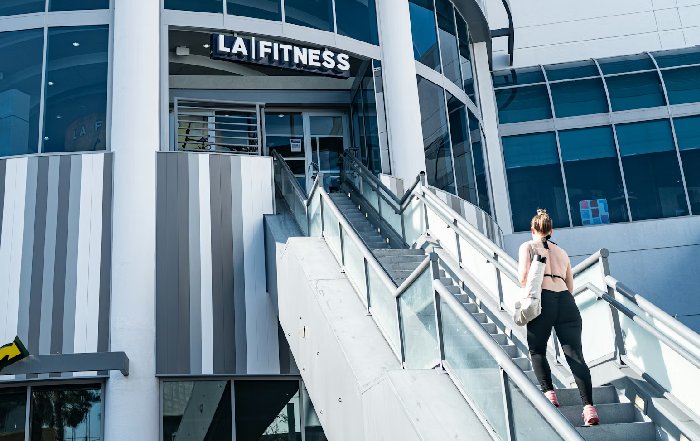
The United Kingdom's fitness landscape in 2026 looks markedly different from the one dominated by cavernous gyms, long-term contracts, and rows of identical treadmills. Over the past decade, a powerful shift toward boutique fitness has reshaped how people in the UK think about exercise, wellness, and community. What began as a premium, urban niche has matured into a mainstream pillar of the country's health ecosystem, influencing everything from real estate and employment to technology adoption and sustainability expectations.

For sportsyncr.com, this transition is more than a market trend to be observed from a distance. It is a living narrative that intersects with the platform's core focus areas-sports, health, fitness, business, culture, and technology-and it reflects the evolving expectations of readers across the United Kingdom, Europe, North America, and key markets in Asia-Pacific and beyond.

This article examines how boutique studios in the UK moved from novelty to necessity, why they resonate so strongly with modern consumers, how they have altered the economics of fitness, and what their trajectory suggests for the global sports and wellness industry in the years ahead.

From Big-Box Gyms to Boutique Studios: A New Fitness Era

To understand the rise of boutique fitness, it is necessary to trace the broader evolution of UK fitness culture. Post-war Britain saw physical education and community sports clubs as the backbone of public health, with local football, rugby, and athletics clubs embedded in everyday life. By the 1980s and 1990s, the commercial gym boom arrived, led by brands such as Fitness First and David Lloyd Clubs, which capitalized on growing interest in structured exercise and indoor facilities. The 2000s then brought budget gym chains like PureGym, whose low-cost, high-volume model dramatically expanded access to fitness across the country.

Boutique studios emerged as the fourth major wave in this progression. Rather than offering a broad but shallow range of equipment and services, they focused on depth: cycling, boxing, barre, pilates, HIIT, yoga, strength training, and hybrid formats delivered in small-group, high-touch environments. Studios such as Barry's UK, 1Rebel, Psycle London, Frame, and Digme Fitness reimagined the gym as a curated experience, combining design, sound, lighting, and hospitality to create something closer to a premium hospitality or retail environment than a traditional sports club.

By 2025-2026, this model had become firmly entrenched in major UK cities and was increasingly spreading into regional hubs. The movement has been reinforced by a wider cultural shift toward holistic wellness, where consumers view exercise not simply as physical training but as part of a broader lifestyle encompassing mental health, nutrition, social connection, and personal identity. Readers seeking to understand this wider convergence can explore how health and wellness trends intersect with culture and sport on sportsyncr.com.

Why Boutique Fitness Captures the Modern Consumer

Personalization, Identity, and Experience

The success of boutique fitness is rooted in its ability to deliver highly personalized and emotionally resonant experiences. Unlike large gyms, where members often feel anonymous and unsupported, boutique studios build intimacy into their business model through smaller classes, named instructors, and deliberate community-building. Participants are recognized, coached, and encouraged in ways that feel tailored rather than transactional, and the programming itself is carefully choreographed to deliver a consistent, recognizable "feel" that becomes part of the brand's identity.

This personalization extends beyond the workout. Many studios integrate nutrition advice, recovery protocols, and mental wellness elements such as breathwork or mindfulness, responding to consumer demand for more integrated approaches to health. In a culture where lifestyle choices increasingly serve as expressions of personal values, boutique fitness becomes a visible and social marker of identity-aligned with themes such as self-improvement, balance, and performance. Those interested in how this identity-building intersects with broader cultural narratives can learn more about how culture shapes sports and fitness.

Community and Belonging in a Fragmented World

Boutique studios have also distinguished themselves by building strong, recognizable communities. Whether it is the shared intensity of a Barry's "Red Room" class, the music-driven camaraderie at 1Rebel, or the inclusive, playful environment at Frame, these spaces are intentionally designed to foster social bonds. Instructors often act as community leaders as much as coaches, and regular attendees form social circles that extend beyond the studio.

In an era where many social interactions are mediated through digital platforms, in-person communities anchored around shared physical experiences carry particular weight. The studios' social media strategies amplify this effect, as participants share class photos, personal milestones, and branded content on platforms such as Instagram and TikTok, reinforcing both personal and brand identities. This interplay between offline experience and online visibility has been instrumental in driving organic growth across the UK and beyond.

The Economics of Boutique Fitness: Premium, Focused, and Diversified

Boutique fitness has not only changed how people train; it has also disrupted the economics of the fitness industry. Traditional gyms typically rely on low-to-mid-priced monthly memberships and economies of scale, with a significant proportion of members under-utilizing their subscriptions. Boutique studios invert this logic by charging premium prices for individual classes or class packs, supported by a clear value proposition: expert instruction, high-quality environments, and a strong sense of community.

Class prices in key UK markets commonly range from £15 to £30, with unlimited or semi-unlimited memberships at significantly higher monthly rates than most budget gyms. Although this positions boutique fitness as a discretionary, premium purchase, consumers have demonstrated sustained willingness to pay when the perceived value is high and the experience is consistent. Research from organizations such as IBISWorld and Statista has consistently highlighted the outsized growth of the boutique segment relative to traditional gyms in the years leading up to 2025, mirroring similar patterns seen in the United States, where brands like SoulCycle, Orangetheory Fitness, and F45 Training became cultural fixtures.

Beyond class revenue, boutiques have diversified into merchandise, branded apparel, nutrition products, and ancillary services such as massage, physiotherapy, and wellness events. Some operators have also launched digital subscription platforms, capitalizing on the hybrid habits formed during the COVID-19 pandemic. This mix of physical and digital offerings allows studios to reach customers across geographies and time zones, making them less vulnerable to local disruptions and enabling greater scalability. For readers interested in the commercial dynamics behind this evolution, it is useful to explore business trends across the sports and fitness sector.

Technology as the Spine of the Modern Studio

The integration of technology into boutique fitness has moved far beyond simple booking apps. Studios increasingly rely on end-to-end digital ecosystems that manage customer acquisition, retention, engagement, and performance tracking. Wearables, such as Myzone heart rate monitors and devices from Garmin or Apple, are frequently integrated into classes, providing real-time feedback and gamified leaderboards that enhance motivation and accountability.

Post-2020, hybrid and digital-first models have become standard rather than experimental. Many UK studios now offer live-streamed and on-demand classes via proprietary platforms or partnerships with providers like Mindbody or ClassPass, enabling participants to maintain continuity when traveling or working remotely. This approach mirrors broader shifts in the sports technology landscape, where data, connectivity, and personalization are reshaping how fans and participants engage with physical activity. Those who want to go deeper into this intersection can learn more about how technology is transforming the sports industry.

Marketing has been transformed by technology as well. Studios use data analytics to segment their audiences, refine pricing, and personalize communication, while social platforms serve as powerful acquisition channels. Influencer partnerships, user-generated content, and targeted digital advertising allow boutique brands to reach specific demographic niches in the UK, Europe, North America, and Asia with remarkable precision.

Employment, Careers, and the Professionalization of Instructors

The boutique boom has had a pronounced impact on employment patterns within the UK fitness industry. Instructors at leading studios are no longer seen as interchangeable staff members but as central assets who shape brand perception and customer loyalty. They are often recruited for both technical expertise and on-stage presence, blending coaching skills with performance, communication, and social media fluency.

This has led to a new kind of fitness professional-part trainer, part content creator, part community manager. High-profile instructors at studios such as Barry's UK, 1Rebel, or Psycle London often build personal followings that rival or exceed those of the studios themselves, creating opportunities for personal brand monetization through online programs, partnerships, and events. This dynamic also raises strategic questions for operators about talent retention, compensation structures, and intellectual property.

Beyond front-of-house roles, boutique fitness has created demand for specialized positions in operations, digital marketing, product development, data analysis, and retail. As studios expand across cities and sometimes across borders, the need for scalable management and robust corporate structures has grown, bringing more traditional business disciplines into what was once a fragmented, informal sector. Readers considering careers in this evolving ecosystem can discover more about jobs and opportunities across global sports and wellness.

Sustainability and Ethical Positioning as Strategic Imperatives

As consumers in the UK and globally have become more environmentally conscious, sustainability has shifted from a peripheral concern to a core differentiator for boutique studios. Operators are increasingly expected to demonstrate responsible practices across energy use, materials, supply chains, and community impact.

Studios such as Frame and Digme Fitness have made visible commitments to eco-conscious operations, from using low-energy lighting and recycled materials in construction to partnering with ethical apparel and nutrition brands. Many boutiques now encourage reusable water bottles, reduce single-use plastics, and explore carbon offset initiatives, aligning their brand narratives with broader environmental goals.

These efforts resonate strongly with younger demographics in markets such as the United Kingdom, Germany, the Netherlands, the Nordic countries, and parts of Asia-Pacific, where sustainability is closely tied to brand trust. They also intersect with the growing focus on environmental, social, and governance (ESG) criteria in corporate strategy and investment. Those interested in the environmental dimension of sports and fitness can read more about sustainability and the environment in sport.

The UK in a Global Context: A Boutique Fitness Testbed

While the United States is often credited with pioneering the boutique model, the UK has emerged as one of the most dynamic and influential markets in the world. London, in particular, functions as a testbed where international concepts are refined and UK-born brands prove their scalability.

In continental Europe, markets such as Germany, France, Spain, and the Netherlands have seen steady growth in boutique concepts, though each reflects local cultural nuances. German consumers gravitate toward performance and data-driven offerings, while French and Spanish studios often emphasize lifestyle, aesthetics, and social experience. In the Asia-Pacific region, cities like Singapore, Tokyo, Seoul, and Bangkok have embraced boutique fitness as part of a broader urban lifestyle shift, frequently combining high-end design with advanced technology and hospitality.

The UK's role in this global ecosystem is twofold: it imports successful models from abroad and adapts them to local preferences, while also exporting homegrown brands and operational know-how to Europe, the Middle East, and beyond. For readers tracking how these developments play out across continents, sportsyncr.com provides ongoing world and global sports coverage that situates the UK's experience within a broader international narrative.

Consumer Demographics and Behaviour in 2026

By 2026, the typical boutique fitness consumer in the UK remains an urban or suburban professional between 25 and 45 years old with above-average disposable income, but the profile has broadened significantly. Students, young parents, and older adults are increasingly visible in classes, driven by diversified offerings that range from high-intensity formats to lower-impact, mobility-focused or recovery-oriented sessions.

Women still account for a substantial majority of boutique participants, particularly in disciplines such as barre, pilates, and dance-based formats, but male participation has risen steadily, especially in strength, conditioning, and performance-focused studios. The gender gap is narrowing as studios adopt more inclusive branding, language, and imagery, and as societal attitudes toward men's participation in group fitness continue to evolve.

Consumers in 2026 are also more data-literate and expectation-driven. They compare studios not only on price and location but on instructor quality, technological integration, environmental policies, and perceived authenticity. Many maintain memberships or class packs at multiple studios, creating a "portfolio" of fitness experiences that cover different goals and moods-strength at one brand, cycling at another, yoga at a third. This multi-brand behaviour has implications for loyalty strategies and cross-partnerships within the sector.

Challenges and Pressures on the Boutique Model

Despite its impressive growth, the boutique fitness sector in the UK faces a series of structural and cyclical challenges. High operating costs, especially in prime urban locations, continue to compress margins. Studio fit-outs, premium equipment, and top-tier instructors all require substantial upfront and ongoing investment, making the model sensitive to fluctuations in demand and macroeconomic conditions.

Price sensitivity is another concern. While a segment of the population is willing to pay premium rates, inflationary pressures and cost-of-living concerns in the mid-2020s have forced many consumers to reassess discretionary spending. This environment has encouraged some studios to introduce more flexible pricing, off-peak discounts, or digital-only options, but it has also led to consolidation and closures among less differentiated operators.

Competition from digital platforms is intensifying as well. Services such as Peloton, Apple Fitness+, and Les Mills+ offer high-quality, at-home experiences at relatively low monthly costs, appealing to time-pressed individuals and those outside major cities. While many boutique brands have launched their own digital offerings, they must continually justify the premium of in-person attendance by delivering irreplaceable elements of community, coaching, and environment.

Finally, sustainability and social responsibility are no longer optional. Consumers, regulators, and potential investors are increasingly scrutinizing how studios treat staff, engage with local communities, and manage their environmental footprint. Those that fail to address these expectations risk reputational damage and long-term decline.

Strategic Directions: Where the UK Boutique Sector Is Heading

Looking beyond 2026, several strategic directions appear likely to shape the next phase of boutique fitness in the UK and beyond. Studios are moving toward integrated wellness ecosystems that combine physical training with mental health support, nutrition services, sleep and stress management, and recovery modalities such as infrared saunas, cryotherapy, and physiotherapy partnerships. This holistic approach positions boutiques not just as places to exercise, but as hubs for comprehensive well-being.

Technology will continue to deepen its role, with greater use of artificial intelligence for personalized programming, dynamic pricing, and predictive retention analytics. Biometric data from wearables, smart equipment, and possibly even lab-based testing will allow studios to offer more precise, evidence-based training plans, aligning with advances reported by organizations such as the World Health Organization and NHS in preventive health and physical activity guidelines. Those interested in the scientific underpinnings of these developments can explore broader science and performance themes in sport.

Corporate wellness partnerships are likely to expand as employers in the UK, Europe, North America, and Asia recognize the link between employee well-being, productivity, and retention. Boutique studios are well-positioned to offer tailored programs, on-site or near-site classes, and digital access bundles, embedding themselves into the daily routines of knowledge workers and frontline staff alike.

At the same time, the sector will need to address inclusivity and accessibility more directly. This may involve tiered pricing models, community initiatives, collaborations with public health bodies, and geographic expansion into underserved areas. As the industry matures, success will depend not only on aesthetic appeal and brand strength but on demonstrable contributions to public health outcomes and social cohesion.

The Role of Sportsyncr in a Converging Ecosystem

As boutique fitness continues to evolve, sportsyncr.com is positioned at the intersection of the themes that define this movement: performance, health, culture, business, technology, environment, and social impact. The platform's coverage of fitness and training, global sports business, cultural trends, and breaking news across sport and wellness enables decision-makers, practitioners, and enthusiasts to understand how these domains converge in real time.

For brands, investors, and policymakers, the UK boutique fitness story offers lessons in consumer-centric design, digital transformation, and values-based positioning. For individuals across the United Kingdom, Europe, North America, Asia, Africa, and South America, it demonstrates how thoughtfully designed physical spaces and communities can support healthier, more connected lives in an increasingly complex world.

As the sector moves into its next chapter, the core principles that propelled its rise-experience, expertise, authoritativeness, and trustworthiness-will remain decisive. Studios that combine rigorous training standards with authentic community, transparent business practices, and responsible environmental and social strategies will be best placed to thrive.

In that sense, the UK's boutique fitness boom is not merely a trend within the fitness industry; it is a case study in how modern consumers reward organizations that align performance, purpose, and experience. And for the audience of sportsyncr.com, it is a powerful illustration of how sport and movement continue to redefine what it means to live well in the twenty-first century.

The Surge in Demand for Sports Data Analysts: Transforming the Landscape of Athletics

Last updated by Editorial team at SportSyncr.com on Tuesday 13 January 2026
The Surge in Demand for Sports Data Analysts Transforming the Landscape of Athletics

The Rise of Sports Data Analysts: How Data is Rewriting the Global Game in 2026

The global sports industry in 2026 operates on a foundation of data in a way that would have been almost unimaginable even a decade ago. From elite clubs in the English Premier League and the NBA to emerging esports franchises and grassroots academies in Africa, performance, strategy, fan engagement, and commercial operations are increasingly shaped by the work of sports data analysts. For Sportsyncr and its audience, this shift is not an abstract trend but a lived reality that connects sport, business, technology, health, and culture across continents, redefining what it means to compete and to win.

Sports data analysts now sit at the intersection of competition and commerce, blending statistical expertise, domain knowledge, and technological fluency to support decisions that impact everything from player recruitment and injury prevention to sponsorship valuations and global media rights negotiations. As organizations in North America, Europe, Asia, Africa, and South America race to professionalize their data capabilities, the role has moved from a niche support function to a central pillar of strategy, reflecting a broader movement toward evidence-based management across the sports ecosystem.

Sportsyncr's coverage of sports business and analytics mirrors this evolution, highlighting how data literacy has become a competitive advantage for leagues, clubs, brands, and investors who must navigate an increasingly complex, globalized marketplace.

From Box Scores to Machine Learning: The Evolution of Sports Analytics

The modern era of sports analytics did not begin with artificial intelligence but with simple counting and record-keeping. Early scorecards in cricket, baseball, and football laid the groundwork for structured analysis, while the codification of statistics in the twentieth century gave coaches and executives new tools to compare players and evaluate performance. Yet the real inflection point came when data began to challenge long-held assumptions, most famously in American baseball through sabermetrics, championed by pioneers associated with the Society for American Baseball Research (SABR) and popularized by the story of the Oakland Athletics.

The "Moneyball" era, later amplified by the book and film of the same name, demonstrated that undervalued metrics and rigorous statistical modeling could unlock competitive advantage even in financially constrained environments. This narrative resonated far beyond Major League Baseball, inspiring clubs in other sports to question intuition-driven decision-making and to seek similar inefficiencies. As organizations such as Liverpool FC, Manchester City, and FC Midtjylland embraced analytics, European football began to integrate tracking data, expected goals models, and biomechanical analysis into its daily operations, setting a template that has since spread globally.

Parallel developments in basketball, driven by the Houston Rockets and analytical communities around the MIT Sloan Sports Analytics Conference, brought concepts such as shot efficiency, spacing, and lineup optimization into mainstream coaching discourse. Resources like Basketball-Reference and FanGraphs normalized advanced metrics for fans and professionals alike, while the rise of public analytics communities on platforms like FiveThirtyEight accelerated the cultural shift toward data-informed debate.

Today, as Sportsyncr's global sports coverage reflects, analytics is no longer a disruptive novelty but an expected component of professional operations, with the most sophisticated organizations treating data science as a core strategic asset rather than a support service.

Technology as the Engine of the Data-Driven Sports Era

The decisive transformation of sports analytics in the 2020s has been powered by an unprecedented convergence of technologies that enable richer data collection, faster processing, and more intuitive visualization. High-frequency optical tracking systems from providers such as Second Spectrum and Hawk-Eye Innovations capture every movement of players and the ball in sports ranging from football and basketball to tennis and cricket, generating millions of data points per match. Wearable devices from companies like Catapult Sports and Whoop monitor workload, heart rate variability, and sleep quality, while GPS and inertial sensors quantify acceleration, deceleration, and impact forces.

These data streams are processed on cloud infrastructure from Amazon Web Services, Microsoft Azure, and Google Cloud, where scalable computing and storage allow clubs, leagues, and technology vendors to run complex models in near real time. Organizations increasingly deploy machine learning pipelines that ingest raw tracking and biometric data, combine them with contextual variables, and surface actionable insights for coaches, medical staff, and commercial teams through dashboards built with platforms like Tableau or Power BI. Those seeking to understand the broader role of cloud and AI in sport can explore resources from Microsoft's sports innovation initiatives and AWS Sports.

At the same time, video analysis platforms such as Hudl and Wyscout have become indispensable to scouting and coaching, synchronizing event data with video clips to enable rapid, detailed review of tactical patterns, individual decision-making, and technical execution. Computer vision models now automatically tag actions, classify formations, and even estimate physical metrics from broadcast footage, lowering barriers to entry for clubs that cannot afford full tracking infrastructure.

For Sportsyncr, which covers the intersection of technology and sport, the key theme is that the sports data analyst's toolkit in 2026 is both more powerful and more accessible than ever before, enabling a much wider range of organizations-from elite clubs in Germany and the United Kingdom to emerging leagues in Brazil, South Africa, and Southeast Asia-to participate in the data revolution.

Data as a Strategic Business Asset

The commercial side of sport has been transformed just as profoundly as on-field performance. Major broadcasters such as ESPN, Sky Sports, and DAZN now integrate advanced analytics into live coverage, using real-time win probability models, shot maps, and player tracking visualizations to deepen viewer understanding and engagement. Partnerships with data specialists like Opta (part of Stats Perform) and Genius Sports supply the raw material for these experiences, while second-screen and streaming platforms personalize content based on viewing behavior and engagement patterns. Those interested in how data enriches sports broadcasting can explore developments through Sky Sports' innovation coverage and ESPN's analytics features.

Sports betting operators, particularly in regulated markets across Europe, North America, and parts of Asia, rely heavily on live data feeds and predictive models to price in-play markets, manage risk, and detect suspicious activity. Integrity units within leagues and federations work with data providers to monitor betting patterns, reinforcing the link between analytics, regulation, and trust. Sponsors and brands, meanwhile, use media valuation models and digital engagement analytics to quantify the return on investment from jersey sponsorships, perimeter advertising, and influencer partnerships, shifting negotiations from impressions and gut feel to rigorous, data-backed assessments.

Leagues such as the National Basketball Association (NBA), Premier League, and Bundesliga have built sophisticated business intelligence teams that combine ticketing, merchandising, digital engagement, and broadcast data into unified views of the fan lifecycle. This enables targeted marketing, dynamic pricing, and personalized experiences that reflect broader trends in customer data platforms across industries, as documented by organizations such as Deloitte's Sports Business Group and PwC's Sports Survey.

For readers of Sportsyncr's business section, the crucial insight is that sports data analysts are no longer confined to performance departments; they are also essential to revenue optimization, sponsorship strategy, and global expansion planning, making their work central to the long-term sustainability of clubs and leagues in markets from the United States and Canada to Singapore, the Netherlands, and the United Arab Emirates.

Regional Adoption: A Global yet Uneven Landscape

The global demand for sports data analysts is broad-based but uneven, reflecting differences in infrastructure, investment, and sporting culture across regions. In the United States, the NBA, NFL, MLB, and NHL have institutionalized analytics across front offices, with franchises such as the Golden State Warriors, Baltimore Ravens, and Los Angeles Dodgers known for their heavy investment in data science. American universities have followed suit, with programs at institutions like Carnegie Mellon University, Columbia University, and Arizona State University offering specialized tracks in sports analytics and applied data science, while conferences and communities documented by organizations such as the MIT Sloan Sports Analytics Conference continue to shape industry thinking.

In Europe, football remains the primary driver. Clubs in the Premier League, La Liga, Bundesliga, and Serie A employ multi-disciplinary teams of analysts, sports scientists, and data engineers who support recruitment, tactical preparation, and long-term squad planning. Countries such as Germany, the United Kingdom, Spain, and the Netherlands have cultivated strong ecosystems of analytics providers and academic partners, supported in part by research highlighted by institutions like the CIES Football Observatory and regional sports science centers.

Asia presents a more varied picture. Japan and South Korea have combined strong domestic leagues with a culture of technological innovation, leading to sophisticated use of tracking and biometric data in football, baseball, and Olympic sports. Singapore has positioned itself as a regional hub for sports technology and innovation, with government-backed initiatives and accelerators that encourage collaboration between startups, federations, and investors, documented by organizations such as Sport Singapore. China's ambitions in football and basketball have driven investment in infrastructure and data systems, although regulatory and geopolitical factors continue to shape the pace and direction of development.

In Australia and New Zealand, analytics is embedded not only in professional leagues such as the A-League, NRL, and AFL, but also in national high-performance programs overseen by organizations like the Australian Institute of Sport, integrating data into talent pathways and Olympic preparation. Canada has seen similar growth across ice hockey, soccer, and basketball, supported by partnerships between clubs, universities, and technology companies.

Africa and South America, while facing structural and financial constraints, are experiencing rapid growth in targeted areas. Football academies in countries such as Brazil, Argentina, Nigeria, and Senegal are increasingly using low-cost tracking, video analysis, and recruitment databases to identify and develop talent for global markets, often in partnership with European clubs and agencies. As Sportsyncr's world coverage emphasizes, the next wave of innovation may come from models that adapt advanced analytics to resource-constrained environments, leveraging mobile technologies and open-source tools to democratize access.

AI, Predictive Analytics, and the New Competitive Frontier

Artificial intelligence sits at the heart of the next phase of sports analytics. Predictive models now estimate not only the probability of a team winning a match but also the expected contribution of individual actions to that outcome, enabling more granular evaluation of players and strategies. In football, expected goals (xG) and related metrics have evolved into sophisticated frameworks that account for defensive pressure, shot trajectory, and game state, while in basketball, possession-level models capture the value of spacing, off-ball movement, and lineup combinations in ways that traditional box scores cannot.

Teams in the NBA, English Premier League, and Major League Baseball employ machine learning models that simulate thousands of game scenarios, inform substitution patterns, and optimize training loads over congested schedules. AI tools built on computer vision analyze video at scale, identifying recurring tactical patterns, weaknesses in set-piece defense, or exploitable matchups, often in conjunction with platforms and methodologies described by organizations such as StatsBomb and Boardroom's sports tech coverage.

Beyond competition, AI is deeply embedded in sports betting, fantasy sports, and fan engagement. Companies like Genius Sports and Sportradar use real-time data ingestion and modeling to power betting markets and integrity monitoring, while media platforms deploy recommendation engines to personalize highlights, statistics, and commentary. For a deeper exploration of how science and data intersect in sport, readers can refer to Sportsyncr's science coverage.

Health, Safety, and Human Performance in a Data-Rich Era

One of the most compelling justifications for the expansion of sports analytics is its impact on athlete health, safety, and longevity. With player salaries and transfer fees reaching unprecedented levels in leagues across Europe, North America, and Asia, protecting human capital has become both an ethical imperative and a business necessity. Wearable sensors, force plates, and motion capture systems measure load, asymmetry, and neuromuscular fatigue, allowing medical and performance teams to detect early warning signs of overuse injuries.

Organizations such as FIFA, the International Olympic Committee (IOC), and national institutes of sport fund research that integrates biomechanics, physiology, and data science, much of which is summarized in resources like the British Journal of Sports Medicine and the American College of Sports Medicine. These insights underpin individualized training plans, return-to-play protocols, and recovery strategies that are now standard in elite environments.

Mental health has also moved to the forefront, with analytics beginning to incorporate wellness indicators such as sleep, self-reported mood, and cognitive testing. While such data must be handled with particular care, organizations increasingly recognize that sustainable high performance depends on holistic health. For Sportsyncr, which bridges health and fitness coverage, this reflects a broader societal trend in which data-enabled self-knowledge is reshaping how both athletes and everyday participants approach training, recovery, and long-term well-being.

Careers in Sports Data: A Global Talent Market

The professional landscape for sports data analysts in 2026 is markedly more mature and diverse than it was even five years earlier. Roles now span performance analysis, recruitment analytics, sports science, business intelligence, fan engagement, betting risk management, and product development for technology vendors. Job titles range from "Head of Data and Insights" at major clubs to "Sports Quantitative Analyst" at betting operators and "Product Data Scientist" at wearable and tracking companies.

Universities in the United States, United Kingdom, Germany, Australia, and Canada offer specialized degrees and certificates in sports analytics, applied statistics, and sport management with a data focus. Online learning platforms and open communities further lower barriers to entry, allowing aspiring analysts from countries such as India, Brazil, South Africa, and Malaysia to build portfolios using public datasets and tools like Python, R, and SQL. Initiatives from organizations such as Coursera and edX have broadened access to foundational skills, while industry events and hackathons continue to connect talent with employers.

For readers considering a career pivot or entry into the field, Sportsyncr's jobs section reflects the breadth of opportunities now available, spanning clubs, leagues, media, gaming, and sponsorship. The common thread across these roles is the need to combine technical competence with domain understanding and the ability to communicate insights effectively to coaches, executives, and athletes.

Ethics, Governance, and the Trust Imperative

As data becomes more pervasive, questions of ethics, privacy, and governance have moved from the margins to the center of industry debate. Athlete biometric data is inherently sensitive, raising concerns about who owns it, how it is stored, and under what conditions it can be shared or commercialized. Player unions and advocacy bodies such as the World Players Association and national players' associations in the United States, Europe, and Australia have begun to negotiate specific clauses on data usage in collective bargaining agreements, drawing on guidance from regulators like the European Data Protection Board and frameworks such as the EU's GDPR.

Youth sport presents a particularly delicate challenge. While early exposure to structured feedback and individualized training can accelerate development, excessive monitoring and performance labeling at a young age risk undermining intrinsic motivation and mental health. Ethical guidelines from organizations such as UNESCO's sports ethics initiatives and child welfare groups increasingly inform best practices, emphasizing proportionality, consent, and the right to disconnect.

There is also a philosophical dimension: sport's appeal lies partly in its unpredictability and humanity. Overreliance on algorithms can lead to homogenized tactics, undervaluation of intangible qualities such as leadership and resilience, and marginalization of athletes who do not fit historical data patterns. Maintaining a healthy balance between quantitative analysis and human judgment is therefore essential, a theme that resonates strongly with Sportsyncr's culture coverage, which often explores the values and narratives that make sport meaningful.

Looking Ahead to 2030: Immersive, Intelligent, and Sustainable Sport

By 2030, the sports data analyst's role is likely to be even more integrated into every facet of the industry. Emerging technologies such as augmented reality (AR) and virtual reality (VR) will enable training environments in which athletes can rehearse scenarios against AI-generated opposition, receiving instantaneous, data-driven feedback on positioning, decision-making, and technique. Smart stadiums equipped with sensor networks and edge computing will merge real-time performance data with fan behavior analytics to create hyper-personalized, interactive matchday experiences.

Blockchain and decentralized identity systems may reshape how athlete data is stored, shared, and monetized, giving players greater control over their information and enabling new business models for licensing and fan engagement, including tokenized performance metrics and verified digital collectibles. Climate change will introduce new variables into scheduling, venue design, and training methodologies, prompting analysts to collaborate with environmental scientists and urban planners to understand how heat, air quality, and extreme weather affect performance and safety. Those interested in the intersection of sport and sustainability can explore related themes in Sportsyncr's environment section and external resources such as the UN Sports for Climate Action Framework.

Esports and gaming, already heavily data-driven, will continue to blur the line between player and spectator, with real-time analytics, biometric feedback, and AI coaching tools integrated into platforms and competitions worldwide. This evolution underscores the breadth of the sports data analyst's influence, extending beyond traditional fields and courts into digital arenas and hybrid experiences, a trend regularly highlighted in Sportsyncr's gaming coverage.

Data at the Core of the Sportsyncr Era

The ascent of sports data analysts encapsulates a deeper transformation in how the global sports industry understands itself. Performance is no longer assessed solely through goals, points, or medals but through multidimensional metrics that capture contribution, context, and sustainability. Business success is evaluated not just in headline revenues but in lifetime fan value, engagement quality, and long-term brand equity. Health is reframed as an ongoing, data-informed process rather than a binary state of injured or fit.

For Sportsyncr, which sits at the crossroads of sport, business, technology, culture, and society, this transformation is both subject and lens. Coverage across sports, business, technology, science, and world topics reflects a conviction that understanding modern sport requires understanding the data that underpins it.

As organizations in the United States, United Kingdom, Germany, Canada, Australia, France, Italy, Spain, the Netherlands, Switzerland, China, Sweden, Norway, Singapore, Denmark, South Korea, Japan, Thailand, Finland, South Africa, Brazil, Malaysia, New Zealand and beyond continue to invest in analytics capabilities, the sports data analyst will remain one of the defining professions of this decade. Their work will not replace the drama, emotion, and unpredictability that draw people to sport, but it will increasingly shape how that drama is prepared, presented, and preserved for future generations.

In this data-powered ecosystem, the most successful organizations will be those that combine analytical rigor with ethical responsibility, technological sophistication with human understanding, and global ambition with local relevance. The rise of sports data analysts is not just a story about numbers; it is a story about how sport itself is being reimagined for a connected, intelligent, and globally engaged world.

Inside the Business of Athlete Endorsement Deals

Last updated by Editorial team at SportSyncr.com on Tuesday 13 January 2026
Inside the Business of Athlete Endorsement Deals

Athlete Endorsements in 2026: How Influence, Data, and Values Are Redefining the Business of Sports

Athlete endorsement deals in 2026 sit at the center of a rapidly evolving nexus between sports, business, culture, and technology, and nowhere is this transformation more closely examined than on sportsyncr.com, where global audiences look for insight into how athletic performance translates into commercial power and cultural impact. The endorsement market has matured into a sophisticated, data-driven ecosystem in which athletes function not only as performers and public figures but also as media brands, equity partners, and storytellers whose reputations carry significant weight across industries ranging from apparel and technology to health, fitness, and gaming.

For decision-makers in marketing, finance, and strategy, the endorsement conversation has shifted from simple logo placement to complex questions of authenticity, long-term brand equity, and alignment with social and environmental values. In this environment, athlete deals are negotiated with the same rigor as major corporate transactions, reflecting the heightened expectations of consumers in the United States, Europe, Asia, Africa, and the wider global marketplace.

From Product Pitchmen to Global Brand Architects

The evolution of athlete endorsements over the last century reveals how deeply commercial sport has become embedded in global culture. Early examples, such as Babe Ruth endorsing bats and tobacco products, hinted at the aspirational pull of elite athletes, but the modern template was crystallized by Michael Jordan's landmark partnership with Nike, which transformed a single basketball star into a global brand architecture that continues to generate billions of dollars. Interested readers can explore how this dynamic links to broader sports business trends on sportsyncr.com/sports.html.

By the late 20th century, television and mass media converted athletes into household names across North America and Europe, with companies such as Coca-Cola, Gatorade, and Adidas using high-budget campaigns to associate their products with winning, style, and aspiration. As the internet and satellite broadcasting expanded in the 2000s, global icons like David Beckham and Tiger Woods became central figures in multinational campaigns that spanned continents and languages, reflecting the rise of sport as a unifying cultural touchpoint.

In the 2020s, the paradigm shifted again. Social media, streaming platforms, and direct-to-consumer technologies have elevated athletes into always-on content engines whose influence is quantifiable in real time. Brands now evaluate potential partners not merely on trophies and statistics but on digital reach, audience demographics, engagement quality, and perceived authenticity. The endorsement market in 2026 is therefore a hybrid of performance metrics, media analytics, and cultural resonance, where an athlete's off-field story can be as commercially significant as their on-field achievements.

The Expanding Financial Scale of Athlete Influence

The financial scale of modern endorsement deals underscores their strategic importance. Analyses published by outlets such as Forbes and data platforms like Statista consistently estimate that global sports sponsorship and athlete endorsement spending runs into tens of billions of dollars annually, with continued growth expected as brands seek more precise and emotionally resonant ways to reach fragmented consumer bases. Executives can gain additional context on the commercial side of sport by visiting sportsyncr.com/business.html.

At the elite level, athletes such as Cristiano Ronaldo, Lionel Messi, LeBron James, and Naomi Osaka regularly earn more from endorsements than from club salaries or prize money, with global partnerships spanning footwear, fashion, technology, financial services, hospitality, and personal wellness. Ronaldo's collaborations with Nike, grooming and lifestyle brands, and his CR7 label demonstrate how a single athlete can operate as a multi-category business ecosystem, reaching consumers in Europe, North America, Asia, and the Middle East simultaneously.

Yet the financial opportunity is no longer confined to a handful of superstars. The rise of social platforms such as Instagram, TikTok, YouTube, and streaming services like Twitch has allowed mid-tier and niche athletes-from distance runners and cyclists to MMA fighters and adaptive sports competitors-to build dedicated communities and monetize influence through more targeted partnerships. In parallel, esports professionals and content creators have become central figures in sponsorship strategies, as brands recognize that younger audiences in markets like the United States, South Korea, Germany, and Brazil often spend more time with gaming content than with traditional broadcast sports.

Athlete Endorsements as Strategic Brand Storytelling

In 2026, brands do not simply rent an athlete's image; they invest in a narrative that can shape corporate identity and long-term consumer perception. Companies such as Nike, Adidas, Puma, and Under Armour have long understood that associating with athletes who embody resilience, creativity, or disruptive innovation can reinforce their positioning in crowded markets. The success of Nike's "Just Do It" campaigns and Adidas's collaborations with players like Lionel Messi or Damian Lillard demonstrates how athlete stories can become shorthand for a brand's values.

However, the contemporary endorsement landscape places greater emphasis on authenticity and social alignment than at any point in the past. Consumers in the United States, Europe, and increasingly in Asia-Pacific markets scrutinize whether partnerships reflect genuine shared values or are merely transactional. Athletes like Naomi Osaka, who has been forthright about mental health and social justice, and Lewis Hamilton, who has championed diversity and environmental responsibility, have curated portfolios that reinforce their personal commitments while enabling brands to engage credibly with sensitive topics. Readers interested in the cultural dimensions of these narratives can explore related analyses on sportsyncr.com/culture.html.

This values-based alignment is not limited to apparel and consumer goods. Financial institutions, technology platforms, health and wellness companies, and even public-sector initiatives now seek athlete partners whose backgrounds and beliefs can support broader messaging around inclusion, sustainability, and community impact. As a result, endorsement deals increasingly resemble strategic alliances in which both sides must satisfy stakeholder expectations, from shareholders and regulators to fans and advocacy groups.

Digital Transformation, Measurement, and Data-Driven Negotiation

Digital transformation has fundamentally altered how endorsement deals are structured, activated, and evaluated. Where brand managers once relied on approximate estimates of television reach and recall surveys, they now have access to granular analytics on impressions, click-through rates, sentiment, and conversion. Organizations such as Nielsen Sports and YouGov Sport provide detailed dashboards that quantify the impact of every appearance, post, and campaign integration, enabling both athletes and brands to negotiate on the basis of hard data rather than intuition.

Social platforms are central to this shift. Meta's family of apps, X (formerly Twitter), TikTok, and Snapchat offer advertisers sophisticated tools to target audiences by age, geography, interest, and behavior. Athletes with strong followings in key markets-such as the United States, the United Kingdom, Germany, and Japan-can command a premium for posts or series that drive measurable engagement and sales. Brands frequently include specific deliverables in contracts, ranging from a set number of posts and stories to participation in live streams or interactive Q&A sessions.

At the same time, technology companies themselves have become major sponsors. Partnerships between athletes and firms such as Apple, Samsung, and leading wearable makers reflect a broader convergence between performance, data, and lifestyle. Wearable devices and health platforms, including widely discussed products like Apple Watch, Whoop, and Oura Ring, are often endorsed by athletes who use them in training, bridging the gap between elite performance and consumer wellness. Those interested in this convergence can explore more on sportsyncr.com/fitness.html and sportsyncr.com/health.html.

Global Markets and Regional Nuance

The globalization of sport has created a truly international endorsement economy, but regional nuances remain critical. In North America, the NFL, NBA, MLB, and NHL underpin a robust sponsorship ecosystem in which stars like Patrick Mahomes, Steph Curry, and Shohei Ohtani attract diverse corporate partners. In Europe, football clubs such as Real Madrid, Manchester United, and Paris Saint-Germain maintain global fan bases that amplify the commercial appeal of their players across markets from the United Kingdom and Spain to Singapore and Nigeria.

Asia has emerged as a pivotal growth engine. In China, despite regulatory shifts and geopolitical complexities, local and international brands continue to invest heavily in basketball, football, and Olympic sports, with athletes serving as bridges between domestic audiences and global aspirations. In Japan, Shohei Ohtani's cross-Pacific prominence has created unprecedented endorsement opportunities on both sides of the Pacific, while in India, badminton stars and cricketers attract vigorous competition from brands eager to tap into one of the world's largest and youngest sports audiences.

Africa and South America, long recognized for their talent pipelines, are increasingly viewed as strategic markets in their own right. Brazilian footballers, South African rugby players, and Kenyan distance runners now sign deals that address both local consumers and diasporic communities in Europe and North America. For readers tracking geopolitical and macroeconomic angles of sport, sportsyncr.com/world.html offers further context on how regional developments shape endorsement strategies.

Contract Structures, Equity Stakes, and Professional Representation

The anatomy of a modern endorsement deal is significantly more complex than the simple appearance fees of earlier decades. Contracts typically define compensation structures, performance incentives, territorial rights, category exclusivity, content obligations, and detailed moral clauses. They may also include provisions for digital content creation, participation in corporate events, and collaboration on product development.

One of the most notable structural shifts in the 2020s has been the rise of equity-based arrangements. Inspired by high-profile cases such as Michael Jordan's long-term revenue share on Air Jordan and LeBron James's stake in Beats by Dre before its acquisition by Apple, many athletes now seek ownership positions or profit participation in brands they endorse. This approach aligns incentives, turning athletes into long-term partners rather than short-term promoters, and can generate generational wealth when companies scale or exit through public offerings or acquisitions.

Navigating these arrangements requires sophisticated representation. Agencies such as Creative Artists Agency (CAA), Wasserman, Octagon, and Roc Nation Sports provide legal, financial, and strategic expertise, often integrating endorsement strategy with career planning, media production, and philanthropic initiatives. They also play a crucial risk management role, carefully vetting potential partners for reputational, regulatory, and geopolitical exposure, particularly as deals increasingly involve sectors like fintech, cryptocurrency, and emerging technologies. For a broader perspective on how such deals intersect with technology and innovation, readers may visit sportsyncr.com/technology.html.

Risk, Reputation, and the Fragility of Trust

While endorsement deals can be immensely lucrative, they are also fragile assets, vulnerable to personal, corporate, and societal crises. High-profile scandals involving doping, match-fixing, personal misconduct, or controversial statements have repeatedly demonstrated how quickly a brand can sever ties to protect its reputation. The experiences of athletes like Tiger Woods and Maria Sharapova, whose portfolios were significantly affected by off-court events, continue to inform contemporary contract design and risk assessment.

Most major agreements now include detailed morality clauses that empower brands to suspend, renegotiate, or terminate contracts in response to behavior deemed inconsistent with corporate values or public expectations. In an era where social media can amplify controversy instantaneously, both athletes and brands must adopt proactive reputation management strategies, from media training and crisis communication planning to careful vetting of public statements and partnerships.

There is also the risk of overcommercialization. When an athlete appears to endorse an excessive number of products or brands with little thematic coherence, consumers in markets such as the United States, the United Kingdom, and Australia may question the authenticity of the relationship, leading to diminishing returns and, in some cases, backlash. The most successful portfolios in 2026 tend to be those that are curated, coherent, and aligned with a clear personal narrative.

The Rising Commercial Power of Women Athletes

One of the most significant structural changes in the endorsement market over the past decade has been the rapid rise of women athletes as commercial powerhouses. Stars such as Serena Williams, Naomi Osaka, Simone Biles, Megan Rapinoe, Alexia Putellas, and Sam Kerr have demonstrated that women's sport can deliver not only compelling narratives and elite performance but also robust commercial returns. Expanded coverage by broadcasters like ESPN, Sky Sports, and streaming platforms like DAZN has increased visibility, while global events such as the FIFA Women's World Cup have attracted record audiences across Europe, North America, and Asia.

Brands have responded by investing more heavily in women's sport, not as a corporate social responsibility gesture but as a core business strategy. Research from organizations such as Deloitte and McKinsey & Company has highlighted the strong engagement and loyalty of fans of women's sport, as well as the alignment with broader societal shifts toward gender equity and inclusion. Many women athletes also achieve higher engagement rates on social media relative to their male counterparts, reinforcing their value as storytellers and community builders.

The result has been a narrowing, though not yet closure, of the historical sponsorship and pay gap. Leading women athletes now sign multi-year, multi-million-dollar deals in categories ranging from apparel and footwear to financial services, wellness, and technology, while also building their own brands, venture funds, and media platforms. This trend speaks directly to the social and cultural dynamics explored on sportsyncr.com/social.html, where issues of equity, representation, and influence are central.

Beyond Traditional Sport: Esports, Gaming, and New Frontiers

The definition of "athlete" in the endorsement context has expanded significantly, particularly among younger demographics in markets such as South Korea, Japan, the United States, and the Nordic countries. Esports professionals, streamers, and gaming content creators have become key partners for brands ranging from energy drinks and fast food to luxury fashion and automotive manufacturers. Figures such as Ninja and Faker illustrate how digital-native personalities can command audiences comparable to those of traditional sports stars, especially on platforms like Twitch and YouTube Gaming.

Esports endorsements often emphasize integrated digital experiences, including branded in-game items, co-branded hardware, and interactive campaigns that blend live streaming with social media. Traditional athletes are also entering this space, investing in esports organizations or collaborating on gaming content to reach younger fans. Readers interested in how gaming and sport intersect commercially can find further coverage on sportsyncr.com/gaming.html.

Parallel developments are occurring in virtual and augmented reality, where athletes appear as avatars or holographic figures in immersive environments. Brands such as Nike and Adidas have experimented with virtual stores, NFT-based collectibles, and metaverse activations that feature athlete partners, reflecting a broader shift toward digital property and experiential marketing.

Sustainability, Purpose, and the ESG Lens

As environmental, social, and governance (ESG) considerations have moved to the forefront of corporate strategy, they have also become central to endorsement decisions. Consumers in Europe, North America, and increasingly in Asia-Pacific markets expect brands and their athlete partners to demonstrate credible commitments to climate action, ethical supply chains, and social impact. Organizations such as the United Nations Environment Programme, CDP, and the World Economic Forum have highlighted the role of sport in promoting sustainable development, and many athletes have embraced this responsibility.

High-profile figures like Lewis Hamilton have adjusted their portfolios to favor companies with strong sustainability credentials, while others support initiatives related to renewable energy, circular fashion, and community development. Apparel brands now highlight recycled materials, low-carbon manufacturing, and fair labor practices in campaigns fronted by athletes, recognizing that endorsement narratives must withstand scrutiny from increasingly informed and vocal stakeholders. Readers focused on environmental and ESG dimensions can explore further analysis at sportsyncr.com/environment.html.

This ESG lens also influences the sectors in which athletes choose to engage. While some have embraced partnerships in emerging areas such as cryptocurrency and sports betting, others have declined such deals over concerns about volatility, regulation, or social impact, demonstrating that endorsement choices themselves are a form of public positioning.

Technology, AI, and the Future Architecture of Deals

Looking ahead from the vantage point of 2026, technology is set to deepen its influence on every aspect of athlete endorsements. Artificial intelligence and machine learning are already being used to forecast the commercial potential of rising talents by analyzing performance data, social metrics, and cultural trends. Contract management platforms leverage blockchain to improve transparency, automate royalty payments, and authenticate digital rights, reducing friction in multi-jurisdictional agreements that span North America, Europe, and Asia.

Virtual production techniques allow brands to create hyper-realistic campaigns without requiring athletes to be physically present, increasing efficiency but also raising questions about consent and control over digital likenesses. Some athletes have begun licensing AI-generated avatars for use in virtual environments and interactive experiences, creating a new category of image rights that will likely gain importance over the next decade.

At the same time, the integration of performance data into consumer products-such as training apps, connected equipment, and personalized coaching platforms-creates new endorsement categories that sit at the intersection of sport, health, and science. Organizations like the World Health Organization and Centers for Disease Control and Prevention continue to emphasize physical activity as a public health priority, and brands are increasingly positioning athlete-endorsed products as tools for healthier living. This convergence is closely aligned with themes regularly explored on sportsyncr.com/science.html and sportsyncr.com/health.html.

Strategic Implications for Brands, Athletes, and the Wider Ecosystem

For brands, athlete endorsements in 2026 must be treated as long-term strategic investments rather than tactical advertising spends. Selecting the right partners requires rigorous due diligence on performance, reputation, digital influence, and value alignment, as well as scenario planning for reputational risks and geopolitical uncertainty. The most successful organizations integrate endorsement strategy with product development, content creation, and corporate responsibility, ensuring that athlete narratives reinforce broader business objectives.

For athletes, endorsements represent both an income stream and a platform for legacy-building. As careers remain vulnerable to injury and performance volatility, carefully structured deals-with equity stakes, diversified sectors, and strong governance-can provide financial resilience and post-retirement opportunity. Many athletes are now building their own brands, production companies, and investment vehicles, using endorsement capital and visibility to establish multi-dimensional careers that extend into media, technology, and philanthropy.

For intermediaries-including agencies, leagues, and governing bodies-the challenge is to balance commercial growth with integrity, competitive balance, and fan trust. Regulatory frameworks around advertising, gambling, data privacy, and financial promotion vary widely across regions, from the European Union and the United Kingdom to the United States, China, and emerging markets, requiring sophisticated compliance strategies.

Against this backdrop, sportsyncr.com positions itself as a platform where these intersecting dynamics are continuously analyzed for a global audience that spans business leaders, marketers, athletes, and informed fans. From sportsyncr.com/news.html to sportsyncr.com/sponsorship.html and the broader sportsyncr.com ecosystem, coverage of athlete endorsements is framed not simply as a marketing topic but as a lens into how power, culture, technology, and values interact in the modern world of sport.

In 2026, athlete endorsements are more than contracts; they are strategic alliances that shape brands, careers, and cultural conversations across continents. As the industry continues to innovate-through data, sustainability, digital experiences, and new definitions of what it means to be an athlete-the organizations and individuals who approach endorsements with clarity, responsibility, and long-term vision will be best positioned to thrive in an increasingly interconnected global marketplace.

Innovations and Sports Tech Trending in Singapore

Last updated by Editorial team at SportSyncr.com on Wednesday 14 January 2026
Innovations and Sports Tech Trending in Singapore

Singapore 2026: How a City-State Became Asia's Sports Technology Blueprint

Singapore stands as one of the most sophisticated testbeds for sports technology anywhere in the world, and for the global audience of sportsyncr.com, its evolution offers a compelling case study in how a small, land-constrained nation can convert strategic vision, digital infrastructure, and policy discipline into a powerful, exportable sports innovation model. By aligning its strengths in finance, logistics, data governance, and urban planning with a deep cultural commitment to health, education, and social cohesion, Singapore has turned sports into a platform where business, technology, and community outcomes are deliberately intertwined, setting standards that resonate from North America and Europe to Asia, Africa, and South America.

Smart Venues as Living Laboratories

The Singapore Sports Hub remains the country's flagship symbol of integrated sports technology, but by 2026 it has evolved into something closer to a living laboratory for next-generation venue design than a conventional stadium complex. With real-time biometric monitoring systems available for elite athletes, AI-optimized crowd management tools, and pervasive 5G connectivity, the Hub now functions as a benchmark for how stadiums in the United States, Europe, and the Middle East are rethinking fan and athlete experiences. Its energy-efficient cooling, solar integration, and water management systems align closely with Singapore's Green Plan 2030, echoing global frameworks such as the UN Sustainable Development Goals and the environmental standards promoted by UNEP.

For live spectators, the stadium experience has become deeply personalized. Augmented reality layers accessible through smartphones or smart glasses provide real-time tactical overlays, player metrics, and context-sensitive replays, while frictionless digital ticketing and payment systems reduce queues and operational overheads. Partnerships with Singtel, Huawei, and other network leaders mean that ultra-low-latency connectivity is now taken for granted, enabling simultaneous high-definition streaming, in-seat ordering, and interactive fan games that link in-stadium audiences with global viewers. For readers following global sports trends, Singapore's smart venue ecosystem demonstrates how physical arenas can be reimagined as data-rich, commercially agile, and environmentally responsible assets.

Wearables, Performance Science, and Everyday Fitness

Singapore's reputation for rigorous planning extends into its approach to human performance, where the Singapore Sports Institute has become a focal point for integrating sports science, biomechanics, and digital health. Elite athletes rely on sensor-laden wearables that track micro-movements, heart rate variability, sleep quality, hydration, and neuromuscular fatigue, feeding into machine learning models that help coaches at national and club levels calibrate training loads and recovery windows with increasing precision. This data-centric model mirrors best practices seen in organizations like UK Sport and the Australian Institute of Sport, while being adapted to Singapore's unique climate, demographics, and high-performance objectives.

What differentiates Singapore in 2026 is the way these performance technologies have filtered into mainstream life. Consumer-facing wearables, many produced or refined by local startups, are designed to integrate with national wellness programs and workplace health initiatives, turning parks, community centers, and even transit hubs into nodes of a distributed fitness network. Citizens can opt into gamified step challenges, team-based activity leagues, and corporate wellness competitions that tie into incentives from employers and insurers. For readers exploring health and fitness, Singapore demonstrates how performance tools originally designed for Olympians can be repurposed to improve everyday population health, reduce chronic disease risks, and support long-term productivity.

Artificial Intelligence as the Strategic Engine

Artificial intelligence has become the strategic engine of Singapore's sports ecosystem, moving far beyond simple data dashboards to underpin decision-making across performance, operations, and fan engagement. In collaboration with technology leaders such as SAP, IBM, Microsoft, and Google Cloud, Singaporean institutions have built robust analytics platforms that ingest video, sensor data, ticketing records, and social media signals to generate insights that are both granular and scalable. These systems draw on the nation's broader AI and data governance frameworks, including initiatives aligned with Singapore's AI governance model and global best practices in responsible AI.

For coaches, AI-driven video analysis now automates breakdowns of player positioning, reaction times, and tactical adherence in sports ranging from football and basketball to badminton and mixed martial arts. Injury risk models flag subtle changes in movement patterns, allowing interventions before problems become acute. At the same time, fan-facing applications provide real-time win probability models, predictive line-up suggestions, and interactive tactical visualizations, turning passive viewing into a more analytical and participatory experience. Readers interested in technology can recognize in Singapore a blueprint for how AI can be embedded into the full lifecycle of sport, from grassroots training to global broadcasting.

Esports and Gaming as Mainstream Economic Pillars

Esports in Singapore has transitioned from an emerging niche to a mainstream economic pillar that sits comfortably alongside traditional professional leagues and entertainment sectors. Building on the momentum of events such as the Global Esports Games and regional championships hosted over the last several years, Singapore has consolidated its position as a preferred tournament destination for publishers and leagues from Asia, Europe, and North America. The support of the Infocomm Media Development Authority (IMDA) and Enterprise Singapore has been crucial in nurturing local game studios, production houses, and tournament operators that can meet the technical and creative standards of global brands like Riot Games, Tencent, and Razer.

Purpose-built esports arenas now integrate high-bandwidth connectivity, spectator-friendly stage design, and embedded broadcast studios that allow events to be produced locally and distributed globally via platforms such as Twitch and YouTube. Collegiate and school-level esports programs, supported by education institutions and aligned with frameworks from organizations like the International Esports Federation, provide structured pathways for players, coaches, analysts, and event managers. For readers of gaming, Singapore exemplifies how esports can be managed as a serious talent pipeline, media business, and tourism driver, rather than a passing youth trend.

Sustainability as a Competitive Advantage

Where many markets treat sustainability as an obligation, Singapore frames it as a strategic differentiator in sports technology. The Singapore Sports Hub and newer community facilities incorporate advanced energy management systems, low-carbon materials, and water-efficient landscaping that respond to both local climatic conditions and international benchmarks such as those promoted by the International Olympic Committee's sustainability strategy and World Green Building Council. Stadium roofs designed to optimize natural ventilation, lighting systems that adapt in real time to occupancy and daylight, and integrated public transport links illustrate how sports infrastructure can support broader urban sustainability goals.

In parallel, sportswear and equipment companies operating in or from Singapore experiment with recycled fibers, bio-based polymers, and circular economy models for product returns and refurbishment, often in collaboration with global brands like Adidas and Nike. These initiatives intersect with the expectations of younger fans and athletes in Europe, North America, and Asia who increasingly evaluate brands on environmental performance as much as on style or price. For readers tracking environment issues, Singapore's experience underscores that green sports technologies are not only compatible with elite performance but can also open new sponsorship, branding, and export opportunities.

Digital Health Integration and Population-Level Wellness

Singapore's integration of sports technology with digital health and preventive medicine has drawn sustained interest from policymakers across continents. The Health Promotion Board, in collaboration with hospitals, insurers, and technology firms, has built platforms that allow citizens to share selected fitness and wellness data with healthcare providers under strict consent and privacy rules that align with frameworks like the OECD's health data governance principles. This integration enables more accurate risk profiling, earlier interventions, and personalized lifestyle recommendations that blend medical advice with sports and fitness activities.

Gamified national programs reward individuals and families for meeting activity targets, participating in community sports events, or attending health screenings, turning the entire city-state into a distributed wellness arena. AI-driven personalization refines these programs across age groups, income levels, and cultural backgrounds, helping to mitigate health inequalities. For readers exploring the intersection of health and technology, Singapore offers a real-world demonstration of how sports innovation can be leveraged to address national healthcare costs, workforce resilience, and quality of life in a measurable way.

Global Technology Partnerships and Event Credentials

Singapore's credibility as a neutral, well-governed hub has attracted deep partnerships with global technology and sports organizations. Collaborations with Amazon Web Services, Microsoft, and Google Cloud underpin secure, scalable data platforms for local federations and international rights holders, while relationships with bodies such as FIFA, the International Olympic Committee, and the Badminton World Federation reinforce the country's reputation as a trusted host for high-stakes events. These relationships are supported by Singapore's strong intellectual property regime and digital infrastructure, which ranks consistently high in indices such as the World Economic Forum's Network Readiness or competitiveness reports.

From a business standpoint, these partnerships turn Singapore into a preferred location for pilot projects in AI officiating, smart ticketing, and cross-border fan engagement, which can then be exported to leagues in Europe, North America, and beyond. For readers following international sports collaborations on sportsyncr.com, Singapore's role illustrates how a country can leverage regulatory clarity and technological maturity to become an indispensable partner in the global sports economy.

Talent, Jobs, and the New Sports Workforce

The sports technology boom has reshaped Singapore's job market, creating roles that blend sports knowledge with data science, software engineering, biomechanics, and sustainability. Universities such as National University of Singapore (NUS) and Nanyang Technological University (NTU) have expanded their curricula to include sports analytics, digital product design for fan engagement, urban sports planning, and esports management, often in partnership with international institutions referenced by organizations like QS World University Rankings. These programs are complemented by professional upskilling initiatives under SkillsFuture, which subsidize mid-career transitions into data-driven sports roles.

Startups benefit from grant schemes and incubation support via Enterprise Singapore, attracting entrepreneurs from across Asia, Europe, and North America who see the city-state as a launchpad into regional markets. The result is a multi-layered ecosystem where local and foreign professionals collaborate on products that can serve teams in the United States, clubs in Germany, or leagues in Brazil. For readers exploring jobs, Singapore's experience highlights how sports technology can function as a high-value, globally relevant industry rather than a peripheral entertainment segment.

Fan Engagement, Web3, and the Business of Fandom

By 2026, fan engagement in Singapore has become a sophisticated blend of behavioral analytics, immersive media, and emerging Web3 tools. Domestic competitions such as the Singapore Premier League and international events hosted locally use AI-powered applications to tailor content feeds, merchandise offers, and in-stadium experiences to individual preferences, drawing on consent-based data collection that mirrors standards advocated by organizations like the International Association of Privacy Professionals. Blockchain-based ticketing systems reduce fraud and enable dynamic pricing models, while tokenized loyalty programs and digital collectibles offer fans new ways to express allegiance and gain access to exclusive content.

These innovations are not pursued in isolation; they are tightly integrated with the commercial strategies of financial institutions like DBS Bank and OCBC, mobility platforms such as Grab, and global sponsors that see Singapore as a proving ground for fan monetization models that can later be rolled out in markets such as the United Kingdom, Spain, or the United States. Readers interested in business and sponsorship will recognize that Singapore's approach turns sponsorship from a passive branding exercise into a data-driven, co-created value proposition that links marketing, payments, and fan experience.

Mixed Reality, Science, and High-Performance Training

Mixed reality technologies have become embedded in Singapore's high-performance centers, where virtual reality and augmented reality tools support scenario-based training, cognitive conditioning, and rehabilitation. Athletes in sports such as football, sailing, and motorsport use VR simulators to rehearse tactical decisions and environmental conditions, reducing physical wear while increasing exposure to complex in-game situations. AR overlays in training environments allow coaches to visualize optimal passing lanes, defensive shapes, or biomechanical angles in real time, drawing on advances in computer vision and neuroscience similar to those reported by institutions like MIT Sports Lab and Aspetar's sports medicine research.

These technologies extend to medical and recovery settings, where motion capture systems and AI-powered diagnostics support post-injury assessments and individualized return-to-play protocols. For sportsyncr.com readers with an interest in science, Singapore's integration of mixed reality into sports medicine and performance confirms that the boundaries between laboratory and training ground are increasingly porous, with data and experimentation informing daily practice.

Culture, Inclusion, and Social Impact

Singapore's sports technology journey is deeply intertwined with its multicultural identity and social policy objectives. Initiatives led by Sport Singapore, community organizations, and technology partners ensure that innovations are accessible not only to elite athletes but also to seniors, persons with disabilities, and underrepresented communities. Adaptive equipment, sensor-based rehabilitation tools, and inclusive design principles enable more residents to participate in physical activity, aligning with broader goals of social cohesion and intergenerational engagement promoted by bodies like the World Health Organization.

Culturally, sports events are frequently paired with arts, food, and heritage programming, turning stadiums and public spaces into platforms for storytelling and community building. Esports events in shopping districts, projection-mapped fitness classes, and multicultural sporting festivals reflect Singapore's belief that technology should amplify, rather than dilute, identity and belonging. Readers exploring culture and social dimensions of sport will find in Singapore a model of how digital tools can support inclusive participation and cross-cultural dialogue in cities.

Regional Diplomacy, Export Power, and Global Relevance

Singapore's leadership in sports technology has also become a form of regional diplomacy and soft power. Through training exchanges, joint research projects, and event co-hosting arrangements, the country collaborates with neighbors in Southeast Asia as well as with partners in Japan, South Korea, China, Europe, and North America. Conferences such as Sports Innovation Asia and sports-tech tracks within the Singapore FinTech Festival bring together investors, rights holders, and policymakers to address issues ranging from integrity and governance to sustainability and digital inclusion, echoing themes discussed by global organizations like Sport Integrity Global Alliance.

Local startups and solution providers now export their technologies to clubs and federations in markets as diverse as Canada, Italy, Brazil, and South Africa, whether through AI analytics platforms, wellness applications, or esports production services. For readers following world developments and brands, Singapore's trajectory confirms that sports innovation can be a serious export category, contributing to national branding and economic diversification in ways comparable to fintech or advanced manufacturing.

A Blueprint for Integrated Sports Futures

By 2026, Singapore has moved beyond being a promising experiment to become a reference point for how cities and nations can weave sports, technology, business, and public policy into a coherent, future-ready ecosystem. Its smart venues show how infrastructure can be both profitable and sustainable; its wearables and digital health platforms demonstrate how performance tools can improve population wellness; its AI systems and mixed reality solutions highlight the power of data and science in refining both training and entertainment; its esports, sponsorship, and fan engagement models reveal new revenue and career paths in a rapidly shifting global economy.

For the international community that turns to sportsyncr.com for insight, Singapore's story is not merely a local success narrative but a practical blueprint that can be adapted in cities from New York and Toronto to Amsterdam, Tokyo, and Sydney. The convergence of sports, technology, business, and news in Singapore underscores a central lesson: in the modern era, sports are no longer a standalone sector. They are a strategic arena where health, culture, environment, innovation, and diplomacy intersect-and where countries that think holistically, as Singapore has done, can achieve outsized influence on the world stage.

Promoting Peace Through International Sports

Last updated by Editorial team at SportSyncr.com on Wednesday 14 January 2026
Promoting Peace Through International Sports

How International Sport Became One of the World's Most Strategic Peace Tools

In 2026, international sport stands at a crossroads where competition, commerce, and diplomacy intersect more visibly than at any other time in modern history. What was once perceived primarily as a contest of physical strength and skill has evolved into a sophisticated arena for soft power, cultural dialogue, and conflict transformation. For sportsyncr.com, which places global perspectives on sport, culture, and world affairs at the center of its editorial mission, examining sport as a peacebuilding instrument is not an abstract exercise; it is a lens through which the platform interprets how societies, economies, and identities are reshaped by the games people play and the global stages on which they are performed.

Sport's capacity to convene rival nations, rival ideologies, and rival communities in a shared, rule-governed space has taken on heightened importance as geopolitical polarization, social fragmentation, and digital echo chambers challenge traditional avenues of diplomacy. From Olympic stadiums and FIFA World Cup arenas to regional championships and grassroots tournaments, sport has become a neutral yet emotionally charged environment in which dialogue can be initiated, stereotypes challenged, and narratives of coexistence amplified. The peacebuilding potential of sport, however, is neither automatic nor guaranteed; it depends on intentional design, ethical governance, and credible leadership-factors that speak directly to experience, expertise, authoritativeness, and trustworthiness, the same principles that guide editorial judgment at sportsyncr.com.

From Sacred Truce to Global Governance: The Historical Roots of Sporting Peace

The idea that sport can interrupt conflict and create space for dialogue has ancient origins. The Olympic Truce of classical Greece, which required warring city-states to suspend hostilities so athletes and spectators could travel safely to Olympia, established a precedent that competition could coexist with restraint and that shared rituals could temporarily supersede political rivalries. While the ancient truce was imperfect and occasionally violated, its symbolic power laid the groundwork for the modern notion that sport can serve as a diplomatic bridge.

In the contemporary era, global institutions have formalized this vision. The International Olympic Committee (IOC) and the United Nations (UN) have developed a structured partnership around sport and peace, with the UN's recognition of the International Day of Sport for Development and Peace underscoring the strategic role of sport in achieving broader social and political goals. Readers can explore how the UN frames sport within the Sustainable Development Goals by visiting the official United Nations sport for development resources, which highlight initiatives from conflict zones to refugee camps.

Moments such as the joint Korean march at the PyeongChang 2018 Winter Olympics or the participation of refugee teams in recent Olympic Games, supported by the UNHCR and IOC, illustrate how symbolic gestures can influence public opinion and soften hardened narratives. At regional levels, football tournaments in parts of Africa have been used to broker temporary ceasefires, allowing humanitarian corridors to open and communities to gather in relative safety. These examples demonstrate that sport's historical association with peace is not merely ceremonial; it can tangibly alter the rhythm of conflict, even if only for limited periods.

The Rise of Sports Diplomacy in a Hyper-Connected Century

The twenty-first century has transformed sport from a largely national or regional pastime into a deeply globalized, media-saturated ecosystem. Mega-events such as the FIFA World Cup, the Olympic Games, and the Rugby World Cup now attract audiences measured in billions, a scale documented by organizations like Nielsen Sports and Statista, whose analyses on global viewership and sponsorship trends can be explored in greater detail at Statista's sports market insights. This unprecedented reach has elevated sport into a prime vehicle for soft power, where nations, cities, and brands compete not only for trophies but for reputational capital.

Governments have responded by institutionalizing sports diplomacy. The U.S. Department of State's Sports Diplomacy Division, the UK's GREAT campaign, and similar initiatives in Australia, France, and Japan routinely deploy athletes and coaches as cultural envoys, sending them into communities where traditional diplomats might be less effective. Historical precedents such as Ping Pong Diplomacy between the United States and China in the 1970s, or cricket diplomacy between India and Pakistan, are now complemented by structured exchange programs, leadership clinics, and cross-border youth tournaments. Readers interested in these policy frameworks can learn more through the Wilson Center's analyses of sports diplomacy and soft power, accessible via the center's global sports diplomacy research.

For sportsyncr.com, which covers the intersection of business, sport, and geopolitics, this evolution reinforces the editorial imperative to treat major sporting events not just as competitions but as strategic platforms where narratives of peace, identity, and power are actively contested and negotiated.

Cultural Exchange, Identity, and the Human Side of Competition

At the heart of sport's peacebuilding potential lies cultural exchange. When athletes, coaches, and supporters cross borders, they carry their histories, languages, and customs into new environments, creating organic opportunities for mutual learning. International competitions such as the Tour de France, the Cricket World Cup, or the Asian Games expose participants and fans to diverse traditions, religious practices, and social norms, often challenging stereotypes that have been shaped by selective media narratives or political rhetoric.

Organizations such as UNESCO, which recognizes sport as a key driver of intercultural dialogue, have long argued that shared physical activity can break down barriers more effectively than formal negotiations. Those interested in the cultural dimension of sport can explore UNESCO's sport and physical education agenda through its dedicated sport for peace and development pages. Likewise, Peace and Sport, headquartered in Monaco, has become a respected actor in this field, designing programs that bring youth from divided communities into structured sporting environments that emphasize respect, inclusion, and non-violent conflict resolution.

Global brands have recognized that narratives of inclusion and unity resonate deeply with younger, socially conscious consumers. Companies such as Nike, Adidas, and Puma invest in campaigns that champion anti-discrimination, gender equality, and cultural diversity, while aligning themselves with athletes who speak credibly on social justice and human rights. For readers who follow the business of sport on sportsyncr.com, these campaigns underscore how brand positioning, sponsorship strategy, and peace messaging are increasingly interdependent.

Case Studies: When Sport Becomes a Peace Laboratory

The peacebuilding role of sport is best understood through specific cases where competition, symbolism, and diplomacy intersected in consequential ways. The Olympic Games remain the most recognizable example, functioning as a recurring global summit where nearly every recognized nation participates under shared rules and values. When delegations from countries with frozen diplomatic relations march in the same stadium, share athlete villages, or compete in mixed teams, they create visual narratives of coexistence that can influence domestic and international perceptions.

In Africa, football has served as a particularly powerful peace tool. Initiatives often referred to as "football for peace" or "football for hope," supported by organizations like Right To Play and StreetFootballWorld, have brought together youth from rival ethnic or political factions into mixed teams, where collaboration is not optional but necessary for success. Such projects have been documented in post-conflict environments across Ivory Coast, Rwanda, and Sierra Leone, where community leagues and coaching clinics become platforms for dialogue, trauma healing, and social reintegration. Those wishing to understand the methodology behind these programs can consult the International Committee of the Red Cross's work on sport and humanitarian engagement, accessible via its sport and humanitarian action overview.

Cricket diplomacy between India and Pakistan has also provided recurring examples of sport's capacity to ease tension, even if temporarily. High-profile bilateral series, played in venues such as Lahore, Delhi, or neutral sites like the United Arab Emirates, have been accompanied by cultural festivals, people-to-people exchanges, and symbolic gestures by political leaders. While cricket has not resolved the structural causes of conflict, it has periodically created windows during which dialogue became more politically feasible.

The Paralympic Movement adds another critical dimension to peacebuilding: inclusion. By placing athletes with disabilities at the center of global attention, the Paralympic Games challenge entrenched prejudices and compel governments to reconsider accessibility, employment, and social welfare policies. The International Paralympic Committee (IPC) provides extensive documentation of how Paralympic sport has influenced national legislation and public attitudes, which can be explored at the IPC's official Paralympic movement resources. In this sense, peace is not limited to the absence of war; it encompasses the creation of societies where dignity and participation are extended to all.

Media, Technology, and the New Architecture of Shared Experience

The peacebuilding narrative of sport has been dramatically amplified by global media and digital technology. Broadcasters such as BBC Sport, ESPN, and Sky Sports curate storylines that go beyond match results, highlighting human-interest narratives, cross-cultural friendships, and acts of solidarity that occur on and off the field. A deeper understanding of how media framing shapes public perception of international sport can be gained through research from institutions like the Reuters Institute for the Study of Journalism, which publishes analyses on global sports media trends.

Social media has further democratized who gets to tell the story. Platforms such as Instagram, TikTok, and X (formerly Twitter) allow athletes from Brazil, Nigeria, Japan, or Canada to speak directly to global audiences, bypassing traditional gatekeepers. Campaigns against racism in European football, solidarity gestures for victims of natural disasters, or calls for ceasefires in conflict zones have all been amplified by athletes with millions of followers. This direct communication can humanize distant conflicts and mobilize public pressure in ways that traditional diplomacy struggles to match.

Technological innovation also extends the reach of live sport. High-definition streaming, virtual reality experiences, and interactive data platforms enable fans from South Africa, Germany, Singapore, or Chile to participate in real time, erasing geographic barriers. For readers interested in how these tools are changing fan engagement, sportsyncr.com's technology coverage tracks emerging trends in broadcast innovation, data analytics, and immersive media. As access broadens, the potential for shared global moments-whether a World Cup final or a refugee athlete's breakthrough-expands correspondingly.

Economic Stability, Jobs, and the Business Case for Peace Through Sport

Peace and prosperity reinforce each other, and sport sits at the intersection of both. Major events such as the Olympic Games, the FIFA World Cup, and the Commonwealth Games generate substantial economic activity through infrastructure investment, tourism, broadcasting rights, sponsorship, and merchandising. The OECD and World Bank have both examined how such events can catalyze urban development and employment, while also warning of the risks of cost overruns and underused "white elephant" facilities; those analyses are accessible through the World Bank's sports and development resources at worldbank.org.

At the grassroots level, sport-related employment-from coaching and officiating to facility management and sports technology startups-creates meaningful work for young people who might otherwise face limited opportunities. In fragile states or marginalized urban neighborhoods, community sports programs funded by NGOs, governments, or private sponsors can reduce youth involvement in crime or armed groups by providing structure, mentorship, and pathways into the formal economy. Readers can explore broader labor and opportunity trends connected to sport in sportsyncr.com's jobs section, which situates sports employment within global workforce transformations.

Corporate actors increasingly understand that aligning with peace-oriented sport initiatives is not only ethically sound but strategically advantageous. Companies such as Coca-Cola, PepsiCo, and Visa have backed community leagues, girls' sports programs, and refugee athlete initiatives, integrating them into their corporate social responsibility and brand positioning strategies. For a business audience, the key insight is that stable, peaceful societies expand markets, protect supply chains, and enhance reputational resilience, making investment in sport-based peace projects a rational component of long-term strategy.

Regional Dynamics: How Different Parts of the World Leverage Sport for Peace

Regional context shapes how sport is deployed as a peace instrument. In the United States, globally influential leagues such as the NBA, NFL, MLB, and MLS function as both domestic unifiers and international cultural exports. The global popularity of figures like LeBron James, Stephen Curry, and Megan Rapinoe has allowed American athletes to influence debates on racial justice, gender equality, and voting rights, with ripple effects felt in Europe, Africa, and Asia. The Aspen Institute's Sports & Society Program offers further analysis on the civic role of American sport, accessible at its sports and society hub.

In Europe, football remains the central vehicle for cross-border engagement. UEFA competitions, from the Champions League to the European Championship, bring together nations with complex historical relationships, providing recurring opportunities for positive interaction. Local clubs in Germany, France, Italy, Spain, and the Netherlands have implemented programs to integrate refugees and migrants through football, reducing social tension and building community cohesion. These initiatives reflect a broader European commitment to using sport as a tool for social integration, one that aligns closely with the social impact themes covered in sportsyncr.com's social section.

Across Asia, investment in sport has become a central element of national branding and regional diplomacy. China's hosting of the Beijing 2008 Olympics and 2022 Winter Games, Japan's Tokyo 2020 Olympics, and South Korea's PyeongChang 2018 have showcased not only athletic prowess but technological innovation, urban planning, and cultural heritage. In Southeast Asia, the ASEAN region has used multi-sport events like the SEA Games to promote regional solidarity, while cross-border leagues in football and basketball foster people-to-people connections among youth.

In Africa, where many societies continue to grapple with post-conflict reconstruction and socio-economic inequality, football, athletics, and rugby have been deployed as tools for reconciliation and nation-building. The iconic image of Nelson Mandela wearing the Springbok jersey during the 1995 Rugby World Cup remains one of the most powerful illustrations of how sport can symbolize a new social contract. Ongoing projects by organizations such as Right To Play and Grassroot Soccer address public health, education, and gender-based violence through sport, aligning closely with themes covered in sportsyncr.com's health and fitness coverage and fitness section.

In South America, football is deeply intertwined with national identity in countries such as Brazil, Argentina, Uruguay, and Colombia. Here, peacebuilding has often focused on transforming the game's passion into a force for social inclusion rather than division. In Colombia, football clubs and leagues have helped reintegrate former combatants and at-risk youth, providing structured environments where new, non-violent identities can be forged. Similar stories emerge from favelas in Rio de Janeiro or barrios in Buenos Aires, where community pitches become spaces of safety and aspiration.

The Middle East adds another complex dimension. States such as Qatar, Saudi Arabia, and the United Arab Emirates have invested heavily in hosting mega-events and acquiring global sports assets, using sport to reposition themselves on the world stage and diversify economies. While debates about "sportswashing" and human rights persist, there are also genuine efforts at grassroots peacebuilding, such as football programs that bring together Israeli and Palestinian youth, or mixed-gender sports initiatives that challenge restrictive social norms. For a nuanced examination of these tensions, research from organizations like Human Rights Watch on sport and rights, available at hrw.org, provides critical context.

Governance, Integrity, and the Limits of Sport as a Peace Mechanism

Sport's peacebuilding potential is constrained by the same forces that challenge politics and business: corruption, inequality, and manipulation. Mega-events have at times been used for propaganda or to obscure domestic repression, as critics have argued in relation to Sochi 2014 or other high-profile tournaments. Match-fixing scandals, doping, and governance failures within organizations such as FIFA and various national federations have eroded public trust, raising questions about the credibility of peace narratives associated with elite sport.

Moreover, stadium violence, racist abuse, and gender-based discrimination reveal that sport can mirror and even magnify social tensions. Instances of hooliganism in European football, online harassment of athletes, or exclusion of women from certain sporting spaces demonstrate that sport is not inherently progressive; it becomes a force for peace only when accompanied by robust policies, enforcement mechanisms, and cultural change. The Council of Europe's work on integrity in sport, accessible via its sports integrity and values resources, provides detailed guidance on how institutions can strengthen governance and protect sport's legitimacy.

For a platform like sportsyncr.com, which aims to provide a trusted, analytical perspective, acknowledging these limitations is essential to maintaining credibility. Peace through sport is a possibility, not a guarantee, and rigorous scrutiny of governance, human rights, and financial transparency is part of ensuring that sport's symbolic power is not exploited for narrow political or commercial ends.

Sustainability, Environment, and the Next Frontier of Sporting Responsibility

As climate risk intensifies, the peace conversation in sport increasingly extends to the relationship between human activity and the planet. Large-scale events consume significant resources and generate emissions, prompting organizations such as the IOC, FIFA, and World Athletics to adopt sustainability frameworks and carbon-reduction targets. The UN Environment Programme (UNEP) has partnered with sports bodies to promote greener stadiums, cleaner transport, and circular-economy approaches to event logistics; more detail can be found in UNEP's sport and environment initiatives.

For sportsyncr.com, which addresses environmental impact in its environment section, these developments are integral to understanding sport's evolving social contract. Peace is increasingly understood as multi-dimensional, encompassing not only the absence of armed conflict but the presence of social justice, ecological balance, and intergenerational equity. As venues in Europe, Asia, North America, and Oceania compete to host future World Cups, Olympics, and esports championships, the ability to demonstrate environmental stewardship and community benefit will become a key measure of legitimacy.

The Road Ahead: Why Sport Will Matter Even More for Peace in the Late 2020s

Looking toward the remainder of the 2020s, several trends suggest that sport's role in peacebuilding will continue to deepen. First, demographic shifts mean that a growing proportion of the global population is young, connected, and engaged with sport not only as spectators but as participants, gamers, and digital creators. The rise of esports and sports gaming platforms, a topic regularly explored in sportsyncr.com's gaming coverage, opens new avenues for cross-border interaction in virtual environments where collaboration, competition, and cultural exchange occur without physical proximity.

Second, advances in data analytics and artificial intelligence offer tools to monitor and combat online hate speech, detect discriminatory patterns, and design safer digital spaces for fans and athletes. Organizations such as FIFA, UEFA, and the NBA are already partnering with technology firms to track abuse on social platforms and enforce sanctions, a development that aligns with broader efforts to make digital public squares more conducive to constructive dialogue.

Third, the convergence of sport with broader social movements-around racial justice, gender equality, LGBTQ+ inclusion, and indigenous rights-will continue to position athletes as influential civic actors. Their capacity to frame conflicts, call for ceasefires, or support humanitarian causes will remain a critical complement to traditional diplomacy, particularly in regions where trust in political institutions is low.

For sportsyncr.com, this evolving landscape reinforces a central editorial commitment: to treat sport not as an escape from the world's challenges, but as a dynamic arena in which those challenges are confronted, negotiated, and sometimes creatively resolved. By connecting coverage across news, brands, and global world affairs, the platform seeks to help readers understand how decisions made in boardrooms, locker rooms, and locker-lined corridors of power reverberate through communities.

Closing Summary: A Shared Field in a Divided World

In an era marked by geopolitical tension, social polarization, and environmental stress, international sport offers one of the few remaining spaces where billions of people willingly share attention, emotion, and narrative. The spectacle of the Olympic Games, the drama of a World Cup final, or the quiet resilience of a community football league in a post-conflict village all testify to a simple but profound reality: humans are capable of intense rivalry without abandoning the possibility of respect, fairness, and even friendship.

For sportsyncr.com, chronicling this reality is both an editorial responsibility and a statement of belief. The platform's focus on the intersections of sport with health, culture, business, technology, and society reflects the conviction that peace is built not in isolation but through interconnected systems of opportunity, recognition, and shared experience. Sport, when governed with integrity and guided by inclusive values, can be one of those systems.

International sport will not, by itself, resolve wars, dismantle oppressive structures, or reverse climate change. Yet it can open doors that politics alone cannot, humanize adversaries in ways that rhetoric rarely does, and inspire collective action through stories of courage, fairness, and solidarity. In a world that often feels increasingly fragmented, the field, court, track, and arena remain among the few arenas where humanity regularly rehearses what peaceful coexistence might look like-and where, as sportsyncr.com continues to document, the promise of sport as a force for a more united and stable world is renewed with every whistle, every handshake, and every shared cheer.

Diet Trends Impacting Athlete Performance Today

Last updated by Editorial team at SportSyncr.com on Wednesday 14 January 2026
Diet Trends Impacting Athlete Performance Today

How Athlete Diets Are Evolving in 2026: Performance, Sustainability, and the Business of Fuel

Nutrition as a Strategic Performance Asset

In 2026, elite sport has become a data-rich, globally integrated industry in which nutrition is treated less as background support and more as a primary performance asset. From Olympic training centers in the United States and Europe to football academies in Asia and Africa and esports organizations in South Korea and Brazil, diet is now planned, tracked, and optimized with the same rigor as strength training and tactical preparation. For sportsyncr.com, which sits at the intersection of sports, health, fitness, culture, business, and technology, the evolution of athlete diets is not just a matter of what goes on the plate; it is a story about innovation, competitive advantage, environmental responsibility, and shifting cultural expectations.

Historically, athletes relied on culturally rooted eating patterns and coach-led rules of thumb. Today, those traditions are being augmented by sports science, advanced analytics, and global supply chains that can deliver specialized foods and supplements almost anywhere in the world. This transformation is visible across performance levels, from youth academies in Europe and North America to professional leagues in Asia-Pacific and Africa. Diet has become a strategic tool that connects physiology, psychology, brand positioning, and even geopolitical realities such as food security and trade. Against this backdrop, understanding how nutrition trends are reshaping sport is central to the editorial mission of sportsyncr, and to decision-makers who must navigate the rapidly expanding performance-nutrition ecosystem.

The Maturation of Personalized Sports Nutrition

The shift toward personalized nutrition that began in the early 2020s has matured significantly by 2026. Athletes and teams now routinely combine genetic insights, blood biomarkers, continuous glucose data, and gut microbiome profiles to build individualized fueling strategies. Companies that pioneered this space, such as DNAfit, InsideTracker, and newer entrants backed by performance labs and venture capital, have moved from consumer novelty to embedded partners in elite programs. Their platforms integrate with wearables and training-management systems, allowing coaches, sports dietitians, and medical staff to translate biological data into daily menus, supplement protocols, and recovery plans.

This approach is reinforced by advances in artificial intelligence and machine learning, which analyze longitudinal data to predict how specific athletes respond to different macronutrient distributions, hydration strategies, and sleep patterns. For example, endurance athletes in Europe may receive periodized carbohydrate plans that are dynamically adjusted based on training load, travel fatigue, and temperature forecasts, while strength athletes in North America have protein and creatine intake tuned to their muscle-damage markers and hormonal responses. Personalized nutrition is no longer framed solely as a way to "optimize race day"; it is increasingly viewed as a risk-management tool that can reduce overtraining, mitigate injury risk, and extend career longevity. Readers who follow the performance side of this evolution can explore related coverage in the sports performance section of sportsyncr.com.

Plant-Forward Performance and the Sustainability Imperative

Plant-based and plant-forward diets have moved from disruptive talking point to normalized option across many sports ecosystems. High-profile athletes such as Lewis Hamilton, Novak Djokovic, and Venus Williams helped accelerate adoption earlier in the decade, but by 2026 the conversation has become more nuanced and evidence-driven. Many performance nutrition teams now design "plant-centric" rather than strictly vegan menus, emphasizing legumes, whole grains, nuts, seeds, and a wide variety of vegetables, while integrating strategic animal or dairy proteins where appropriate for individual needs and cultural contexts.

Research from organizations like the Academy of Nutrition and Dietetics and the International Olympic Committee (IOC) has reinforced that well-planned plant-based diets can support high-intensity training, provided that vitamin B12, iron, zinc, calcium, and omega-3 fatty acids are monitored and supplemented when necessary. At the same time, the global sustainability agenda has become a powerful driver of dietary change. Institutions guided by frameworks from the United Nations encourage athletes and federations to consider the environmental footprint of their food choices. Learn more about sustainable business practices and food systems through resources from the UN's sustainable development goals, which are increasingly referenced in sports governance discussions.

In Europe, Australia, and parts of Asia, professional clubs have introduced climate-conscious menus in training centers, prioritizing local, seasonal, and lower-emission foods. Meal plans are now often discussed not just in terms of grams of protein or carbohydrate, but also in terms of carbon intensity and biodiversity impact. This reflects a convergence of performance science, environmental stewardship, and brand positioning that is central to sportsyncr's environment coverage.

Protein Strategy, Muscle Adaptation, and Recovery

Protein remains a foundational pillar of athletic diets, but the strategy around it has become more sophisticated. Rather than focusing solely on total daily grams, performance teams now pay close attention to protein quality, distribution, and context. The concept of "protein pacing" - distributing high-quality protein doses of roughly 0.25-0.4 grams per kilogram of body weight across four to six meals - is widely integrated into training camp menus and travel catering for team sports in the United States, the United Kingdom, and across major European leagues.

Animal proteins remain prevalent in many strength and power sports, but high-quality plant-based proteins such as soy, pea, and fava have gained significant ground, supported by research from institutions like Sports Science Institutes and guidance from bodies such as the American College of Sports Medicine (ACSM). These proteins are increasingly used in ready-to-drink shakes, yogurts, and functional snacks that are tailored to specific training windows. The proliferation of fortified products has allowed athletes in regions with limited access to fresh animal protein, including parts of Africa and South America, to meet performance needs more consistently.

In parallel, recovery has become a more holistic concept. Protein is combined with polyphenol-rich foods such as tart cherries, berries, and cocoa, targeting inflammation and oxidative stress. Athletes and practitioners who want to understand how protein strategies integrate with broader training programs can explore related analysis in the fitness section of sportsyncr.com, where strength, conditioning, and nutrition are examined as an integrated system.

Carbohydrate Periodization and the End of One-Size-Fits-All Fueling

The earlier decade's polarizing debates around low-carbohydrate and ketogenic diets have, by 2026, largely given way to a more pragmatic paradigm: carbohydrate periodization. Rather than aligning with ideological camps, many high-performance environments now manipulate carbohydrate availability based on training objectives, competition schedules, and individual metabolic responses. Endurance athletes in Germany, the Netherlands, and Scandinavia might perform selected low-intensity sessions with reduced carbohydrate availability to enhance fat oxidation and mitochondrial adaptations, while ensuring that high-intensity intervals and race simulations are fully fueled with ample glycogen.

True ketogenic diets remain niche, primarily in ultra-endurance and adventure racing contexts, where extended efforts and limited access to frequent refueling can make high-fat strategies attractive. However, mainstream sports nutrition has converged on the principle that carbohydrates are indispensable for explosive actions, repeated sprints, and high cognitive load, which are central to football, basketball, rugby, and many Olympic disciplines. Educational resources from organizations such as the Gatorade Sports Science Institute and the Australian Institute of Sport have helped codify best practices, emphasizing context over dogma. For businesses and practitioners operating in this space, understanding these nuances is essential, and complementary insights on performance innovation can be found in sportsyncr's business section.

Hydration, Electrolytes, and Climate-Aware Strategies

Hydration science has also advanced, driven by better field-testing tools and a clearer understanding of how dehydration and electrolyte imbalance affect both physical output and cognitive performance. Sweat testing - measuring individual sweat rate and sodium concentration - is now standard practice in many professional environments in hot-weather regions such as the southern United States, the Middle East, Southeast Asia, and parts of Africa. Companies like Precision Hydration and the Gatorade Gx ecosystem have built sophisticated platforms that translate laboratory and field data into individualized drinking plans and custom-mixed electrolyte solutions.

This is particularly relevant as global sport increasingly stages events in extreme environments, from summer tournaments in North America and Europe to endurance races in the Gulf and Southeast Asia. Governing bodies draw on research from organizations such as the World Health Organization (WHO) and the National Institutes of Health (NIH) to develop guidelines on heat stress and fluid replacement, while teams integrate environmental data into match preparation. Hydration is no longer handled with generic "drink more" advice; it is treated as a variable that can be modeled, tested, and optimized, with direct implications for decision-making speed, technical execution, and injury risk. Readers interested in how hydration intersects with broader health topics can explore the health section of sportsyncr.com.

Gut Health, Microbiome Science, and Travel Resilience

The athlete's gut has emerged as a critical performance frontier. Research into the gut microbiome - the community of microorganisms in the digestive tract - has linked microbial diversity and balance to immune function, nutrient absorption, inflammation, and even mood and sleep quality. For athletes who travel frequently across time zones and continents, maintaining gut stability has become a strategic priority. Professional teams in football, rugby, cycling, and athletics now routinely incorporate probiotic and prebiotic foods into meal plans, including yogurt, kefir, kimchi, sauerkraut, and miso, alongside targeted supplements.

Studies published through organizations like the ACSM, the European Society for Clinical Nutrition and Metabolism (ESPEN), and the British Journal of Sports Medicine suggest that specific probiotic strains may reduce the incidence of upper-respiratory tract infections and gastrointestinal discomfort in endurance athletes. This is particularly relevant for training camps at altitude in Switzerland, Kenya, or the United States, and for tournaments that require rapid transitions between climates and cuisines, such as global football events or multi-sport championships. Gut-focused approaches exemplify how diet is now assessed not only for macronutrient adequacy but for its impact on systemic resilience and day-to-day readiness.

The Supplement Landscape: Evidence, Regulation, and Reputation

The supplement market has continued its rapid expansion, but by 2026 it is also more tightly scrutinized. Core ergogenic aids such as creatine, caffeine, beta-alanine, and nitrates remain widely used, supported by extensive research from bodies like the International Society of Sports Nutrition (ISSN) and the IOC. At the same time, newer categories - including adaptogens, nootropics, collagen peptides, and specialized recovery formulations - have attracted both interest and skepticism. The central question for athletes, teams, and brands is no longer simply "Does it work?" but also "Is it safe, legal, and trusted?"

The World Anti-Doping Agency (WADA) maintains and updates its Prohibited List, and national anti-doping organizations in North America, Europe, Asia, and Africa emphasize the use of third-party tested products certified by programs such as NSF Certified for Sport or Informed Sport. Any contamination risk can have devastating consequences for careers and reputations, making due diligence non-negotiable. For companies operating in the sports nutrition space, credibility is now a core competitive advantage, and transparent testing protocols are increasingly highlighted in marketing materials and sponsorship negotiations. Readers who follow the commercial and regulatory dimensions of this sector can track developments through sportsyncr's news coverage.

Sustainability, Ethics, and the ESG Lens on Athlete Diets

Sustainability has moved from a peripheral talking point to a central strategic theme in sports nutrition. Clubs, leagues, and event organizers are under pressure from fans, sponsors, and regulators to align with broader environmental, social, and governance (ESG) commitments. This extends directly to food. Many organizations now collaborate with sustainability experts, referencing frameworks from the Food and Agriculture Organization (FAO) and policy insights from entities such as the World Resources Institute to design menus that balance performance with reduced environmental impact.

In practice, this means greater emphasis on plant-forward dishes, regenerative agriculture, reduced food waste, and transparent supply chains. Some European football clubs and North American franchises have introduced carbon labeling on training-ground menus, while Olympic committees in Asia and Oceania prioritize local sourcing to reduce transport emissions. Ethical considerations also extend to labor practices and animal welfare, with athletes in markets such as the United Kingdom, Germany, and the Nordic countries increasingly vocal about fair trade and humane sourcing. This ethical framing of diet aligns closely with the themes explored in sportsyncr's environment section, where climate, resources, and sport intersect.

Technology, Data, and the Quantified Athlete Diet

The integration of technology into nutrition monitoring has accelerated rapidly. Wearables and sensor technologies from companies such as WHOOP, Garmin, and Abbott now provide continuous or near-real-time data on heart rate variability, sleep quality, training load, and in some cases glucose dynamics. These data streams feed into software platforms that generate actionable insights for dietitians and performance staff, enabling them to adjust carbohydrate intake, hydration strategies, and recovery nutrition based on objective measures rather than intuition alone.

Nutrition apps have also evolved beyond basic calorie counting. Many now incorporate image recognition, barcode scanning, and AI-driven pattern analysis to evaluate micronutrient density, inflammatory potential, and alignment with training goals. In esports organizations in South Korea and North America, cognitive-performance metrics are linked to caffeine timing, blood-sugar stability, and omega-3 intake, underscoring that nutrition is just as relevant to mental performance as to physical output. To understand how these technologies are reshaping the performance landscape, readers can explore sportsyncr's coverage of sports technology, where hardware, software, and human performance converge.

Cultural and Regional Nuances in Athlete Fueling

Despite the globalization of performance science, athlete diets remain deeply influenced by culture and geography. Mediterranean patterns rich in olive oil, fish, legumes, and fresh produce continue to underpin nutrition strategies in Italy, Spain, and France, where clubs often collaborate with local chefs to modernize traditional dishes for high-performance needs. In Japan and South Korea, rice, seafood, and fermented foods form the backbone of athlete diets, with Western-style supplements layered on top to meet specific protein and recovery targets.

In the United States and Canada, the abundance of commercial sports-nutrition products and restaurant options has required teams to focus heavily on education and structure, guiding athletes toward consistent, evidence-based choices amidst an overwhelming marketplace. In Germany, the Netherlands, and the Nordic countries, precision nutrition is often linked with strong public-health frameworks and sustainability policies, creating an ecosystem where high-performance fueling aligns with broader societal values. Across Africa and South America, athletes frequently adapt local staples such as maize, cassava, beans, plantains, and quinoa into performance-optimized meal plans, demonstrating that world-class fueling does not require abandoning cultural identity.

These regional differences underscore why sportsyncr.com maintains a global lens in its world coverage, examining how local food cultures intersect with universal performance principles across continents including Europe, Asia, Africa, North America, and South America.

The Business and Brand Power of Athlete Diets

The commercial landscape surrounding sports nutrition has become both more competitive and more sophisticated. Global brands such as Gatorade, Red Bull, Herbalife Nutrition, and Optimum Nutrition continue to invest heavily in research, product development, and athlete partnerships, while apparel giants like Nike and Adidas increasingly frame performance in holistic terms that include sleep, recovery, and nutrition. At the same time, a wave of startups is targeting specialized niches - from collagen-based joint support and mushroom-derived cognitive enhancers to lab-grown proteins and fully traceable, regenerative supply chains.

Sponsorships and endorsements play a pivotal role in shaping consumer perception. When a global football star in the Premier League or La Liga adopts a particular hydration product, or when a tennis champion in the United States or Australia aligns with a plant-based brand, the ripple effects can be felt in supermarkets and gyms worldwide. Social media amplifies this influence, with athletes sharing behind-the-scenes content about pre-game meals, recovery shakes, and travel snacks. For brands, credibility and transparency are now as important as visibility; fans expect that products endorsed by their heroes are supported by science, tested for safety, and aligned with values such as sustainability and social responsibility.

These dynamics are central to the analysis provided in sportsyncr's brands section, where sponsorship, marketing, and product strategy are examined through the lens of performance and trust.

Careers, Expertise, and the Professionalization of Sports Nutrition

As nutrition has become more central to performance strategy, the demand for qualified experts has surged. Professional clubs, national federations, and Olympic committees across Europe, North America, Asia, and Oceania now routinely employ full-time sports dietitians, performance chefs, and nutrition data analysts. These professionals collaborate with strength coaches, sports scientists, and psychologists to create integrated performance plans that extend from academy systems to senior squads. Universities and institutes have expanded specialized degrees and certifications, and credentials from organizations like the ISSN and national dietetic associations are increasingly seen as minimum standards for working at the elite level.

Beyond team environments, opportunities have grown in product development, regulatory affairs, consulting, and education. Startups need nutrition scientists to validate claims; governing bodies require experts to shape guidelines; and media outlets look for credible voices to interpret new research for broad audiences. For individuals exploring this career space, the expansion of jobs in performance nutrition, wellness technology, and sports science is particularly relevant, and related trends are covered in sportsyncr's jobs section.

Diet as a Cultural, Social, and Ethical Signal

Athlete diets increasingly serve as cultural and social signals that extend beyond performance metrics. When a prominent footballer in the United Kingdom adopts a plant-forward diet or a basketball star in the United States publicly supports regenerative agriculture, it influences how millions of fans perceive food, health, and responsibility. This cultural spillover has tangible market effects, accelerating adoption of plant-based proteins, functional beverages, and sustainable packaging among general consumers. It also shapes conversations about food equity, access, and education, particularly in communities where healthy options have historically been limited.

From a social perspective, the increased visibility of athlete diets has a dual edge. On one hand, it can inspire positive behavior change, normalizing balanced eating, hydration, and moderation. On the other, it can contribute to unrealistic expectations or disordered eating patterns if not contextualized properly. Sports psychologists and dietitians now work together to ensure that performance nutrition plans support mental as well as physical health, emphasizing flexibility and long-term sustainability rather than rigid perfectionism. These cultural and social dimensions of nutrition are explored in depth in sportsyncr's culture and social sections, where the human stories behind performance are brought into focus.

Looking Ahead: Athlete Nutrition as a Blueprint for Future Wellness

By 2026, athlete diets have evolved into a complex, multi-layered system that touches science, technology, business, culture, and ethics. Personalized nutrition powered by genomics and AI, plant-forward and sustainable menus, evidence-based supplementation, and climate-aware hydration strategies are no longer experimental; they are becoming baseline expectations in elite environments across continents, from the United States and Canada to Germany, France, China, Japan, South Africa, and Brazil. At the same time, the industry faces ongoing challenges: misinformation about supplements, inequitable access to high-quality foods, and the need to balance performance optimization with mental wellbeing.

For sportsyncr.com, chronicling this evolution is central to its mission. The platform's coverage across sports, health, business, technology, world, and environment provides a holistic view of how nutrition strategies are reshaping not only competition outcomes but also how societies think about food, sustainability, and human potential. As athletes continue to push the limits of performance, their diets will remain a critical lens through which to understand where sport - and the broader conversation about global health and resilience - is heading next.

Why CrossFit is Taking Australia by Storm

Last updated by Editorial team at SportSyncr.com on Tuesday 13 January 2026
Why CrossFit is Taking Australia by Storm

How CrossFit Redefined Australia's Fitness Landscape - And What It Means for Global Sport in 2026

Australia's long-standing reputation as a nation obsessed with sport, health, and outdoor living has been well documented, but by 2026 one discipline in particular has come to symbolise the country's evolving relationship with performance, community, and wellness: CrossFit. What began as a niche import from the United States is now deeply woven into the Australian sporting fabric, reshaping how people train, how businesses invest in fitness, how technology is deployed in gyms, and how communities organise around shared physical challenges. For sportsyncr.com, which is dedicated to exploring the intersections of sport, business, technology, culture, and health, the Australian CrossFit story offers a compelling case study in Experience, Expertise, Authoritativeness, and Trustworthiness at scale.

From Fringe Movement to Mainstream Engine of Performance

CrossFit's origins in the early 2000s under founder Greg Glassman are familiar to most industry professionals, but the speed with which the methodology has embedded itself in Australia remains striking. The program's blend of Olympic lifting, gymnastics, metabolic conditioning, and functional movement patterns, all organised into constantly varied, high-intensity "Workouts of the Day," resonated strongly with an Australian population already accustomed to surf lifesaving clubs, rugby training fields, and early-morning boot camps on the beach. By the mid-2010s, affiliate "boxes" were visible across every major city, and by the early 2020s, CrossFit density per capita in Australia ranked among the highest in the world outside the United States, according to data previously shared on the CrossFit affiliate map and industry analyses from outlets such as Morning Chalk Up.

This rapid scaling was not accidental. It reflected a clear alignment between the CrossFit ethos-grit, measurable progress, and community-and an Australian sporting identity built on similar values. The country's longstanding passion for high-performance sport, from cricket and rugby league to Australian rules football, created fertile ground for a training system that blended competition with everyday functionality. As global governing bodies and performance institutes, including the Australian Institute of Sport, began to acknowledge the value of functional training and strength and conditioning principles, CrossFit found itself no longer on the margins but increasingly in conversation with mainstream high-performance paradigms. Readers seeking a broader view of how these shifts sit within Australia's health and performance context can explore sportsyncr.com/health.

Why CrossFit Resonates So Deeply with Australians

Australia's climate, geography, and social norms have long promoted an outdoors-centric lifestyle, and CrossFit's social structure has leveraged that environment effectively. Group classes, shared suffering during intense workouts, and post-session debriefs have replaced the solitary treadmill sessions that once defined much of the commercial gym experience. This emphasis on community creates both adherence and accountability, two factors repeatedly highlighted in research by organisations such as the World Health Organization and Australian Institute of Health and Welfare as critical to long-term exercise participation. Those interested in the global health context can review comparative data at WHO's physical activity page.

The competitive architecture of CrossFit has also appealed to the Australian psyche. The CrossFit Open, quarterfinals, semifinals, and the NOBULL CrossFit Games provide a clear ladder from local participation to global recognition. Australians are comfortable benchmarking themselves against the world in sport, and the presence of online leaderboards, video-submitted workouts, and globally standardised tests has made that comparison immediate and tangible. For many everyday participants, the opportunity to see their scores listed alongside international athletes on platforms such as Games.CrossFit.com reinforces the feeling of belonging to a truly global sporting ecosystem, while still training in a local community setting.

The Economic Engine: How CrossFit Built a Business Ecosystem in Australia

From a business perspective, CrossFit in Australia has evolved into a robust ecosystem rather than a single product. Affiliate owners operate semi-independent micro-gyms under the CrossFit brand, but the surrounding value chain now encompasses apparel, footwear, supplements, equipment manufacturing, recovery services, event management, and sports marketing. Australian-founded companies such as Lorna Jane, Ryderwear, and 2XU have capitalised on demand for performance clothing that can withstand the demands of Olympic lifting, rope climbs, and high-volume gymnastics, while global brands like Nike and Under Armour have aggressively pursued the functional fitness market with specialised footwear and apparel lines. Executives and investors tracking these commercial dynamics can explore complementary analysis on sportsyncr.com/business.

The event economy has equally expanded. Sanctioned competitions, large-scale throwdowns, and regional showcases now attract sponsorship from beverage companies, technology providers, and sports nutrition brands. This is consistent with global trends in sports commercialisation highlighted by organisations such as Deloitte and PwC, which have documented the rapid monetisation of "emerging" sports properties. Australian CrossFit events, streamed via platforms such as YouTube and broadcast selectively on networks linked to ESPN, have become credible media properties in their own right, drawing substantial online audiences from North America, Europe, and Asia and contributing to Australia's positioning as a destination for sports tourism.

Technology as a Catalyst for Performance and Engagement

By 2026, CrossFit in Australia is inseparable from technology. Performance tracking platforms such as Wodify and Beyond the Whiteboard allow athletes and coaches to log results, monitor volume, and detect training trends that would previously have remained anecdotal. Wearables from Garmin, Polar, Apple, and Whoop are now common on the wrists and chests of athletes, turning heart rate, sleep metrics, and recovery scores into daily decision-making tools. These developments mirror broader trends in the sports technology market tracked by firms such as Statista and McKinsey & Company, which highlight data-driven decision-making as a defining feature of modern athletic preparation. Readers interested in the broader technology narrative can explore sports technology insights curated by sportsyncr.com.

The COVID-19 pandemic accelerated digital adoption, forcing many affiliates to pivot to remote training models, Zoom classes, and app-based programming almost overnight. While most gyms have long since reopened, hybrid models remain prevalent. Athletes in regional or remote parts of Australia now frequently follow programming from elite coaches based in Sydney, Melbourne, Brisbane, or even overseas, while still training in smaller local facilities or home garages. This decentralised, tech-enabled training culture has made high-quality coaching more accessible and has fostered a more interconnected national community, in which knowledge and best practices circulate more fluidly than in traditional, geographically siloed gym networks.

Community, Culture, and the "Third Place" Effect

From a cultural perspective, CrossFit boxes across Australia have evolved into what sociologists term "third places"-spaces outside home and work where people build identity, social capital, and a sense of belonging. Members celebrate personal records, support each other through injury rehabilitation, and often participate in charity events and community initiatives organised by their gym. This social infrastructure has proved particularly valuable in combating loneliness and stress, issues documented by mental health organisations such as Beyond Blue and Lifeline Australia. The alignment between physical training and mental resilience is increasingly recognised within public health policy and corporate wellness programs, and CrossFit's community model offers a practical expression of that alignment. Those interested in the cultural and social dimensions of sport can review related coverage at sportsyncr.com/culture.

Inclusivity, while a work in progress, has also become a defining ambition of many Australian affiliates. Scalable workouts, adaptive programming for athletes with disabilities, and beginner-focused on-ramp courses have opened the door to participants who might previously have felt intimidated by high-intensity training environments. Initiatives inspired by or aligned with CrossFit's global "CrossFit Health" and adaptive athlete movements, as well as local partnerships with schools and community groups, have expanded the demographic footprint of the sport beyond the archetypal young, competitive athlete.

Australia's Competitive Edge: From Tia-Clair Toomey-Orr to a New Generation

Australia's reputation in global CrossFit owes much to the extraordinary achievements of Tia-Clair Toomey-Orr, widely recognised as one of the most dominant athletes in the history of the CrossFit Games. Her multiple "Fittest on Earth" titles, Olympic weightlifting background, and high-profile presence on social media and broadcast platforms have elevated the profile of Australian CrossFit worldwide. She sits alongside other standout Australian athletes who have consistently reached Games podiums and finals, helping to establish Australia as a genuine powerhouse in the sport. Coverage by outlets such as The Guardian, ABC Sport, and ESPN has amplified this narrative, framing Australia as a nation that punches well above its weight in functional fitness.

The practical impact of this success is visible at the grassroots level. Young athletes across Australia now view CrossFit not merely as a conditioning tool for other sports, but as a legitimate competitive pathway in its own right. Affiliate owners report increased interest from teenagers and university students who follow the Games season, consume analysis on platforms like Morning Chalk Up, and aspire to qualify for semifinals or international events. This creates a virtuous cycle: elite performance drives media attention, which fuels participation, which in turn enlarges the talent pool from which the next generation of champions will emerge. For readers tracking global sport trends and international comparisons, sportsyncr.com/world provides broader context.

Health Outcomes and the Public Policy Dimension

Beyond competition and commerce, CrossFit's integration into Australian life has important implications for public health. Sedentary lifestyles, rising obesity rates, and metabolic diseases remain significant challenges, as documented in reports from the Australian Institute of Health and Welfare and global bodies such as the OECD. CrossFit's emphasis on functional strength, cardiovascular fitness, and mobility positions it as a potent countermeasure to these trends, particularly when delivered in a supportive, community-based environment.

Workplace wellness programs in sectors ranging from mining and construction to finance and technology have begun to incorporate CrossFit-inspired training blocks, sometimes delivered onsite by qualified coaches, sometimes through partnerships with nearby affiliates. These initiatives align with evidence-based recommendations on physical activity from organisations such as the Centers for Disease Control and Prevention and NHS in the United Kingdom, which highlight the productivity and mental health benefits of regular, vigorous exercise. Readers seeking a broader understanding of how structured training intersects with wellness can explore sportsyncr.com/fitness.

At the community level, some local councils and schools have experimented with functional fitness programs inspired by CrossFit methodology, integrating age-appropriate strength and conditioning into physical education curricula. While not universally adopted, these pilots illustrate how the principles of CrossFit-constantly varied, functional movements performed at relative intensity-can be adapted for youth development and lifelong physical literacy. As policy makers search for scalable models to improve national health outcomes, these experiments are being watched closely both within Australia and by international observers.

Sustainability, Facilities, and Environmental Responsibility

As CrossFit facilities proliferate, environmental considerations have become more prominent. Australia's broader commitment to sustainability, reflected in federal and state policies and in consumer expectations, has pushed many affiliates to re-evaluate their operational footprint. Some boxes have adopted solar energy, LED lighting, water-efficient facilities, and recycled rubber flooring, aligning their operations with best practices promoted by organisations such as Green Building Council of Australia and global initiatives like the UN Environment Programme. Professionals interested in the convergence of sport, facilities, and sustainability can learn more about sustainable practices in sport and fitness through sportsyncr.com.

The minimal-equipment nature of CrossFit-relying heavily on barbells, rigs, kettlebells, and bodyweight movements rather than energy-intensive machines-can also be framed as comparatively lower impact than traditional big-box gyms filled with powered cardio equipment. However, the growth of apparel consumption, international travel for competitions, and large-scale event logistics introduces new sustainability questions. Australian event organisers and brands are increasingly experimenting with carbon offset programs, reduced single-use plastics, and local sourcing, mirroring broader trends in sports event management documented by industry bodies such as World Athletics and IOC Sustainability initiatives.

Employment, Skills, and the Professionalisation of Coaching

CrossFit's expansion has created a meaningful number of jobs across Australia, from affiliate owners and coaches to physiotherapists, dietitians, sports psychologists, and marketing professionals serving the functional fitness segment. The demand for high-quality coaching has, in turn, driven a push toward more formalised education and professional standards. While the CrossFit Level 1 and subsequent certifications remain the core entry points, many Australian coaches now complement these with degrees or diplomas in exercise science, physiotherapy, or strength and conditioning, often from institutions recognised by bodies like Exercise & Sports Science Australia.

This professionalisation process supports both safety and performance outcomes. With injury risk a recurring criticism of high-intensity training, better educated coaches are essential to ensure appropriate scaling, movement quality, and recovery protocols. Affiliates that invest in continuing education, evidence-based programming, and collaboration with allied health professionals are better positioned to earn the trust of risk-conscious consumers and corporate partners. Those analysing the evolving job market in sport and wellness can refer to sportsyncr.com/jobs for additional insights.

Brands, Sponsorship, and the Battle for Functional Fitness Identity

The CrossFit boom has also reshaped the sports and lifestyle brand landscape in Australia. Where once the market was dominated by traditional running and team-sport apparel, there is now a clearly defined functional fitness segment with its own aesthetics, product requirements, and marketing narratives. Reebok's early global partnership with CrossFit helped define this space, but competition from Nike, Under Armour, and Australian brands such as Lorna Jane and 2XU has intensified, with each seeking to associate itself with the resilience and performance that CrossFit represents.

Sponsorship of athletes, events, and digital content has become a primary lever for brand differentiation. Australian CrossFit stars and influential coaches now command significant value as brand ambassadors, particularly as their social media audiences extend into North America, Europe, and Asia. This dynamic is consistent with broader shifts in sports marketing identified by consultancies such as Accenture and KPMG, which note the increasing importance of micro-communities and niche sports in driving authentic engagement. Executives and marketers can explore related brand and sponsorship narratives at sportsyncr.com/brands and sportsyncr.com/sponsorship.

Challenges: Injury Risk, Market Saturation, and Economic Volatility

Despite its many strengths, CrossFit in Australia is not without challenges. Injury risk, particularly when high-intensity barbell and gymnastics movements are performed under fatigue, remains a concern for medical professionals and sceptical observers. While peer-reviewed studies published in journals indexed by PubMed and BMJ suggest that injury rates can be comparable to other recreational sports when coaching is appropriate, public perception can be influenced by anecdotal reports and social media content that glorifies extreme effort. Affiliates that emphasise technique, progressive overload, and structured recovery are better placed to counter these narratives and build long-term trust.

Market saturation poses another test. In dense urban areas such as Sydney and Melbourne, the number of affiliates and functional fitness studios has reached a level where differentiation is increasingly difficult. Some operators have responded by specialising-focusing on youth development, masters athletes, corporate wellness, or competitive preparation-while others have diversified into complementary services such as physiotherapy, nutrition consulting, and high-performance testing. Economic volatility, including rising commercial rents and cost-of-living pressures, further underscores the importance of robust business models and diversified revenue streams, themes frequently examined within sportsyncr.com/business.

Australia as a Global Reference Point for Functional Fitness

By 2026, Australia has become a reference point for functional fitness globally. Coaches from Europe, Asia, and North America regularly attend seminars and training camps hosted by Australian experts, while athletes travel to Australian competitions to benchmark themselves against a highly competitive field. The country's combination of elite performance, strong community culture, and increasingly sophisticated business practices offers a template that other markets seek to emulate. This influence extends beyond CrossFit itself into adjacent domains such as hybrid training, obstacle course racing, and tactical strength and conditioning, where Australian practitioners are active contributors to international conferences and publications.

For sportsyncr.com, which serves a readership spanning the United States, United Kingdom, Germany, Canada, Australia, and beyond, Australia's CrossFit journey provides a lens through which to understand how a global training methodology can localise successfully while still contributing to global innovation. The interplay between local culture and global best practice, between grassroots community and elite performance, is precisely the kind of dynamic that shapes the future of sport, health, and business worldwide. Readers interested in how these patterns manifest across continents can explore comparative coverage at sportsyncr.com/world.

CrossFit's Enduring Legacy in Australia and Beyond

Looking ahead, CrossFit's long-term legacy in Australia is likely to be measured less by the number of affiliates at any given moment and more by the cultural and structural changes it has catalysed. It has helped normalise strength training for women and older adults, repositioned functional movement as a central pillar of health rather than a niche interest of athletes, and demonstrated the power of community-based training to address both physical and mental wellbeing. It has also created a generation of coaches, entrepreneurs, and sports technologists whose expertise now circulates well beyond CrossFit-branded environments, influencing corporate wellness programs, school curricula, and broader fitness industry standards.

For a platform like sportsyncr.com, which exists at the intersection of sport, fitness, technology, business, and culture, the Australian CrossFit narrative underscores a central truth about modern sport: the most significant movements are those that integrate performance, community, and purpose. As CrossFit continues to evolve-embracing new technologies, refining its health messaging, and expanding into new demographics-Australia is positioned not just as an enthusiastic participant, but as a leading architect of what functional fitness can become on a global stage.

In 2026 and beyond, the questions facing CrossFit in Australia will mirror those confronting the wider sports and wellness ecosystem: how to balance commercial growth with authenticity, how to integrate sustainability without compromising performance, how to leverage technology without losing human connection, and how to ensure that elite achievement continues to inspire rather than intimidate everyday participants. The answers will not emerge from a single organisation or individual, but from the collective experience and expertise of athletes, coaches, business leaders, and communities across the country. As those answers unfold, sportsyncr.com will continue to document, analyse, and connect the dots for a global audience that recognises Australia not just as a sports-mad nation, but as a laboratory for the future of fitness.