

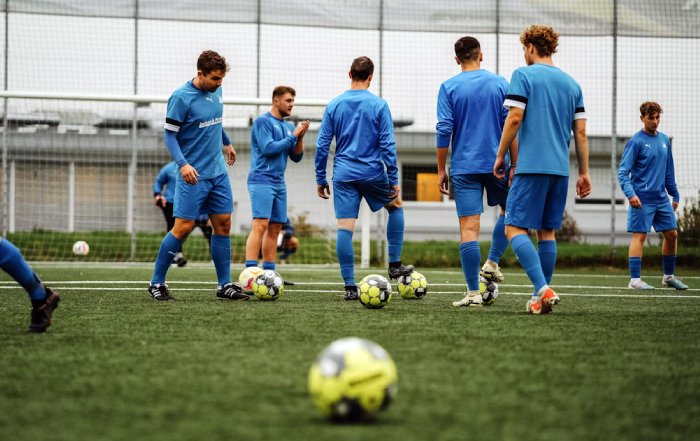
Training Methods Evolving Across Professional Sports in 2026
A New Performance Era: How Training Is Being Rewritten
By 2026, professional sport has fully entered a new performance era in which training is no longer defined primarily by drills, conditioning blocks, and weight-room routines, but by an integrated ecosystem of science, technology, data, and human-centered coaching that stretches across continents and competitive levels. From North America and Europe to Asia, Africa, and South America, organizations are re-engineering how athletes prepare, recover, and extend their careers, driven by rapid advances in sports science, escalating commercial stakes, and rising expectations from global audiences, sponsors, and regulators. For Sportsyncr, which operates at the intersection of sport, health, fitness, business, culture, and technology, these developments are not distant trends; they are the daily reality that shapes coverage across dedicated sections on sports, health, fitness, technology, and business.
The transformation of training methods is closely tied to the economics of modern sport. Global media rights, streaming platforms, and cross-border sponsorship agreements have turned elite athletes into strategic assets whose availability and peak performance can materially influence the financial health of clubs, leagues, and entire ecosystems. Organizations ranging from Premier League clubs in the United Kingdom and NBA franchises in the United States to Bundesliga teams in Germany, Serie A sides in Italy, and J.League organizations in Japan are investing heavily in innovation, collaborating with universities, medical centers, and technology companies to redesign how preparation is conceived, executed, and evaluated. Governing bodies such as the International Olympic Committee, FIFA, and World Rugby are increasingly embedding performance science and welfare standards into regulations and best-practice frameworks, reinforcing the idea that experience, expertise, authoritativeness, and trustworthiness are now central performance variables rather than optional extras. For a global, business-focused audience, the evolution of training has become a strategic case study in how data, technology, and human insight can be combined to manage high-value, high-risk assets in volatile, competitive markets.
From Intuition to Evidence: Data-Driven Training as Standard Practice
One of the most profound shifts visible by 2026 is the near-universal acceptance of data-driven training as standard practice in elite sport. Where coaching once relied heavily on intuition, tradition, and anecdotal experience, teams now integrate real-time tracking, longitudinal analytics, and predictive modeling into daily decision-making. Wearable devices, optical tracking systems, and cloud-based performance platforms have become ubiquitous across the NFL, NBA, NHL, MLB, MLS, and top European football leagues, capturing granular information on distance covered, acceleration profiles, heart-rate variability, neuromuscular fatigue, and sleep quality.
Organizations such as Catapult Sports, Whoop, and Hawk-Eye Innovations have helped normalize the use of GPS trackers, inertial sensors, and biometric monitoring, while data providers like Stats Perform and Opta supply rich contextual information on match demands that can be translated into individualized training prescriptions. Resources from the MIT Sloan Sports Analytics Conference and analytical coverage from outlets like ESPN and The Athletic have chronicled how franchises now employ data scientists, machine-learning engineers, and performance analysts who work alongside coaches and medical staff to align training loads with tactical plans and competitive calendars.
In European football, for example, congested schedules in competitions such as the UEFA Champions League and domestic leagues force clubs in England, Spain, Germany, France, and Italy to use data to plan microcycles that balance high-intensity work, technical refinement, and recovery. In the A-League in Australia, the Eredivisie in the Netherlands, and top leagues in Scandinavia, similar models are being adapted to local contexts, often with a strong emphasis on youth development and long-term athlete management. Business leaders observing these practices are increasingly encouraged to learn more about data-driven strategy and recognize parallels with corporate performance management, where real-time metrics and evidence-based decision-making are now core competencies.
For Sportsyncr, whose readers span the United States, United Kingdom, Germany, Canada, Australia, France, Italy, Spain, the Netherlands, Switzerland, China, Singapore, and beyond, the maturation of data-driven training demands nuanced reporting that can distinguish between meaningful innovation and superficial "analytics-washing." Coverage across sports, business, and science increasingly focuses on how organizations convert raw data into actionable insights, how they manage data governance and privacy, and how they build trust between human decision-makers and algorithmic tools.
Precision and Individualization: Training the Athlete, Not Just the Team
Alongside the rise of analytics, 2026 has cemented a second core principle in elite training: the move from standardized programs to deeply individualized preparation that recognizes the unique physiological, psychological, and cultural profile of each athlete. In leading clubs and national teams, no two players now follow identical plans over a season. Age, injury history, positional demands, hormonal and genetic markers, mental health status, and even personal life stressors are integrated into periodization and daily workloads.
Research from institutions such as Loughborough University, University of Bath, University of Queensland, University of Calgary, and University of Cape Town has underscored the wide variability in training response and recovery rates, encouraging practitioners to move away from rigid, team-wide prescriptions. Academic platforms like ScienceDirect and the BMJ sports medicine collection have helped disseminate evidence on topics ranging from load management in youth athletes to return-to-play protocols after concussion, shaping practice in leagues across Europe, North America, Asia, and Africa.
In practical terms, this means that a veteran defender in the English Premier League with a history of soft-tissue injuries may follow a microcycle emphasizing low-impact technical work, targeted strength training, and extended recovery, while a younger teammate in the same position focuses on high-intensity sprint drills and neuromuscular conditioning. In the NBA, teams in the United States and Canada increasingly tailor back-to-back game management, travel routines, and in-season strength sessions to the specific needs of players based on objective and subjective readiness scores. Similar patterns are emerging in rugby, cricket, ice hockey, mixed martial arts, and Olympic disciplines from track cycling to swimming.
For Sportsyncr, this shift toward personalization resonates strongly with broader fitness and health narratives that matter to readers who are not professional athletes but seek to apply elite principles to their own training. By drawing on expert interviews with performance directors, physiologists, and coaches from leading organizations, the platform can translate individualized load management, recovery planning, and psychological support into practical insights for recreational runners in the United States, amateur footballers in Germany, gym-goers in Singapore, and weekend cyclists in Brazil, all while maintaining the rigorous, evidence-based standards expected by a business-literate audience.
Recovery, Sleep, and Load Management as Strategic Assets
If the early 2000s were defined by a relentless emphasis on pushing physical limits, the mid-2020s have brought a more sophisticated appreciation of recovery, sleep, and strategic load management as critical performance levers and risk-mitigation tools. The once-controversial concept of "load management" in the NBA has evolved into a widely accepted practice across team sports and endurance disciplines, informed by a growing body of research linking chronic fatigue, overuse, and inadequate recovery to elevated injury risk and diminished cognitive function.
Public health authorities such as the World Health Organization and the Centers for Disease Control and Prevention have reinforced the broader societal importance of sleep and rest, while high-performance institutes in Australia, the United Kingdom, Scandinavia, and North America have translated these insights into sport-specific guidelines. The Australian Institute of Sport and English Institute of Sport, for example, have produced frameworks for managing jet lag, optimizing travel schedules, and integrating sleep hygiene into daily routines, which have been adopted and adapted by federations preparing athletes for global events.
Franchises in the NFL, NHL, Major League Soccer, K-League, J.League, and top European football leagues now routinely employ sleep scientists and recovery specialists who advise on circadian rhythms, chronotypes, and individualized sleep plans. Training times are shifted to align with biological peaks, hotel environments are optimized for rest, and technology-enabled feedback helps athletes understand the performance implications of sleep debt. Cold-water immersion, compression garments, neuromuscular stimulation, and mindfulness-based recovery protocols are integrated into carefully periodized plans rather than deployed haphazardly.
From a business perspective, this emphasis on recovery and load management has direct financial implications. By extending the careers of key players, reducing days lost to injury, and stabilizing performance across long seasons, teams protect the value of their most important assets and reduce volatility in their ability to meet broadcast, ticketing, and sponsorship commitments. Organizations are increasingly aware that short-term overexploitation of athletes can undermine long-term brand equity and financial sustainability, aligning with broader corporate trends that encourage leaders to learn more about sustainable business practices. On Sportsyncr, this convergence of performance optimization, risk management, and sustainability is reflected in coverage that links sports, business, and environment, illustrating how progressive organizations balance immediate competitive goals with long-term stewardship of human capital.
Technology, AI, and the Emergence of the Virtual Training Ground
By 2026, the integration of digital technology, artificial intelligence, and extended reality into training environments has moved from experimental to mainstream in many elite organizations. Virtual reality and augmented reality systems are used to replicate game scenarios for quarterbacks in the NFL, playmakers in top European and Asian football leagues, batters in professional baseball, and drivers in high-performance motorsport, enabling athletes to rehearse decision-making, pattern recognition, and tactical responses without incurring additional physical load.
Companies such as STRIVR and StatusPRO have developed VR platforms that simulate real match conditions, while clubs and national teams in the United States, United Kingdom, Germany, Japan, South Korea, and elsewhere are incorporating mixed reality tools into position-specific training and tactical education. These systems allow coaches to present complex game plans in immersive, interactive formats, reducing cognitive overload and enhancing retention, particularly for younger athletes who are accustomed to gaming environments.
Artificial intelligence further extends this digital transformation. Machine-learning models trained on video footage, biomechanical data, and contextual performance metrics are now used to flag asymmetries, identify technical inefficiencies, and estimate injury risk probabilities. Research collaborations between clubs, leagues, and institutions such as Carnegie Mellon University and ETH Zurich have produced tools that can detect early warning signs of overuse, propose individualized corrective exercises, and help medical teams make more informed return-to-play decisions. Those seeking a deeper understanding of AI's role in sport and beyond can explore initiatives from Stanford University's Human-Centered AI and technology analysis from Wired, which regularly examines the ethical and practical implications of algorithmic systems in high-stakes domains.
For Sportsyncr, which devotes extensive coverage to technology, gaming, and social dimensions of sport, this convergence of performance training and digital experience represents a defining storyline of the decade. Esports organizations in South Korea, China, the United States, and Europe have professionalized their own training environments, borrowing concepts from traditional sport such as structured practice plans, reaction-time drills, and formalized recovery protocols, while traditional teams increasingly adopt simulation and gamified feedback loops to engage younger athletes and fans. This bidirectional influence is reshaping talent pipelines, fan engagement models, and the broader culture of performance in markets as varied as Brazil, South Africa, Malaysia, Thailand, New Zealand, and the Nordic countries.
Holistic Health: Mental Performance, Nutrition, and Cultural Context
The evolution of training methods in 2026 extends beyond the physical and technological to encompass mental health, psychological skills, and cultural context as integral components of sustainable performance. High-profile disclosures from athletes in the NBA, NFL, Premier League, WTA, ATP, and Olympic sports have helped normalize conversations about anxiety, depression, burnout, and identity challenges, prompting leagues and clubs to embed sports psychologists, mental performance coaches, and wellbeing officers within their high-performance structures.
Organizations such as Mind, Headspace, and the American Psychological Association provide frameworks and resources that teams adapt to their own environments, while academic research on resilience, attention control, and stress management informs practical interventions ranging from pre-performance routines to crisis support. In leading programs across the United States, United Kingdom, Germany, Canada, Australia, and Scandinavia, mental skills training is now integrated into the core curriculum for youth academies and development squads, reflecting a recognition that psychological literacy is as fundamental to long-term success as technical skill or physical capacity.
Nutrition has similarly evolved into a highly individualized and culturally sensitive discipline. Performance nutritionists working with clubs in France, Italy, Spain, the United Kingdom, and North America design plans that account not only for energy demands and body composition targets but also for genetics, microbiome profiles, cultural food traditions, and travel schedules. Guidance from bodies such as the European Food Safety Authority and the Academy of Nutrition and Dietetics helps practitioners navigate supplementation, anti-doping regulations, and evidence-based dietary strategies, while the World Anti-Doping Agency continues to refine its code to address emerging substances and technologies.
Cultural context shapes how these holistic principles are implemented in different regions. In Scandinavian countries such as Sweden, Norway, Denmark, and Finland, athlete-centered models emphasizing wellbeing, education, and long-term development align with broader social values and public policy priorities. In parts of Asia, Africa, and South America, where resources and infrastructure may be more constrained, federations and clubs are developing cost-effective approaches that integrate mental health and nutrition into training through partnerships with schools, NGOs, and community organizations. For Sportsyncr, whose culture, world, and social coverage reaches readers in diverse markets from South Africa and Brazil to Singapore and Japan, presenting these developments with sensitivity to local realities while upholding universal standards of athlete welfare is a core editorial responsibility.
Environmental and Social Responsibility in Training Design
The accelerating impact of climate change and the growing emphasis on social responsibility are increasingly influencing how training environments are designed and managed. Rising temperatures, poor air quality episodes, and extreme weather events in regions such as Southern Europe, North America, parts of Asia, and Southern Africa are forcing organizations to rethink training schedules, hydration strategies, and facility design. Many clubs and federations now consult climate science resources from the Intergovernmental Panel on Climate Change and environmental guidance from the United Nations Environment Programme when assessing long-term risks to athlete health and operational continuity.
Training centers in countries such as Spain, Italy, the United States, Australia, and South Africa are investing in shade structures, cooling technologies, indoor alternative spaces, and smart surfaces that reduce heat retention, while medical teams refine protocols for monitoring core temperature and heat illness symptoms. At the same time, organizations are examining the carbon footprint of training camps, pre-season tours, and competition calendars, exploring strategies to consolidate travel, prioritize regional competition where feasible, and transition facilities to renewable energy. Frameworks published by World Athletics and the International Olympic Committee on sustainable venue design and operations provide templates for integrating environmental considerations into performance infrastructure, aligning with broader corporate efforts to embed ESG principles into strategic planning.
Social responsibility also shapes training approaches, particularly in talent development and inclusion. Programs in South Africa, Brazil, and across Asia are using sport as a tool for social mobility and community cohesion, investing in coach education, safe facilities, and holistic training frameworks that emphasize academic support and life skills alongside athletic development. Global brands and sponsors, increasingly scrutinized by investors and consumers, seek partnerships with organizations that demonstrate credible commitments to gender equity, anti-discrimination, and youth protection. Sportsyncr's coverage of brands, sponsorship, and environment highlights how training environments have become visible expressions of an organization's values, governance quality, and long-term strategic orientation, with direct implications for reputational capital and commercial opportunity.
The Business of Performance: New Roles, New Markets, New Careers
The reconfiguration of training methods has created a sophisticated performance ecosystem that extends far beyond traditional coaching roles and has significant implications for jobs, brands, and investment. High-performance departments in leading organizations now include performance directors, data scientists, biomechanists, sports psychologists, nutritionists, sleep and recovery specialists, sustainability advisors, and even behavioral economists, reflecting the multi-dimensional nature of modern athlete management.
Universities and specialist institutes in the United States, United Kingdom, Germany, Canada, Australia, Singapore, and the Netherlands have expanded programs in sports science, analytics, and performance management, responding to demand from clubs, federations, and technology companies. Professionals exploring this landscape can use platforms like LinkedIn and Indeed to map emerging roles and competency requirements, while Sportsyncr's jobs section provides a sports-specific lens on career pathways in performance, analytics, technology, and sustainability.
For brands and investors, the performance ecosystem represents both a proving ground and a market. Companies in wearables, nutrition, software, infrastructure, and extended reality increasingly partner with clubs and national teams to co-develop products, validate solutions in elite environments, and then scale them to consumer markets in North America, Europe, Asia, Africa, and South America. This co-creation model, frequently profiled in Sportsyncr's business and news coverage, underscores the commercial value of credible expertise and robust performance governance. Sponsors no longer seek only logo exposure; they look for alignment with organizations that can demonstrate leadership in science-based, ethical, and sustainable performance practices, knowing that such associations resonate with increasingly informed and values-conscious fans.
For Sportsyncr itself, operating as a trusted intermediary in this complex environment requires the same qualities that define high-performance organizations: deep domain knowledge, rigorous analysis, transparent communication, and a long-term perspective. By drawing on expert contributors, scrutinizing emerging trends with a critical lens, and situating training developments within broader business, cultural, and environmental contexts, the platform aims to provide readers with the clarity needed to navigate an increasingly interconnected performance landscape.
Looking Ahead: The Future of Training in a Connected Sports World
As professional sport moves through the second half of the 2020s, the trajectory of training innovation points toward even greater integration of biology, technology, and systems thinking. Advances in genomics, neurotechnology, and materials science are opening new frontiers in personalization, from genetic markers that may inform injury-risk profiling to brain-computer interfaces that could one day augment cognitive training. At the same time, regulators and ethical bodies must grapple with difficult questions about fairness, accessibility, privacy, and long-term health impacts, debates that are tracked closely by business and policy publications such as The Economist and the Financial Times.
Artificial intelligence will continue to permeate decision-making processes, raising fundamental questions about the balance between human judgment and algorithmic recommendations in areas ranging from talent identification and tactical planning to medical risk assessment and contract negotiation. In this context, the need for trusted, independent analysis becomes even more acute. Athletes, coaches, executives, investors, and fans will require reliable information that separates robust, peer-reviewed innovation from marketing-driven hype and that contextualizes technological possibilities within human, cultural, and regulatory realities.
Through its comprehensive coverage across sports, health, technology, science, world, and related verticals, Sportsyncr is positioned to serve as a bridge between cutting-edge research, on-the-ground practice, and informed public understanding. By foregrounding experience, highlighting genuine expertise, and maintaining a consistent focus on authoritativeness and trustworthiness, the platform aims to mirror the best of what modern high-performance environments aspire to be: integrated, evidence-based, ethically grounded, and globally aware.
Ultimately, the evolution of training methods across professional sports in 2026 reflects a broader shift in how societies conceive of human potential, resilience, and responsibility. From state-of-the-art facilities in London, New York, Munich, Toronto, Sydney, Paris, Milan, Madrid, Amsterdam, Zurich, Singapore, and Tokyo to emerging high-performance hubs, organizations are converging on a shared understanding that sustainable excellence is built not on isolated breakthroughs but on coherent systems that respect the complexity of the human athlete. As this story continues to unfold, Sportsyncr will remain committed to tracking, analyzing, and explaining these changes to a global audience that recognizes that the future of sport-and many of the businesses connected to it-is being shaped day by day in the training environments of today.