

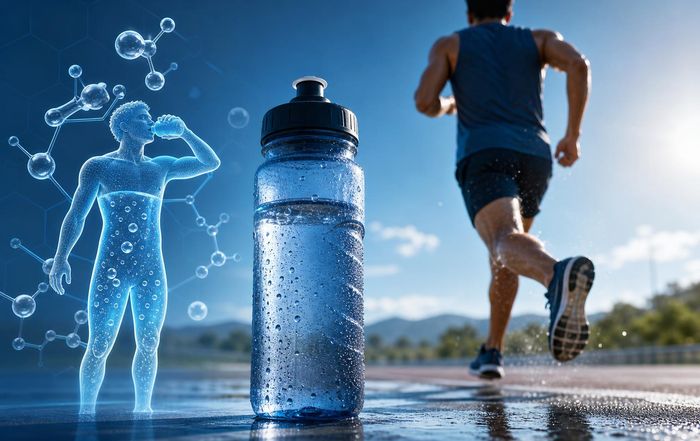
The Science of Hydration for Better Athletic Results
Hydration as a Strategic Advantage in Modern Sport
Hydration has moved from a basic health recommendation to a strategic pillar of performance across global sport, fitness, and active lifestyles. From elite athletes in the United States, United Kingdom, and Germany to recreational runners in Singapore, Brazil, and South Africa, the capacity to manage fluid balance precisely is now viewed as a competitive differentiator rather than a background concern. On SPORTSYNCR, where sport, health, and business intersect, hydration sits at the center of a wider performance ecosystem that includes training load, recovery strategies, nutrition, data analytics, and brand innovation.
Scientific advances in physiology, wearable technology, and sports nutrition have transformed hydration from a one-size-fits-all approach into a personalized, data-informed discipline. Organizations such as FIFA, the International Olympic Committee, and the NCAA have all updated guidance as research has evolved, while companies from Gatorade to Whoop and Oura have invested heavily in understanding how fluid balance interacts with cardiovascular strain, thermoregulation, sleep, and cognitive performance. In parallel, governing bodies and public institutions, including the World Health Organization, have emphasized hydration as a core pillar of health in increasingly hot and urbanized environments, especially as climate change reshapes training and competition conditions across Europe, Asia, Africa, South America, and North America.
For the audience online, which may include athletes, coaches, health professionals, brand leaders, and performance-focused consumers, hydration is no longer simply about drinking more water; it is about using evidence-based strategies to optimize output, reduce injury risk, and support long-term health. Readers exploring broader performance topics on sports performance and training or the latest thinking on health optimization increasingly view hydration as a foundational layer upon which all other gains depend.
The Physiology of Hydration: Beyond Thirst and Sweat
The science of hydration begins with understanding how water and electrolytes move through the body and how tightly these processes are regulated in athletes. Water accounts for roughly 50-70 percent of body mass, depending on age, sex, and body composition, and even minor deviations from optimal fluid balance can impair performance. Research published by the American College of Sports Medicine and organizations such as the National Institutes of Health has consistently shown that dehydration of as little as 2 percent of body mass can negatively affect endurance, cognitive function, and thermoregulation. Readers can explore foundational medical perspectives through resources such as the Mayo Clinic's hydration guidance.
During exercise, especially in hot or humid environments like Thailand, Australia, or Spain, the body relies on sweating as its primary cooling mechanism. Sweat is not pure water; it carries sodium, chloride, potassium, and other electrolytes that are critical for nerve conduction and muscle contraction. As the Gatorade Sports Science Institute and academic institutions like Loughborough University and The University of Queensland have documented, sweat rates can vary widely between individuals, from less than 0.5 liters per hour to more than 2 liters per hour in extreme conditions. At the same time, sweat sodium concentration may range from under 400 mg per liter to over 1,800 mg per liter, illustrating why generic advice such as "drink plenty of water" is inadequate for serious athletes.
The brain, kidneys, and cardiovascular system work together to maintain plasma osmolality, blood volume, and electrolyte balance. Hormones such as vasopressin and aldosterone regulate water and sodium retention, while the thirst mechanism is triggered when blood becomes more concentrated. However, as research summarized by the European Hydration Institute and the British Dietetic Association indicates, thirst alone is an imperfect guide during high-intensity or prolonged exercise, particularly in team sports like football and basketball where athletes may not have easy access to fluids during play. For this reason, high-performance environments increasingly rely on structured hydration protocols grounded in measurable data rather than subjective cues.
Evidence-Based Impacts on Performance and Recovery
The link between hydration and athletic output is now one of the most robust findings in exercise science. Endurance performance is especially sensitive to fluid deficits, as dehydration reduces plasma volume, increases heart rate, and impairs the body's ability to dissipate heat. Studies summarized by the American Council on Exercise and the National Strength and Conditioning Association demonstrate that dehydrated athletes experience higher perceived exertion, slower times, and greater cardiovascular strain at the same workload compared to well-hydrated peers. Those following SPORTSYNCR's coverage of fitness performance trends will recognize how these physiological impacts translate directly into training quality and competitive outcomes.
Cognitive performance is equally critical, particularly in sports requiring rapid decision-making and fine motor control such as tennis, esports, motorsport, and football. Research collated by Harvard T.H. Chan School of Public Health shows that even mild dehydration can impair attention, working memory, and executive function, which are essential for tactical decisions and technical execution. This is particularly relevant in environments such as Japan, South Korea, and Finland, where both traditional sports and competitive gaming are deeply embedded in youth and professional culture. Readers interested in the crossover between physical and cognitive performance in gaming can explore related content on sports and gaming culture.
Recovery is another domain where hydration exerts outsized influence. Adequate fluid and electrolyte intake support blood flow, nutrient delivery, and waste removal from muscles, while also helping to regulate sleep quality and heart rate variability. Organizations such as the Sleep Foundation and Cleveland Clinic have highlighted how nocturnal dehydration can disturb sleep architecture, reducing the restorative benefits of deep and REM sleep that athletes rely on for adaptation. In high-performance programs across Italy, France, and the Netherlands, recovery protocols increasingly integrate individualized hydration targets alongside cold-water immersion, compression, and nutrition, reinforcing the notion that fluid balance is not just a pre-competition concern but a 24-hour responsibility.
Personalization: Sweat Testing, Data, and Individual Needs
One of the most significant developments since 2020 has been the shift from generic hydration advice to personalized strategies informed by testing and wearable data. Elite clubs in European football, professional cycling teams, and Olympic programs in Canada, Australia, and New Zealand now routinely conduct sweat tests to determine individual sweat rates and sodium losses under different environmental and workload conditions. Companies such as Precision Fuel & Hydration and academic partners associated with the International Society of Sports Nutrition have been instrumental in operationalizing these protocols.
Sweat testing typically involves weighing athletes before and after training, tracking fluid intake, and sometimes analyzing sweat composition through patches or laboratory testing. The data allow practitioners to calculate how much fluid and sodium each athlete loses per hour and to design tailored intake plans for training and competition. This level of specificity has been particularly valuable in tournaments and multi-stage events such as the Tour de France, NBA playoffs, or international football championships, where cumulative dehydration can erode performance over days rather than hours. Those interested in how such approaches fit into the broader performance and business landscape of sport can explore industry-focused coverage on SPORTSYNCR.
The rise of wearables and connected devices has further accelerated personalization. Platforms from Garmin, Polar, Apple, and Whoop now provide metrics such as heart rate variability, body temperature estimates, and training load, which can be cross-referenced with fluid intake and body mass changes. Some devices and apps integrate hydration reminders and predictive algorithms that adjust recommended fluid intake based on weather, altitude, and planned activity. Organizations like MIT Media Lab and leading sports science institutes have collaborated with technology firms to validate these tools, while governing bodies such as World Athletics and FIFA explore how real-time monitoring can be integrated safely into competition environments. Readers following the evolution of performance technology can find additional context in SPORTSYNCR's dedicated technology coverage.
For recreational athletes and health-conscious professionals across regions from Singapore to Norway, the same principles apply, albeit with less complex infrastructure. Simple practices such as pre- and post-session weigh-ins, monitoring urine color, and logging fluid intake in apps can provide actionable insight. Trusted health authorities like the Centers for Disease Control and Prevention and the NHS in the United Kingdom offer baseline hydration recommendations that can then be adapted based on individual responses, climate, and performance goals.
Electrolytes, Carbohydrates, and the Role of Sports Drinks
Hydration science is not only about water; it is equally about the composition of the fluids consumed. Electrolytes-particularly sodium-help maintain plasma volume, support nerve transmission, and facilitate muscle contraction. When athletes lose large quantities of sodium through sweat and replace those losses with plain water alone, they may experience hyponatremia, a dangerous dilution of blood sodium that has been documented in endurance events worldwide. Organizations such as the International Marathon Medical Directors Association and resources like UpToDate's clinical overviews have helped codify best practices to avoid this condition.
Sports drinks, gels, and electrolyte tablets have evolved significantly since their early formulations. Modern products are designed with specific concentrations of sodium, carbohydrates, and sometimes additional minerals like magnesium and potassium, tailored to event duration and intensity. Research summarized by the Journal of the International Society of Sports Nutrition and the Gatorade Sports Science Institute indicates that for efforts longer than 60-90 minutes, beverages containing 6-8 percent carbohydrate and 300-700 mg of sodium per liter can support both hydration and energy needs, particularly in hot conditions. At the same time, there has been a clear movement toward cleaner labels, reduced added sugars, and functional ingredients, reflecting broader consumer interest in health and wellness that SPORTSYNCR regularly explores in its health and lifestyle coverage.
For athletes in regions with high heat and humidity, such as Malaysia, Thailand, and parts of South Africa, the balance between water and electrolytes becomes even more critical. Governing bodies such as World Rugby and Cricket Australia have issued climate-specific hydration guidelines, while academic institutions in Singapore and Qatar have conducted influential research on performance in extreme heat. At the same time, nutrition experts at organizations like the Academy of Nutrition and Dietetics emphasize that whole foods-such as fruit, dairy, and lightly salted meals-can complement or, in some cases, replace commercial beverages for many recreational athletes, provided their overall diet is balanced and energy intake is sufficient.
Global Climate, Heat Stress, and the New Normal
One of the defining forces reshaping hydration strategies is the global climate crisis. With record-breaking temperatures recorded across Europe, North America, Asia, and Africa in recent years, managing heat stress has become a central safety priority for sports organizations, cities, and event operators. Reports from bodies such as the Intergovernmental Panel on Climate Change and policy analysis by the World Meteorological Organization have highlighted the growing frequency of heatwaves, which directly affect training schedules, competition timing, and venue design.
Professional leagues and federations, including the English Premier League, La Liga, and World Athletics, have implemented cooling breaks, heat policies, and mandatory risk assessments based on wet bulb globe temperature. In the United States, the National Athletic Trainers' Association has led the way in evidence-based guidelines for youth and collegiate sports, emphasizing gradual acclimatization, environmental monitoring, and structured hydration protocols. Those interested in the broader intersection of sport, environment, and policy can explore the pages on environmental impacts and sustainability.
For athletes and active individuals in urban centers from New York and London to Tokyo and Johannesburg, the urban heat island effect exacerbates these challenges. Public health agencies and city planners increasingly collaborate to provide shaded training spaces, accessible water points, and educational campaigns on hydration and heat illness prevention. Resources from the World Health Organization on climate and health highlight how vulnerable populations, including youth, older adults, and low-income communities, are disproportionately affected, reinforcing the need for inclusive and accessible hydration strategies beyond elite sport.
Culture, Brands, and the Business of Hydration
The science of hydration does not exist in a vacuum; it is deeply intertwined with culture, marketing, and business. Over the past decade, major beverage companies, sportswear brands, and technology firms have repositioned hydration as a lifestyle and identity marker. Campaigns by Coca-Cola, PepsiCo, Nestlé, and performance-focused brands such as Nike and Adidas have framed hydration as integral to productivity, mental clarity, and holistic wellness, not just athletic performance. This narrative is particularly visible in markets such as China, South Korea, and the United States, where wellness culture and sports fandom intersect strongly.
At the same time, a new generation of challenger brands has emerged, emphasizing science-backed formulations, sustainability, and direct-to-consumer models. Companies like Liquid I.V., Nuun, and various European functional drink startups have leveraged research from institutions such as Stanford University, ETH Zürich, and the Karolinska Institute to position their products as more targeted and efficacious than traditional sports drinks. The business implications of this shift, including sponsorship, athlete partnerships, and retail strategy, are significant and align closely with the themes covered in SPORTSYNCR's brands and sponsorship section and its dedicated sponsorship insights.
Cultural attitudes toward hydration also vary across regions. In Italy, France, and Spain, mineral water culture and café-based social rituals influence how and when people drink. In Japan and South Korea, convenience store culture and functional beverages have normalized regular hydration throughout the day. In South Africa, Brazil, and other emerging markets, community sports programs and public health campaigns increasingly highlight hydration as part of broader efforts to combat heat-related illness and support youth participation in sport. On SPORTSYNCR, which regularly explores global sports culture and social trends and social impact stories, hydration becomes a lens through which to understand how health, identity, and community intersect.
Practical Frameworks for Athletes and Active Professionals
While the underlying science can be complex, practical hydration strategies can be built around a few key principles that apply across sports and regions. Pre-exercise hydration involves arriving at training or competition in a euhydrated state, which typically means consuming fluids regularly throughout the day and, in some cases, taking in 5-10 ml of fluid per kilogram of body weight in the two to four hours before exercise, as suggested by organizations such as the American College of Sports Medicine and the International Olympic Committee. Resources such as MedlinePlus provide accessible explanations of how fluid and electrolyte balance work, which can help athletes and coaches make informed decisions.
During exercise, the goal is not to replace every milliliter of sweat lost but to limit body mass loss to generally less than 2-3 percent for most athletes, while avoiding excessive intake that could lead to hyponatremia. This often translates to individualized intake plans based on sweat rate testing, environmental conditions, and gastrointestinal tolerance. In sports with frequent breaks, such as basketball, rugby, and American football, structured opportunities to drink can be built into tactical time-outs and substitution patterns. For endurance activities like marathon running, triathlon, and cycling, aid station planning and carrying capacity become critical considerations. SPORTSYNCR's sports and performance reporting frequently highlights how elite teams operationalize such frameworks during major events.
Post-exercise hydration focuses on restoring fluid and electrolyte balance, particularly after long or intense sessions or multiple training bouts in a day. Many sports nutritionists recommend consuming approximately 1.25-1.5 liters of fluid for every kilogram of body mass lost during exercise, including sodium to promote retention. Whole-food approaches, such as pairing water with salted meals or dairy-based recovery drinks, can be effective for many athletes, while others may rely on specialized recovery beverages. For busy professionals who integrate training around demanding careers in hubs like London, New York, Berlin, or Singapore, planning fluid intake alongside meals and commuting patterns can be as important as the sessions themselves.
Hydration strategies must also consider individual health conditions and medications. Athletes with kidney issues, cardiovascular disease, or endocrine disorders should work closely with healthcare professionals, drawing on guidance from organizations like the National Kidney Foundation and American Heart Association, to ensure that hydration plans support rather than compromise overall health. As we continues to expand the science and health reporting, integrating medical perspectives with performance insights remains a core editorial priority.
Hydration, Equity, and the Future of Performance
Looking ahead, hydration science is poised to become even more integrated with broader themes of equity, sustainability, and digital innovation. Access to clean, safe drinking water remains a challenge in parts of Africa, South America, and Asia, and organizations such as UNICEF and WaterAid continue to highlight how this fundamental issue affects children's participation in sport and physical education. For the global sports ecosystem, ensuring that hydration strategies are not only scientifically advanced but also accessible and affordable is an ethical imperative.
From a sustainability perspective, the proliferation of single-use plastic bottles associated with sports and fitness has drawn scrutiny from environmental groups and regulators. Brands and event organizers are increasingly turning to refillable systems, on-site filtration, and packaging innovations to reduce environmental impact, echoing themes explored in the environmental and sustainability coverage. At major events in Europe, North America, and Asia, hydration infrastructure-refill stations, smart fountains, and reusable containers-is now part of the broader conversation about legacy and responsible hosting.
Technologically, the future points toward more granular, real-time hydration monitoring through non-invasive sensors, smart textiles, and AI-driven coaching systems. Research labs in Switzerland, Denmark, and the Netherlands are experimenting with sweat-sensing patches and microfluidic devices that can transmit data on fluid and electrolyte loss to smartphones or team dashboards, while major technology companies explore how to integrate hydration insights into broader health platforms. As these tools mature, sites like this will play a critical role in translating complex science and technology into actionable, trustworthy guidance for athletes, coaches, and performance-focused readers worldwide, tying together strands from sports, health, business, and technology into a coherent narrative.
The science of hydration stands at the intersection of physiology, technology, culture, and commerce. For the sports news fans spanning recreational runners in Canada, football fans in Italy, cyclists in France, esports competitors in South Korea, and fitness enthusiasts in Australia, the message is clear: hydration is no longer a background variable but a controllable, measurable, and strategically vital component of performance and health. By grounding decisions in evidence, embracing personalization, and recognizing the broader social and environmental context, athletes and active individuals can turn something as seemingly simple as drinking into a powerful lever for better results, longer careers, and healthier lives.