

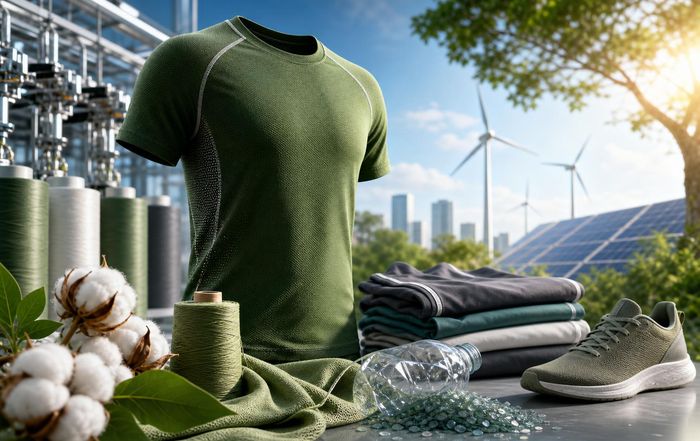
The Future of Sustainable Sports Apparel Manufacturing
Introduction: Why Sustainable Performance Wear Is Entering Its Defining Decade
The global sports apparel industry has reached an inflection point where performance, sustainability and digital innovation are converging into a new competitive standard rather than a niche differentiator. For a global audience that spans elite athletes in the United States, weekend runners in Germany, football fans in Brazil, and fitness-conscious consumers in Singapore, the expectations placed on sportswear brands have expanded well beyond style and function to include environmental impact, social responsibility and long-term health implications. On this updated hub and across its dedicated verticals such as sports, fitness and business, this shift is being closely tracked as a defining transformation for the next generation of performance apparel.
The future of sustainable sports apparel manufacturing is being shaped simultaneously by regulatory pressure, investor scrutiny, athlete activism, consumer demand for transparency and rapid advances in materials science and digital production. Organizations such as Nike, Adidas, PUMA, Lululemon, Decathlon, Under Armour, and emerging innovators in Europe, Asia and North America are rethinking the entire product lifecycle, from fiber development and dyeing techniques to circular business models and end-of-life solutions. As regulatory frameworks tighten in the European Union and across major markets, and as climate risk becomes a central business concern, the sports industry is increasingly aligning with global climate objectives laid out by institutions like the United Nations Framework Convention on Climate Change and the Intergovernmental Panel on Climate Change.
The question facing the sector is no longer whether sustainable sports apparel will become mainstream, but how quickly manufacturers can pivot complex global supply chains, re-engineer factories and retrain workforces to deliver high-performance products with a dramatically reduced footprint. The following analysis explores the key technological, regulatory, cultural and commercial trends that are likely to define the future of sustainable sports apparel manufacturing through the rest of this decade and beyond, with a particular emphasis on the experience, expertise and trust signals that will matter most to athletes, consumers and partners engaging with sportsyncr.com.
Regulatory Pressure and Global Standards Reshaping the Playing Field
The regulatory environment for textiles and apparel has tightened considerably since 2020, with the sportswear segment feeling the impact across sourcing, manufacturing and distribution. In the European Union, the European Commission's strategy for sustainable and circular textiles is setting the pace, with upcoming rules on eco-design, durability, recyclability, microplastic shedding and extended producer responsibility that will significantly influence how performance gear is designed and manufactured. Companies seeking to understand these changes in detail are increasingly turning to resources such as the European Environment Agency and the European Commission's environment portal for guidance.
In parallel, global reporting standards such as the Global Reporting Initiative and climate disclosure frameworks shaped by the Task Force on Climate-related Financial Disclosures are pushing leading sports brands to quantify and publicly disclose their environmental impact. Large institutional investors and sovereign wealth funds in regions including North America, Europe and Asia now routinely evaluate these disclosures when making decisions about long-term capital allocation to consumer and sportswear companies, effectively tying the cost of capital to sustainability performance.
For sports apparel manufacturers with extensive supplier networks in China, Vietnam, Bangladesh, India and Indonesia, compliance is no longer limited to their own direct operations. Brands are expected to demonstrate robust oversight of upstream partners, ensure adherence to stricter chemical management protocols such as those promoted by ZDHC (Zero Discharge of Hazardous Chemicals), and align with globally recognized certifications like OEKO-TEX and bluesign. As Sportsyncr explores in its world and news coverage, this is driving a wave of consolidation, investment in cleaner technologies and the emergence of more transparent supply chain platforms across regions from South Africa to Thailand.
Materials Innovation: From Recycled Fibers to Bio-Based Performance Fabrics
The future of sustainable sports apparel manufacturing is inseparable from the evolution of advanced materials capable of delivering elite performance while reducing environmental impact. Over the past decade, recycled polyester derived from post-consumer plastic bottles became the most visible symbol of this shift, championed by brands such as Adidas and Patagonia and validated by lifecycle assessments from organizations including the Ellen MacArthur Foundation. However, by 2026, innovation has moved far beyond simple recycling into a diversified portfolio of next-generation fibers.
Bio-based and regenerative materials are gaining traction, with companies exploring yarns derived from agricultural waste, algae, mycelium and other renewable feedstocks. Research institutions and consortia highlighted by the Textile Exchange are helping to standardize methodologies for assessing the climate and biodiversity benefits of these alternatives. High-performance fabrics that incorporate bio-based elastane replacements, plant-based coatings and biodegradable membranes are beginning to appear in running, cycling, outdoor and training collections, especially in markets such as Japan, Sweden, Norway and Canada, where consumers exhibit strong environmental awareness.
At the same time, circularity-focused innovations such as mono-material construction and fiber-to-fiber recycling technologies are addressing one of the toughest challenges in sportswear: the difficulty of recycling blended fabrics that combine polyester, elastane, nylon and other synthetics. Chemical recycling startups and industrial players in regions like Germany and South Korea are working to scale processes that can depolymerize complex textiles back into high-quality raw materials suitable for new performance garments. Organizations such as the World Resources Institute and the World Business Council for Sustainable Development are documenting best practices and providing frameworks that help brands assess the true impact of these emerging solutions.
Manufacturing Technologies: Digitization, Automation and Low-Impact Production
Sustainable sports apparel manufacturing is also being transformed by the digitization and automation of factory operations, which is improving resource efficiency, reducing waste and enabling more localized production models. Technologies such as 3D knitting, advanced computer-aided design and digital sampling are minimizing the need for physical prototypes, shortening development cycles and allowing brands to fine-tune fit and performance with far less material consumption. As Sportsyncr regularly examines in its technology coverage, these tools are also facilitating deeper collaboration between designers, materials scientists and manufacturing engineers across continents.
On the factory floor, the adoption of renewable energy, closed-loop water systems and low-impact dyeing processes is accelerating, driven by both regulatory expectations and voluntary commitments such as the Science Based Targets initiative. Manufacturers in Italy, Spain and Portugal are investing in waterless dyeing and digital printing technologies that significantly reduce chemical use and wastewater, while major suppliers in China and Vietnam are retrofitting facilities to accommodate energy-efficient machinery and on-site solar installations. Detailed analysis of industrial decarbonization pathways from agencies such as the International Energy Agency is increasingly being used by sports brands to model their own transition plans.
Automation and robotics are also beginning to reshape labor-intensive processes such as cutting and sewing, particularly in high-wage markets like the United States, United Kingdom, Netherlands and Switzerland. While this raises complex questions about employment and skills, it also presents opportunities to relocate or expand production closer to end markets, reducing transportation emissions and enabling more responsive, demand-driven manufacturing. For athletes and consumers engaged with the jobs and business sections of Sportsyncr, this shift is creating a new landscape of technical, engineering and sustainability-focused roles in both established brands and fast-growing startups.
Circular Business Models and the Rise of Performance Apparel Ecosystems
As the industry moves beyond linear "take-make-dispose" models, circular business strategies are becoming central to the future of sports apparel. Brands are experimenting with repair services, rental and subscription models, buy-back schemes and certified resale platforms that extend the life of performance gear and keep products in circulation longer. Companies such as Patagonia, Arc'teryx and The North Face have pioneered repair and resale initiatives, while mainstream actors like Nike and Adidas are expanding their own recommerce channels and partnering with technology providers to authenticate and refurbish used products.
For sports apparel, where garments are often subjected to high-intensity use and frequent washing, durability and repairability are emerging as critical design criteria. Organizations like the Ellen MacArthur Foundation have emphasized that circularity begins at the drawing board, where choices about fabric blends, trims, construction techniques and finishes determine whether a product can be easily repaired, resold or recycled. Progressive brands are now collaborating closely with recyclers, logistics partners and digital platforms to design integrated ecosystems that manage products from first purchase through multiple life cycles, with transparent tracking and data sharing.
On Sportsyncr, the intersection of circularity with culture and social trends is particularly evident in the way younger consumers in France, Denmark, Finland and Australia are embracing second-hand performance wear, upcycled fashion and community-based gear sharing. As sustainability becomes a marker of identity and values among athletes and fans, brands that can build credible, user-friendly circular services are likely to enjoy stronger loyalty and differentiation, especially in crowded categories such as running, yoga, football and outdoor sports.
Athlete Health, Performance Science and Sustainable Design
The future of sustainable sports apparel manufacturing is not solely an environmental story; it is deeply connected to athlete health, performance science and the broader wellness movement. As Sportsyncr explores across its health and fitness coverage, the materials and construction methods used in sportswear can influence thermoregulation, skin health, muscular support and even psychological readiness for competition. This means that sustainability goals must be balanced with, and ultimately integrated into, the pursuit of high performance.
Research institutions and sports science centers, including those highlighted by organizations like the American College of Sports Medicine and the International Olympic Committee, are collaborating with brands to test how new bio-based or recycled materials perform under real-world conditions, from extreme heat and humidity in Thailand and Malaysia to cold-weather endurance events in Norway and New Zealand. These partnerships are generating a more robust evidence base that can inform design decisions and dispel outdated assumptions that sustainable materials necessarily compromise performance.
Concerns about microplastics, skin sensitivity and chemical exposure are also influencing product development. Regulatory scrutiny of per- and polyfluoroalkyl substances (PFAS), often used in water-repellent finishes, is prompting brands to phase out these chemicals and invest in safer alternatives. Public health agencies such as the World Health Organization and environmental health researchers are supplying data that helps manufacturers assess potential risks and communicate more transparently with consumers. For athletes and everyday users following Sportsyncr, this convergence of sustainability and health is reinforcing the expectation that performance apparel should support long-term well-being as much as short-term athletic results.
Brand Trust, Transparency and the Role of Storytelling
In an era of heightened scrutiny and widespread greenwashing concerns, the future success of sustainable sports apparel will depend heavily on the perceived trustworthiness and expertise of the brands involved. Companies are increasingly aware that vague claims about "eco-friendly" or "green" products are no longer sufficient, especially for informed audiences in markets such as United Kingdom, Netherlands, Japan and Singapore, where regulators and consumer groups demand evidence-based communication. To build credibility, leading brands are publishing detailed sustainability reports, commissioning third-party audits and aligning with independent standards such as B Corp, Fair Trade and Fair Wear Foundation.
Digital transparency tools, including QR codes on garments that link to origin and impact information, blockchain-based traceability systems and interactive sustainability dashboards, are becoming more common. These tools allow consumers to verify claims about recycled content, factory conditions and carbon footprint, while also enabling brands to showcase their continuous improvement over time. The work of organizations like the Sustainable Apparel Coalition and the Better Cotton Initiative has been instrumental in standardizing metrics and providing shared platforms for data and benchmarking.
For Sportsyncr, which sits at the intersection of sports, culture, business and technology, this shift toward radical transparency presents an opportunity to highlight not only the technical achievements of brands, but also the human stories behind sustainable manufacturing. Features on factory workers in South Africa, materials innovators in South Korea, designers in Italy and athlete-advocates in Canada can help audiences understand the complex ecosystem required to deliver genuinely responsible sportswear. By curating these narratives and connecting them to broader themes in brands and environment, the platform can play a meaningful role in educating and inspiring stakeholders across the value chain.
Global Market Dynamics: Regional Nuances and Emerging Hubs
While sustainability is a global imperative, the trajectory of sustainable sports apparel manufacturing varies significantly across regions, shaped by policy frameworks, consumer preferences, infrastructure and economic development. In Europe, stringent regulations and high consumer awareness are pushing brands toward ambitious climate targets, advanced recycling initiatives and premium-priced sustainable collections. Countries such as Germany, France, Netherlands, Sweden and Denmark are at the forefront of circularity pilots, green financing and cross-industry collaborations, often supported by national innovation funds and research grants.
In North America, led by the United States and Canada, the market is characterized by strong innovation capacity, a vibrant ecosystem of startups and a growing emphasis on domestic or nearshore manufacturing to reduce supply chain risk. Major sports leagues, collegiate programs and high-profile athletes are increasingly using their platforms to advocate for climate action and responsible sourcing, amplifying the visibility of sustainability initiatives across mainstream audiences. Resources such as the U.S. Environmental Protection Agency and the Natural Resources Defense Council provide guidance that many brands are integrating into their corporate strategies.
In Asia, the picture is more diverse. Manufacturing powerhouses such as China, Vietnam and Bangladesh are investing in cleaner production technologies and renewable energy, driven both by international customer requirements and domestic environmental policies. Meanwhile, innovation hubs like Japan, South Korea and Singapore are leading research into advanced materials, recycling technologies and digital manufacturing systems. In Australia, New Zealand and parts of South America including Brazil, outdoor and surf cultures are fostering strong connections between sports, nature and environmental stewardship, creating fertile ground for brands that position sustainability as integral to lifestyle and identity.
For global brands and suppliers, understanding these regional differences is essential for designing effective strategies that balance cost, impact, resilience and brand perception. The world and news pages increasingly reflect this nuanced landscape, offering insights into how local regulations, cultural attitudes and economic conditions are shaping the evolution of sustainable sports apparel in each major market.
The Role of Data, AI and Digital Platforms in Accelerating Sustainability
As the sports apparel industry becomes more data-driven, artificial intelligence and digital platforms are emerging as powerful enablers of sustainability. Machine learning models are being used to forecast demand more accurately, reducing overproduction and inventory waste. Advanced analytics help optimize material usage in pattern cutting, simulate garment performance before physical sampling and identify inefficiencies in energy and water consumption across factories. Industry analysts and technology providers drawing on research from organizations like McKinsey & Company and the World Economic Forum are increasingly highlighting these tools as critical to achieving net-zero goals.
Digital twins of factories and supply chains allow brands to test different scenarios, such as shifting production from one region to another or investing in new machinery, before committing capital. Cloud-based collaboration platforms enable real-time communication between designers, suppliers and quality teams across continents, reducing delays and miscommunication that often lead to waste. At the consumer interface, personalization engines can recommend products that better match individual needs, reducing returns and associated emissions, while virtual try-on technologies lower the environmental impact of e-commerce.
For the hard-working team here, which serves an audience deeply interested in the intersection of sports, technology and sustainability, there is significant potential to explore how these data-driven approaches are reshaping the competitive landscape. By showcasing case studies, executive interviews and in-depth analyses across technology, business and science, the site can help decision-makers understand not only what tools are available, but how to implement them in ways that deliver both environmental and financial returns.
Challenges, Trade-Offs and the Risk of Fragmentation
Despite the rapid progress, the path to a fully sustainable sports apparel industry remains complex and uneven. Trade-offs between performance, cost, scalability and environmental impact are unavoidable, particularly in categories that demand extreme durability, stretch or weather protection. Bio-based materials may reduce reliance on fossil fuels but raise concerns about land use or competition with food production. Advanced recycling technologies can be energy-intensive or limited in geographic availability, creating logistical and economic hurdles for global brands.
There is also a risk of fragmentation as different regions adopt divergent regulations, standards and labeling schemes, potentially creating confusion for consumers and operational challenges for manufacturers. Without harmonized frameworks and shared definitions, claims about recyclability, carbon neutrality or biodegradability can become inconsistent, undermining trust. Industry-wide initiatives and cross-border collaborations, supported by multilateral organizations and academic institutions such as those profiled by UNEP, will be critical in aligning efforts and avoiding a patchwork of incompatible approaches.
From a social perspective, the transition to more automated, digitized and localized manufacturing raises important questions about the livelihoods of workers in traditional production hubs, particularly in parts of Asia, Africa and South America. Responsible brands are increasingly aware that sustainability must encompass not only environmental metrics but also fair wages, safe working conditions and opportunities for upskilling. As Sportsyncr continues to expand its news of social and jobs issues, these human dimensions of the transition will remain central to any credible discussion of the future.
How Sportsyncr Will Track the Next Chapter?
As the sports apparel industry moves through this decisive decade, the organizations that combine deep technical expertise, transparent governance and authentic engagement with athletes and communities will be best positioned to lead. For manufacturers, this means embedding sustainability into every decision, from fiber selection and factory investments to marketing narratives and after-sales services. For athletes and consumers, it means using purchasing power and public platforms to encourage continuous improvement and hold brands accountable for their claims.
We are positioning this site as a positive hub for this evolving conversation, bringing together insights from sports, fitness, health, brands and business to provide a holistic view of how sustainable manufacturing is reshaping the performance wear landscape. By highlighting best practices, scrutinizing emerging technologies, amplifying voices from across the value chain and tracking policy developments in key markets from Europe to Asia-Pacific, the platform aims to support decision-makers who must navigate both the risks and opportunities of this transformation.
The future of sustainable sports apparel manufacturing will not be defined by a single breakthrough material or technology, but by the cumulative effect of thousands of design choices, investment decisions, regulatory shifts and cultural changes across the world. As athletes in London, New York, Berlin, Seoul, Tokyo, Cape Town and São Paulo pull on their training gear in the years ahead, the hidden story of how that apparel was made-its environmental footprint, its social impact, its scientific underpinnings-will increasingly influence not just how they perform, but how they feel about the brands they choose to represent. In that sense, sustainability is becoming not only a manufacturing imperative, but a core component of sporting identity, and sportsyncr.com will continue to document this evolution with the depth, rigor and global perspective that its audience expects.