

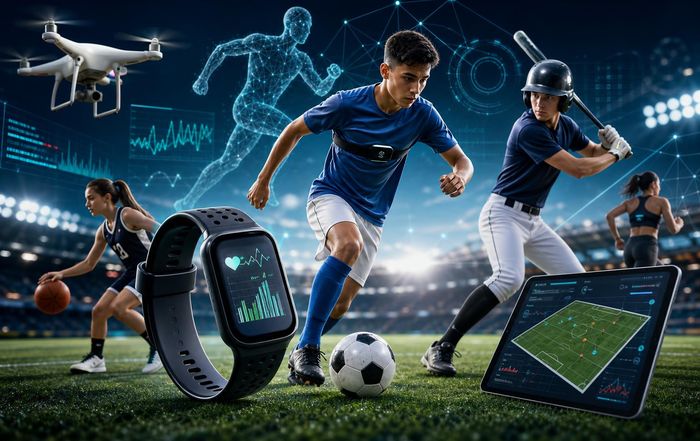
Sports Technology Trends Reshaping Amateur Competition
The New Era of Amateur Sport
Amateur sport has entered a decisive technological era in which tools once reserved for elite athletes are now embedded in local clubs, school programs, community leagues and individual training routines across the world. From neighborhood football pitches in the United Kingdom to school basketball courts in the United States, community cricket grounds in India and recreational cycling routes across Europe, digital platforms, connected devices and intelligent analytics are redefining how non-professionals train, compete and connect. On Sportsyncr and across its dedicated always up-to-date sections on sports, fitness and health, this transformation is increasingly visible in the stories, data and case studies emerging from a global community of athletes who do not earn their living from sport but now expect professional-grade experiences.
The convergence of advanced sensors, cloud computing, artificial intelligence, immersive media and social platforms is driving a structural shift in amateur competition that is comparable in scale to the earlier digital disruption of professional leagues. This shift is not only altering performance and participation but also reshaping the business models of clubs, brands, venues and technology providers that serve the amateur ecosystem. In this environment, experience, expertise, authoritativeness and trustworthiness have become essential filters for athletes and organizations trying to navigate a rapidly expanding marketplace of sports technologies and services.
From Wearables to Integrated Performance Ecosystems
The first wave of sports technology at the amateur level was dominated by basic fitness trackers and heart-rate monitors, but the current landscape is defined by integrated performance ecosystems that combine wearables, mobile apps, cloud platforms and increasingly sophisticated analytics. Companies such as Garmin, Polar, Whoop and Apple have evolved beyond simple activity tracking into full-stack solutions that provide continuous monitoring of biometrics, training load, sleep quality and recovery, offering personalized insights based on large-scale data models. For many amateur athletes, particularly in North America, Europe and Asia-Pacific, these ecosystems now form the backbone of their daily training routines, whether they are preparing for a local 10K, a masters swimming meet or a regional football league.
As organizations like World Athletics and FIFA continue to refine performance and safety standards, amateur participants are increasingly able to learn more about sports science best practices and apply them through accessible tools. The quality of data that can be captured by consumer-grade devices is approaching that of professional systems, with GPS precision, optical heart-rate accuracy and movement tracking improving year over year. This evolution is enabling community coaches, school programs and grassroots clubs to adopt evidence-based training methodologies that previously required access to university labs or elite training centers, reinforcing Sportsyncr's focus on bridging the gap between professional expertise and everyday participation through coverage in areas such as science and technology.
AI Coaching and Personalized Training for Non-Professionals
Artificial intelligence has moved from a buzzword to a practical coaching tool for amateur athletes across disciplines. AI-driven training platforms now analyze historical performance, biomechanical patterns, environmental conditions and even self-reported mood or stress to generate individualized training plans that adapt in real time. Organizations such as Strava, Zwift and TrainerRoad have integrated machine learning models that recommend optimal intensity, volume and recovery windows, enabling athletes with limited coaching access to benefit from data-informed guidance that resembles the support structures of professional teams. Readers interested in the underlying methods can explore how AI is transforming coaching and analytics across the broader sports industry.
For many amateur sports communities in the United States, Canada, Germany and Australia, AI coaching is also lowering the barrier to entry for complex disciplines such as endurance triathlon, rowing or technical field events. Video-based AI tools, building on advances in computer vision pioneered by companies like Hawk-Eye Innovations and Second Spectrum, now allow athletes to upload smartphone footage and receive automated feedback on running form, tennis strokes or golf swings. This democratization of expertise is particularly important for regions where access to qualified coaches is limited, including parts of Africa, South America and Southeast Asia, and aligns with Sportsyncr's mission to provide inclusive, globally relevant insights across world sport.
However, the increasing reliance on algorithmic guidance raises questions about data quality, model bias and overreliance on quantitative metrics at the expense of athlete intuition and enjoyment. Trusted organizations such as the World Health Organization provide evidence-based guidance on healthy physical activity levels that can serve as a counterbalance to the sometimes aggressive optimization narratives promoted by commercial platforms. For amateur athletes, particularly youth and masters competitors, the challenge is to integrate AI tools in a way that enhances long-term engagement and well-being rather than driving unsustainable training behaviors.
Connected Wearables, Health Monitoring and Safety
Health and safety considerations have become central to the design and adoption of sports technology in amateur contexts, especially following heightened global awareness of cardiovascular risk, concussion and overtraining in the mid-2020s. Modern wearables now incorporate continuous ECG monitoring, blood oxygen saturation, heart rate variability and temperature sensors that can flag irregular patterns, enabling early intervention and more informed decisions about training intensity or competition readiness. Organizations such as the American College of Sports Medicine provide frameworks to understand exercise-related health risks and benefits that are increasingly embedded into consumer-facing platforms.
In contact and collision sports, from American football and rugby to ice hockey and lacrosse, impact sensors integrated into helmets and mouthguards are becoming common even at youth and amateur levels. These systems, developed by companies such as Catapult Sports and Prevent Biometrics, can quantify head impacts and alert coaches or medical staff to potential concussion events, complementing standardized protocols supported by bodies like the Centers for Disease Control and Prevention, which offers detailed resources on concussion recognition and management. Across Europe, North America and parts of Asia, local leagues and national federations are beginning to mandate or incentivize the use of such technologies, particularly for junior categories, as part of broader duty-of-care strategies.
For Sportsyncr, which covers intersections of health, sport and culture, the rise of health-centric technologies underscores the importance of trustworthiness in product design, data handling and communication. Amateur athletes and parents increasingly look for validation from reputable medical institutions and governing bodies before adopting new devices, and brands that can demonstrate clinical partnerships, transparent data policies and responsible messaging are gaining a competitive edge in a crowded marketplace.
Smart Facilities, Community Venues and Hybrid Participation
Beyond individual devices, sports technology is reshaping the very spaces where amateur competition takes place. Smart facilities equipped with connected lighting, automated access control, integrated video systems and sensor-enabled surfaces are emerging in municipalities and educational institutions from the United Kingdom and Germany to Singapore and South Korea. These venues use Internet of Things architectures to optimize energy consumption, streamline maintenance and enable advanced services such as automated match recording, live streaming and real-time performance data capture. Organizations like the International Association for Sports and Leisure Facilities (IAKS) share best practices on designing modern, sustainable sports venues, which are now being adapted for community-level projects.
Hybrid participation models, accelerated during the pandemic years, remain influential in 2026. Many amateur leagues and events now offer a combination of in-person and virtual participation, allowing athletes from different regions to compete asynchronously via standardized tracking protocols. Platforms like Zwift and Rouvy have normalized virtual cycling and running competitions, while community platforms and federations are experimenting with remote skill challenges and time-trial formats verified through GPS and video evidence. This flexibility is particularly valuable for athletes in geographically dispersed regions such as Scandinavia, Canada and Australia, and for those balancing sport with demanding work and family schedules.
For local clubs and venue operators, these technologies open new revenue streams through digital memberships, pay-per-view content and value-added services such as performance analytics or personalized highlight reels. Industry analyses from organizations like Deloitte examine how digital transformation is reshaping sports business models, and these insights are increasingly relevant not just to professional leagues but to ambitious amateur organizations seeking sustainable growth. On Sportsyncr's business and news pages, case studies of community clubs adopting smart-venue strategies illustrate how technology can professionalize operations without eroding the inclusive spirit of grassroots sport.
Data, Privacy and Ethical Governance in Amateur Competition
As data becomes the currency of modern sport, questions of privacy, consent and governance are moving to the forefront of amateur competition. Unlike professional athletes, who often negotiate data rights through formal contracts and player associations, amateurs typically interact with technology as consumers, agreeing to terms and conditions that may not fully reflect the sensitivities of performance, health and location tracking. Regulatory frameworks such as the European Union's General Data Protection Regulation (GDPR) and evolving privacy laws in countries like Canada, Brazil and South Africa are establishing legal baselines, and organizations such as the European Data Protection Board provide interpretive guidance that can be explored by those seeking to understand data protection in sports contexts.
Ethical considerations extend beyond legal compliance. Schools, universities and youth clubs are grappling with questions about who owns performance data, how long it should be stored, and whether it can be used for talent identification or commercial partnerships. In North America and parts of Asia, some high-performance youth programs have begun to integrate advanced tracking and analytics as part of scholarship and selection processes, prompting debates similar to those seen in professional scouting. Independent organizations such as Electronic Frontier Foundation and academic centers at institutions like Harvard University provide resources to explore digital rights and surveillance, which are increasingly relevant to technologically mediated sport.
For platforms like Sportsyncr, which aim to build long-term trust with athletes, coaches and brands, transparent editorial coverage of data ethics and privacy is essential. By connecting readers to authoritative external resources while curating practical guidance tailored to amateur settings, the platform reinforces its position as a responsible intermediary between rapid technological innovation and the everyday realities of community sport.
Brand Strategies, Sponsorship and the Amateur Tech Consumer
The commercialization of sports technology at the amateur level is reshaping how brands approach sponsorship, product development and fan engagement. Global companies such as Nike, Adidas, Under Armour, Puma and Lululemon are extending their digital ecosystems to integrate hardware, software and content, aiming to own more of the athlete journey from discovery and training to competition and recovery. These brands increasingly view amateur athletes not only as customers but as co-creators of content and data that can inform product design and marketing strategies. Analysts at organizations like PwC track these shifts in their reports on sports industry trends and consumer behavior, highlighting the growing economic significance of the amateur segment.
Sponsorship models are evolving accordingly. Instead of focusing exclusively on professional leagues and star athletes, brands are investing in digital grassroots initiatives, community challenges and technology-enabled campaigns that reward participation and data sharing. Local running clubs, esports-style community tournaments and hybrid fitness events are being supported with subsidized equipment, access to premium app features and branded digital experiences. On Sportsyncr's brands and sponsorship pages, this shift is reflected in profiles of partnerships that blend physical and digital activation, connecting brands with amateur athletes in more personalized and measurable ways.
At the same time, smaller technology startups and regional brands are finding opportunities in niche markets underserved by global giants, from specialized equipment for adaptive athletes to culturally tailored platforms for cricket in South Asia, winter sports in Scandinavia or football in Africa. To succeed, these companies must demonstrate not only innovation but also credibility and cultural understanding, building trust through transparent communication, robust customer support and alignment with local values and regulations. For business leaders and investors following Sportsyncr, these dynamics offer a roadmap for entering or scaling within the amateur sports technology space.
Social Platforms, Community Identity and the Culture of Competition
Social and cultural dimensions of sports technology are as transformative as the performance and business aspects. Platforms centered on shared activity, such as Strava, Nike Run Club and various regional apps, have created digital communities where amateur athletes across the world can celebrate achievements, compare efforts and organize group sessions. This social layer has become a powerful motivator, particularly in urban centers from London and Berlin to Tokyo and São Paulo, where time-pressed professionals integrate sport into their broader lifestyle and identity. Sociological research from institutions like The Aspen Institute and Sport England examines how community sport participation shapes social cohesion and well-being, providing useful context for understanding these trends.
For many users, the boundary between sport, fitness, culture and social life is increasingly blurred. Running crews in New York, cycling collectives in Amsterdam, football fan communities in Nigeria and hiking groups in New Zealand use digital tools not only to track performance but also to express style, values and belonging. On Sportsyncr's social and culture sections, stories of these communities illustrate how technology can enhance inclusion, create new forms of recognition and bring diverse groups together around shared physical experiences.
However, social platforms also introduce pressures related to comparison, visibility and validation that can undermine intrinsic motivation, particularly for younger athletes. The constant display of metrics, rankings and curated images may encourage unhealthy competition or discourage those who feel they cannot match the achievements of peers. Responsible platform design, informed by psychological research and ethical guidelines, is therefore essential. Trusted organizations such as the American Psychological Association provide resources to understand the mental health impacts of social media and competition, which can inform the development and use of sports-focused digital communities.
Esports, Gaming and the Blurring Boundaries of Competition
The integration of technology into amateur sport is not limited to traditional physical disciplines. Esports and game-based training environments are increasingly recognized as part of the broader competitive ecosystem, particularly among younger demographics in regions such as South Korea, China, the United States and Europe. Titles like FIFA, NBA 2K and Formula 1 simulations provide virtual analogues of physical sports, while platforms such as Zwift and RGT Cycling blend gaming mechanics with real-world physical exertion, creating hybrid experiences that appeal to both gamers and athletes. Organizations like the International Esports Federation and resources from UNESCO on digital culture and youth highlight the growing legitimacy and complexity of this space.
For amateur competitors, gaming-inspired environments offer low-barrier entry points into structured competition, often with sophisticated ranking systems, matchmaking algorithms and spectator features that rival professional sports broadcasts. On Sportsyncr's gaming and sports pages, coverage increasingly reflects this convergence, examining how virtual and physical competitions influence each other in terms of training methods, fan engagement and commercial partnerships. At the same time, there is growing interest in using game-based platforms to introduce physical activity to populations that might otherwise be sedentary, aligning with public health goals and educational initiatives.
The challenge for stakeholders is to ensure that the expansion of competitive gaming complements rather than replaces traditional forms of physical play, particularly for children and adolescents. Balanced integration, supported by evidence-based guidelines from health and education authorities, can harness the motivational power of gaming while preserving the physical, social and developmental benefits of embodied sport.
Sustainability, Environment and Responsible Innovation
As climate concerns intensify, sustainability has become a central consideration in the design and deployment of sports technology, even at the amateur level. From the materials used in wearable devices and equipment to the energy consumption of data centers powering training platforms and streaming services, the environmental footprint of the sports tech ecosystem is under increasing scrutiny. Organizations such as the United Nations Environment Programme provide frameworks to learn more about sustainable business practices, and forward-looking companies are beginning to incorporate circular economy principles, eco-design and carbon transparency into their strategies.
Community sports organizations and event organizers are also adopting digital tools to reduce environmental impact, using online registration, virtual briefings, route optimization and remote participation to minimize travel and paper usage. Smart facility management systems help local clubs in countries like Denmark, the Netherlands and New Zealand optimize lighting, heating and field maintenance, reducing both costs and emissions. On Sportsyncr's environment and world pages, examples of sustainable innovation in amateur sport demonstrate how technology can support broader societal goals rather than simply adding new layers of consumption.
For brands and investors, aligning sports technology initiatives with environmental responsibility is increasingly a requirement rather than a differentiator, particularly in markets such as the European Union where regulatory and consumer expectations are high. Transparency, lifecycle thinking and collaboration with independent sustainability experts are becoming key components of credible sports tech strategies.
Skills, Jobs and the Emerging Amateur Sports Tech Workforce
The expansion of technology in amateur sport is creating new career pathways and reshaping existing roles across coaching, administration, media and product development. Data-savvy coaches, performance analysts, community managers, content creators and sports technologists are in growing demand, not only in professional organizations but also in ambitious amateur clubs, educational institutions and startups. Industry bodies and educational providers, including universities and vocational institutes in the United Kingdom, Germany, Singapore and the United States, are developing specialized programs that integrate sport science, data analytics, software skills and business acumen. Those interested in understanding broader labor market trends can refer to resources from the International Labour Organization, which analyzes how technology is transforming work and skills.
For readers of Sportsyncr exploring opportunities at the intersection of sport and technology, the platform's jobs and business sections increasingly highlight roles that did not exist a decade ago, from community data coordinators for city sports departments to product managers for amateur-focused performance platforms. This evolving workforce underscores the need for continuous learning and cross-disciplinary collaboration, as successful initiatives increasingly require coordination between technologists, coaches, medical professionals, designers and community stakeholders.
At the same time, there is a risk of deepening inequality between well-resourced organizations that can attract specialized talent and underfunded clubs that struggle to integrate even basic digital tools. Addressing this gap will require targeted public investment, capacity-building initiatives and accessible training programs that empower volunteers and part-time staff, particularly in regions where sport plays a critical role in social development and inclusion.
The Tracks Ahead: Building a Trusted, Inclusive Amateur Sports Tech Ecosystem
So the trajectory of sports technology in amateur competition is clear: devices, platforms and intelligent systems will continue to proliferate, offering unprecedented opportunities for performance enhancement, health monitoring, community building and business innovation. Yet the long-term value of this transformation will depend on how effectively stakeholders manage its risks and trade-offs. Experience and expertise must be grounded in robust science and practical understanding of amateur realities; authoritativeness must be earned through transparent practices, credible partnerships and consistent delivery; trustworthiness must be built over time through respect for privacy, safety, diversity and environmental responsibility.
For Sportsyncr, which sits at the independent news intersection of sports, fitness, health, business, culture and technology, the mission in this evolving landscape is to provide clear, contextualized and globally relevant coverage that empowers amateur athletes, coaches, clubs and brands to make informed decisions. By connecting readers to high-quality external resources, highlighting best practices from diverse regions and disciplines, and foregrounding the human stories behind technological change, the platform aims to help shape an amateur sports ecosystem in which innovation serves participation, health, fairness and joy rather than overshadowing them.
As community leagues in Brazil adopt AI-assisted scheduling, cycling clubs in Italy deploy advanced wearables, school sports programs in South Africa experiment with virtual competitions, and running groups in Japan refine their environmental impact, the global amateur sports community is collectively writing the next chapter of competition. Technology is not the protagonist of that story but an increasingly powerful instrument in the hands of millions of athletes whose dedication, curiosity and resilience continue to define what sport means in everyday life.