

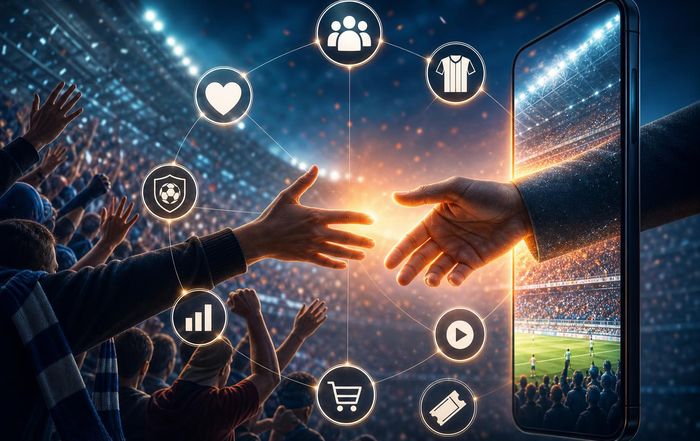
Sports Business Models Built Around Direct Fan Relationships
The New Economics of Fan-Centric Sports
By 2026, the global sports industry has completed a decisive shift from a model dominated by broadcasters, leagues, and intermediaries to one increasingly defined by direct, data-rich, and emotionally resonant relationships between rights holders and fans. Where once the primary revenue engines were linear media rights and in-stadium sales, today's leading organizations are building vertically integrated ecosystems that treat fans not merely as viewers or ticket buyers, but as long-term participants in a connected value chain that spans live events, digital experiences, health and fitness, culture, gaming, and social engagement. Within this transformation, Sportsyncr has positioned itself as a platform and lens through which these changes can be understood and acted upon, connecting insights across sports, fitness, health, and the broader business landscape.
This evolution has been accelerated by advancements in streaming technology, mobile connectivity, and data analytics, along with shifting consumer expectations shaped by sectors such as direct-to-consumer entertainment, ecommerce, and digital health. Fans in the United States, the United Kingdom, Germany, Canada, Australia, and across Europe and Asia now expect personalized, on-demand, and interactive experiences as standard, whether they are following Premier League football, the NBA, Formula 1, or emerging esports leagues. As a result, rights holders, clubs, and brands are re-architecting their business models around the principle that durable growth comes from owning and deepening the relationship with the fan, rather than renting attention through third-party platforms.
From Intermediated Audiences to Owned Fan Relationships
Historically, the sports value chain was linear and relatively simple: leagues sold media rights to broadcasters, who aggregated audiences and sold advertising to brands. Ticketing was often handled by third parties, merchandising by licensees, and data remained fragmented across multiple vendors. This structure created significant economic value, but it also meant that many organizations had limited direct insight into who their fans were, how they behaved, and what they truly valued beyond the stadium turnstile or the household TV rating.
The direct-to-consumer pivot has upended this logic. Inspired by the success of platforms such as Netflix and Disney+, leagues and clubs began experimenting with their own streaming and membership propositions. The launch of services like NBA League Pass and NFL Game Pass, along with team-specific platforms from clubs such as FC Barcelona and Manchester City, demonstrated that fans were willing to pay for direct access, deeper content, and more control over how they consumed live and on-demand coverage. Those experiments have now matured into sophisticated ecosystems where subscription, transactional, and advertising-funded models coexist.
In parallel, the rise of mobile-first consumption in markets such as India, Southeast Asia, and Africa, coupled with the growth of 5G infrastructure documented by organizations like the GSMA, has made it possible to deliver high-quality live and interactive content directly to fans in regions where traditional pay-TV penetration was limited. This global connectivity has expanded the addressable audience for clubs and leagues beyond their domestic markets, enabling a Bundesliga club to cultivate a loyal following in Thailand, or a La Liga side to build a commercial footprint in the United States, without relying solely on local broadcasters or intermediaries.
For platforms like Sportsyncr, which operate at the intersection of sports, business, and technology, this shift toward owned fan relationships has created a new analytical imperative: understanding not just how many people watch, but how, when, and why they engage across channels, and how that engagement can be translated into sustainable revenue and brand equity.
Direct-to-Consumer Platforms as the Core Asset
At the heart of modern fan-centric business models lies the direct-to-consumer (DTC) platform, typically a combination of streaming service, membership program, and personalized content hub. These platforms are no longer mere add-ons to traditional broadcast partnerships; they are becoming the primary interface through which organizations build, measure, and monetize relationships with fans worldwide.
Leading global properties such as the NBA, UFC, and Formula 1 have used DTC offerings to reach fans in markets where linear distribution is fragmented or underdeveloped, while also gathering first-party data on viewing habits, purchase behavior, and content preferences. Industry analysis from sources such as Deloitte's sports business group and PwC's sports outlook has consistently highlighted the strategic value of these platforms in de-risking reliance on a single media partner and creating optionality for future monetization.
In Europe and North America, clubs and leagues are increasingly bundling live coverage, behind-the-scenes content, archival footage, and interactive features such as watch parties and real-time statistics into tiered subscription models. A fan in Singapore or Brazil can now follow a favorite English or German club with a level of intimacy that rivals that of a local supporter, accessing training-ground insights, tactical analysis, and player-led programming that would have been unimaginable a decade ago. This approach not only drives recurring subscription revenue but also enhances the perceived value of sponsorships and branded content partnerships, as brands gain access to highly engaged, measurable audiences.
For Sportsyncr, tracking how these DTC ecosystems evolve across markets such as the United States, the United Kingdom, Germany, Canada, Australia, and emerging territories in Asia and Africa is central to its editorial and analytical mission. By connecting insights from news, world, and technology coverage, the platform helps decision-makers understand not just the technology stack behind DTC, but also the cultural nuances that shape adoption and loyalty.
Data, Personalization, and the Trust Equation
Direct fan relationships rise or fall on the quality of data and the trust with which that data is handled. As sports organizations move closer to the consumer, they are increasingly responsible for collecting, storing, and activating sensitive information, from payment details and location data to behavioral insights and health metrics in the context of performance and wellness products. The regulatory environment shaped by frameworks such as the EU's General Data Protection Regulation and the California Consumer Privacy Act has raised the bar for compliance and transparency, forcing rights holders to invest in robust governance and cybersecurity.
At the same time, fans have grown accustomed to the personalization they experience on platforms such as Spotify, YouTube, and Amazon, and they increasingly expect similar relevance from sports experiences. Advanced analytics, machine learning, and customer data platforms allow clubs and leagues to tailor content recommendations, merchandise offers, and ticket promotions to individual fans based on their history and interests. A supporter in Japan who regularly watches tactical breakdowns and purchases training gear might receive targeted offers around coaching clinics or fitness programs, while a casual fan in Canada who only engages during major events might be served highlight packages and introductory membership tiers.
The organizations that excel in this space are those that treat personalization not as a mechanism for aggressive monetization, but as a service that enhances the fan's sense of being understood and valued. Reports from entities such as McKinsey & Company and the Harvard Business Review have repeatedly shown that trust and perceived fairness are critical determinants of long-term customer loyalty. In sports, where emotional attachment is uniquely strong, breaches of trust-whether through mishandled data, intrusive marketing, or exploitative pricing-can erode brand equity far more quickly than in other sectors.
Sportsyncr emphasizes this trust equation across its social, business, and science coverage, highlighting how data ethics, cybersecurity, and transparent communication are now core competencies for any organization seeking to build direct, enduring relationships with global fan communities.
Health, Fitness, and the Everyday Fan Relationship
One of the most significant developments of the last few years has been the integration of sports brands into the everyday health and fitness routines of fans. The explosion of connected fitness devices, wearables, and digital coaching platforms has created new opportunities for organizations to engage supporters beyond match days, tapping into broader trends around wellness, performance, and longevity.
Partnerships between clubs, leagues, and technology companies have led to co-branded training programs, virtual challenges, and performance-tracking experiences that allow fans in markets from the United States and Canada to South Korea and Singapore to "train like the pros." Companies such as Nike, Adidas, and Under Armour have expanded their digital ecosystems, while connected fitness players like Peloton and Whoop have collaborated with leagues and athletes to create content and products that blur the line between fan and participant. Industry analysis from sources like the World Health Organization and the OECD has underscored the growing economic and social importance of physical activity, and sports organizations are increasingly positioning themselves as partners in public health.
For Sportsyncr, whose audience is deeply engaged with fitness and health content, this convergence is particularly resonant. Fans no longer interact with their favorite teams solely through viewing; they adopt training philosophies, nutrition habits, and recovery routines inspired by elite athletes, often guided by content and tools developed in collaboration with clubs and brands. This creates a continuous relationship loop, in which performance data from consumer devices feeds back into personalized recommendations, challenges, and content, further strengthening the bond between fan and organization.
The commercial implications are significant. Subscription-based training apps, premium coaching content, and performance products offer recurring revenue streams that are less cyclical than ticketing or merchandise sales. At the same time, the integration of health data heightens the importance of robust privacy protections and ethical use, reinforcing the centrality of trust in these new business models.
Culture, Social Identity, and Brand Communities
Sports have always been a powerful carrier of culture and identity, but the rise of direct fan relationships has allowed organizations to engage with these dimensions in more nuanced and continuous ways. Clubs and leagues are no longer just sporting entities; they are lifestyle brands, media producers, and community platforms that shape how fans express themselves in both physical and digital spaces.
The intersection of sports with fashion, music, and street culture has intensified, particularly in markets such as the United States, the United Kingdom, France, Italy, and Japan. Collaborations between clubs and fashion houses, such as Paris Saint-Germain with Jordan Brand, or between leagues and designers showcased on platforms like Vogue Business, illustrate how sports properties are leveraging cultural capital to reach new demographics and deepen engagement with existing fans. Social platforms such as TikTok, Instagram, and Twitch have become key battlegrounds for attention, with athletes and clubs acting as creators and curators of content that extends far beyond the field of play.
Direct fan relationships enable more intentional community-building, from supporter-led content initiatives to membership programs that recognize and reward contributions to the ecosystem. Digital collectibles, fan tokens, and community governance experiments-while still evolving and sometimes controversial-have introduced new ways for fans to signal affiliation and participate in decision-making. Thoughtful organizations are moving beyond speculative hype to focus on utility and inclusiveness, aligning with broader conversations about digital ownership, creator economies, and social capital highlighted by outlets such as The Verge and Wired.
Sportsyncr reflects this cultural dimension in its culture and social coverage, examining how sports brands are navigating questions of identity, representation, and community across regions as diverse as South Africa, Brazil, Scandinavia, and Southeast Asia. The platform's analysis underscores that successful fan-centric business models recognize fans not as passive consumers, but as co-authors of the brand narrative.
New Revenue Architectures: Beyond Tickets and Media Rights
The shift to direct fan relationships has catalyzed a reconfiguration of revenue streams, with organizations seeking to diversify beyond traditional pillars such as media rights, sponsorship, and matchday income. While these categories remain vital, their composition and interdependencies are changing in ways that reward agility, innovation, and deep audience understanding.
Subscription and membership models sit at the core of this transformation. Instead of relying solely on season tickets or one-size-fits-all fan clubs, organizations are designing layered memberships that bundle digital access, physical benefits, and experiential perks tailored to different segments, from local ultras to international casual followers. Analysis from the Sports Business Journal and KPMG's sports practice has highlighted the growing importance of recurring digital memberships as a stabilizing force in revenue planning, particularly in the face of macroeconomic volatility or disruptions to live events.
Merchandising is undergoing a similar evolution. Direct-to-consumer ecommerce, powered by global logistics networks and localized digital storefronts, allows clubs and leagues to sell personalized and limited-edition products directly to fans worldwide, capturing higher margins and richer data than traditional wholesale arrangements. Collaborations with lifestyle brands, gaming franchises, and artists create new product categories that appeal to fans who may have little interest in conventional jerseys or scarves but are deeply engaged with the cultural dimensions of the club or athlete.
Sponsorship and brand partnerships are also being reshaped by direct fan relationships. Brands increasingly demand measurable engagement and demonstrable business outcomes, rather than pure logo exposure. With robust first-party data and owned distribution channels, sports organizations can offer targeted, content-rich integrations that span digital, physical, and experiential touchpoints. Insights from the World Federation of Advertisers and the Interactive Advertising Bureau suggest that this shift toward performance-oriented sponsorship is likely to accelerate, favoring rights holders who can provide granular audience insights and flexible activation opportunities.
For Sportsyncr, whose brands and sponsorship coverage tracks these developments, the key narrative is clear: organizations that design revenue architectures around the lifetime value of the fan, rather than isolated transactions, are better positioned to withstand market shocks and capitalize on emerging opportunities in areas such as gaming, wellness, and digital collectibles.
Technology Infrastructure and the Future of Engagement
Building and sustaining direct fan relationships at global scale requires a robust technology infrastructure that spans streaming, data management, commerce, and engagement. Cloud platforms, microservices architectures, and API-driven ecosystems have become foundational elements, enabling organizations to integrate best-of-breed solutions while maintaining control over data and user experience.
Edge computing and 5G networks, as documented by organizations like Cisco and Ericsson, are enabling low-latency, high-bandwidth experiences such as multi-angle live viewing, augmented reality overlays in stadiums, and real-time interactive features that allow fans in different continents to participate in shared moments. Artificial intelligence is being deployed not only for personalization, but also for automated content creation, highlight generation, and predictive analytics around attendance, churn, and merchandising demand.
Esports and gaming integrations are another frontier. Collaborations between traditional sports properties and game publishers such as EA Sports and Riot Games have created hybrid ecosystems where virtual and physical fandom reinforce each other. Fans in markets like South Korea, Sweden, and the Netherlands may first encounter a club through a digital environment before transitioning to live matches or merchandise. Platforms like Twitch and YouTube Gaming, covered extensively in gaming analysis on Sportsyncr, illustrate how interactive, creator-led formats are influencing expectations for traditional sports broadcasts and digital content.
This technological sophistication brings with it new responsibilities. Cybersecurity threats, content piracy, and platform dependency risks require continuous vigilance and investment. Environmental considerations, including the energy consumption of data centers and streaming infrastructure, are gaining prominence, aligning with broader sustainability conversations led by organizations such as the United Nations Environment Programme and mirrored in Sportsyncr's environment coverage. Forward-thinking organizations are beginning to incorporate sustainability metrics into their technology and operations strategies, recognizing that fans-particularly younger demographics in Europe, North America, and Asia-Pacific-are increasingly attuned to the environmental impact of their entertainment choices.
Talent, Jobs, and Organizational Capability
The pivot to fan-centric, technology-enabled business models is reshaping the talent landscape across the sports industry. Where once the emphasis was predominantly on commercial sales, event operations, and traditional media, organizations now require expertise in data science, product management, user experience design, cybersecurity, and digital content production. This shift has created new career pathways and intensified competition for skills with sectors such as fintech, streaming media, and gaming.
Universities and business schools in the United States, the United Kingdom, Germany, France, and Singapore have responded by expanding sports business and analytics programs, often in partnership with leagues, clubs, and technology companies. Professional organizations such as the European Club Association and MLS clubs in North America are investing in internal academies and cross-functional training to build digital literacy and innovation capabilities across their workforces. Industry job boards and platforms, including those highlighted in Sportsyncr's jobs section, reveal a growing demand for roles that blend sports knowledge with technical and analytical expertise.
This talent evolution is not limited to the headquarters of major clubs and leagues. Regional federations, grassroots organizations, and emerging properties in markets such as South Africa, Malaysia, and Latin America are also seeking to harness data and digital tools to better understand and serve their communities. For them, the challenge is often one of resource constraints and access to infrastructure, making partnerships with technology providers, NGOs, and development agencies particularly important. Reports from bodies such as Sport for Development and Peace International Working Group highlight how digital inclusion in sports can support broader social and economic goals, from youth employment to public health.
Sportsyncr plays a role in this ecosystem by connecting insights from business, world, and science coverage, helping executives, practitioners, and aspiring professionals understand how skills, structures, and cultures must evolve to succeed in a fan-first environment.
The Strategic Imperative for 2026 and Beyond
As of 2026, the direction of travel is unmistakable: sports organizations that build their business models around deep, direct, and trusted relationships with fans are better equipped to navigate technological disruption, changing consumer behavior, and macroeconomic uncertainty. This does not mean abandoning traditional partners or revenue streams, but rather rebalancing the portfolio to prioritize first-party data, owned channels, and flexible, fan-centric offerings.
For global audiences spanning North America, Europe, Asia, Africa, and South America, this shift promises more personalized, inclusive, and interactive experiences that reflect local cultures while connecting to global narratives. For clubs, leagues, and brands, it demands a commitment to continuous learning, ethical data practices, and cross-disciplinary collaboration that bridges sports, technology, health, culture, and sustainability.
Within this landscape, Sportsyncr serves as both observer and participant, curating and analyzing the developments that define the future of sports business across sports, health, fitness, culture, business, technology, and beyond. By focusing on experience, expertise, authoritativeness, and trustworthiness, the platform reflects the very qualities that fans now demand from the organizations they support.
In the coming years, the most successful sports business models will be those that treat the fan relationship as a long-term partnership rather than a short-term transaction; that harness technology not as an end in itself, but as a means to deepen human connection; and that recognize the power of sport to shape health, identity, and community across borders. As these models continue to evolve, the insights and stories shared on Sportsyncr will remain a vital resource for leaders seeking to align commercial success with meaningful, enduring engagement in a rapidly changing world.