

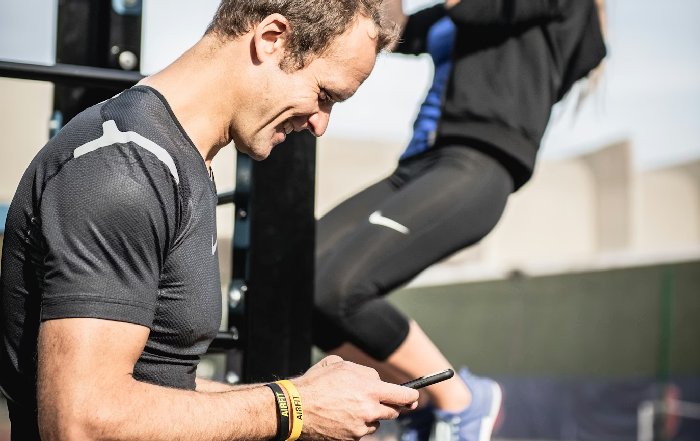
Smartphone Technology and the Rise of On-the-Go Fitness
A New Era of Movement in a Smartphone-First World
The smartphone has become the primary gateway through which people experience fitness, health, and sport, reshaping how individuals train, recover, compete, and connect. What began as simple step counters and basic workout timers has matured into a sophisticated ecosystem of personalized training platforms, biometric analytics, virtual coaching, and connected communities that span continents. For the audience of Sportsyncr-engaged across sports, health, fitness, business, and culture-this shift is not merely about convenience; it is a structural transformation of the global fitness economy and of how performance, wellbeing, and lifestyle intersect.
Smartphone technology now sits at the center of a broader digital infrastructure that includes wearables, cloud computing, artificial intelligence, and high-speed networks, enabling on-the-go fitness experiences that are deeply personalized yet massively scalable. From office workers in London joining live strength classes on their commute, to amateur runners in São Paulo using AI pacing guidance, to esports athletes in Seoul tracking cognitive load and reaction times via training apps, the smartphone is the unifying device that orchestrates data, content, and community in real time. This convergence has profound implications for health outcomes, business models, sponsorship strategies, and the very definition of what it means to be "fit" in the 2020s.
The Smartphone as the Hub of the Connected Athlete
The rise of on-the-go fitness is inseparable from the evolution of the smartphone into a powerful, sensor-rich, always-connected training hub. Modern devices integrate accelerometers, gyroscopes, GPS, barometers, and increasingly sophisticated optical sensors capable of estimating heart rate variability, oxygen saturation, and even aspects of sleep quality. When combined with wearables and connected equipment, smartphones now orchestrate an end-to-end performance stack for athletes and everyday users alike.
Organizations such as Apple, Google, and Samsung have invested heavily in health and fitness ecosystems built around their mobile operating systems, creating integrated platforms that unify data from watches, rings, smart clothing, and connected gym equipment. Users can explore how these platforms are influencing public health guidance by reviewing resources from institutions such as the World Health Organization and the U.S. Centers for Disease Control and Prevention, which increasingly reference digital tools in recommendations on physical activity and chronic disease prevention. These developments are mirrored in Europe, Asia, and emerging markets, where smartphone penetration and mobile broadband have expanded the reach of digital fitness far beyond traditional gym-goers.
For Sportsyncr, which bridges sports performance and broader culture, the smartphone's central role means that coverage of training, technology, and lifestyle is no longer siloed. Instead, it reflects an integrated experience where a user's daily step count, sleep metrics, streaming workout history, and social engagement with teams and brands are all mediated through a single device. This integrated hub model is particularly relevant in markets such as the United States, United Kingdom, Germany, Canada, and Australia, where high smartphone adoption and strong digital infrastructure have enabled rapid uptake of mobile-first fitness solutions, but it is also gaining momentum in Asia, Latin America, and Africa as connectivity improves and local innovators tailor offerings to regional needs.
From Passive Tracking to Intelligent Coaching
The earliest wave of fitness apps focused on passive tracking: counting steps, logging runs, or recording gym sessions. By 2026, the frontier has shifted decisively toward intelligent coaching, with smartphones leveraging machine learning and cloud-based analytics to deliver adaptive guidance that responds dynamically to each user's data. Companies such as Strava, Nike, Adidas, and Under Armour have invested in AI-powered training plans, real-time feedback, and personalized recommendations that adjust based on performance, recovery, and user preferences.
This evolution is supported by advances in mobile AI hardware and software that allow more processing to occur on-device, improving responsiveness and privacy. Users are increasingly exposed to training insights that would previously have required access to elite coaching environments or sports science labs. They can learn about concepts such as periodization, load management, and recovery optimization through accessible educational content and interactive tools, while institutions like the American College of Sports Medicine and the National Strength and Conditioning Association provide foundational frameworks that many digital platforms adapt into consumer-facing guidance.
For business leaders and brand strategists following Sportsyncr's business coverage, this shift from simple tracking to intelligent coaching is strategically significant. It moves digital fitness from a commodity-counting steps or logging workouts-to a differentiated service that can command subscription revenue, deepen engagement, and support premium positioning. It also opens the door to new forms of data-driven partnerships with healthcare providers, insurers, and employers, who see value in outcomes-based programs that can reduce healthcare costs and improve productivity.
The Globalization of On-the-Go Fitness Culture
Smartphone-based fitness has become a global cultural phenomenon, but its expression varies meaningfully across regions and markets. In North America and Western Europe, on-the-go fitness often manifests as hybrid digital-physical routines that blend in-person gym sessions with app-guided workouts, outdoor training, and virtual classes. In Asia-Pacific markets such as South Korea, Japan, Singapore, and Australia, there is a strong orientation toward technology-enabled wellness, with high adoption of wearables and live-streamed classes integrated into everyday life.
In emerging markets, smartphones are frequently the primary or only gateway to structured fitness content, bypassing the need for traditional gym infrastructure. Local innovators in Brazil, South Africa, India, and Southeast Asia are building low-cost, mobile-first platforms tailored to regional languages, cultural norms, and connectivity constraints. Global organizations such as Nike and Adidas increasingly localize content and community initiatives, while regional leaders in China and other Asian markets shape distinct ecosystems of fitness super-apps that integrate social networking, commerce, and training experiences in a single interface.
This globalization of digital fitness culture is tightly intertwined with broader trends in remote work, urbanization, and demographic change. Analysts at sources such as the World Economic Forum and the OECD have highlighted the link between workplace flexibility, mental health, and physical activity patterns, noting that mobile-first fitness solutions can mitigate sedentary behavior but also risk blurring boundaries between work and personal time. For Sportsyncr's global audience, spanning Europe, Asia, Africa, and the Americas, the key insight is that on-the-go fitness is not a uniform export of Western models but a dynamic, regionally adapted phenomenon shaped by local infrastructure, culture, and regulatory environments.
Health, Longevity, and the Quantified Lifestyle
The rise of on-the-go fitness is part of a broader movement toward quantified living, where individuals use smartphones to monitor not only workouts but also sleep, nutrition, stress, and mental wellbeing. Health-focused apps integrate with wearable devices to track heart rate variability, resting heart rate, and activity levels, providing early signals of overtraining, illness, or chronic stress. Resources from organizations such as the National Institutes of Health and the Mayo Clinic offer evidence-based perspectives on how physical activity and lifestyle metrics relate to long-term health outcomes, and many app developers align their guidance with these frameworks.
For users who follow Sportsyncr's health and science coverage, the smartphone is increasingly a health companion rather than a mere entertainment device. It enables habit formation through behavioral design techniques such as streaks, nudges, and gamified challenges, while also raising important questions about data interpretation, health anxiety, and digital dependence. The integration of mental health support into fitness platforms-through guided breathing, mindfulness exercises, and stress tracking-reflects a more holistic understanding of performance that encompasses cognitive and emotional resilience as much as physical capability.
This quantified lifestyle trend has particular resonance in aging societies such as Japan, Italy, Germany, and parts of North America, where policymakers and healthcare systems are seeking scalable ways to promote active aging and reduce the burden of chronic disease. Research published by organizations like the World Health Organization and the European Commission underscores the role of regular moderate-to-vigorous activity in preventing cardiovascular disease, diabetes, and some cancers, and smartphone-enabled programs offer a cost-effective channel for delivering and monitoring adherence to these recommendations at population scale.
The Business of Digital Fitness: Platforms, Brands, and New Revenue Streams
On-the-go fitness has catalyzed a reshaping of the global sports and wellness economy, creating new categories of digital platforms, reshuffling competitive dynamics among gyms and studios, and opening novel revenue streams for brands, media companies, and rights holders. Subscription-based fitness apps, freemium platforms, and hybrid membership models now sit alongside traditional gym memberships, with many consumers combining multiple services to create personalized fitness stacks.
Major technology players such as Apple, Google, and Amazon have entered the wellness arena with subscription services, hardware-software bundles, and health data platforms, while specialized fitness companies like Peloton, Les Mills, and Zwift have transitioned from hardware-centric or studio-based models to diversified digital ecosystems. Industry analysts and investors track these shifts through sources such as McKinsey & Company and Deloitte, whose public reports on the wellness and sports sectors provide insight into market growth, consolidation, and consumer behavior; readers can explore broader industry perspectives via resources like Deloitte's sports business insights or McKinsey's wellness research.
For brands and sponsors, the smartphone-driven fitness ecosystem offers unprecedented precision in targeting and measurement. On-the-go platforms can segment audiences by activity type, intensity, frequency, and location, enabling highly contextual partnerships that integrate product placements, challenges, and rewards into the training experience itself. Sportsyncr's focus on brands and sponsorship highlights how sponsors now evaluate not only reach and demographics but also behavioral engagement-how often users interact with branded content during workouts, how long they remain active in challenges, and whether digital engagement translates into offline purchases or participation in events.
At the same time, the business landscape is becoming more competitive and fragmented. Traditional gyms and boutique studios have responded by launching their own apps, streaming classes, and digital communities, while corporate wellness providers integrate mobile fitness solutions into employee benefits packages. This creates a complex, multi-layered ecosystem in which platform interoperability, data portability, and user experience design become critical differentiators. Sportsyncr's coverage of business and technology provides a lens into how these strategic choices influence long-term brand equity and customer lifetime value.
Technology, Data, and the Ethics of Personalized Fitness
The rapid expansion of smartphone-based fitness has surfaced significant ethical and regulatory questions around data privacy, algorithmic transparency, and health equity. Fitness apps increasingly collect sensitive biometric and behavioral data, which can be valuable for personalized coaching but also carries risks if mishandled or exploited. Regulators in the European Union, North America, and Asia have intensified scrutiny of digital health platforms, with frameworks such as the EU's GDPR and evolving U.S. state-level privacy laws shaping how companies can collect, store, and monetize user data.
Leading organizations and standards bodies, including the U.S. Federal Trade Commission and the European Data Protection Board, provide guidance on responsible data practices, while public interest groups and academic researchers highlight concerns around opaque algorithms and potential discrimination in health-related recommendations. For a global audience that follows Sportsyncr's news and world coverage, these developments underscore that on-the-go fitness is not just a consumer trend but a governance challenge that requires alignment between technology companies, regulators, healthcare systems, and civil society.
There is also a growing conversation about algorithmic bias and inclusivity in fitness technology. If training recommendations are based on datasets that underrepresent certain populations by age, gender, ethnicity, or health status, the resulting guidance may be less effective or even harmful for those groups. Organizations such as the World Economic Forum and academic networks focused on responsible AI emphasize the importance of diverse data, transparent model design, and user control over recommendations. For Sportsyncr, which covers the intersection of social trends, sport, and technology, these issues are central to assessing which platforms truly embody trustworthiness and long-term credibility.
The Intersection of Fitness, Gaming, and Immersive Experiences
One of the most dynamic frontiers of on-the-go fitness lies at the intersection of exercise and gaming. Smartphones are increasingly used as controllers, displays, or hubs for gamified fitness experiences that blend physical exertion with narrative, competition, and rewards. Location-based games, augmented reality experiences, and interactive workout challenges turn urban environments into fitness playgrounds, while integration with esports communities introduces new forms of cross-over between digital and physical performance.
Companies such as Niantic, Zwift, and emerging AR fitness startups leverage smartphones' cameras, sensors, and connectivity to create immersive experiences that appeal particularly to younger demographics and gaming-oriented audiences. Insights from sources like Newzoo and the Entertainment Software Association help contextualize how gaming culture influences engagement patterns and monetization models in fitness, while research from the World Health Organization continues to emphasize the importance of sustained moderate-to-vigorous activity regardless of format.
For Sportsyncr's readers who follow gaming and esports, the convergence of gaming and fitness also raises questions about performance optimization, injury prevention, and mental health in competitive digital environments. Smartphone-based tools that track posture, eye strain, reaction times, and stress levels are becoming part of training regimens for professional and aspiring esports athletes in regions such as South Korea, China, North America, and Europe, reflecting a broader recognition that cognitive and physical conditioning are intertwined in high-performance digital competition.
Work, Jobs, and the Professionalization of Digital Fitness
The growth of smartphone-enabled fitness has created new categories of employment and reshaped existing roles within the sports, health, and wellness industries. Fitness professionals now operate as hybrid practitioners, combining in-person coaching with digital content creation, remote programming, and community management. Platforms that allow trainers to deliver personalized programs, host live classes, and monetize subscription communities have expanded the addressable market for skilled coaches, but they have also intensified competition and raised expectations around digital fluency and brand building.
For job seekers and professionals following Sportsyncr's jobs coverage, the demand for expertise at the intersection of exercise science, data analytics, and digital product design is growing. Employers in North America, Europe, and Asia are recruiting professionals who can translate sports science principles into engaging mobile experiences, interpret user data responsibly, and collaborate with engineers and designers to refine algorithms and interfaces. Educational institutions and certification bodies are responding by integrating digital literacy, behavioral science, and health technology into curricula for trainers, physiotherapists, and sports scientists.
At the organizational level, sports teams, leagues, and federations are integrating smartphone-based platforms into athlete management systems, talent development pathways, and fan engagement strategies. Resources from governing bodies such as FIFA, the International Olympic Committee, and leading national sports institutes provide frameworks for responsible use of athlete data and digital tools, while consulting and research organizations offer case studies on how clubs and franchises are leveraging mobile technology to enhance both performance and commercial outcomes.
Sustainability, Environment, and the Future of Physical Spaces
As smartphone technology enables more fitness activity outside traditional gyms and studios, there are emerging questions about the environmental and urban-planning implications of on-the-go fitness. On one hand, increased outdoor activity, active commuting, and use of public spaces for exercise can support more sustainable cities and reduce reliance on energy-intensive indoor facilities. On the other, the production and disposal of smartphones, wearables, and connected equipment contribute to electronic waste and resource consumption, raising concerns about the long-term environmental footprint of digital fitness ecosystems.
Organizations such as the United Nations Environment Programme and the Ellen MacArthur Foundation provide frameworks for circular economy principles and sustainable technology design, which are increasingly relevant for companies building hardware-dependent fitness solutions. For Sportsyncr, which explores environmental and social dimensions of sport, the key question is how the industry can balance innovation with responsibility, designing products and services that encourage physical activity while minimizing ecological impact.
Urban planners and policymakers in cities from Amsterdam and Copenhagen to Singapore and Vancouver are incorporating digital fitness trends into strategies for active transportation, public parks, and smart city infrastructure. Smartphone data, when anonymized and aggregated responsibly, can help authorities understand patterns of physical activity, identify underserved neighborhoods, and design interventions to promote equitable access to safe, attractive spaces for exercise. This integration of digital insight and physical planning underscores the broader theme that on-the-go fitness is not confined to screens; it is reshaping how people use and experience their environments.
What Comes Next: The Strategic Imperatives for Stakeholders
Looking ahead from 2026, the trajectory of smartphone-enabled fitness points toward deeper integration of AI, biometrics, and immersive interfaces, alongside greater regulatory oversight and rising consumer expectations around privacy and transparency. For stakeholders across the sports, health, technology, and media ecosystems, several strategic imperatives emerge.
First, there is a need to invest in evidence-based design and validation of digital fitness interventions. Partnerships with universities, research institutes, and medical organizations will be critical to ensure that algorithms and recommendations align with established health and performance science, and that claims about outcomes are substantiated. Second, companies must prioritize ethical data practices and user empowerment, offering clear controls over data sharing, transparent explanations of recommendations, and meaningful options for opting out of tracking or targeted marketing.
Third, success in this evolving landscape will depend on the ability to create cohesive, user-centric experiences that bridge multiple domains-fitness, health, social connection, entertainment, and work-rather than isolated point solutions. For Sportsyncr, which spans sports, fitness, technology, culture, and business, this convergence is both an editorial opportunity and a responsibility: to interpret how these forces collectively shape the future of movement, wellbeing, and performance for audiences in the United States, Europe, Asia, Africa, and beyond.
Ultimately, smartphone technology and the rise of on-the-go fitness represent more than a shift in how workouts are delivered; they signal a reconfiguration of the relationships between individuals and their bodies, between fans and sports, between brands and communities, and between digital and physical spaces. As the ecosystem matures, the organizations and leaders that combine technical sophistication with genuine expertise, authoritativeness, and trustworthiness will define the next chapter of global fitness culture-and Sportsyncr will remain a platform where that story is observed, analyzed, and shared with a worldwide, forward-looking audience.