

How Digital Twins Could Transform Sports Performance
The New Performance Frontier: Why Digital Twins Matter Now
As the global sports industry emerges from a decade defined by data analytics, wearables, and streaming, a new paradigm is taking shape that promises to fundamentally alter how performance is understood, optimized, and commercialized. Digital twin technology, long established in aerospace, advanced manufacturing, and smart cities, is moving decisively into elite and grassroots sport, offering a dynamic, real-time, and predictive model of athletes, venues, equipment, and even fan ecosystems. For Sportsyncr and its audience across performance, health, culture, and business, this shift is more than a technical evolution; it is a structural transformation of how sport is trained, managed, monetized, and experienced.
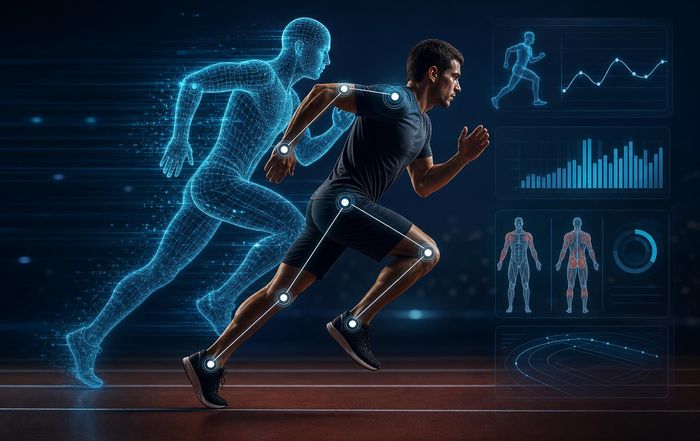
A digital twin, in its most advanced form, is not merely a static 3D model or a dashboard of data points; it is a continuously updated virtual replica that ingests live information from sensors, video, and contextual systems, enabling simulation of scenarios that cannot be safely or easily tested in the real world. As elite clubs, national federations, and emerging sports brands from the United States, Europe, and Asia to Africa and South America explore this technology, the question is no longer whether digital twins will touch sport, but how quickly they will redefine competitive advantage, athlete health, and fan engagement. Fans seeking broader context on the intersection of sport and performance science can explore the dedicated pages on sports performance and competition, where these trends are increasingly visible across disciplines and geographies.
From Factories to Playing Fields: The Evolution of Digital Twins
The concept of the digital twin first gained prominence in complex engineering environments, where organizations such as NASA and major industrial firms used virtual replicas of spacecraft, turbines, and production lines to predict failures and optimize performance. Those early applications depended on high-fidelity modeling, sensor integration, and simulation tools that could test thousands of scenarios before any physical change was made. Today, industrial leaders continue to refine these capabilities; readers can learn how digital twins evolved in manufacturing to appreciate the technical foundations now being adapted to sport.
As cloud computing, edge processing, and AI matured, digital twins spread to sectors such as healthcare, where virtual models of organs and systems support personalized medicine. Leading academic centers and organizations like the European Commission have invested heavily in "virtual human" initiatives, building infrastructure for large-scale biomedical simulation. Those developments are highly relevant to the athlete of 2026, whose performance is increasingly seen as an integrated expression of physiology, psychology, biomechanics, and environment. For a broader health and wellness context, we provides ongoing analysis of how medical innovation intersects with performance in its health and wellbeing coverage.
The migration of digital twins into sport has been accelerated by three converging trends: the ubiquity of wearable sensors and computer vision, the normalization of data-driven decision-making in coaching and front offices, and the commercial imperative to differentiate fan and sponsor experiences. When Formula 1 teams began using near-real-time simulations of car and driver behavior to inform race strategy, they effectively showcased an early sports-specific digital twin, leveraging physics engines, telemetry, and predictive models. As similar thinking spreads from motorsport to football, basketball, rugby, cricket, and esports, the digital twin is becoming a central organizing concept for the performance ecosystems.
Building the Athlete's Digital Twin: Data, Models, and Meaning
In practical terms, an athlete's digital twin in 2026 is a living construct that integrates multiple streams of information into a coherent, interpretable model. High-resolution motion capture, GPS and inertial sensors, heart rate variability, sleep metrics, nutritional intake, mental readiness assessments, and even environmental data such as air quality and travel fatigue can all feed into this virtual representation. Platforms inspired by sports science research from institutions like Aspetar, Australian Institute of Sport, and INSEP have demonstrated that when disparate data sources are harmonized, coaches gain insights that are impossible to derive from any single metric alone. For an overview of how integrated training data is reshaping coaching, folks may wish to explore modern fitness and performance approaches as curated here.
However, data quantity alone does not create a useful digital twin; the critical layer is modeling. Advanced biomechanical models, increasingly informed by research from organizations such as FIFA Medical Centre of Excellence and peer-reviewed journals accessible through platforms like PubMed's sports medicine collections, allow practitioners to simulate joint loads, muscle activation patterns, and injury risk under varying training or tactical scenarios. Machine learning models, trained on multi-season datasets across leagues and countries, can estimate how a specific player might respond to incremental changes in workload, travel schedule, or playing position.
The most sophisticated digital twins now incorporate psychological and cognitive dimensions, drawing on validated instruments from sports psychology and behavioral science. By correlating subjective readiness scores with objective load and performance data, teams can begin to understand how mental state interacts with physical capacity. Research from organizations such as the American Psychological Association and high-performance units in the English Premier League and NBA has highlighted the importance of this integrated approach. While the field is still emerging, the direction is clear: the digital twin of 2026 is as much about understanding the whole human as it is about optimizing sprint speed or vertical jump.
Precision Training and Injury Prevention Across Global Leagues
One of the most compelling promises of digital twins in sport is the ability to simulate the impact of training and competition decisions before they are implemented, thereby reducing injury risk while maximizing readiness. In football, rugby, basketball, and American football, where fixture congestion and travel demands are intense across Europe, North America, Asia, and beyond, the ability to test "what if" scenarios virtually is becoming a competitive necessity. Organizations like UEFA and World Rugby have published extensive injury surveillance data, and analytics firms have layered predictive models on top of these datasets, helping teams anticipate periods of heightened risk. To understand how these trends intersect with broader business and governance issues, readers can review sports business and strategy insights.
In a digital twin environment, a coach can explore how adjusting training intensity by small percentages or altering microcycles around long-haul travel might influence soft-tissue risk for a specific player, taking into account their unique history, biomechanics, and recovery patterns. Wearable platforms, validated by organizations like FIFA and World Athletics, feed real-time data into the model, which then recalibrates risk estimates and performance projections. Research summarized by resources such as World Health Organization's physical activity guidelines underscores the importance of balancing load and recovery, and digital twins offer a practical, individualized operationalization of those principles.
For athletes in endurance sports, from marathon running in Berlin and Boston to cycling in the Tour de France and triathlon events in Asia-Pacific, digital twins can simulate race pacing strategies, altitude adaptation, and nutritional plans. High-performance centers in countries such as Norway, Kenya, and Japan are experimenting with virtual replicas of training blocks, testing different tapering strategies and environmental exposures before committing athletes to them physically. As these practices become mainstream, they will influence not only elite competition but also the broader fitness culture that Sportsyncr documents in its independent reporting of sports culture and lifestyle, shaping how serious amateurs and recreational athletes structure their training.
Cognitive Performance, Esports, and the Digital Athlete
While physical sports have been the primary focus of early digital twin adoption, 2026 is witnessing a notable expansion into cognitive performance and esports, where the "body" of the athlete includes reaction time, decision-making speed, and stress resilience under digital conditions. Major esports organizations in South Korea, China, Europe, and North America are building digital twins that integrate gameplay telemetry, eye-tracking, heart rate, and even neural signals, in collaboration with academic partners and technology firms. Platforms such as MIT's research on human-computer interaction provide a scientific backdrop for these experiments.
In this context, a digital twin might simulate how a player's decision-making changes after multiple hours of competition, under varying levels of crowd noise or stream latency, or when specific in-game strategies are employed. Cognitive load modeling, influenced by research from the U.S. Army Research Laboratory and sports-specific studies, allows coaches to design training blocks that stress decision-making under controlled fatigue, while monitoring for signs of burnout or overtraining. For readers interested in the convergence of gaming, performance, and culture, Sportsyncr offers dedicated analysis in its gaming and esports section, where digital twin concepts are increasingly visible in both professional and grassroots communities.
The implications extend beyond esports. In team sports, decision-making under pressure is as critical as physical output, and digital twins that integrate tactical, perceptual, and cognitive variables can simulate entire match scenarios. Clubs in the Bundesliga, La Liga, the Premier League, and the NBA are experimenting with virtual replicas of tactical systems, where players can "rehearse" game plans in immersive environments informed by their own movement and decision data. This convergence of cognitive science, virtual reality, and digital twins is reshaping the definition of practice itself.
Fan Experience, Media, and the Commercial Layer
Digital twin technology is not confined to the training ground; it is also beginning to transform how fans experience sport, how brands activate sponsorships, and how media organizations tell stories. In 2026, leading leagues and clubs in the United States, United Kingdom, Germany, and Asia are developing virtual replicas of stadiums and arenas that integrate real-time event data, enabling fans to explore personalized views of the game, overlay advanced performance metrics, and even simulate alternative tactical choices. Organizations such as LaLiga Tech and NBA's technology partners are at the forefront of these initiatives, integrating cloud infrastructure from firms like Microsoft and Amazon Web Services. Those interested in the broader technology landscape underpinning these experiences can explore sports technology trends as covered by the hard-working team here.
For brands and sponsors, digital twins create new dimensions of activation. A sportswear company can test how a new boot or running shoe design might influence an athlete's performance within the virtual model before committing to full-scale production, drawing on biomechanics research from institutions such as NIKE Sport Research Lab or Adidas Future Lab. At the same time, immersive fan experiences built on stadium twins allow sponsors to integrate interactive product placements, contextual offers, and personalized storytelling that go beyond static signage. Resources like Deloitte's sports industry outlooks have begun to map the revenue potential of such experiences, indicating that digital twins will be central to the next phase of commercial innovation.
Media organizations, including broadcasters and digital platforms, are also leveraging digital twins to enhance analysis and storytelling. Virtual reconstructions of key plays, informed by tracking and video data, enable analysts to show alternative passing lanes, defensive rotations, or race lines that were available but not chosen. As these capabilities mature, fans from Brazil to Japan and South Africa to Canada will expect richer, more interactive narratives grounded in data, reinforcing the role of trusted site like this to contextualize breaking sports news and developments in a way that is both technically informed and culturally resonant.
Governance, Ethics, and Athlete Trust
As with any powerful data-driven technology, the rise of digital twins in sport raises critical questions about privacy, ownership, fairness, and long-term athlete welfare. The granularity of information required to build a high-fidelity digital twin means that teams, leagues, and technology providers may hold extraordinarily detailed profiles of athletes' health, psychology, and performance potential. Organizations such as World Players Association, FIFPRO, and national players' unions in the United States, United Kingdom, and Europe have begun to articulate frameworks for data rights and informed consent, often drawing on broader digital ethics guidance from bodies like the OECD's AI principles.
For digital twins to be trusted, athletes must understand not only what data is being collected, but how it is being modeled, who has access, and for what purposes. There is a growing recognition that predictive models, if misused, could influence contract negotiations, selection decisions, or even insurance terms in ways that disadvantage certain players. Sports law specialists and human rights organizations have warned against opaque "injury risk scores" or "career potential indices" that may be statistically sophisticated but socially and ethically problematic. To maintain legitimacy, high-performance organizations will need robust governance mechanisms, independent oversight, and transparent communication channels, ensuring that digital twins serve the athlete's interests rather than eroding their autonomy.
This conversation extends to inclusion and fairness. If digital twin technology is disproportionately available to wealthier clubs, leagues, and nations, competitive balance could be further skewed, exacerbating inequalities between major markets such as the United States, Germany, and Japan and emerging regions in Africa, South America, and Southeast Asia. Global bodies like the International Olympic Committee and UNESCO have highlighted the importance of equitable access to sport science and technology. For readers following the societal implications of these shifts, Sportsyncr provides ongoing commentary in its social and societal impact section, examining how innovation can be harnessed without compromising fairness or inclusion.
Sustainability, Infrastructure, and the Environment
Beyond the athlete and the fan, digital twins hold significant potential for improving the sustainability and resilience of sports infrastructure. Stadiums, training centers, and event operations are substantial consumers of energy and resources, and as environmental regulations tighten across Europe, North America, Asia, and Oceania, sports organizations are under increasing pressure to demonstrate credible sustainability strategies. Digital twins of venues can simulate energy usage, crowd flows, waste management, and emergency responses, enabling operators to optimize for both efficiency and safety. Organizations like Arup, Siemens, and Schneider Electric have documented how building twins reduce carbon footprints in other sectors, and this expertise is now being adapted for arenas and stadiums. Readers seeking broader context on environmental responsibility in sport can learn more about sustainable business practices from global environmental bodies.
Major events, from the Olympic Games and FIFA World Cup to continental championships and city marathons, are also turning to digital twins to plan transport, security, and legacy infrastructure. By modeling how spectators move through host cities, how temporary structures interact with existing systems, and how post-event usage patterns may unfold, organizers can make more informed decisions that respect local communities and ecosystems. For Sportsyncr, which has increasingly highlighted the intersection of sport and environmental stewardship, these developments align closely with its articles of environmental and sustainability themes in sport, reinforcing the view that performance and responsibility are no longer separate conversations.
Jobs, Skills, and the Emerging Performance Ecosystem
The rise of digital twins in sport is also reshaping the labor market and professional skill sets required to operate at the highest level. High-performance departments now seek not only coaches and physiotherapists, but also data scientists, biomechanists, software engineers, and UX designers capable of translating complex model outputs into actionable insights. Universities in the United States, United Kingdom, Germany, Australia, and Singapore have begun to offer specialized programs at the intersection of sports science, data analytics, and computer science, anticipating demand from clubs, leagues, technology providers, and consultancies. For individuals considering career paths in this emerging ecosystem, the news and editorial team maintains a growing resource on jobs and professional opportunities in sport and performance.
As organizations adopt digital twins, internal culture becomes as important as technical capability. Successful implementations require alignment between coaching philosophies, medical practices, and data governance policies, ensuring that the technology enhances rather than replaces human expertise. The most progressive clubs in football, basketball, rugby, and Olympic sports are building cross-functional performance teams in which analysts, coaches, and medical staff collaborate around shared models and language. This collaborative approach, grounded in clear communication and mutual respect, will be a defining characteristic of high-performing organizations in the digital twin era.
A Digital Twin World?
As digital twin technology continues to mature, the need for trusted, independent, and context-rich analysis becomes critical. Sportsyncr is uniquely positioned at the intersection of sport, health, culture, business, and technology, serving a global audience that spans athletes, coaches, executives, investors, and engaged fans from North America and Europe to Asia, Africa, and South America. By integrating daily updates across core sports disciplines, performance and fitness science, business strategy, technology innovation, and environmental responsibility, the platform provides a holistic perspective that mirrors the integrated nature of digital twin ecosystems themselves.
In the years ahead, this site will continue to examine how digital twins are implemented in different sporting cultures and regulatory environments, from the data-rich leagues of the United States and Europe to rapidly developing markets in Asia, Africa, and Latin America. It will track not only the headline-grabbing innovations of elite clubs and mega-events, but also the ways in which digital twin concepts filter down to grassroots sport, community health initiatives, and youth development programs. As the line between athlete and fan, physical and digital, local and global continues to blur, we will remain committed to evidence-based reporting, critical analysis, and a nuanced understanding of how technology can both empower and challenge the world of sport.
Gazing into the Future - From Possibility to Practice
Digital twins are no longer speculative; they are being actively deployed in training centers, stadium control rooms, design studios, and broadcast trucks around the world. The next phase will determine whether this technology fulfills its promise of enhancing performance, protecting athlete health, enriching fan experience, and supporting sustainable operations, or whether it exacerbates inequalities, erodes trust, and overwhelms stakeholders with complexity. Success will depend on the quality of the models, the integrity of the governance frameworks, and the willingness of organizations to integrate human judgment with machine-driven insight.
For athletes, the digital twin offers the possibility of a more personalized, predictive, and protective performance environment, where decisions are informed by a deep understanding of individual context rather than generalized norms. For coaches and performance staff, it provides a new lens through which to design training, manage risk, and communicate with athletes and executives. For brands, media, and sponsors, it opens up new forms of engagement and storytelling that are immersive, data-rich, and globally scalable. And for fans, it promises a more interactive, transparent, and participatory relationship with the sports and teams they love.
In this evolving landscape, platforms like this will play a crucial role in translating technical innovation into accessible, actionable insight, helping stakeholders across the sports ecosystem navigate the opportunities and challenges of the digital twin era. As the boundaries of what is possible continue to expand, the central question will remain constant: how can technology be harnessed to enhance the essence of sport-its drama, its unpredictability, its capacity to inspire-while safeguarding the health, dignity, and aspirations of those who play it? The answer will define not only the future of performance, but the broader cultural and economic significance of sport in a digitally twinned world.